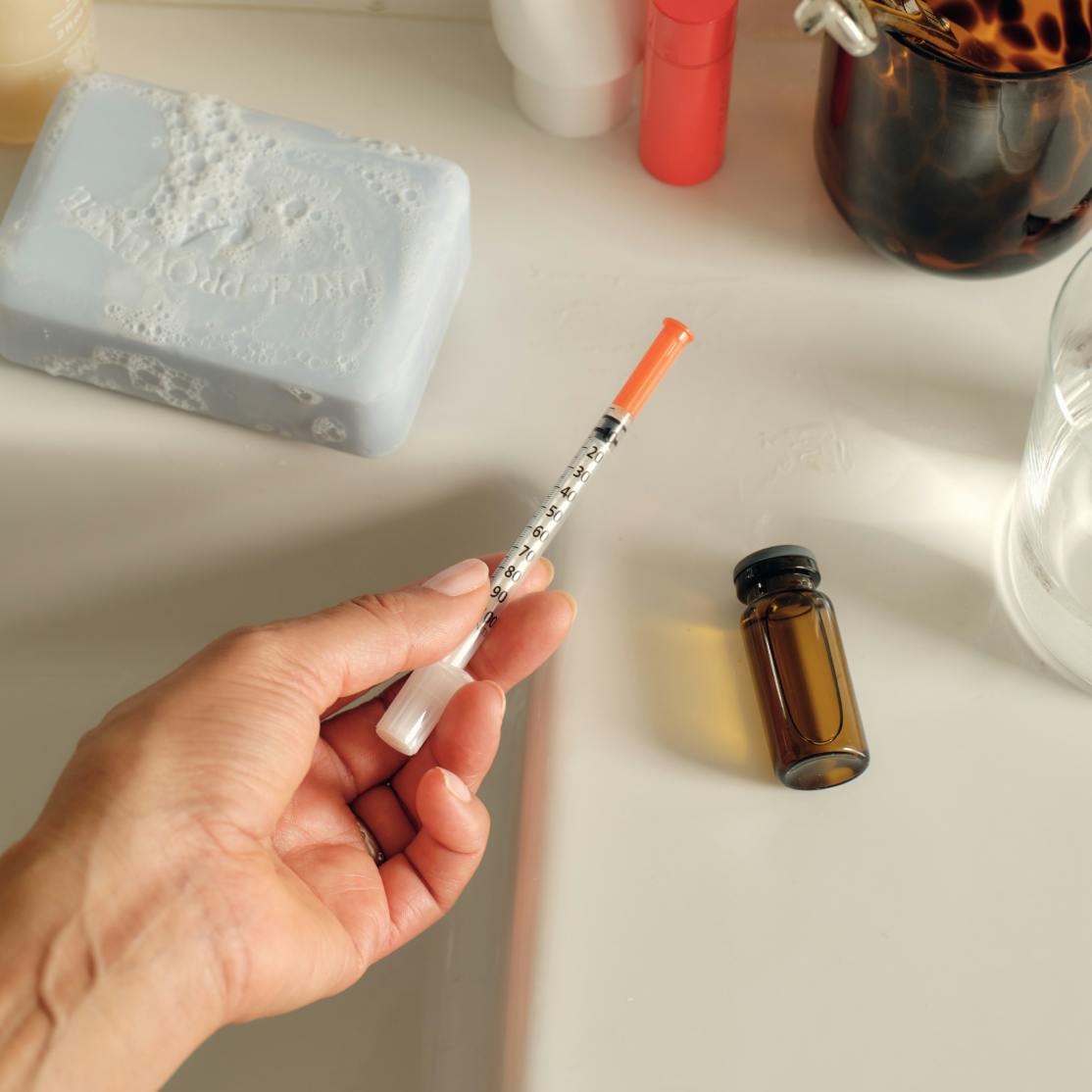

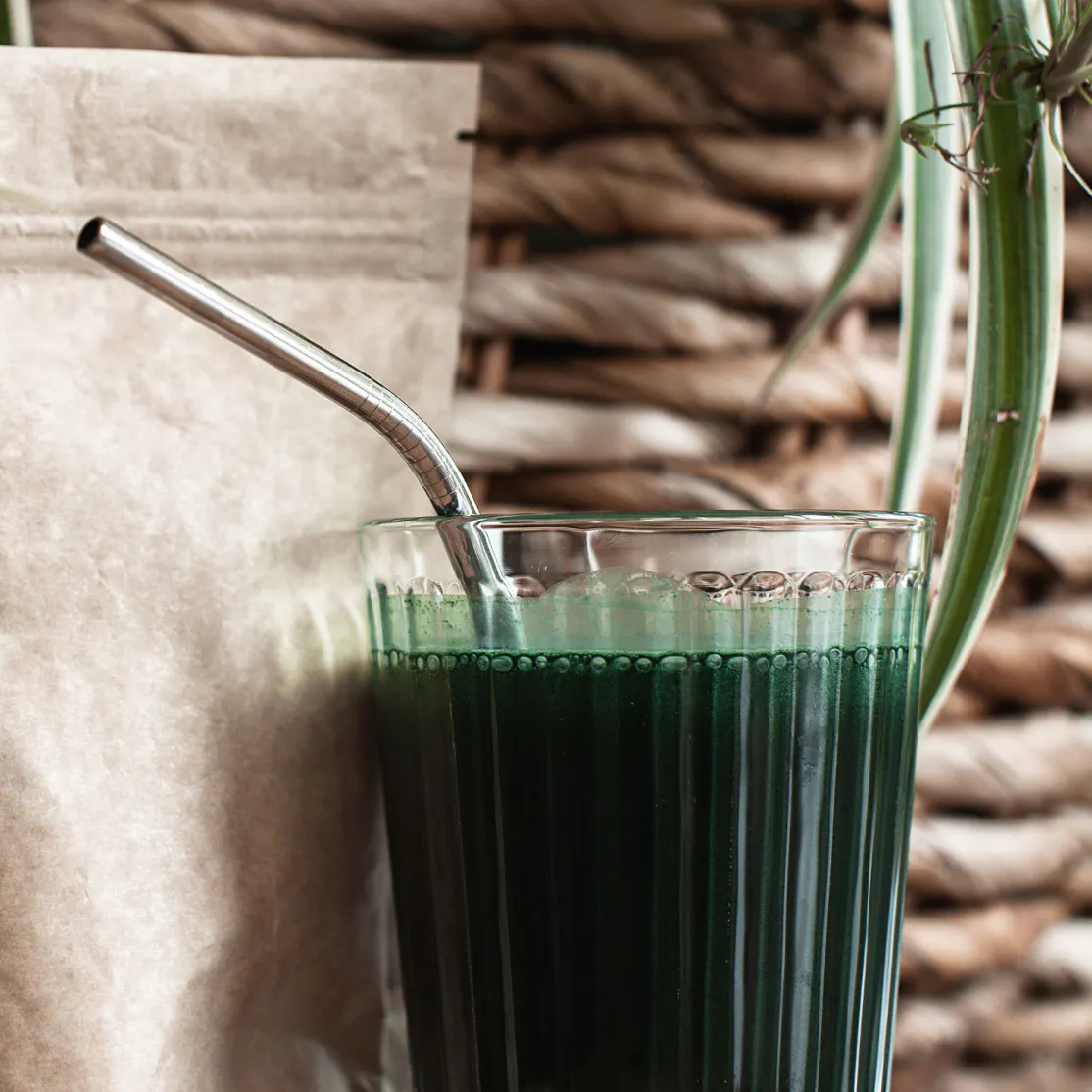
When you’re over age 40 and navigating weight fluctuations and body changes, weight loss drinks may seem like a great solution. You may be especially intrigued when you see sincere-seeming women all over your social feeds who are touting their own success stories, whether from a detox tea, fiber drink, or some other trendy beverage.
But the truth is that most weight loss drinks for women don’t have a significant effect on shedding pounds—and some can even pose health risks. Here, we’ll help you sort out what’s worth trying, what’s best to avoid, and how a clinician (like one at Midi Health) can help you find your best path to healthy weight loss.
If it seems like weight loss drinks are everywhere, you’re not imagining it. With so many women over age 40 looking for ways to deal with weight gain, it’s no surprise that they’re the target of a whole lot of marketing promises about this supposedly simple route to shedding pounds—and no surprise that weight loss drinks can sound appealing.
After all, a daily drink that helps you slim down seems a lot easier than reevaluating your eating or fitness habits. But most weight loss drinks for women (whether a detox tea, juice, or cleanse) have little effect on weight loss, and a few can even be harmful. And none of them address the hormonal and metabolic factors that contribute to midlife weight gain.
Below, we’ll look at the claims about popular weight loss drinks; examine why menopause changes the equation for women; and explore the health and lifestyle options that can support healthy, lasting weight loss. Plus, we’ll share how guidance from a weight loss specialist, like a trained Midi clinician, can help.
What Are ‘Weight Loss Drinks’?
So-called weight loss drinks for women come in a variety of forms. They often include:
- green tea
- protein coffee
- apple cider vinegar drinks
- detox teas, juices, and cleanses
- protein and meal-replacement shakes
- fiber drinks
- “fat-burning” or appetite-control drink mixes, including products marketed as “natural GLP-1 activators”
If you’re 40 years old or over, there’s a reason you’re being targeted by ads for these drinks. Weight gain becomes more common as certain hormones fluctuate and decline in perimenopause, and extra weight and hormonal belly fat can become frustrating issues. It’s no wonder that social media is full of testimonials promising “weight loss drinks that work.”
How Do Weight Loss Drinks Supposedly Work?
Weight loss drinks have a limited (if any) effect on actual fat loss, but the brands selling them have different explanations about how they supposedly work.
Caffeinated drinks and green teas are said to work through thermogenesis, or raising calorie burn, while green tea catechins are also said to increase fat oxidation.
Other drinks, such as apple cider vinegar and fiber drinks, theoretically target appetite and blood sugar. They’re said to blunt hunger and glucose spikes.
Protein and meal-replacement shakes are substituted for higher-calorie meals and supposedly keep you fuller for a longer period of time.
Beverages that are labeled as “GLP-1 supporting” are marketed either as weight loss drinks, or as nutritional support for people on those medications. (To be clear, none of these drinks activate GLP-1 receptors the way GLP-1 medications do.)
Finally, “detox” drinks claim to flatten the belly; they may rely on laxatives or diuretic herbs, and any initial weight loss is probably water weight, not fat.
Do Weight Loss Drinks Actually Work? What the Evidence Says
The research on weight loss drinks shows modest results, at best:
- Green tea: Research suggests green tea may lead to a small amount of weight loss—meaning, just a few pounds—when compared with water or a placebo. However, the research has many gaps, and questions remain regarding the relevant amounts of green tea that may have a weight loss effect.
- Apple cider vinegar: Research suggests that taking about 2 tablespoons of pure apple cider vinegar per day may lead to modest reductions in body weight, BMI, and waist circumference. But the studies were short and limited, and more in depth research is needed. (Plus, commercial apple cider vinegar drinks are diluted.)
- Protein shakes and meal replacements: When used to replace a certain number of meals, protein drinks have some evidence that they can help weight loss. But they are best thought of as a tool for managing hunger and eating fewer calories (meaning, using them to replace and cut down on some of your day’s calories) within a larger plan. Protein can help you feel fuller and is important for maintaining muscle mass.
- “GLP-1 supporting” drinks: Those that are marketed for weight loss or “appetite control” tend to contain different types of fiber. But though there’s some evidence that fiber supplements could help with modest weight loss, there isn’t solid evidence yet that these fiber drinks help you lose weight.
- Detox and “skinny” teas: There is no credible evidence of lasting fat loss from these drinks. The scale may drop a bit initially and temporarily due to a few things: losing water weight, spending a lot of time emptying your bowels, or simply taking in fewer calories.
Which Weight Loss Drinks Can Be Risky?
Detox drinks for weight loss are typically the ones with the biggest red flag. Those containing senna or other laxatives can cause dehydration, electrolyte imbalance, cramping, and dependence with regular use, so proceed with caution (or better yet, not at all).
There are other risky weight loss drinks for women to be aware of, too. Concentrated green tea extract in some drink mixes has been linked to rare cases of liver injury. Meanwhile, high-caffeine and “fat-burner” drinks can not only disrupt sleep, but they may also bring on anxiety, palpitations, and hot flashes—all of which can already be an issue in perimenopause.
Undiluted apple cider vinegar may be a weight loss fad, but it can erode tooth enamel and irritate the throat. Also be aware that some weight loss drinks and supplements can interact with medications you may be taking. For example, apple cider vinegar can interact with diuretics and insulin. If you’re tempted to try any type of weight loss drink, first check the ingredients and talk with a clinician, especially if you take prescription medications.
True Stories Of Transformation
Why Is Weight Loss Different After 40, and Why Can't a Drink Fix It?
It’s not fair: Losing weight can get tougher after age 40. Around perimenopause, estrogen fluctuates and then starts to decline, and fat storage shifts toward the abdomen. This can contribute to increased hormonal belly fat, even if the number on the scale stays the same.
It’s also normal to experience muscle loss as you get older, and this can affect your resting metabolism and gradually lead to added pounds. The best way to counter this: Include strength training in your exercise at least twice per week, and make sure you’re getting adequate protein while keeping an eye on overall eating.
Other lifestyle factors can contribute to added weight, such as disrupted sleep, higher stress and cortisol levels, insulin resistance, and increased appetite during perimenopause and menopause. The bottom line on all of this: A lot of complex factors are involved in weight, and no beverage is a quick fix.
“Without changing anything, women generally start gaining weight and that central weight gain—‘meno belly’—is linked to cardiovascular disease, including heart attacks and strokes,” Kathleen Jordan, MD, Midi's Chief Medical Officer, previously told us. (That’s all the more reason to address weight gain with evidence-backed plans, not drinks with unsubstantiated marketing claims.)

How GLP-1 Medications Can Help With Midlife Weight Loss
While drinks for weight loss aren’t proven to have a real impact on the scale, GLP-1 medications have been shown to be very successful in helping women in midlife get to a healthier weight. These include:
- Semaglutide: This is sold as Wegovy for weight management (and Ozempic for type 2 diabetes). In clinical trials for the drug, people lost 15% of their body weight.
- Tirzepatide: This is sold as Zepbound for weight management (and Mounjaro for type 2 diabetes). In clinical trials for the medication, people lost 20.9% of their body weight.
Whether you’re a good candidate for weight loss medication depends on factors including your BMI, health history, and whether you have weight-related health conditions. GLP-1s are prescription medications that you take under the guidance of your clinician, and common side effects include nausea and constipation. For women in midlife, special attention should be paid to protecting muscle and bone while losing weight.
If you’re interested in exploring GLP-1s, a Midi clinician can evaluate your eligibility and, if it’s appropriate for you and your health, prescribe the medication and monitor your progress.
Other Prescription Options a Clinician May Consider
In addition to GLP-1s, there are other medications for weight loss that you can talk about with a clinician. Those include:
- Metformin: Although not a weight loss drug by design, it may support modest weight loss and improve insulin sensitivity, especially in women with polyendocrine metabolic ovarian syndrome (PMOS, formerly known as polycystic ovary syndrome, or PCOS).
- Naltrexone/bupropion (Contrave): This prescription weight loss medication targets hunger and cravings in the brain, and it may be an option when a GLP-1 is not appropriate or accessible.
- Hormone therapy: Though it’s prescribed for weight loss, hormone replacement therapy (HRT, now commonly referred to as menopause hormone therapy, or MHT) can treat hot flashes, sleep disruption, and mood changes, all of which can be a factor in weight.
A Midi clinician can help you decide whether one of these medications suits you, based on your individual health history, goals, and preferences.

Lifestyle Strategies That Outperform Any Weight Loss Drink
When done consistently, some everyday habits will put you closer to your weight loss goals than any beverage:
- Eat protein at every meal: This protects muscle, helps you feel full, and can help offset the higher hunger levels that some women in perimenopause experience.
- Build your strength: Make strength training a part of your routine 2 or 3 times per week to preserve or rebuild muscle. Walking and daily movement are also important for your health and can support strength training, but they don’t replace it.
- Prioritize sleep: Address night sweats and insomnia, as well as any screen habits that are keeping you awake, because skimping on sleep can increase appetite and cravings. Limit alcohol, which can worsen hot flashes and sleep.
- Grab some chill: Focus on easing stress in whatever way works for you, whether that’s yoga, daily walks, keeping a journal, reading, or meditation.
If you’re wondering “What can I drink to lose weight?,” the best options are water and unsweetened tea or coffee—if you sub these in for sugar bombs like sweetened soda and syrup-filled coffee concoctions, it can certainly help your weight goals. Some protein shakes (if you choose a brand that isn’t high in sugar) have been shown to have some benefit when they’re used as a lower-calorie substitution for a meal and as part of a broader healthy eating plan.
Can Supplements Support a Weight Plan Without the Hype?
Supplements can play a role in supporting weight loss medication or a healthy lifestyle plan, although they’re not a replacement for either.
Some of the more popular and better-supported options include:
- protein powder to help squeeze more protein into your day
- soluble fiber, such as psyllium to support fullness and blood sugar control
- creatine to support muscle when strength training
- berberine to potentially support modest weight loss
Midi has fiber, creatine, and berberine supplements made specifically for women in midlife.
Other foundational nutrients are important for women in this life stage as well, including vitamin D and magnesium. Talk with your clinician about whether you may be falling short on these nutrients and whether it makes sense for you to supplement them.
Speaking of which: It’s always a smart idea to check in with your clinician before starting any new supplements, especially if you’re taking a GLP-1, thyroid medication, or HRT. They can go over possible interactions with you and help you choose what may work best for you.
When Should You Talk With a Clinician About Midlife Weight?
If you’ve been steadily gaining weight despite consistent efforts at healthy eating and regular exercise, it can help to talk with a clinician to come up with a game plan. Same if you’ve gained abdominal fat, your sleep is disrupted, or you’re experiencing symptoms of perimenopause alongside a change in your weight.
A visit with a Midi clinician may include reviewing your health history, symptoms, and labs; assessing whether a GLP-1 or another prescription medication might be appropriate; discussing menopause treatment; and building a sustainable nutrition, movement, and supplement plan that’s tailored to you. Visits are virtual, in network with most major insurance providers, and led by clinicians who are trained in all aspects of menopause and midlife weight.
Remember, the goal isn’t to find a magical quick fix—it’s to find a plan you can stick with that supports your overall health and helps you thrive at 40 and beyond.
Key Takeaways
- Weight loss drinks have not been shown to produce enough weight loss on their own to make a significant difference on the scale, even if some ingredients may have modest effects. And some trendy options are actually health risks.
- Keeping at a healthy weight can become more challenging after age 40 as hormonal changes, shifts in body composition, disrupted sleep, and increased stress come into play.
- For women who are eligible, medications such as GLP-1s can produce substantially greater weight loss than drinks or supplements. These are prescription meds that are used with clinical guidance.
- Getting enough protein, doing strength training, prioritizing sleep, and taking steps to ease stress are important lifestyle steps that can help encourage healthy weight loss.
- A clinician can help identify what’s contributing to weight changes and work with you to build an individualized plan that addresses your health, symptoms, and goals in midlife.
Frequently Asked Questions (FAQs)
What is the best drink for losing weight?
There’s no drink that will produce significant weight loss on its own. Water, unsweetened coffee or tea, and protein shakes used strategically can all fit into a healthy weight loss plan, but what you eat, how you move, your sleep, and other factors can actually make a difference.
How do I drop 20 pounds fast?
Rather than focusing on losing 20 pounds as quickly as possible, aim for weight loss that’s healthy and sustainable. Lifestyle changes are a good place to start, and if those aren’t enough, talk with a clinician about whether prescription weight loss medication or another treatment may be appropriate for you.
How can I lose 100 pounds in a healthy way?
Losing 100 pounds is a significant goal that’s best approached with clinical guidance. A clinician can help create an individualized plan that may include nutrition and exercise changes; prescription weight loss medication; and other treatments based on your health history, needs, and goals.
Are energy drinks good for weight loss?
No. While energy drinks containing caffeine may temporarily increase energy expenditure, that doesn’t translate into weight loss. They also often contain ingredients that may increase heart palpitations and other cardiovascular risks.
What should you drink in the morning to lose weight?
There’s no special morning drink that will help you lose weight. Water, unsweetened coffee or tea, or (in some situations) a protein shake can be healthy choices, but what matters most is how your overall eating, movement, sleep, and other habits support your weight goals.
If you’re in perimenopause or menopause and want guidance from clinicians who specialize in women’s midlife health, book a virtual visit with Midi today.
Hormonal change is at the root of dozens of symptoms women experience in the years before and after their period stops.
Our trained menopause specialists can help you connect the dots to guide you towards safe, effective solutions.
Whether you need personalized guidance or a prescription routine to tackle symptoms—including brain fog, hot flashes, sleep trouble, mood swings, and weight gain—we’ve got you covered. Learn more here.
Midi’s mission is to revolutionize healthcare for women at midlife, wherever they live and whatever their health story. We believe that starts with education, to help all of us understand our always-changing bodies and health needs. Our core values guide everything we do, including standards that ensure the quality and trustworthiness of our content and editorial processes. We’re committed to providing information that is up-to-date, accurate, and relies on evidence-based research and peer-reviewed journals. For more details on our editorial process, see here.