Up to 4x
Women with no prior history of depression are two to four times more likely to experience a major depressive episode during perimenopause or postmenopause.3
Women with no prior history of depression are two to four times more likely to experience a major depressive episode during perimenopause or postmenopause.3
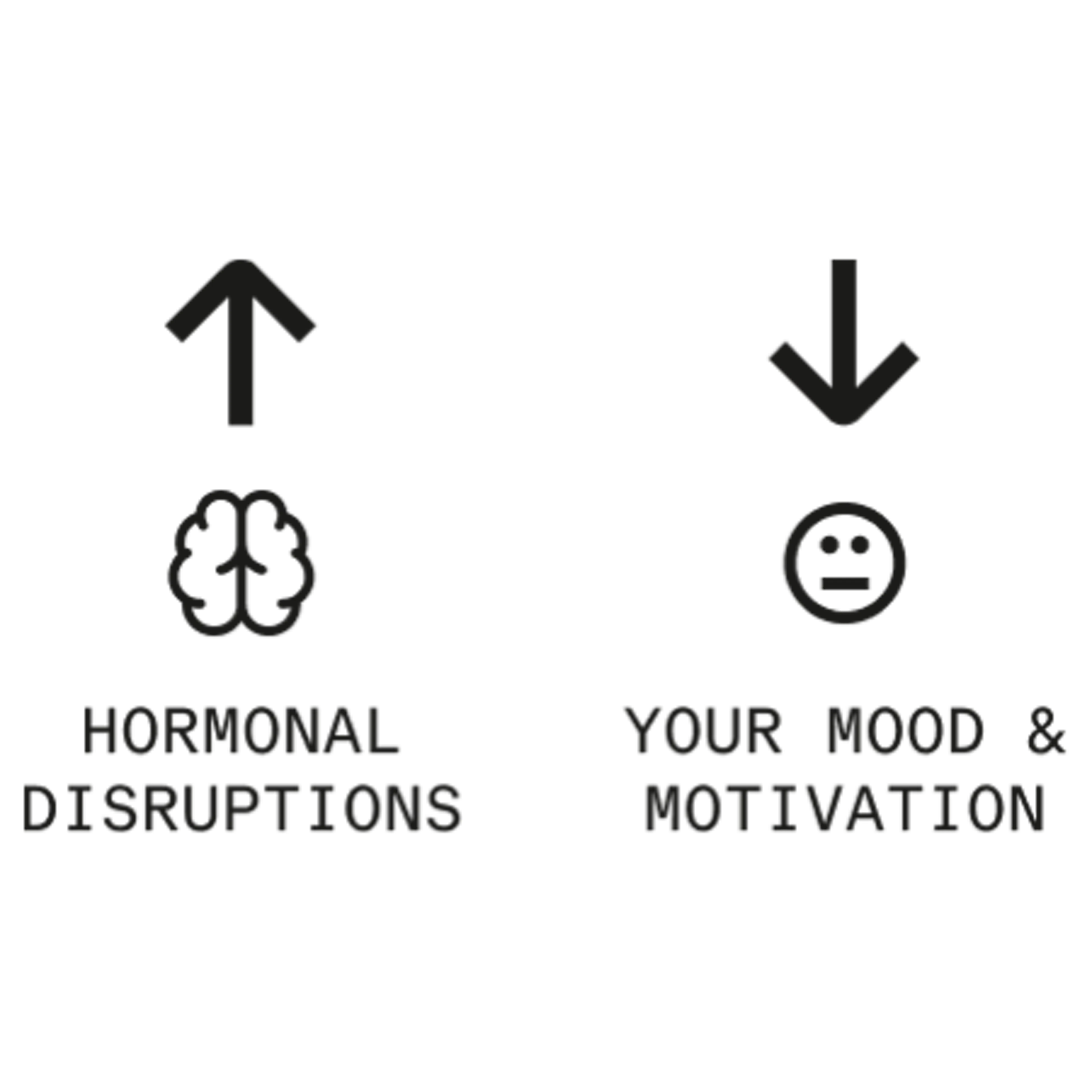

Women with no prior history of depression are two to four times more likely to experience a major depressive episode during perimenopause or postmenopause.3
It's because your nervous system is working overtime.
When hormone levels fluctuate, your brain has to work harder to find a new emotional baseline.
Midi clinicians support you from every angle. They start by listening — then draw on the options below to build the right plan for you.

Labs & testing
Labs & testing
We support you with things like:

Lifestyle coaching & support
Lifestyle coaching & support
We support you with things like:

Anna Lederman, MSN, APRN, CNM
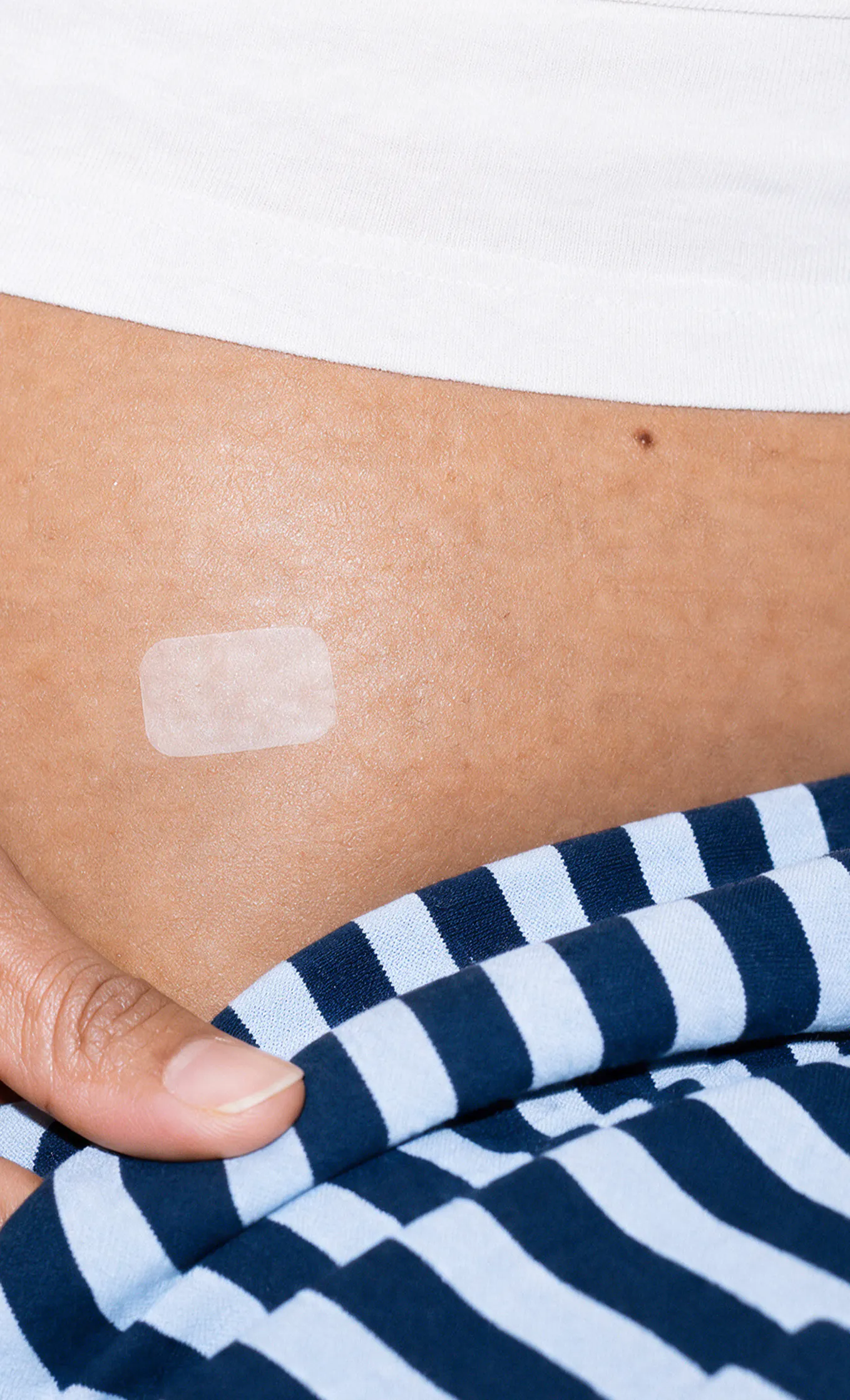
Hormone prescriptions
Hormone prescriptions
We support you with things like:
More to explore:
What is HRT?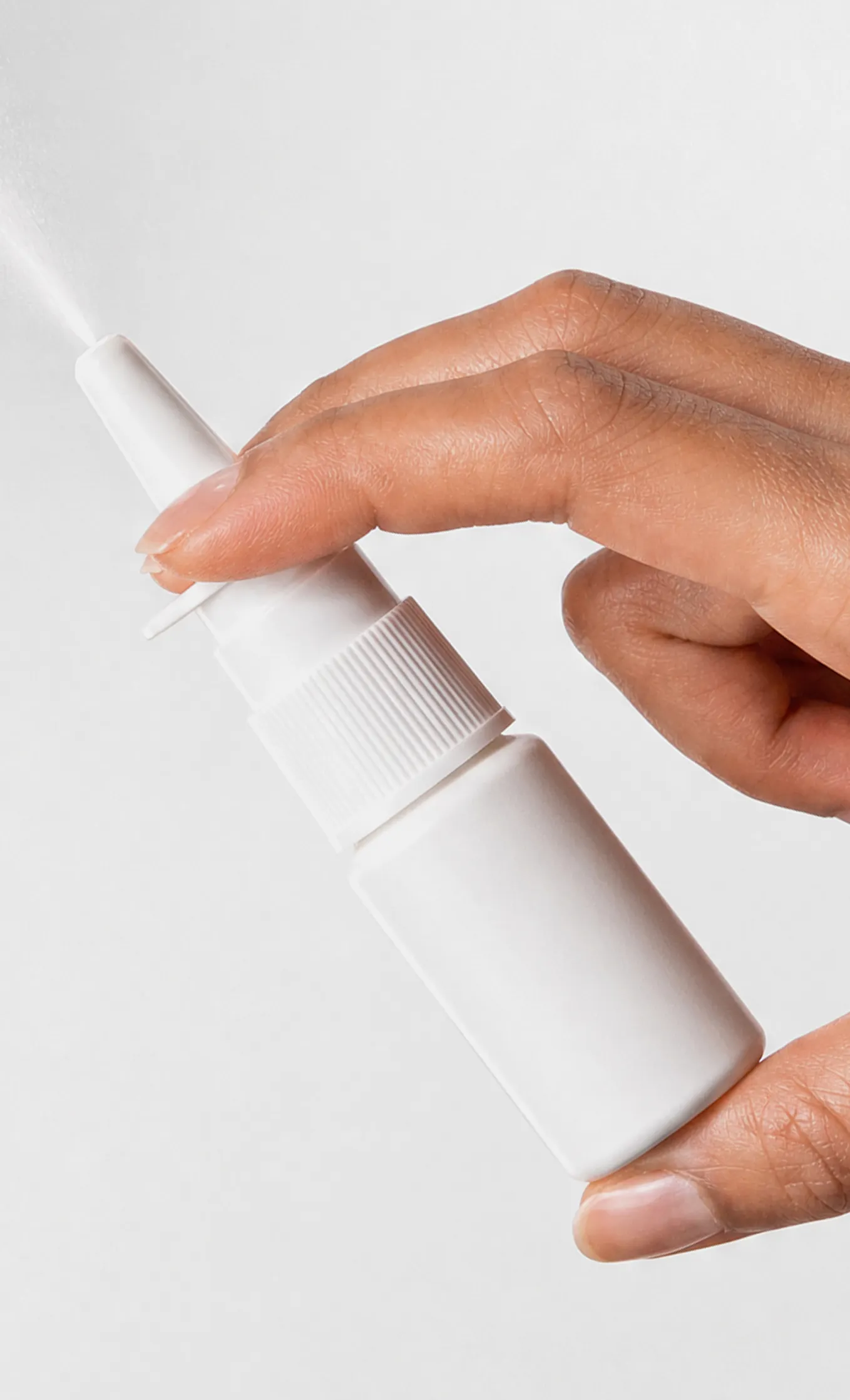
Non-hormone prescriptions
Non-hormone prescriptions
We support you with daily medications, including antidepressants like:
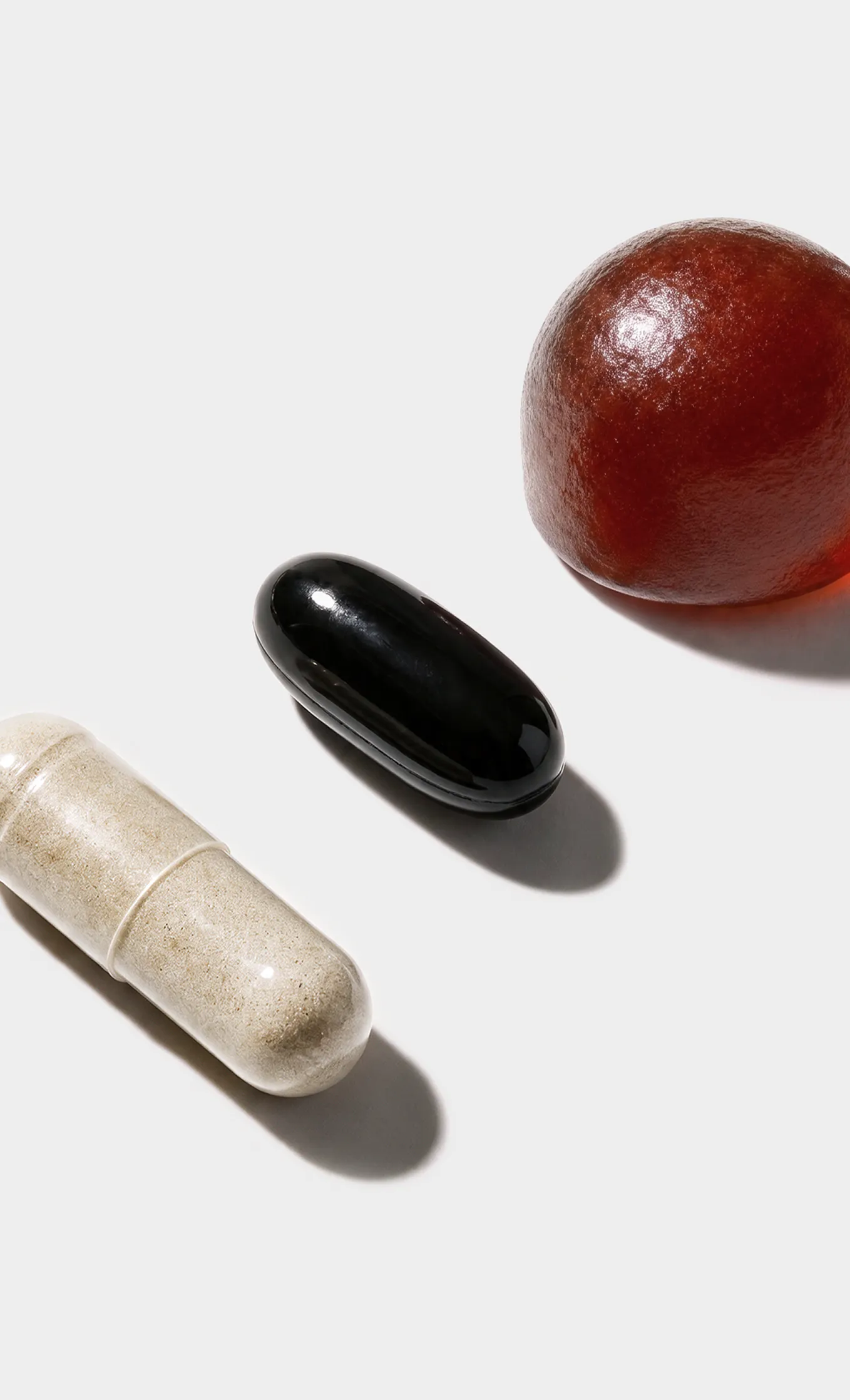
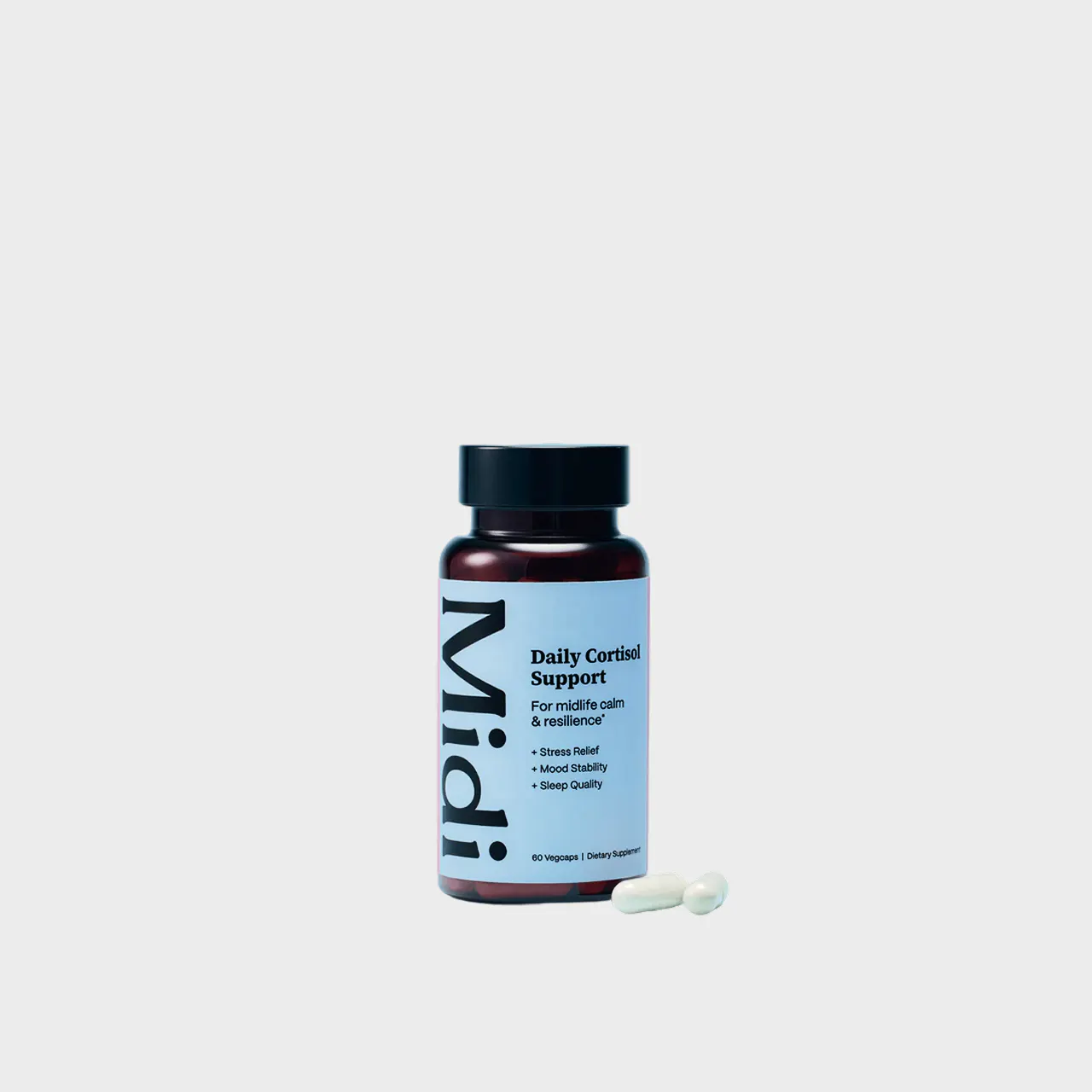
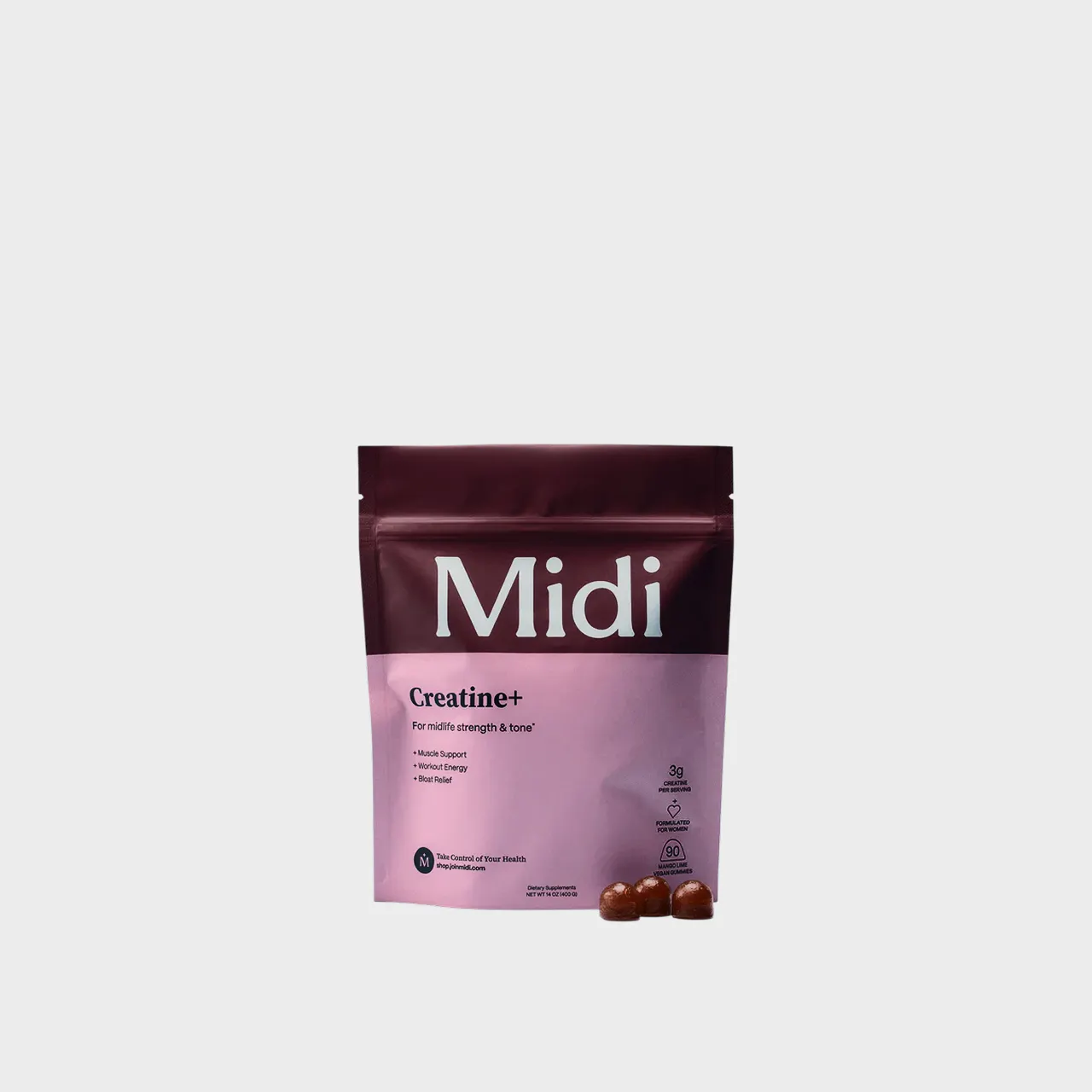
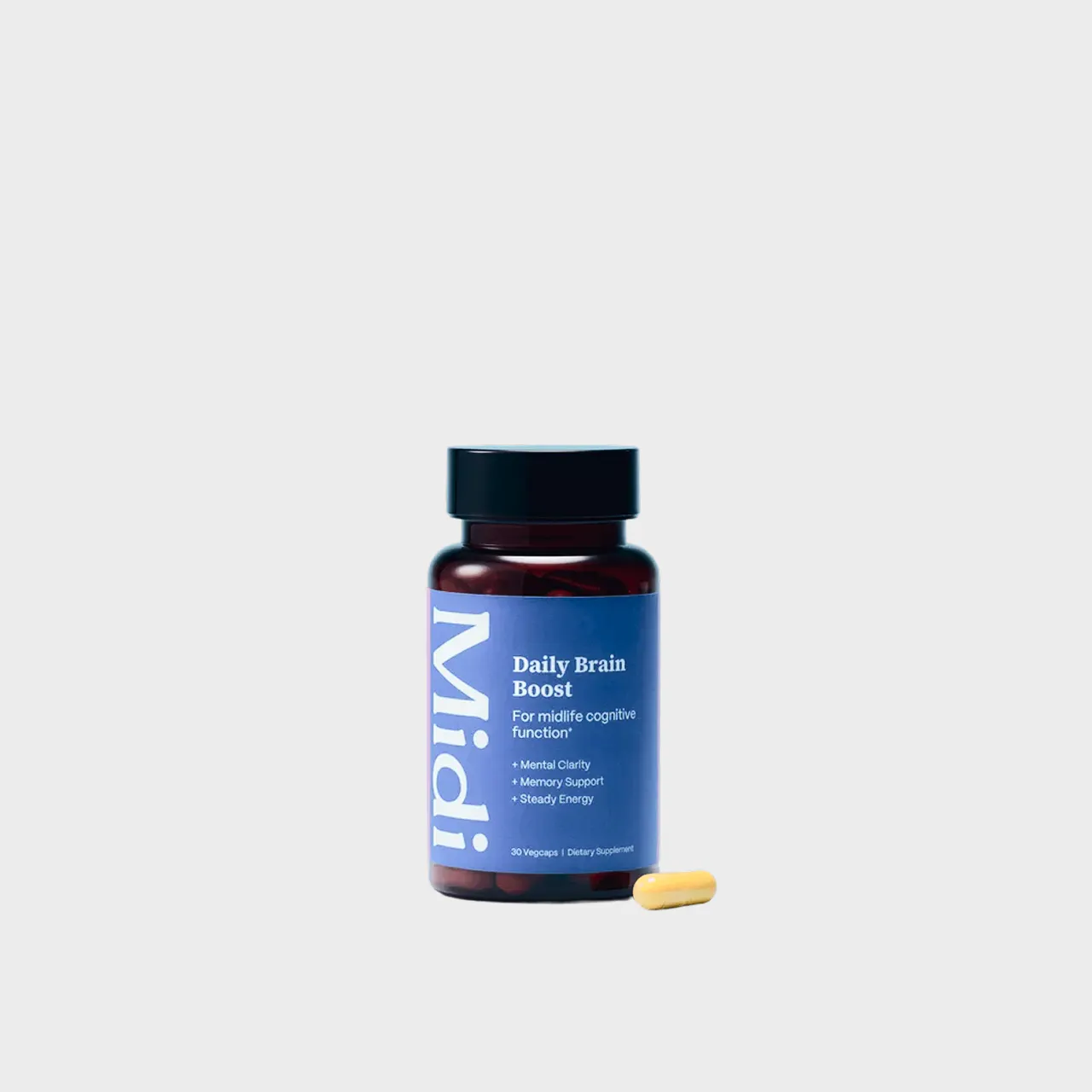
Supplement integration
Supplement integration
We support you with things like:
More to explore:
Shop Midi products
One minute I felt rage — the next deep sadness. I was isolating and losing myself. Finding Midi was a turning point.

After about 1 week, I felt more like myself again. Even my coworkers noticed how much happier I seemed.

I'm no longer constantly irritable with my family. I can fully enjoy being connected to my partner again.

From vertigo to mood swings, nearly all my symptoms have improved. I am not exaggerating when I say Midi saved my life.

After seeing multiple specialists for panic attacks and heart palpitations, Midi finally gave me my life back.

No more crazy anxiety attacks, no more sleepless nights, no more dry, itchy skin.

I was hot, mean, and begging for someone to listen. Within a month of starting HRT, I saw a huge difference.

After about a month, I had more energy and less anxiety. Later, my hot flashes were gone and I finally slept all night.

At 42, it felt like a stranger had taken over my body. Starting HRT helped me finally feel like myself again.

I had digestive issues. My ears were dry and itchy! I was depressed, finding little joy in life.

We need to stop treating perimenopause and menopause care like it’s optional — or worse, cosmetic.

I wanted a clinician with midlife expertise who was up to date on the science. I found her at Midi — she’s amazing.





Clinically informed. Research-backed.

Menopause and your mood: how shifting hormones influence mental health
Sept 6, 2022
Mood changes aren't all in your head. They're driven by shifting hormones and neurotransmitters. The silver living? Relief is closer than you think.
Midi's complete guide to perimenopause anxiety: causes, symptoms, and solutions
Aug, 26, 2025
Feeling perpetually on edge, overwhelmed, or worried? That perimenopausal anxiety. Here's what causes it, and how to find relief.

Menopause and anger towards husbands and partners: Fact or fiction?
Sept 15, 2024
Experiencing perimenopause rage—that intense anger that seems to come out of nowhere? You're far from alone, and you're not overreacting. These emotional changes are a common but often overlooked symptom of the menopause transition.
1. Citation: Kravitz, H. M., et al. / SWAN Study. Obstetrics and Gynecology Clinics, 38(3), 537–550).
2. Midi is in-network with most major insurance providers nationwide, but coverage depends on your specific plan — deductibles, coinsurance, and copays vary and may still apply. Check your plan for details specific to you. Self-pay options are also available.
3. Bromberger, J. T., & Kravitz, H. M. (2011). Mood and menopause: Findings from the Study of Women's Health Across the Nation (SWAN) over ten years. Obstetrics and Gynecology Clinics of North America, 38(3), 609–625. https://doi.org/10.1016/j.ogc.2011.05.011
*These real patients became Midi Ambassadors and may receive free products and/or swag. Individual results may vary.
Midi accepts most major health plans. Book a virtual visit and start feeling like yourself again.