

If you’re taking a GLP-1 to lose weight or considering it, you might be wondering how to avoid side effects from Ozempic (or any other GLP-1). These meds are known to have common side effects, especially in the beginning, that can be quite uncomfortable.
To minimize symptoms, which can include digestive upset, constipation, and bloating, you’ll want to focus on removing certain foods from your diet, prioritizing protein and fiber, staying hydrated, taking it slow with titration, getting some movement throughout the day, and relying on medication if needed. And if you're here because you're using Ozempic as a catch-all for weight loss meds, we will explain what to eat on GLP-1s more broadly, not just for those who have type 2 diabetes. Read on to discover exactly which foods to avoid, a daily plan to get through the roughest days, and when you need extra help from the pros, like a Midi clinician.
Trying to figure out how to avoid Ozempic side effects? You’re not alone. Ozempic (and other similar GLP-1 medications) helps curb cravings and reduce hunger, leading to weight loss, by slowing digestion and delaying gastric emptying. This means food sits in your stomach for longer periods of time, and it doesn’t take long for injections to result in waves of nausea, bouts of diarrhea, and uncomfortable constipation. It’s safe to say that no one wants to go through that every day.
The truth is, you may not be able to avoid unpleasant side effects completely—but don’t let that deter you. You can still try plenty of things to make symptoms less intense, allowing you to feel more like a human again on injection day and beyond.
Managing your symptoms on your own at home often means avoiding certain foods and drinks, adding physical activity or at least gentle movement to each day, finding the right injection timing, and working on being more present and intentional during meals. And while doing all of this should help ease the most common symptoms, we’ll also explain how to know when you might be experiencing more serious complications that require a chat with a healthcare professional.
What Are the Side Effects of Ozempic?
Ozempic, for all of its benefits, can have some pretty disruptive side effects, especially in the 72 hours following injections or after increasing your dose. Everyone is affected differently, but the most common side effects include nausea, vomiting, a feeling of fullness immediately after eating, reflux and heartburn, burping, constipation or diarrhea, stomach pain, and fatigue.
What you really want to keep an eye out for are the potential less common and more serious side effects that may deserve extra medical attention. These include inflammation of the pancreas (pancreatitis), dehydration from a loss of fluids that can lead to kidney problems, low blood sugar with certain diabetes medications, gallbladder problems, and severe stomach problems like gastroparesis.
For women specifically, research shows that Ozempic side effects may be even worse. One 2022 study in the Journal of Personalized Medicine found that women are more likely to experience side effects than males, especially gastrointestinal (GI) ones like nausea and vomiting. A 2020 study in Scientific Reports noted a similar result and found that women were more likely to experience headaches and dizziness.
Titration Matters: How to Reduce Side Effects
When it comes to managing side effects, titration isn’t something to mess around with. Titration refers to the process of adjusting your dose of Ozempic over time to find the best dose for you, and it’s essential to helping you feel your best (or as good as you can). Sure, it’s tempting to start with a higher dose so you lose weight quickly, but doing so is going to leave you feeling bad.
Patience is key here: Start with a low dose and increase it slowly, noting your personal symptoms and how you feel. The minimum starting dose of Ozempic is typically 0.25 milligrams (mg), taken once per week for at least 4 weeks. If you feel OK after those first few weeks, you would generally move up to 0.5 mg, and so forth.
If your side effects are really affecting your everyday life but feel more moderate than serious, you can absolutely extend each step about 2 to 4 weeks or more if needed. There’s no pressure to up your dosage if you are having side effects, as doing so is really only going to make things worse. In fact, microdosing Ozempic (aka taking very small amounts at a time, or less than standard dosing) is becoming a more popular option for avoiding some side effects while still reaping the benefits of the drug.
If your side effects start feeling really intense, whether you’ve escalated your dosage recently or not, it’s time to take a step back. You can try going back to a prior dosage you tolerated well, but you should also talk to your healthcare professional to rule out any potentially serious issues and come up with a plan for moving forward.
Ozempic Foods to Avoid (and What to Choose Instead)
A lot of people assume that taking Ozempic means you don’t have to do any of the hard stuff, like changing your diet. We hate to break it to you, but actually, the opposite is true. You’ll have to stay away from certain foods if you want to try to avoid the worst of the side effects, especially when you first start injections and in the 72 hours following a shot. These include high-fat foods and meals, greasy and/or fried foods, heavy cream and/or cheese sauces, spicy and/or acidic meals, large portions, carbonated drinks, heavily processed foods, refined carbs like white bread, and anything high in refined sugar. You should also avoid or cut down on alcohol consumption.
To break it down simply, this is because of how GLP-1s like Ozempic work. They slow down how fast your stomach empties, which is what makes you feel full for longer and cuts down on those pesky cravings. But slowing down gastric emptying also means that food is going to be sitting in your stomach for much longer than usual, and when fatty, greasy foods (like a hamburger or fries) hang out for a while, you’re more likely to feel unpleasant side effects like nausea and vomiting.
Instead, opt for whole, minimally processed foods that are easier to digest, such as lean proteins (like eggs, fish, poultry, and tofu), cooked veggies, soft grains (think oats, rice, and quinoa), soups and stews, yogurt or kefir, and fruits. Low-fat cooking methods are preferred, and if solid foods feel like too much, protein shakes or smoothies can be an excellent option.
And remember, because your stomach is emptying slower, you’re going to feel full a lot faster than you might be used to. No matter what you’re eating, portion control is important. Start with small meals, eat some, wait about 10 minutes to see how you feel, and then decide if you need to continue eating. Aim to put the fork down when you’re feeling comfortably satisfied rather than stuffed.
The good news is that you don’t have to avoid these foods forever. As your body adjusts to the medication and you start to learn what works for you and what doesn’t, you should be able to slowly add foods back into your diet.
How Midi Helps with Midlife Weight Gain
How to Eat on Ozempic (Habits That Help)
How you eat is nearly as important as what you’re eating, so adopting some new daily habits can only be a good thing. Here are a few things to try to manage your side effects:
- Eat small, frequent meals: Aim for three small meals per day, with one to two snacks in between. Ozempic can really diminish your appetite, so you may need to come up with a schedule to stick to. Not eating can actually make that nauseous feeling even worse.
- Eat slowly and chew very well: Chew your food more than you think you should—think applesauce consistency—since this makes it easier to digest. Put your fork down between bites and eat mindfully, rather than allowing yourself to get too distracted.
- Avoid drinking too much water while eating: Instead, focus on hydrating between meals.
- Sit upright while eating and for at least 30 to 60 minutes afterward: Some gentle movement after a meal, like a 10- to 15-minute walk, can also be great for your digestive system.
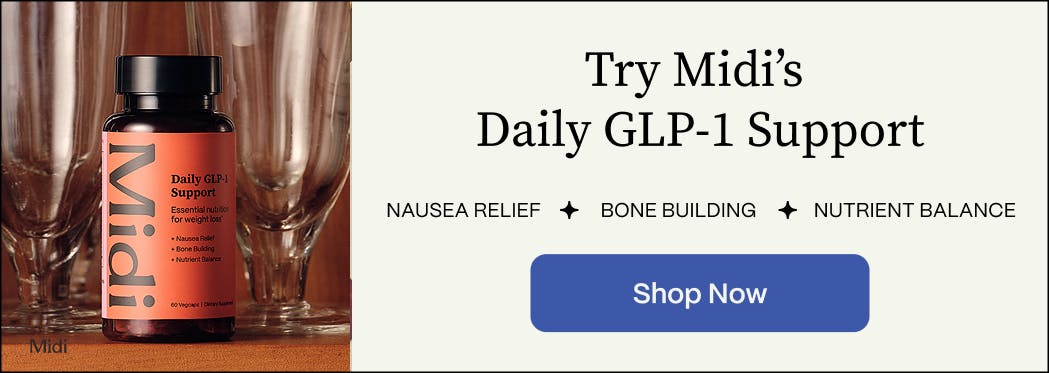
- Prioritize protein and fiber: Protein helps keep you satisfied. Plus, it helps build muscle and ensure you won’t lose too much muscle mass when losing weight. This is especially key for older adults, who naturally lose muscle with age. For those who are experiencing constipation, fiber-rich foods like beans and whole grains can help get things moving. Midi offers supplements including a Daily GLP-1 Support formulation—which has prebiotic fiber as well as ginseng and digestive enzymes—and a Daily Fiber supplement as well.
Hydration and Electrolytes (Your Daily Insurance Policy)
While Ozempic doesn’t directly cause dehydration, side effects like vomiting or diarrhea can. On top of that, loss of appetite can go hand in hand with loss of thirst. And for those experiencing constipation, water is essential for helping to get things going. Suffice it to say that staying on top of your fluid intake should be a top priority. Drink fluids steadily throughout the day, keeping a water bottle on hand at all times so you can easily take sips between meals.
Adding in a daily electrolyte isn’t a bad idea, either. Electrolytes help keep you hydrated by keeping the fluids in your body balanced, and you lose them if you’re vomiting or having diarrhea. You can get them through foods like leafy greens or lemon juice, drinks like coconut water and bone broth, or supplements.
Remember to watch out for signs of dehydration, something you shouldn’t take lightly. Symptoms that warrant some extra fluids or even a call to your clinician include urinating less than usual, dark urine, fatigue, dizziness, dry mouth, and a feeling of confusion.
Nausea and Reflux Playbook
Remember how we said that Ozempic slows down how fast your stomach empties, something that can make you feel full and/or nauseous? Well, that delayed gastric emptying can also leave you with acid reflux, heartburn, or GERD-like symptoms. When your stomach is too full, the pressure can allow acid to flow from your stomach into your esophagus, causing that unpleasant burning feeling.
Nausea and reflux aren’t fun for anyone, so if you’re experiencing these side effects, keep these tips in mind:
- Start your morning on the right foot. Eat a bland breakfast (think oats, whole-grain toast, or eggs) and sip on ginger or chamomile tea to soothe your stomach.
- Avoid fatty foods and anything too acidic. Both can contribute to how much acid your stomach produces.
- Don’t lie down immediately after meals, as this can cause acid to wash up into your esophagus and cause reflux symptoms.
- Consider eating colder foods if smells are triggering your nausea.
- Get some fresh air or go for a short walk after meals. Light movement can get your digestive system moving, while fresh air can help diminish nausea.
- Talk with your clinician about medication. This can include over-the-counter options like antacids or prescription medication like an anti-nausea drug, such as Zofran. If you work with Midi Clinicians, they can talk you through any symptoms your having and troubleshoot to make sure you’re on the best path forward.
Constipation Playbook
A study from 2022 published in the Journal of Clinical Medicine found that 4% to 12% of people taking Ozempic (especially those who are overweight) may deal with constipation, and that this constipation can last longer than other GI symptoms. Research has also found that Ozempic can be linked to more serious complications.
Help avoid constipation with the below tips:
- Increase your daily fiber: Foods that are high in soluble fiber are an excellent way to move things along. Soluble fiber turns into a gel in your digestive tract, helping make bowel movements softer and easier. You can find soluble fiber in foods like apples, bananas, cooked veggies, and oatmeal. Also: consider a daily support supplement like Midi’s Daily GLP-1 Support, which has the prebiotic fiber inulin, ginger, and digestive enzymes to help with stomach upset.
- Add light movement to your routine: Walking after a meal or doing some type of light exercise every day can help get your digestive system going as well.
- Consider taking a gentle laxative or stool softener: Over-the-counter laxatives or stool softeners like Dulcolax or Colace can help, as can osmotic laxatives like Miralax. Speak with your clinician before taking them, or talk with them about something stronger.
- Stay hydrated: That feeling of fullness that comes with Ozempic can make you want to skip your water as well as your lunch. Don’t do that—hydration is essential for healthy bowel movements, so take small sips throughout the day and add electrolytes if needed.
- Speak with a clinician if you suspect an issue: If you haven’t had a bowel movement in 3 or more days, it’s time to get in touch with your clinician to try to avoid a potentially more serious issue.
Diarrhea Playbook
One of the most common side effects of Ozempic, diarrhea can be a pain in the butt—literally. Research shows that it should improve after about the first 4 weeks, but it’s still something you should try to manage.
Here are some tips:
- Opt for lower-fat, lower-fiber meals: While constipation calls for more fiber, diarrhea calls for the opposite. Limit your fats and fibers and instead focus on more of a BRAT (bananas, rice, applesauce, and toast) diet. Keep things simple and bland and be sure to stay hydrated with broth or fluids.
- Avoid triggers like caffeine, alcohol, and high-sugar substitutes: Caffeine is a stimulant that can speed up your digestive system, while alcohol can disrupt your digestive tract and can almost act as a laxative. Sugar substitutes, like aspartame, sorbitol, and erythritol, can also lead to more diarrhea. Try to avoid all of these while you’re experiencing this side effect.
- Watch out for signs of dehydration: Diarrhea means you’re losing fluids, which can lead to dehydration. If you’ve had diarrhea consistently for more than 3 days or you suspect you might be dehydrated, it’s time to call your clinician.
Protein and Fiber Targets (Appetite Control Without GI Drama)
Ozempic doesn’t only lead to fat loss—you can also lose precious muscle mass along the way. And for adults over age 50, who are already naturally losing muscle mass, this is especially concerning.
Increasing the amount of protein you consume is the best way to ensure you continue building muscle instead of losing it. According to UCHealth, the goal should be about 1.2 to 1.5 grams (g) of protein per kilogram (kg) of body weight. For example: If you’re 150 pounds, that means about 82 g of protein a day. That number can seem intimidating, but try to think about breaking it up. Aim for about 25 to 35 g of protein with each meal. This will not only protect lean muscle mass, but also keep you satisfied.
Fiber is arguably just as important as protein. The average adult woman up to age 50 should have 25 g of fiber per day, while women over 50 should have 21 g per day. Your goal on Ozempic should be 25 to 30 g per day, especially if you’re experiencing constipation. If you’ve been eating a lot less fiber than that, gradually ramp up your intake (going from very little fiber to a lot is a guaranteed way to spend a lot of time in the bathroom) and prioritize soluble fiber.
And yes, protein and fiber need to be prioritized, but a balanced plate should also be a goal. Pair your protein and fiber with a carb to balance out your blood sugar levels and stay satisfied without the need to snack on foods you should be avoiding.
Movement, Sleep, and Stress (Side-Effect Buffers)
Let’s pause on the diet talk for a moment, because food isn’t the only way to cause or prevent Ozempic side effects. Keep the below in mind as well:
- Incorporate more gentle, low-impact movement into your day: Research shows that regular exercise can help you feel more energized and less fatigued, a common side effect of Ozempic. Other research published in The Lancet has found that up to 39% of weight loss from GLP-1s can come from muscle mass, which is why strength training is so essential. And for an extra boost of motivation, another study in The Lancet found that people who exercised while taking Ozempic were more likely to keep the weight off in the long run, even after stopping the injections.
- Get enough sleep: Consistent sleep is necessary for lowering stress and keeping your body physically healthy. To ensure you’re getting enough rest, make sure to avoid large meals right before bed (this can lead to stomach pain in the middle of the night) and avoid caffeine or alcohol late at night (both can keep you up long after you want to be).
- Manage stress with the right techniques: There is some evidence that Ozempic can increase your risk of feelings of depression. Stay on top of your mental health by adding breathwork or gentle stretching into your routine. Feeling more relaxed and less stressed out can also soothe tummy troubles and help you get a better night’s rest.
Medication and Supplement Timing (Checklist)
Ozempic and its side effects can affect any other medication or supplement you might be taking, so keep the below in mind:
- Review your insulin or sulfonylurea doses with your clinician before starting an injection: You may need to reduce your dosage of insulin or sulfonylurea before starting Ozempic to avoid the risk of hypoglycemia, or low blood sugar. This should always be a decision you make with a clinician, whether it’s your first time taking Ozempic or you and your clinician are considering raising your dosage.
- Avoid taking certain supplements with high-risk meals: Supplements like iron or calcium can cause constipation or make it worse, so it’s not a great idea to take these with meals that may also cause stomach upset. If these supplements are bothering you, consider adding in a stool softener or mild laxative (just talk with your clinician first).
- Consider over-the-counter or prescription meds: Medications for reflux or nausea and fiber supplements can help ease symptoms, but these are all things you should talk with a clinician about first.
When to Call Your Clinician (Red Flags)
Ozempic might come with a lot of expected side effects, but that doesn’t mean they should always be ignored. If you’re feeling like conditions are veering toward severe, a call to your clinician is always warranted. This is especially true if you’re experiencing:
- severe or persistent vomiting or diarrhea, especially if you’re unable to keep fluids down at all
- severe abdominal pain, especially if coupled with fever and/or vomiting—a lot of pain in your upper stomach or upper right quadrant can be a sign of gallbladder issues or pancreatitis, both of which can require medical attention
- black/tarry stools, fainting, racing heartbeat, or signs of low blood sugar, especially if you’re on diabetes meds
- new or worsening symptoms that don’t improve with a dose hold or step-back
Women’s Health Notes
There is limited research on how Ozempic and other GLP-1s affect pregnancy, but the FDA recommends avoiding Ozempic if you plan on trying to have a baby soon. Some small studies done on animals have shown it may cause thyroid C-cell tumors and other birth issues.
You may have heard of “Ozempic babies,” a term that came about after many women reported getting pregnant shortly after starting the injections. While this is actually a thing—Ozempic does seem to boost fertility—it’s not exactly clear why. It could be because it lowers your BMI (body mass index). A higher BMI is associated with fertility issues.
Oh, and if you’re on birth control, take note: Ozempic might affect how contraceptives work because it slows down absorption in the body. This can negatively affect birth control pills and lead to a surprise pregnancy.
Women should also be vigilant about gallbladder pain while taking Ozempic, since it can cause potentially serious gallstones or gallbladder disease. This is especially true if you’re rapidly losing weight. Opt for lower-fat, protein-rich meals and always focus on staying hydrated.
Keep in mind that perimenopause symptoms can be similar to GLP-1 side effects. If you’re in perimenopause or think perimenopause could be starting and you’re starting injections, track your symptoms and reach out to a clinician for support.
Sample Day
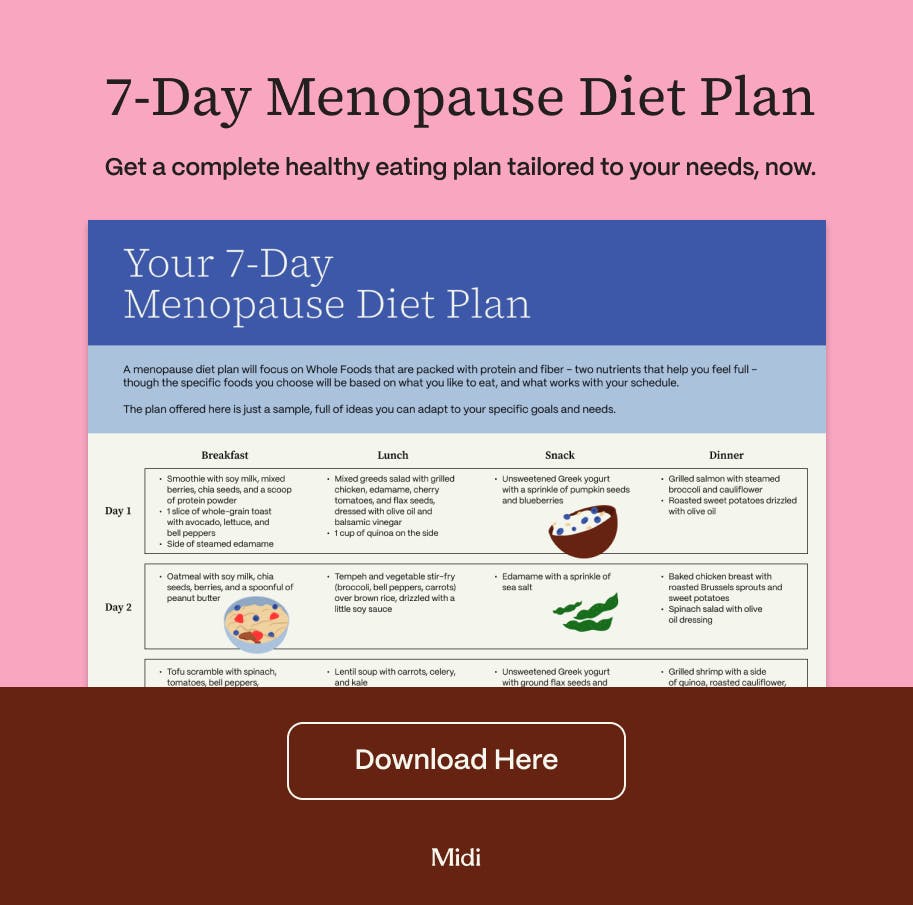
Here’s a quick recap to sum up what you need to do to manage Ozempic side effects: adjust your diet, add light movement into your day, stay on top of your sleep and stress, and add medication or supplements as necessary.
To simplify things even further, we’ve created a sample day with tips on exactly what to eat and what to do to feel your best:
- Breakfast: oatmeal with Greek yogurt and berries; ginger tea
- Mid-morning snack: cottage cheese or tofu with fruit
- Lunch: chicken or tofu rice bowl with cooked veggies; low-fat dressing
- Mid-afternoon snack: banana and peanut butter (small portion, as peanut butter is high in fat)
- Dinner: baked fish, quinoa, roasted carrots; avoid heavy cream sauces
- Movement: walking for 10 to 15 minutes after lunch and dinner; be sure to stay hydrated with water or electrolytes between meals
Key Takeaways
- GLP-1 side effects can feel more intense in perimenopause and menopause, when slower digestion, rising cortisol, and estrogen loss already affect the gut and metabolism. Slow dose titration, smaller meals, and symptom tracking help you separate medication effects from hormone-related changes.
- For midlife weight gain, the best GLP-1 nutrition plan prioritizes lean protein, soluble fiber, and hydration to protect muscle and stabilize blood sugar. This is critical after 40, when natural muscle loss lowers metabolic rate and increases fat storage.
- High-fat, fried, ultra-processed, sugary, and acidic foods worsen nausea and reflux on GLP-1s because gastric emptying is already slower in midlife. Choose easy-to-digest, hormone-supportive meals like cooked vegetables, soft grains, yogurt, fish, eggs, and protein smoothies.
- Daily habits that support hormone health—strength training, gentle post-meal walking, quality sleep, and stress reduction—also reduce GLP-1 side effects and improve long-term weight loss. These behaviors help counter menopause-related body-composition changes.
- Women in perimenopause and menopause need clinician-guided GLP-1 care. These medications can affect birth-control absorption, fertility, gallbladder risk during rapid weight loss, and overlap with menopause symptoms—so a hormone-aware plan leads to better results and fewer complications.
Frequently Asked Questions (FAQs)
Here’s your quick guide to the questions most often asked about how Ozempic makes you feel:
How do you reduce Ozempic side effects?
There’s no foolproof way to avoid Ozempic side effects completely, but you can reduce them by eating the right foods and maintaining a balanced, healthy routine. Avoid foods that are hard to digest, like ones that are high in fat, acidic, heavily processed, high in refined carbs, or high in refined sugar. Aim for some gentle movement every day, like a 10- to 15-minute walk after meals, and take over-the-counter or prescription reflux or anti-nausea meds.
How to keep Ozempic from making you sick?
Being mindful about titration can help you avoid getting sick. Start on the lowest recommended dose and wait about 4 weeks before considering increasing your dosage. Avoid increasing your dosage if you’re regularly experiencing unpleasant side effects—there’s no need to rush things along. You should also avoid eating large meals before bed or before lying down, keep meals small and eat slowly, and stay hydrated throughout the day.
How do you survive Ozempic side effects?
Make inevitable side effects more manageable by focusing on your diet. If you’re feeling nauseous, don’t go too long without eating, and if solid foods seem too difficult, make smoothies or protein shakes. Add more soluble fiber into your diet if you’re struggling with constipation, but keep your diet bland and easy-to-digest if you have diarrhea. If you need extra help, speak with a clinician about adding OTC or prescription meds for nausea or reflux.
What to eat on Ozempic to avoid side effects?
There is no specific Ozempic diet, as everyone is affected differently, but there are some foods you can eat that may be better all around. Opt for whole, minimally processed foods, like cooked vegetables, fruits, and whole grains. Strive for balanced plates that include plenty of lean protein, high-fiber options, and carbs to balance blood sugar. Foods like oatmeal, rice, quinoa, cooked veggies, chicken, tofu, fish, and yogurt can all be great options.
When do you feel the worst on Ozempic?
You’ll find that your Ozempic side effects are most likely at their worst the day of or the 1 or 2 days after an injection. Side effects tend to be worse when you’ve just started the medication and in the weeks that follow, or immediately after increasing your dosage.
If you’re in perimenopause or menopause and want guidance from clinicians who specialize in women’s midlife health, book a virtual visit with Midi today.
Hormonal change is at the root of dozens of symptoms women experience in the years before and after their period stops.
Our trained menopause specialists can help you connect the dots to guide you towards safe, effective solutions.
Whether you need personalized guidance or a prescription routine to tackle symptoms—including brain fog, hot flashes, sleep trouble, mood swings, and weight gain—we’ve got you covered. Learn more here.
Midi’s mission is to revolutionize healthcare for women at midlife, wherever they live and whatever their health story. We believe that starts with education, to help all of us understand our always-changing bodies and health needs. Our core values guide everything we do, including standards that ensure the quality and trustworthiness of our content and editorial processes. We’re committed to providing information that is up-to-date, accurate, and relies on evidence-based research and peer-reviewed journals. For more details on our editorial process, see here.