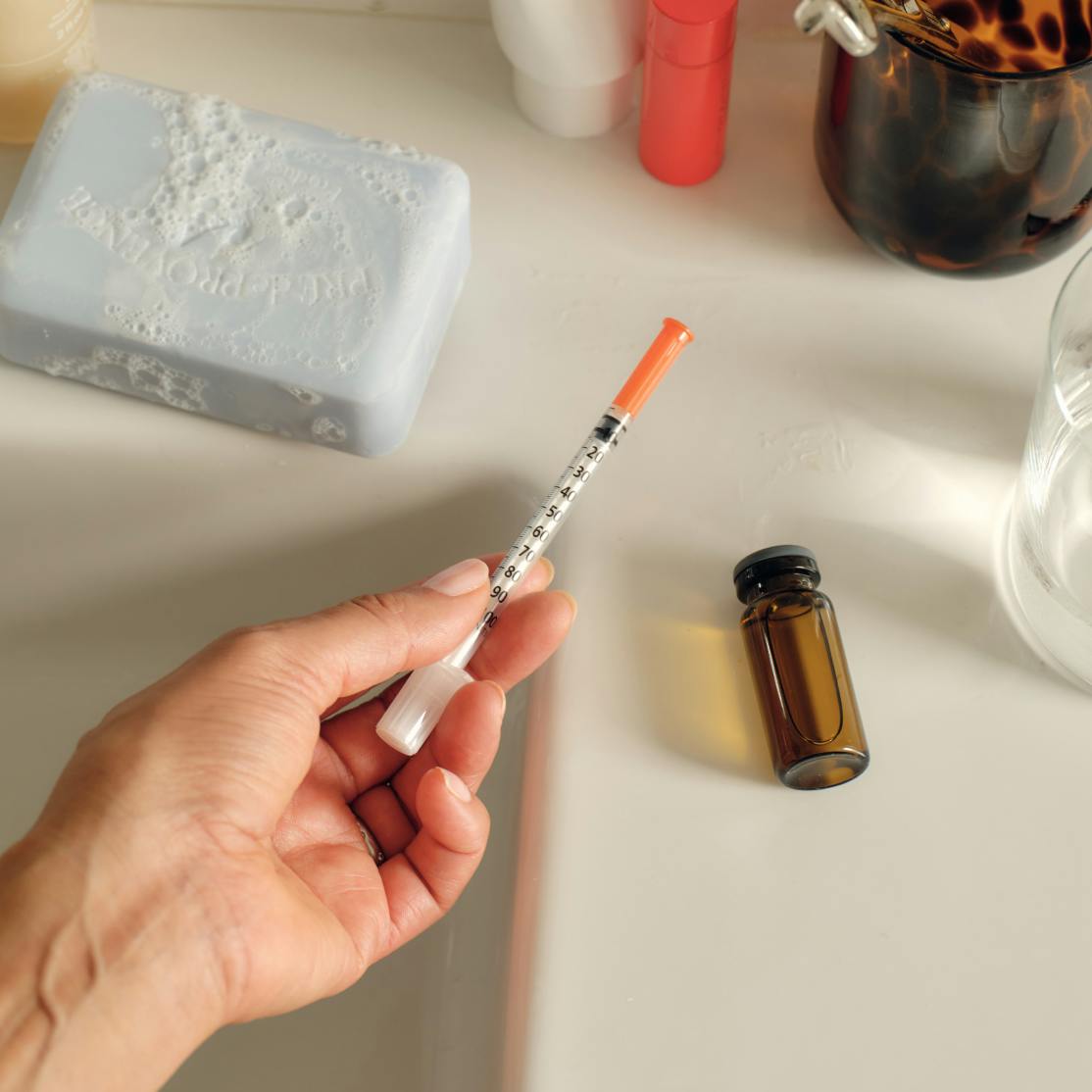


If you’re experiencing Zepbound diarrhea, chances are you want it to stop—and fast. But before you go to extremes like stopping your weight loss medication, know that diarrhea is a common, temporary side effect that you can usually manage with changes to your diet and, when needed, your dosing schedule. Just be sure to talk with your clinician before adjusting your dose or making any other changes. Midi Health clinicians can help you manage side effects while keeping your weight loss goals on track.
Dealing with Zepbound diarrhea? It's a common side effect, though not exactly a welcome one, especially when you're starting treatment or increasing your dose. Fortunately, it’s usually mild and temporary for most people.
The once-weekly injection contains tirzepatide, a medication that helps manage appetite and support weight loss. It’s FDA approved for weight management and treating obstructive sleep apnea in adults with obesity.
Between the sudden bathroom trips and worrying whether the medication agrees with you, your day can be really disrupted by tirzepatide diarrhea. And if you're going through perimenopause or menopause, hormone shifts and digestive changes may be adding to the frustration.
The good news? You can find relief. We'll go over why Zepbound may cause diarrhea, how long it usually lasts, what can help, and when it's time to check in with a healthcare professional, such as a Midi clinician.
Does Zepbound Cause Diarrhea? What the Clinical Trials Show
Yes, it can—in clinical trials, diarrhea was one of the most common Zepbound side effects. About 1 in 5 people taking the medication experienced diarrhea, compared with fewer than 1 in 10 people taking a placebo. Rates also varied by dose, ranging from 19% at 5 milligrams (mg) to 23% at 15 mg.
Diarrhea wasn't the only gastrointestinal (GI) side effect, either. Nausea was even more common, and participants also reported constipation, vomiting, and abdominal pain.
Still, most GI side effects were mild to moderate and happened when people increased their dose. Rest assured that diarrhea is typically concentrated when moving up from dose to another, and typically improves with time. And fewer than 5% of participants stopped taking Zepbound because of GI side effects, depending on their dose.
You may notice a similar pattern with Mounjaro, another medication that contains tirzepatide but is FDA approved for type 2 diabetes. Mounjaro diarrhea is also among its most commonly reported side effects.
Of course, everyone responds differently. Some women experience diarrhea when starting treatment or increasing their dose, while others may never have it at all.
Why Does Zepbound Cause Diarrhea?
So, why does Zepbound cause diarrhea? Researchers aren't entirely sure. But it likely has something to do with how tirzepatide affects the digestive system. The medication activates two hormone receptors, GIP and GLP-1, that help regulate appetite and blood sugar. It also slows stomach emptying, changing how quickly food moves through your digestive tract.
Researchers don't fully understand how these changes lead to diarrhea. They're also exploring whether Zepbound affects gut hormones, bile acids, and gut bacteria—all of which help regulate digestion and can influence bowel movements. But these theories haven’t been proven.
Your diet can also make a difference. High-fat or greasy meals and large portions can make diarrhea worse, along with too much caffeine, alcohol, or sugar alcohols (sweeteners commonly found in sugar-free foods).
It can also take time for your body to get used to Zepbound. That's why diarrhea may start when your dose goes up, then subside over time.
How Long Does Zepbound Diarrhea Last?
There's no set timeline for how long Zepbound diarrhea lasts, but it often gets better as your body adjusts to the medication. Research on GLP-1 medications suggests that diarrhea usually starts within the first 4 weeks of treatment, with symptoms lasting about 3 days in some clinical trials involving people with obesity.
The standard dose schedule for Zepbound starts at 2.5 mg once per week, with increases of 2.5 mg after at least 4 weeks at the current dose. But it's not just about when your dose increases; how much you're taking may matter, too. A 2025 analysis of clinical trials found that diarrhea was most common among people taking the highest dose of tirzepatide (15 mg). The trials included people with overweight or obesity, most of whom also had type 2 diabetes.
Since diarrhea often occurs during dose increases, you might feel better for a while, only to have symptoms return when you move up to a higher dose.
So, how can you tell if things are improving? Pay attention to how often you have diarrhea, how urgently you need to use the bathroom, and whether your symptoms are becoming easier to manage.
Most importantly, know that you don't have to tough it out. Zepbound diarrhea is typically mild to moderate, and it tends to show up during dose escalation before fading over time as your body adjusts. But if symptoms are persistent or disruptive, they deserve attention. Your clinician can help you find relief and decide whether your treatment plan needs adjusting, such as slowing or pausing dose increases.
Why Midlife Women May Notice GI Side Effects More
If you’re in perimenopause or menopause, you may already be dealing with digestive changes before adding a GLP-1 to the mix. Fluctuating estrogen and progesterone levels can affect gut motility and bowel habits, contributing to symptoms like bloating, constipation, or diarrhea. That doesn't necessarily mean Zepbound or another GLP-1 will cause worse side effects, but it may make it harder to tell what's behind your symptoms.
Other midlife changes can add to the frustration. Pelvic floor issues and bladder urgency, for example, may already have you making frequent bathroom trips. Add in diarrhea, and those disruptions can be even more difficult to manage.
As if that wasn't enough, diarrhea can also make it harder to stay hydrated, especially if you're already losing fluids from hot flashes or night sweats. And if you're eating less because of Zepbound or dealing with ongoing stomach issues, you may struggle to get enough protein, calcium, and fiber to keep your muscles, bones, and digestion healthy.
There's one other thing to keep in mind if you take birth control pills: Zepbound slows gastric emptying (how quickly food and pills leave your stomach), which can reduce how well your body absorbs oral contraceptives. That's why the prescribing label recommends switching to a non-oral birth control method or using a backup method, like condoms, for 4 weeks after starting Zepbound and again for 4 weeks after every dose increase.
If you’re unsure which symptoms are related to hormonal changes and which may be due to your weight loss medication, talk with a clinician, like one of the women’s health experts at Midi. They can help you sort out what's happening and find ways to manage your symptoms.
How to Manage Zepbound Diarrhea at Home
Zepbound diarrhea treatment often starts with simple steps you can take at home:
- Stay hydrated: Sip water or clear fluids throughout the day, especially if you're having frequent diarrhea. A low-sugar electrolyte drink can also help replace fluids and salts you've lost. But skip the straw, since drinking through one can contribute to gas and bloating. And watch for signs of dehydration like dark urine, urinating less often, dizziness, and dry mouth.
- Choose bland foods: Stick with lean protein and lower-fat options such as rice, bananas, cooked carrots, and broth-based soups that are gentler on your stomach.
- Know what to limit: Cut back on greasy or fried foods, very high-fiber or gas-producing foods, and dairy if it seems to worsen your symptoms. Skip sugar alcohols, caffeine, and alcohol until the diarrhea settles.
- Eat smaller, more frequent meals: This may be easier on your stomach than eating a few large meals. Take your time eating, and stop when you feel full.
- Give yourself time to recover: Rest when you need to, and stick with gentle movement if you feel up to it. Avoid strict elimination diets unless your clinician recommends them.
- Keep track of your symptoms: Note what you eat, when you take your injection, and when diarrhea occurs. This can help you and your clinician spot patterns or possible triggers.
Can Dose Pacing Help? Starting Low and Going Slow
If you're struggling with Zepbound diarrhea, slowing down your dose increases (with the guidance of a clinician) may help. The Zepbound dose schedule takes a “start low, go slow” approach, beginning with 2.5 mg once per week to help your body adjust to the medication before moving to higher doses for weight loss.
Your clinician may recommend staying at your current dose longer or even returning to a lower dose if you have persistent diarrhea. But don't split doses, skip injections, or change your schedule without checking with your clinician first. Making changes on your own could worsen side effects or change how well the medication works. If you miss a dose, you can take it within 4 days (96 hours) of your scheduled injection. If more than 4 days have passed, skip the missed dose and take the next one on your regularly scheduled day.
At Midi, your clinician can adjust your dosing schedule based on how you feel and respond to treatment. Moving to a higher dose more slowly doesn't mean Zepbound isn't working—the real goal is finding the right dose that gives you results without causing unnecessary side effects.
True Stories Of Transformation
Medications and Supplements: What to Ask Before Taking Anything
If you’re running to the bathroom on Zepbound, it’s only natural to want to reach for something to stop your symptoms. Imodium (loperamide) is one common option, but check with your clinician before taking an over-the-counter antidiarrhea medication, especially if you have a fever, bloody stools, or severe stomach pain. These symptoms need medical attention rather than self-treatment.
You might also be wondering whether supplements can help. Probiotics may support gut health, but there's limited evidence that they relieve diarrhea caused by GLP-1 medications. Soluble fiber supplements, like psyllium, absorb water and can help firm up loose stools. Still, neither option is a proven treatment for Zepbound diarrhea, so it's worth checking with your clinician before trying one.
Before trying anything new, you should also consider what you're already taking. Some medications, like metformin, can cause diarrhea. And because Zepbound slows stomach emptying, it can affect how your body absorbs certain oral medications, potentially changing their effectiveness.
Keep in mind that GI treatments aren't one-size-fits-all. Medications that help with nausea won't necessarily help with diarrhea and vice versa.
Let your clinician know about all the medications and supplements you take so they can help you figure out what's safe to try and what might be making your symptoms worse.

When to Seek Care: Warning Signs to Know
While Zepbound diarrhea is a common side effect of the medication, there are some situations where you should contact your clinician or seek medical attention. Watch for these warning signs:
- Diarrhea that lasts more than a few days or gets worse after a dose increase.
- Dizziness, very dark urine, reduced urination, or a rapid heartbeat, which can signal dehydration and increase the risk of kidney problems.
- Severe or persistent abdominal pain, with or without vomiting, which could signal pancreatitis or gallbladder problems and requires immediate medical attention.
- Fever or chills, blood in the stool, or black, tarry stools.
- Unintended rapid weight loss, trouble keeping fluids down, or other symptoms that interfere with daily life.
Don't wait to seek in-person medical help if you have severe, persistent, or worsening symptoms. For less urgent symptoms, talk with your clinician before changing or stopping Zepbound. They can help determine whether you need to adjust your treatment.
Should You Switch or Stop Zepbound Because of Diarrhea?
The good news is that most people don't need to stop taking Zepbound because of diarrhea. Making dietary changes, taking steps to manage symptoms, or adjusting your dose schedule with your clinician’s approval can help, and diarrhea tends to improve over time.
But if Zepbound diarrhea persists or becomes difficult to manage despite these changes, it may be time to discuss other options with your clinician, especially if you're dealing with multiple side effects. They may recommend semaglutide or discuss other weight loss options, including medications that aren’t GLP-1s. The best choice depends on your health history, treatment goals, and preferences.
Check with your clinician before stopping Zepbound or making any other changes to your dose schedule. If you stop tirzepatide, you may regain some of the weight you've lost, especially as your appetite returns. Having that conversation beforehand can help you make a plan to manage side effects and maintain your progress.
At Midi, we know that managing your weight in midlife isn't always straightforward. Our clinicians can work with you to find a treatment approach that fits your needs, goals, and any symptoms.
Key Takeaways
- Diarrhea is one of the most common side effects of Zepbound, affecting about 1 in 5 people in clinical trials.
- Zepbound diarrhea is most common when starting treatment or increasing your dose and tends to improve over time as your body adjusts. Midlife hormone changes can also affect digestion, making it harder to pinpoint what's causing your symptoms.
- Staying hydrated, eating smaller, lower-fat meals, and avoiding foods that make your symptoms worse can help you manage diarrhea at home.
- Slowing down dose increases may help with persistent diarrhea, but always check with your clinician before changing your Zepbound dosing schedule.
- Contact your clinician if diarrhea persists or worsens or if you notice warning signs such as dehydration, severe abdominal pain, fever, or blood in your stool.
- Persistent diarrhea doesn’t necessarily mean you need to stop Zepbound. Most people can manage their symptoms without stopping treatment, but your clinician can help you explore other options if needed.
Frequently Asked Questions (FAQs)
How long until Zepbound diarrhea goes away?
Zepbound diarrhea often occurs when you start treatment or increase your dose and tends to improve over time as your body adjusts. While there’s no universal timeline, the typical median duration is less than 10 days for diarrhea. If diarrhea lasts more than a few days, gets worse, or makes it hard to stay hydrated or go about your day, contact your clinician.
Does Zepbound cause dumping syndrome?
Zepbound can cause diarrhea and other gastrointestinal symptoms, but that doesn’t necessarily mean you have dumping syndrome. Dumping syndrome occurs when food moves too quickly from the stomach into the small intestine and is most commonly associated with stomach or esophageal surgery. Talk with your clinician about persistent or severe symptoms.
How to stop diarrhea fast on Zepbound?
Start with hydration and gentle foods. Sip water throughout the day; consider low-sugar electrolyte drinks if diarrhea is frequent; and choose smaller, lower-fat meals. Avoid foods or drinks that worsen symptoms. If diarrhea persists, ask your clinician whether taking an over-the-counter antidiarrheal or slowing down your dose increases might help.
What causes explosive liquid diarrhea?
Very watery or urgent diarrhea can have many causes, including infections and digestive conditions. It can also be a side effect of medications like Zepbound. If diarrhea is severe or persistent or comes with fever, blood in your stool, severe abdominal pain, or signs of dehydration, contact your clinician.
Can you take Imodium for diarrhea caused by Zepbound?
Imodium (loperamide) may help relieve Zepbound diarrhea in the short term. But check with your clinician before trying it, especially if you have a fever, blood in your stool, or severe abdominal pain. They can also help you decide whether you need to adjust your Zepbound dose or slow down dose increases.
What are the most common Zepbound side effects in females?
Common Zepbound side effects include nausea, diarrhea, vomiting, constipation, and stomach pain. Hair loss can also occur, though it’s uncommon. Midlife hormone changes can also cause overlapping digestive symptoms, making it harder to pinpoint what's causing them.
If you’re in perimenopause or menopause and want guidance from clinicians who specialize in women’s midlife health, book a virtual visit with Midi today.
Hormonal change is at the root of dozens of symptoms women experience in the years before and after their period stops.
Our trained menopause specialists can help you connect the dots to guide you towards safe, effective solutions.
Whether you need personalized guidance or a prescription routine to tackle symptoms—including brain fog, hot flashes, sleep trouble, mood swings, and weight gain—we’ve got you covered. Learn more here.
Midi’s mission is to revolutionize healthcare for women at midlife, wherever they live and whatever their health story. We believe that starts with education, to help all of us understand our always-changing bodies and health needs. Our core values guide everything we do, including standards that ensure the quality and trustworthiness of our content and editorial processes. We’re committed to providing information that is up-to-date, accurate, and relies on evidence-based research and peer-reviewed journals. For more details on our editorial process, see here.