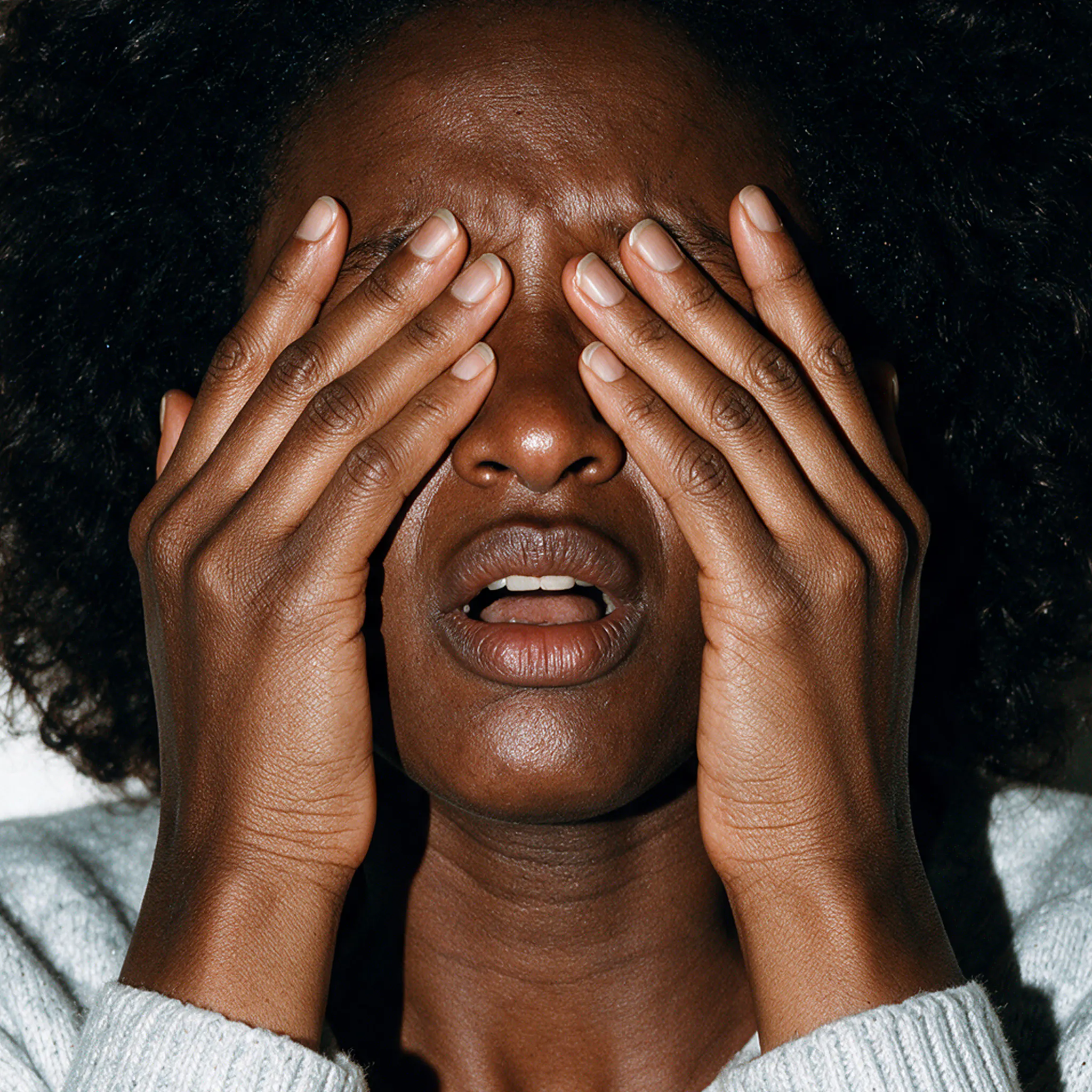


Panic attack symptoms in women can vary, but they often come on suddenly and leave you feeling like you're losing control, your heart is racing, or you can't catch your breath. Symptoms typically peak within minutes and may gradually ease up after that, but they can be pretty frightening in the moment.
Hormonal changes during perimenopause can make some women more vulnerable to anxiety and panic attacks. While they can feel scary, panic attacks typically aren’t dangerous. That said, some symptoms, like shortness of breath, overlap with those of a heart attack, so it’s important to know when to seek emergency care.
Keep reading to learn more about perimenopause panic attacks, what they feel like, and how a healthcare professional can help.
From the name alone, you can probably guess that a panic attack can be pretty alarming. In a woman, panic attack symptoms can include a sudden surge of fear, a racing heart, chest pain, and sweating.
But here’s where things get confusing: Chest pain or pressure can also sometimes signal a heart attack, so it's important to call 911 if you're experiencing these symptoms, rather than assuming it's a panic attack.
Other symptoms, like sweating and a rapid heart rate, can overlap with hot flashes during the menopause transition. And while panic attacks can happen to anyone, women are more likely than men to develop anxiety disorders, including panic disorder. That makes it especially important to recognize the signs of a panic attack in women and know when something else might be going on.
So, let's clear things up. Below, learn what panic attacks feel like, why they can happen during perimenopause, how to distinguish them from other conditions, and which treatments can help.
What Are Panic Attack Symptoms in Women?
Panic attack symptoms start suddenly and typically peak within 10 minutes or so. They can cause intense feelings of fear or losing control, even when there's no obvious danger or trigger.
Physical symptoms can include:
- chest pain
- racing heart or heart palpitations
- flushing and sweating
- chills or sudden feelings of heat
- nausea, stomach pain, or diarrhea
- trouble breathing
- shaking or trembling
- tingling or numbness
- dizziness or lightheadedness
- a choking sensation
Psychological symptoms can include:
- intense uneasiness or fear
- fear of dying, losing control, or impending doom
- a feeling of watching yourself from outside your body or that your surroundings aren't real
Clinicians usually look for at least 4 of these symptoms happening at the same time to diagnose a panic attack. But some people have a limited-symptom attack, which involves fewer than 4 symptoms yet can still be distressing.

Are Panic Attack Symptoms Different in Women Than in Men?
Signs of a panic attack in women are generally the same as they are in men.
That said, older research suggests that women may be more likely to report certain symptoms than men, including shortness of breath, a choking sensation, and feeling faint or smothered.
It's not entirely clear whether these differences are due to hormonal fluctuations, differences in stress levels, or the way symptoms are recognized and reported.
But no matter the underlying cause, women’s panic attack symptoms may be shrugged off as “just” stress—or, worse still, heart attack symptoms may be mistaken for “just” anxiety.
That makes it all the more important for you to get familiar with your own stress responses and know what’s not normal for you, so you can talk with a clinician about changes when they arise.
What Does a Panic Attack Feel Like?
So, what does a panic attack feel like? Imagine a sudden wave of fear washing over you, seemingly out of nowhere. Your heart starts pounding, your chest feels tight, and you might feel dizzy or like you can't catch your breath. You may even feel certain something is terribly wrong.
Essentially, your body snaps into fight-or-flight mode as if you're facing a real threat, even if you’re not in danger. This triggers a rush of adrenaline that intensifies those physical symptoms.
It's no wonder that these symptoms can seem like signs of a heart attack or that something else is seriously wrong.
Why Can Panic Attacks Start During Perimenopause?
You might find yourself dealing with panic attacks for the very first time in your 40s or 50s, even without any prior history of anxiety. One reason? Fluctuating and declining estrogen and progesterone levels during perimenopause can affect your brain chemistry.
For starters, estrogen helps regulate brain chemicals like serotonin and dopamine that affect your mood. And progesterone supports calming pathways in the brain that affect how you respond to stress. As these hormones shift during the menopause transition, some women may have new or worsening panic attacks or even develop panic disorder.
Hormones aren't the only factor, though. Symptoms like hot flashes and night sweats can disrupt your sleep and heighten anxiety, potentially making panic symptoms worse. Plus, you might already be juggling midlife stressors like caregiving, work demands, and concerns about your health.
Is It a Hot Flash, Heart Palpitations, or a Panic Attack?
Hot flashes, heart palpitations, and panic attacks can feel surprisingly similar, especially during perimenopause. That's because they share symptoms like a racing heart, sweating, and anxiety, which makes it hard to tell what's causing what.
Hot flashes can bring a sudden rush of heat and a feeling of unease that’s similar to panic. Perimenopause heart palpitations can happen during a hot flash or panic attack or on their own. Hot flashes and panic attacks can also fuel anxiety, potentially creating a cycle where symptoms only get worse.
So, how do you tell them apart? Keep these key differences in mind:
- Hot flashes usually start with a spreading sensation of heat in your chest, neck, and face, and they can be accompanied by heart palpitations and anxiety.
- Heart palpitations feel like a racing, pounding, fluttering, or irregular heartbeat and can occur during a hot flash or panic attack; they can also happen without any other symptoms.
- Panic attacks often involve intense feelings of fear or danger, along with physical symptoms like a racing heart, sweating, and chest tightness.
Research suggests that up to 42% of women report palpitations during perimenopause, so they’re pretty common—and often harmless. Still, talk with a clinician if palpitations are new, frequent, or start to get worse. Seek emergency medical care if palpitations come with chest pain, shortness of breath, or fainting.
Tracking your episodes can help your clinician figure out what's going on. Note when they happen, what symptoms you experience, how long they last, and any possible triggers.
Panic Attack vs. Heart Attack in Women: When Should You Call 911?
It’s not always easy to know whether you're having a panic attack or a heart attack. Rather than assume it’s panic, take any possible heart attack symptoms seriously, especially because the risk of heart problems rises after menopause.
Call 911 if you experience possible heart attack warning signs like these:
- chest pain or pressure that may spread to your jaw, shoulder, or arm
- shortness of breath or trouble breathing
- dizziness or lightheadedness
- fainting or sudden weakness
Heart attack symptoms in women can sometimes look different than in men. While chest pain or pressure is still the most common symptom, some women also experience:
- upper back, jaw, or neck pain
- nausea, vomiting, or an upset stomach
- unusual fatigue
So, when it comes to a panic attack versus a heart attack, clinicians usually look at several clues, including how symptoms start, how long they last, and what seems to trigger them. Heart attack symptoms may persist or worsen, sometimes with exertion, while panic attack symptoms often peak within minutes and then ease.
But because panic attack and heart attack symptoms can overlap, these subtle distinctions aren’t enough to self-diagnose. You should always seek emergency care if you think you could be having a heart attack.
What Else Can Cause Symptoms Like a Panic Attack?
Panic attacks aren't the only thing that can cause a racing heart, sweating, or dizziness. Your clinician may ask about your health history, do a physical exam, and order blood tests to rule out other possible causes, including:
- Thyroid problems: An overactive thyroid can cause a racing heart, anxiety, trembling, and sweating.
- Low blood sugar: When your blood sugar drops too low, you may feel shaky, sweaty, dizzy, or anxious.
- Breathing conditions: Asthma and COPD can cause shortness of breath or chest tightness.
- Heart rhythm problems: An irregular heartbeat, such as atrial fibrillation, can cause palpitations, dizziness, or shortness of breath.
- Substances and medications: Alcohol, caffeine, nicotine, cannabis, and stimulants can trigger anxiety or panic-like symptoms. So can withdrawal from alcohol and certain medications.
Checking for other causes is a routine part of evaluating panic-like symptoms. It doesn't necessarily mean something serious is wrong.
What Causes Panic Attacks in Women?
Panic attacks don’t always have one clear cause. Often, they’re linked to a combination of factors that aren’t necessarily specific to women, such as:
- major life stressors or changes, such as the death of a loved one, a divorce, or becoming a parent
- traumatic events like abuse or assault
- a history of trauma
- a family history of panic attacks or panic disorder
- other mental health conditions, such as anxiety or depression
Hormonal changes can also affect your mood and mental health. Some women notice more anxiety or panic symptoms before their period, after childbirth, or during perimenopause when estrogen and progesterone levels fluctuate. Women with premenstrual dysphoric disorder may have particularly severe anxiety before their period.
Other factors, like poor sleep and heavy caffeine or alcohol intake, can also make you more vulnerable to panic symptoms.
Whatever the cause, you don't have to deal with panic attacks on your own. While Midi clinicians do not currently treat panic attacks or panic disorder, they can help address midlife concerns, like hormonal changes and sleep problems, that may contribute. They can also connect you with dedicated behavioral health resources or a mental health specialist for evaluation and treatment.

When Do Panic Attacks Become Panic Disorder?
Having an occasional panic attack doesn't necessarily mean you have panic disorder. Panic disorder involves repeated, unexpected panic attacks, along with ongoing fear of having another one or changes in your behavior because of them.
More specifically, a clinician may diagnose panic disorder when repeated, unexpected panic attacks are followed by at least 1 month of either:
- persistent worry about having another panic attack or what might happen if you do
- changes in behavior, such as avoiding certain places, activities, or situations out of fear of another attack
In some cases, this avoidance can be associated with agoraphobia, a fear of situations where escaping or getting help might be difficult. Clinicians also check whether symptoms could be better explained by another health condition, medication, substance use, or mental health condition.
If panic attacks keep happening, disrupt your sleep, work, or relationships, or cause you to avoid everyday activities, talk with a clinician. Panic disorder is treatable, and you don't have to manage it on your own.
What Are the Treatment Options for Panic Attacks?
Panic attacks and panic disorder are treatable, and several options can help reduce symptoms and prevent future attacks. If you're having ongoing panic attacks or have panic disorder, a clinician may recommend one or more of the following treatments:
- Cognitive behavioral therapy: This form of talk therapy helps you recognize and change thoughts and behaviors that contribute to panic attacks. It’s considered a first-line treatment for panic disorder.
- SSRIs and SNRIs: These prescription antidepressants can help reduce the frequency and severity of panic attacks. They generally have fewer potential side effects than some older antidepressants.
- Lifestyle changes: Healthy habits won't replace treatment for panic disorder, but they can help you manage stress and anxiety. Helpful strategies include practicing mindfulness meditation and deep breathing exercises, getting enough sleep, exercising regularly, and limiting caffeine and alcohol.
- Supplements (potentially): Some people take supplements like magnesium and L-theanine for anxiety, but research on their benefits for panic attacks is limited. Check with a clinician before trying supplements, especially if you take other medications.
If you're dealing with anxiety alongside hot flashes or sleep problems, hormone therapy may help with some of those menopause symptoms. But it isn't an established treatment for panic attacks or panic disorder.
The right treatment for panic attacks depends on your symptoms, health history, and whether you have panic disorder or another underlying condition. A trusted clinician can help you decide what makes sense for you.
How to Talk With a Clinician About Panic Symptoms at Midlife
If you’re experiencing perimenopause panic attacks, your primary care doctor or a mental health specialist is the best place to start for evaluation and treatment. To prepare for your visit, try keeping a simple log of your episodes, including when they happen, how long they last, what they feel like, and any possible triggers. Note whether they seem connected to your menstrual cycle, hot flashes, or sleep problems.
Be sure to mention any personal or family history of heart problems, along with other health concerns and medications you take. This can help your clinician consider possible causes beyond anxiety or hormonal changes.
It can also be helpful to write down a few questions to ask during your visit, such as:
- Could perimenopause be contributing to my panic attacks?
- What other health conditions should we rule out?
- Which treatment options would be best for me?
- Could this be panic disorder or another anxiety condition?
- When should I follow up about my symptoms or treatment?
You don’t have to navigate these concerns alone, either. The menopause-trained clinicians at Midi can help you manage hormonal changes, sleep problems, and other midlife health issues that may contribute to panic or anxiety symptoms. They can also connect you with mental health resources or a specialist for targeted care.
Key Takeaways
- In a woman, panic attack symptoms can include chest pain, a racing heart, flushing, sweating, nausea, trouble breathing, trembling, and dizziness. Panic attacks also often bring a sense of doom or danger, even when there's no obvious threat.
- Women are more likely than men to develop anxiety disorders, including panic disorder. During perimenopause, hormonal changes, hot flashes, and poor sleep may also contribute to new or worsening panic symptoms.
- It’s not always easy to tell whether you’re having a panic attack or a heart attack because symptoms can overlap. Seek emergency medical care if you have chest pain or pressure, trouble breathing, or other possible heart attack warning signs.
- Talk with a clinician if you’re having repeated panic attacks, especially if they're affecting your daily life. Your clinician can help rule out other causes and recommend treatments like cognitive behavioral therapy or antidepressants, along with healthy lifestyle changes.
Frequently Asked Questions (FAQs)
How to get yourself out of a panic attack?
There’s no guaranteed way to stop a panic attack immediately, but some strategies that might help include slow, deep breathing; reminding yourself the feeling will pass; relaxing your muscles; and taking any medications you’ve been prescribed for anxiety as directed.
How to tell if panic attack or anxiety attack?
A panic attack is a recognized clinical term, while an anxiety attack isn't an official diagnosis. Many people use the two terms to mean the same thing. But a panic attack is a sudden wave of fear, accompanied by physical symptoms. Anxiety typically builds more gradually over time and may feel like intense worry or stress.
What are some common physical symptoms of anxiety?
Common physical symptoms of anxiety include a racing heart, chest pain, trouble breathing, dizziness, sweating, or tingling.
How long does a panic attack last?
Panic attacks usually last 5 to 20 minutes and peak within minutes, though some can last longer.
Can you have a panic attack in your sleep?
Yes. Nocturnal panic attacks can wake you from sleep with sudden fear and physical symptoms like a racing heart or sweating.
If you’re in perimenopause or menopause and want guidance from clinicians who specialize in women’s midlife health, book a virtual visit with Midi today.
Hormonal change is at the root of dozens of symptoms women experience in the years before and after their period stops.
Our trained menopause specialists can help you connect the dots to guide you towards safe, effective solutions.
Whether you need personalized guidance or a prescription routine to tackle symptoms—including brain fog, hot flashes, sleep trouble, mood swings, and weight gain—we’ve got you covered. Learn more here.
Midi’s mission is to revolutionize healthcare for women at midlife, wherever they live and whatever their health story. We believe that starts with education, to help all of us understand our always-changing bodies and health needs. Our core values guide everything we do, including standards that ensure the quality and trustworthiness of our content and editorial processes. We’re committed to providing information that is up-to-date, accurate, and relies on evidence-based research and peer-reviewed journals. For more details on our editorial process, see here.