 Rebecca Yee, MD

A hot flash is the worst kind of interruption. The intense heat and sweating can make you forget what you were saying to your kids, lose focus in an important meeting, or wake you up from a deep sleep. Not only are hot flashes uncomfortable, but they can also feel truly unfair. So keep reading if you’re wondering: “Why am I getting hot flashes in the first place?” We’ll cover what causes hot flashes, what you can do about them, and how a menopause-informed healthcare professional—like a Midi Health clinician—can help.
Once you have a few hot flashes, they become pretty recognizable: the sudden wave of heat rising from your chest and into your neck and face. The flushed cheeks, pounding heart, and sweaty skin. The clammy chill left behind afterward.
So, what gives? What causes hot flashes in women?
Most of the time, hot flashes in your 40s and 50s are caused by fluctuating estrogen levels that affect your brain’s temperature control. This is extremely common: About 75% of women experience hot flashes around menopause, and they’re usually not a sign of anything serious (although they can be seriously disruptive!). Still, in some cases, thyroid issues, anxiety, or medications might be sparking the same sweaty reaction.
So, how do you know whether it’s menopause or something else? Keep reading to learn more about hot flashes causes, how to tell the different causes apart, and what to expect when you talk with a healthcare professional—including a Midi clinician—about your symptoms. (And if you’re just looking for relief ASAP, check out our guide to stopping hot flashes fast!)
What Is Actually Happening in the Body During a Hot Flash?
Ever wonder why you can go from feeling perfectly comfortable to burning up in a matter of seconds? Let's channel Ms. Frizzle for a quick science lesson to answer that burning question: “Why am I getting hot flashes?”
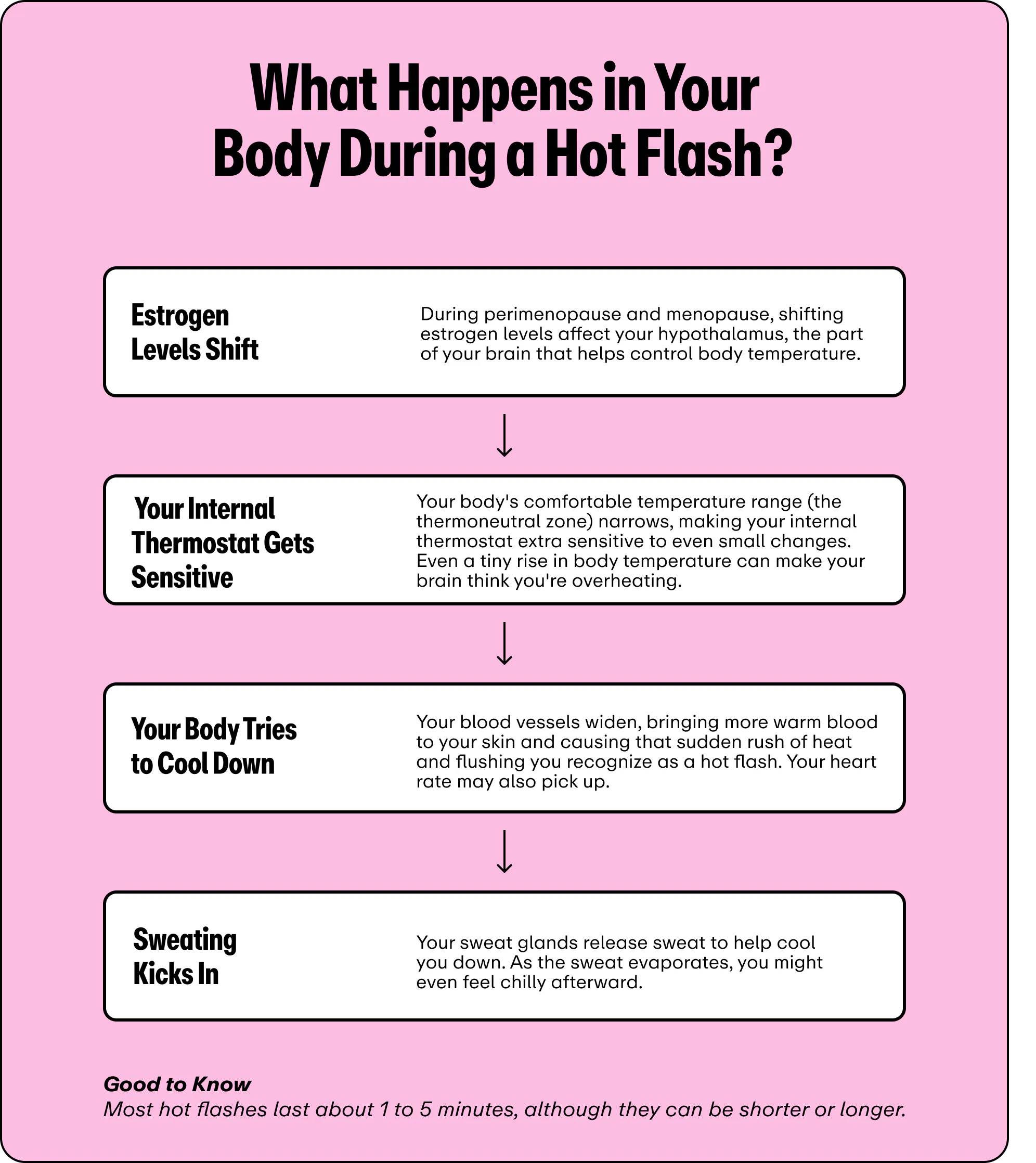
Meet your hypothalamus, the part of your brain that acts like your body's thermostat. It helps control your body temperature, making sure you don't get too hot or too cold.
Most of the time, we all operate in what’s sometimes called a thermoneutral zone. This is a small temperature range within which your body feels comfy; you’re not sweating to cool down, and you’re not shivering to warm up.
But as estrogen levels fluctuate and eventually decline during perimenopause and menopause, these hormonal changes affect brain cells called KNDy neurons, which help regulate your body temperature. This narrows your thermoneutral zone, making your internal thermostat extra sensitive to temperature changes.
When that happens, even a tiny rise in body temperature can trick your brain into thinking you're overheating. Your blood vessels widen, bringing more warm blood to your skin and causing that sudden flushed feeling. Your heart rate may pick up, and your sweat glands kick into gear to help cool you down. As the sweat evaporates, you might even feel chilly afterward.
The whole shebang typically lasts about 1 to 5 minutes, though it can be longer or shorter than that. When you have a hot flash at night, it's called a night sweat, and it might even wake you up. Hot flashes and night sweats are both known as vasomotor symptoms of menopause, and they're essentially the same process happening at different times.
What Causes Hot Flashes During Perimenopause and Menopause?
Here's where hormones come into play. When estrogen levels shift and eventually decline, even minor changes in body temperature can set off a hot flash. That's why they're so common during perimenopause and after menopause.
During perimenopause, your estrogen levels can fluctuate wildly, even while you're still getting regular periods. This is often when hot flashes start.
“It’s easy to dismiss your first hot flash,” Midi Clinician Sonya Carothers, APRN, PhD, FNP, previously explained. “Another one might not happen for another 3 to 4 years.”
And even after you’ve gone 12 months in a row without a period (when you’ve officially reached menopause), your estrogen levels generally remain low. This can keep your thermoneutral zone narrow, meaning hot flashes and night sweats can linger.
Hot flashes and night sweats tend to become more common as menopause approaches, with symptoms peaking around the time your periods stop before gradually declining afterward. The Study of Women’s Health Across the Nation (SWAN) found that frequent hot flashes and night sweats lasted a median of about 7 years, though some women experienced them for 14 years or longer. And the earlier your symptoms start, the longer they’re likely to last.
Some women may be more likely to experience hot flashes than others. For example, they’re more common in women who smoke or have obesity, even though plenty of women experience them without either risk factor.
Research shows that how often women experience hot flashes and night sweats can vary across racial and ethnic groups. A 2024 SWAN study found that Black women experienced frequent symptoms more often than white women. The researchers suggested that discrimination (a psychological stressor that may contribute to vasomotor symptoms) may help explain some of this difference, but the reasons for the disparity aren't fully understood.
And it's not just how often hot flashes happen. Their severity can differ, too. Another 2024 study found that Hispanic women reported more severe hot flashes and night sweats, while Asian and South Asian women generally reported similar symptom severity to white women. Of course, these are patterns across groups, and every woman's experience is different.

Hormonal Causes That Are Not Natural Menopause
What causes hot flashes besides menopause? Other hormonal changes can trigger the same vasomotor symptoms, including:
- Surgical menopause: If you have both ovaries removed before you reach menopause naturally, you experience an immediate drop in estrogen. This puts you into what’s called surgical menopause, which can cause hot flashes and other menopause symptoms. Because the hormonal change is so sudden, hot flashes may be more frequent and severe than those during natural menopause.
- Treatment-induced menopause: Chemotherapy or radiation to the pelvis can damage your ovaries, causing estrogen levels to drop. This can temporarily or permanently affect ovarian function, sometimes leading to medical menopause. Hot flashes and other menopause symptoms may start pretty suddenly.
- Medication-induced hormone suppression: Certain medications can also lower estrogen levels or block its effects, triggering hot flashes. These include breast cancer treatments like tamoxifen and aromatase inhibitors, as well as medications used for conditions like endometriosis and uterine fibroids, such as GnRH agonists and antagonists.
- Primary ovarian insufficiency: For reasons clinicians don’t entirely understand, some women experience primary ovarian insufficiency, when the ovaries stop working normally before age 40. It can cause irregular periods, hot flashes, and other symptoms. If you're experiencing hot flashes in your 30s, talk with a clinician to find out what's going on and whether treatment can help.
Other hormonal shifts, such as those that happen right before your period or after giving birth, can also trigger hot flashes or night sweats.
Is It Your Thyroid?
Menopause isn't the only possible explanation for feeling a sudden heat wave. So, what are hot flashes a sign of? Sometimes, it's an overactive thyroid. When your thyroid is overactive, it produces too much thyroid hormone, speeding up your metabolism and making you feel hot, flushed, and sweaty—just like you might during a hot flash or night sweat.
An overactive thyroid is 5 to 10 times more common in women than in men, and it's possible to experience thyroid problems and menopause symptoms at the same time. Plus, it can be hard to tell them apart because there’s so much overlap in symptoms, like mood changes and trouble sleeping.
So, how can you tell the difference? Some clues that your thyroid may be involved are feeling overheated more consistently rather than in sudden waves, shaky hands, a racing heart even when you're resting, unexplained weight loss, or more frequent bowel movements. Some people also develop bulging eyes.
But you don’t have to guess: A simple thyroid-stimulating hormone (TSH) blood test can help your clinician check how well your thyroid is working. Depending on the results, they may order additional tests. This can help identify a thyroid problem and guide your next steps, whether you're dealing with thyroid symptoms, menopause, or both.
Medications That Can Cause Hot Flashes
If your hot flashes started after a new medication or dose change, your prescription could be the culprit. Medications that can cause flushing, sweating, or hot flash-like symptoms include:
- Antidepressants: Now this is a little confusing: Some antidepressants, including certain SSRIs and SNRIs, can help treat hot flashes. But some can also cause sweating or flushing as a side effect, depending on the medication and dose.
- Corticosteroids: Steroids like prednisone can make you feel flushed and warm.
- Niacin: High doses of this B vitamin can widen blood vessels near your skin, causing sudden warmth and flushing.
- Opioids: These pain medications can cause sudden flushing and warmth.
- Diabetes medications: Insulin and certain other diabetes medications can cause low blood sugar, which may leave you feeling sweaty, shaky, or hot.
- Blood pressure medications: Some of these heart-protective medications, including calcium channel blockers, can cause flushing.
- Cancer treatments: As mentioned earlier, hormone-blocking treatments like tamoxifen and aromatase inhibitors can also cause hot flashes.
- Osteoporosis treatment: A bone-protecting medication called raloxifene works like estrogen in some parts of the body while blocking its effects in others. Common side effects include hot flashes and leg cramps, especially during the first few months of treatment.
If you think a medication might be causing your hot flashes, it’s really important not to stop taking it or adjust your dose on your own. That could disrupt your treatment. Instead, talk with your clinician and bring a list of your medications. They can help figure out what’s causing your symptoms and whether changing your dose, timing, or medication might help.
What Success Looks and Feels Like
Can Anxiety and Stress Cause Hot Flashes?
They sure can: Stress and anxiety activate your body's fight-or-flight response, releasing hormones like adrenaline and cortisol. Adrenaline can make your heart race and trigger flushing and sweating that feel a lot like a hot flash.
And there can be a bit of a vicious cycle here: Hot flashes can make you feel anxious, and that anxiety can make the sweating and racing heart worse. It may even make hot flashes feel more intense.
So, how can you tell menopausal hot flashes from a hot flash caused by anxiety? Anxiety-related episodes may come with racing thoughts, nervousness, or restlessness, while menopausal hot flashes can strike at any time, even when you're feeling calm.
Everyday Triggers: What Sets Off a Hot Flash
Hormonal changes can make your body's internal thermostat extra sensitive, but everyday triggers can help explain why a hot flash strikes at a particular moment.
For many women, hot flash triggers can include:
- Alcohol: Adult beverages dilate your blood vessels, which can make you flush and can interfere with your body's temperature regulation.
- Caffeine: Caffeinated drinks like coffee can increase your heart rate and may trigger hot flashes in some women.
- Spicy foods and hot foods or drinks: These can make you feel warmer and potentially set off a hot flash.
- Warm environments: Hot weather, a stuffy room, heavy blankets, and tight clothes can all make you uncomfortably hot.
- Smoking and vaping: Nicotine can affect blood vessels and hormone activity. Women who smoke tend to have more frequent and severe hot flashes.
Some women also notice they get hot flashes after eating, although some research suggests that hot flashes may be more common between meals when blood sugar dips. There are also some foods that fight hot flashes—like cruciferous veggies, whole grains, and legumes—that you might want to add to your regular diet.
If you’re not sure yet what triggers your hot flashes, try tracking your symptoms for 2 weeks. Note when hot flashes or night sweats happen, what you were doing, and how you were feeling. This can help you spot patterns without having to track every detail of your day.

When Hot Flashes Are Not Menopause: Less Common Causes and Red Flags
Most hot flashes in your 40s and 50s are related to hormonal changes. But occasionally, other health conditions can cause similar symptoms, including:
- Infections: Some infections, like the flu or tuberculosis, can cause fever, chills, and heavy night sweats.
- Certain cancers: Lymphoma and rare neuroendocrine tumors can cause night sweats or flushing.
- Adrenal gland tumors: Rare tumors, such as pheochromocytoma, can cause sudden sweating, a racing heart, and blood pressure spikes.
- Hyperhidrosis: This condition causes excessive sweating, often without the sudden wave of heat typical of a hot flash.
And if you're wondering whether hot flashes can be a sign of cancer, it’s uncommon. Hot flashes are much more likely to be caused by menopause or certain cancer treatments.
Still, some symptoms deserve a closer look. Talk with a clinician promptly if your hot flashes come with:
- persistent fevers, unexplained weight loss, swollen lymph nodes, or new drenching night sweats
- severe headaches, a racing heart, or sudden blood pressure spikes
- persistent diarrhea or wheezing with flushing
If you're under age 40 and experiencing recurring hot flashes, it's also worth getting checked out, since natural menopause is less likely at that age.
How Clinicians Figure Out What Is Causing Your Hot Flashes
It would be nice if figuring out what's causing your hot flashes were as simple as getting a blood test. But there's a little more to it. In fact, clinicians do most of their detective work by taking a thorough medical history. They’ll ask you about your menstrual cycle, when and how often hot flashes happen, other symptoms, and medications to help determine whether perimenopause or something else is behind your symptoms.
It helps to come prepared for your visit with a period and symptom tracker, a list of all the medications and supplements you take, and any patterns you’ve noticed about what makes your hot flashes better or worse.
No single blood test can diagnose perimenopause. Hormones, including estrogen and follicle-stimulating hormone (FSH), can fluctuate so much during perimenopause that a single test result might be misleading. But if the cause of your symptoms isn't clear, your clinician may recommend blood tests to check your thyroid function, blood sugar, or hormone levels when appropriate.m
What Helps: Treating the Cause vs. Managing the Symptom
Once a clinician has determined what's causing your hot flashes, they can help put together a treatment plan. The goal is to treat the underlying cause when possible, not just manage the symptoms.
If hormonal shifts during the menopause transition are behind your hot flashes, you may be a candidate for hormone replacement therapy (HRT, now commonly referred to as menopause hormone therapy, or MHT). Systemic estrogen, such as a pill or patch, is the most effective treatment for hot flashes and night sweats. If you have a uterus, you'll typically also need progesterone or a similar hormone to protect your uterine lining. But hormone therapy isn't right for everyone, including women with certain cancers or a history of blood clots or stroke.
If HRT isn’t a good fit or you’d prefer not to try it, there are also non-hormonal prescription treatments for hot flashes, including:
- certain antidepressants, including some SSRIs and SNRIs
- gabapentin, a medication used to treat nerve pain or seizures
- neurokinin receptor antagonists, which are newer medications that target the brain's temperature-control system
- oxybutynin, a medication typically used for overactive bladder that can also reduce hot flashes
Some lifestyle changes may also help you feel more comfortable, like avoiding your hot flash triggers, exercising regularly, and staying cool when you can. Cognitive behavioral therapy can also help you cope with hot flashes.
If all of this feels more than a little overwhelming, we’ve got you: A Midi clinician can help pinpoint what's behind your hot flashes and find a treatment plan that works for you. Book a visit to get started.
Key Takeaways
- Hot flashes are an extremely common symptom of perimenopause and menopause. They’re caused by fluctuating and declining estrogen, which makes your brain's internal thermostat more sensitive to small temperature changes, triggering sweating, flushing, and a racing heart.
- Surgical or medical menopause, estrogen-blocking medications, and primary ovarian insufficiency are other hormone-related causes of hot flashes.
- Non-hormonal causes of hot flashes in women can include thyroid issues, medication side effects, and stress and anxiety. In rare cases, symptoms of flushing and sweating may also be caused by certain tumors or infections.
- You don’t have to suffer in silence: Talk with your clinician if your hot flashes are disrupting your daily life. Hormone therapy, non-hormonal medications, and lifestyle changes can all help, depending on what's causing your symptoms.
- Contact a clinician as soon as possible if you have hot flashes along with persistent fever, unexplained weight loss, severe headaches, persistent diarrhea, or wheezing. Let them know if your hot flashes aren't improving with treatment, too.
Frequently Asked Questions (FAQs)
What is the weird feeling right before a hot flash?
Some women experience an uneasy feeling right before a hot flash starts that lets them know it’s coming. This is sometimes called an aura.
What can be mistaken for hot flashes?
Thyroid issues, medication side effects, infections, and anxiety can all cause flushing or sweating that feels like a menopausal hot flash.
Do hot flashes mean your estrogen is low?
Sometimes. Hot flashes in perimenopause and menopause are caused by fluctuating or declining estrogen levels that affect your brain’s temperature control. But they can also be due to non-hormonal causes like thyroid issues or anxiety.
Why are hot flashes worse at night?
Hot flashes aren't necessarily worse at night, but they may feel worse because they’re disrupting your sleep, leaving you extra uncomfortable and frustrated.
Do men get hot flashes?
Yes. Men can get hot flashes, particularly after surgery to remove one or both testicles, during certain hormone treatments, or as a side effect of medications like antidepressants or steroids.
If you’re in perimenopause or menopause and want guidance from clinicians who specialize in women’s midlife health, book a virtual visit with Midi today.
Hormonal change is at the root of dozens of symptoms women experience in the years before and after their period stops.
Our trained menopause specialists can help you connect the dots to guide you towards safe, effective solutions.
Whether you need personalized guidance or a prescription routine to tackle symptoms—including brain fog, hot flashes, sleep trouble, mood swings, and weight gain—we’ve got you covered. Learn more here.
Midi’s mission is to revolutionize healthcare for women at midlife, wherever they live and whatever their health story. We believe that starts with education, to help all of us understand our always-changing bodies and health needs. Our core values guide everything we do, including standards that ensure the quality and trustworthiness of our content and editorial processes. We’re committed to providing information that is up-to-date, accurate, and relies on evidence-based research and peer-reviewed journals. For more details on our editorial process, see here.