

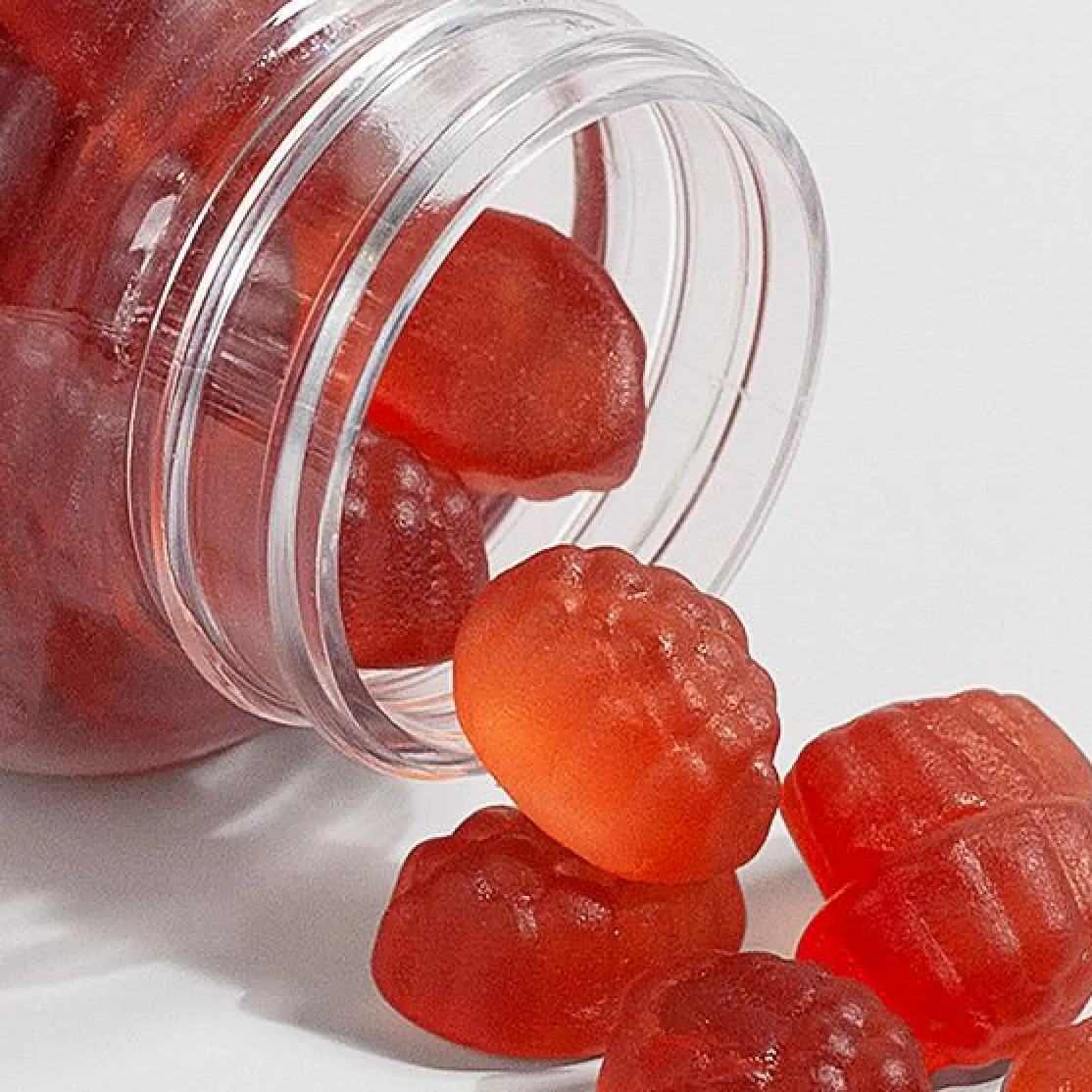
Clenched jaw, tight shoulders, toss-and-turn sleep patterns? For midlife women struggling with an overload of tension and anxiety, stress gummies can feel like an easy solution. These chewy supplements are often made with promising active ingredients that are rumored stress-relievers, and they come in enticing packaging. But though some stress-relief gummies may be helpful in the short term, they’re probably not enough to quell menopausal mood changes. Below, we’ll go over what you need to know about stress gummies; the benefits and downsides; and let you know how a clinician who’s trained in midlife health, like one at Midi Health, can help.
Midlife can bring some striking mood changes. Maybe you feel overwhelmed more often than not, are struggling with a brain that’s constantly overthinking, or have a feeling of unease and worry even when it doesn’t seem warranted. If you’re experiencing this kind of midlife tension, popping a stress gummy can seem like an easy and excellent option. It’s not hard to see why: It’s convenient, tastes like candy, and seems like a low-stakes way to ease anxiety. But do stress gummies actually work, or are the promises too good to be true?
The short answer: Stress gummies might work to calm you down temporarily, or they might not make a significant difference. And in either case, they’re not a long-term solution for stress. Some types sound promising because they’re made with active ingredients that have some research backing—but those ingredients might not be in high enough doses to be as effective as you need them to be.
We get the appeal: Perimenopause and menopause can bring on whole new feelings of anxiety. Who wouldn’t want to find a quick way to chill out? Below, we dive into what stress relief gummies are, how they work, which ingredients have research behind them, and what you can do to relieve tension. Plus, we’ll talk about how a clinician, like one at Midi, can help you come up with a plan for tackling midlife stress.
What Are Stress Gummies, and How Are They Supposed to Work?
Stress gummies are chewable dietary supplements taken to support your nervous system and boost feelings of relaxation.
They’re typically made up of herbs, vitamins, and amino acids, like adaptogens or L-theanine, to support your body’s stress response and help manage daily stress and anxiety. They might do this by purporting to:
- target neurotransmitters like GABA to promote calmness
- lower cortisol, the “stress hormone”
- regulate the nervous system
- improve sleep
- fill nutrient gaps in your diet that could be contributing to stress
Like any other dietary supplement, stress gummies aren’t FDA approved for safety or effectiveness the way prescription medications are. They shouldn’t be looked at as a treatment for stress; they can support temporary relaxation only. (Note: CBD and THC gummies are in a different legal and safety category than the gummies we’re covering here.)
Stress gummies (also called anxiety gummies or cortisol gummies) might make you feel calmer if you’re dealing with everyday stress or mild anxiety, but they aren’t going to help with symptoms of severe stress or an anxiety disorder. In those cases, it’s important to be evaluated by a clinician, who can help you come up with an effective treatment plan.

Do Stress Gummies Work? What the Research Shows
It’s hard to say if or how much stress gummies actually work, because most of the research out there has been done on individual ingredients at specific doses, not on gummy products themselves.
There is some data showing that ingredients like ashwagandha, L-theanine, and magnesium glycinate may lower cortisol, reduce mild stress, and improve sleep. (We’ll dig into that more below.) But it all depends on the brand and dose you take.
So, some stress gummies can offer a measure of stress support, but they shouldn’t be thought of as medication or treatment.
Common Stress Gummy Ingredients and the Evidence Behind Each
Most stress gummies contain either one or a blend of the below ingredients, which may or may not be effective at reducing stress. Here’s a look at the research (which wasn’t done on stress gummies, but on the ingredients themselves in various doses and forms).
Ashwagandha
Ashwagandha is an adaptogen, which means that it can help regulate the body’s stress response, and it’s one of the most-studied. A scientific review found that ashwagandha helped reduce stress, anxiety, and cortisol levels, with limited negative effects.
One small 2023 study found that when taken daily, ashwagandha reduced cortisol and increased serotonin, and it improved mild to moderate stress and anxiety. Another small study found that ashwagandha improved sleep quality and helped manage insomnia.
Along with other other key ingredients, ashwagandha is one of the ingredients in Midi’s Daily Cortisol Support supplement.
L-theanine
An amino acid found in tea leaves, L-theanine works by promoting alpha-wave activity in the brain to leave you feeling calmer.
One small 4-week study from 2019 found that participants taking 200 milligrams (mg) of L-theanine daily had improvements in some stress-related symptoms, including anxiety and sleep quality. (Researchers found no changes in their cortisol levels, though.) It’s also important to note that the study was funded by a supplement manufacturer.
A 2020 systematic review of nine studies found that 200 to 400 mg of L-theanine daily helped reduce stress and anxiety, especially during stressful situations. (The researchers noted that the studies were small, that the studies varied in the doses and methods, and that more studies are needed.) But recent larger-scale analysis of the available data show inconsistent effects on anxiety and modest improvement stress, yet potential benefits on attention.
Overall? L-theanine appears to be a natural, well-tolerated product that may carry benefits for stress and cognition.
Magnesium
Magnesium is an essential mineral that helps regulate the nervous system and may support the body’s stress response. It plays a role in calming neurotransmitter activity and may help regulate cortisol. In one study, adults with significant stress and low magnesium levels took 300 mg of magnesium per day for 8 weeks and self-reported that their stress was significantly reduced. (However, the researchers called for more studies that focus on people who don’t have a magnesium deficiency.)
GABA
This inhibitory neurotransmitter slows down brain activity to help calm the nervous system. It’s been shown to have positive effects on sleep, and a couple of decades ago some very small studies found it might reduce stress. But a 2020 systematic review noted that the evidence for both is limited, and more research is needed to determine whether it’s actually helpful.
Calming herbs
In 2021, a study review found that lemon balm was associated with reduced anxiety—though again, the studies were small and the doses and methods varied.
Small studies have also supported the idea that saffron may improve depressive moods and influence the physiological response to stress. A 2024 meta-analysis of 8 randomized controlled trials comparing saffron to SSRIs found no significant difference in their effects, suggesting saffron may offer similar benefits—but much more research is needed, and saffron cannot replace prescription SSRIs.
And rhodiola, an adaptogenic herb, may help improve stress-related fatigue, possibly by regulating cortisol, based on limited research.
All in all, some research is promising—but experts generally agree that stronger research is needed.
How to Read a Stress Gummy Label
Before you buy stress gummies, carefully read the label and consider the following tips:
- Check the serving amount and the dose per serving to see how it stacks up with any recommendations from a clinician. This will help you know whether you’ll actually get effective amounts of the supplement or if the dose is too low to help much.
- Scan any added ingredients and be mindful of how much sugar, sugar alcohols, or other additives are in there.
- Look for a third-party testing seal as well as a lot number and expiration date, which helps to indicate quality and purity.
Are Stress Gummies Safe? Interactions to Know About
While stress gummies are generally tolerated well, they can contain active ingredients that could be problematic for people with certain health issues. (Another reason to talk with your clinician before starting a new supplement.) Some of the most common interactions include:
- Thyroid issues: Ashwagandha may potentially raise thyroid hormone levels. People with thyroid issues or who are taking thyroid medications should talk with a clinician first.
- Sedatives and sleep aids: Ashwagandha, GABA, and magnesium may make you extra drowsy if you take them with benzodiazepines, sleep medications, or alcohol.
- Insulin and diabetes medications: Ashwagandha may lower blood sugar levels, so if you’re already taking insulin, Metformin, or other blood sugar medications, it could lower levels too much.
- Beta blockers and blood pressure medication: Ashwagandha and magnesium may lower blood pressure, so if you take a blood pressure medication, check with your clinician first.
- Pregnancy: Ashwagandha is not recommended during pregnancy or if you’re breastfeeding.
- Osteoporosis medication: Magnesium can decrease the absorption of certain osteoporosis medications. Ask your clinician how far apart to take them in order to avoid this.
Why Stress Can Feel Worse in Perimenopause and Menopause
Perimenopause or menopause: a time when life can seem especially overwhelming. You can thank those pesky fluctuating and declining hormone levels, which can affect your brain and nervous system and increase stress, anxiety, and depression.
Estrogen helps balance out serotonin, GABA, and dopamine, so once estrogen drops, those systems get thrown out of whack. Estrogen is also key when it comes to regulating the hypothalamic-pituitary-adrenal (HPA) axis, which is what helps control your body’s reaction to stress. Before estrogen declines, your body is better able to regulate after a stressful event. But when estrogen is low, you’re more likely to stay in a fight-or-flight mode.
Declining progesterone also plays a role in increased stress and anxiety: Progesterone is essential in boosting GABA, which promotes relaxation and calm.
Add to this all the other midlife hormonal side effects, like disrupted sleep, hot flashes, higher cortisol levels, and general physical discomfort.
When tension and anxiety are hormone-based, it’s unlikely that stress gummies alone would be enough to leave you feeling significantly calmer or more relaxed. They may be worth a try, but if stress is having an impact on your daily life, you should reach out to a clinician.
Menopause-trained clinicians at Midi can help you form a personalized plan for tackling the extra stress and anxiety, including possibilities like hormone treatment alongside a calming, science-backed supplement.

What Else Helps With Stress Besides a Gummy?
If you feel stress gummies are helping, even a little bit, then they may be worth taking. But it’s important to incorporate other stress-reducing habits or treatments into your life as well:
- Make lifestyle changes: Focus on improving your sleep, try mindfulness practices like breathing exercises and meditation, eat a whole foods diet, and avoid excessive alcohol and caffeine.
- Exercise daily: Regular exercise has been shown to reduce levels of stress and has plenty of other benefits as well. Incorporate some sort of daily movement into your routine.
- Consider cognitive behavioral therapy (CBT): If you’re coping with stress, anxiety, and/or depression, consider CBT and speaking with a therapist.
- Consider hormone therapy: Hormone replacement therapy (HRT, now commonly referred to as menopause hormone therapy, or MHT) can help replenish falling hormone levels, which can help ease mood fluctuations and reduce many other menopause symptoms that could be directly or indirectly contributing to stress.
- Discuss prescription medication with your clinician: Some evidence-based prescription medications that may help with severe stress or anxiety include Propranolol (Inderal), hydroxyzine (Vistaril), buspirone (BuSpar), and escitalopram (Lexapro).
- Consider other forms of supplements: If you like the idea of taking a targeted stress supplement but aren’t a fan of the gummy format, consider a capsule format instead. (Midi’s Daily Cortisol Support is built to support calm focus, cognitive clarity, better sleep, and emotional resilience, delivered in a vegan capsule format.)
When to Talk With a Clinician About Stress and Anxiety
Stress gummies and other supplements aren’t enough to help ease severe stress and anxiety. You should see a clinician for other treatments if:
- You struggle with panic attacks, persistent worry, or low mood, and you have trouble functioning in your everyday life.
- You have sleep problems that do not improve.
- You have physical symptoms like chronic fatigue, headaches, stomachaches, or a racing heart.
- You’re turning to other vices to relieve stress, like alcohol or drugs.
If you ever experience suicidal ideation or self-harm thoughts, you can get immediate support by calling or texting the National Suicide & Crisis Lifeline at 988.
When you see a menopause-trained clinician (like one at Midi), they can assess your levels of stress, anxiety, and depression, as well as order labs if needed to rule out other disorders or illnesses that could be causing similar symptoms. Talking with an empathetic clinician who understands these roller-coaster years can be a powerful first step to a more balanced you.
Key Takeaways
- Stress gummies are chewable dietary supplements that contain ingredients that are said to help reduce tension and restore a sense of calm.
- Some of the ingredients may include ashwagandha, magnesium, L-theanine, and GABA. But certain supplements may not include enough of particular active ingredients to actually help.
- Stress gummies aren’t for treating severe stress or anxiety. Talk with your clinician about treatment options if stress is getting in the way of your everyday functioning.
Frequently Asked Questions (FAQs)
What are the best gummies for stress?
The best gummies for stress are ones that are made with the appropriate dosage of an active ingredient that has been shown to work to relieve stress, like ashwagandha or magnesium. You should always look for options that have been third-party tested as well.
What is the best stress relief supplement?
Ashwagandha probably has the most research behind it when it comes to relaxation and reducing stress, followed by L-theanine and magnesium. (Studies on these have focused on the ingredients, not on stress gummies themselves.)
What are the side effects of stress gummies?
It depends on the active ingredients. Ashwagandha or herbal blends can sometimes cause GI issues, and L-theanine or GABA can make you feel a little too relaxed and sleepy. In general, stress gummies are well-tolerated, but talk with your clinician before taking them.
How many stress gummies can you take a day?
Always refer to the specific package instructions, as dosing concentrations can vary significantly between products.
How long do stress gummies take to work?
It can differ depending on the brand and active ingredients. While you might feel some immediate soothing effects after 30 to 60 minutes, most evidence shows that the real benefits of common ingredients come from using them consistently daily for several weeks rather than taking them on occasion.
If you’re in perimenopause or menopause and want guidance from clinicians who specialize in women’s midlife health, book a virtual visit with Midi today.
Hormonal change is at the root of dozens of symptoms women experience in the years before and after their period stops.
Our trained menopause specialists can help you connect the dots to guide you towards safe, effective solutions.
Whether you need personalized guidance or a prescription routine to tackle symptoms—including vaginal dryness and irritation, brain fog, hot flashes, sleep trouble, mood swings, and weight gain—we’ve got you covered.
Midi’s mission is to revolutionize healthcare for women at midlife, wherever they live and whatever their health story. We believe that starts with education, to help all of us understand our always-changing bodies and health needs. Our core values guide everything we do, including standards that ensure the quality and trustworthiness of our content and editorial processes. We’re committed to providing information that is up-to-date, accurate, and relies on evidence-based research and peer-reviewed journals. For more details on our editorial process, see here.