
3x
Migraine is approximately three times more common in women than men.¹
Migraine is approximately three times more common in women than men.¹

Hormonal changes may be part of the picture, even if you're not experiencing other symptoms.

Shifting estrogen levels are a known migraine trigger. For some women, headaches or migraines become more frequent during perimenopause.

Hormonal shifts throughout life can affect migraine patterns, from menstrual cycles to perimenopause to menopause. Understanding what's changed can help you find the right next steps.

Not every headache is hormonal. Your Midi clinician considers your symptoms and health history to help you understand what might be going on.
Migraine is approximately three times more common in women than men.¹
Hormonal changes may be part of the picture, even if you're not experiencing other symptoms.
Shifting estrogen levels are a known migraine trigger. For some women, headaches or migraines become more frequent during perimenopause.
Hormonal shifts throughout life can affect migraine patterns, from menstrual cycles to perimenopause to menopause. Understanding what's changed can help you find the right next steps.
Not every headache is hormonal. Your Midi clinician considers your symptoms and health history to help you understand what might be going on.
Available in all 50 states • Self-pay visits available*
Midi clinicians support you from every angle. They start by listening — then draw on the options below to build you a personalized plan.

Labs & testing
Labs & testing
Your clinician reviews your headache & migraine history and may recommend targeted testing based on your symptoms and risk factors, so we can tell you if something other than hormones deserves a closer look.

Lifestyle coaching & support
Lifestyle coaching & support
Sleep, stress, nutrition, and daily habits can all influence headaches and migraines. We'll help you identify potential triggers and make changes that may help you feel better.
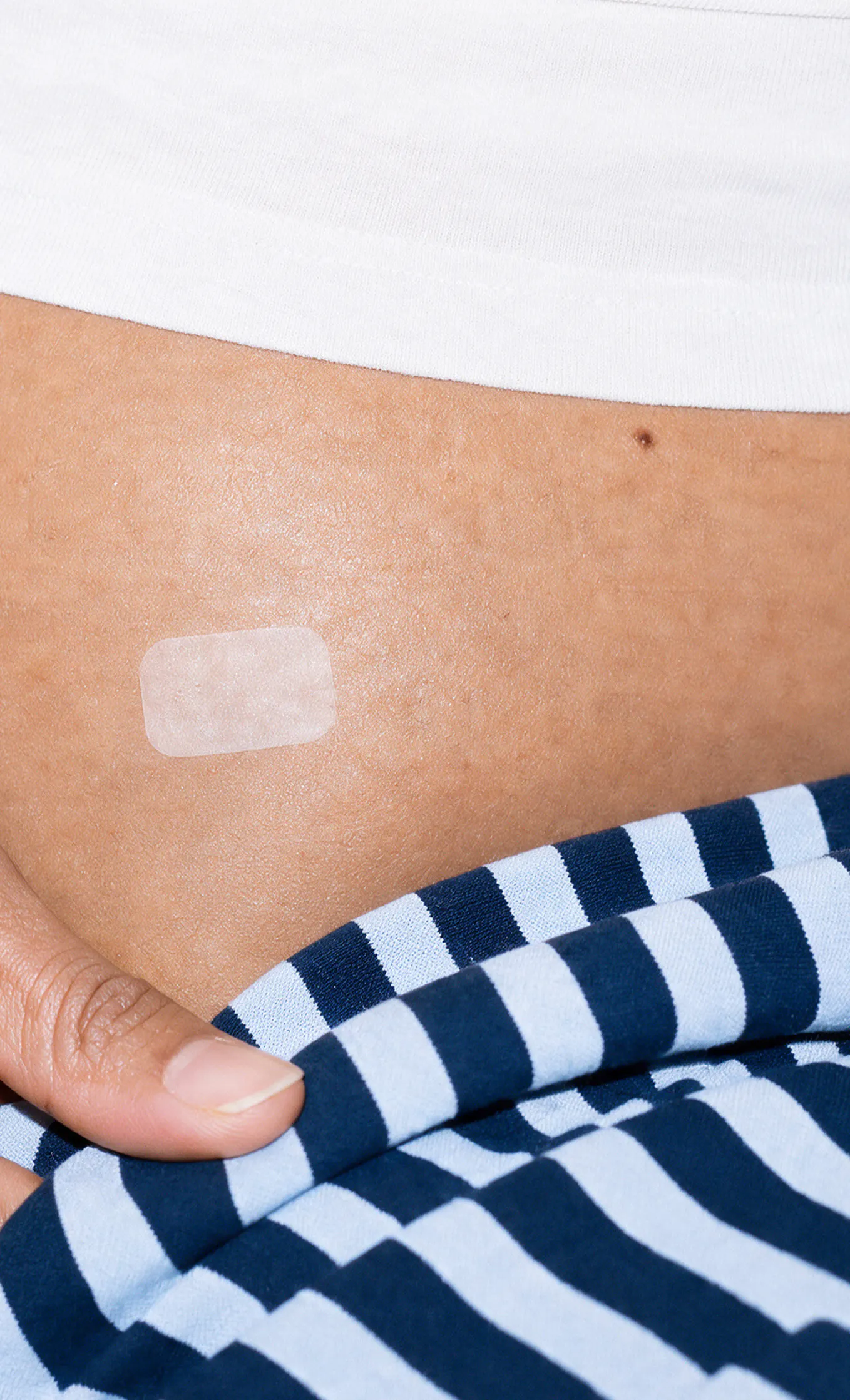
Hormone prescriptions
Hormone prescriptions
Hormone therapy may be an option for your menopause symptoms. Your clinician considers your headache and migraine history when recommending treatment, including the type and dose of estrogen.
More to explore:
What is HRT?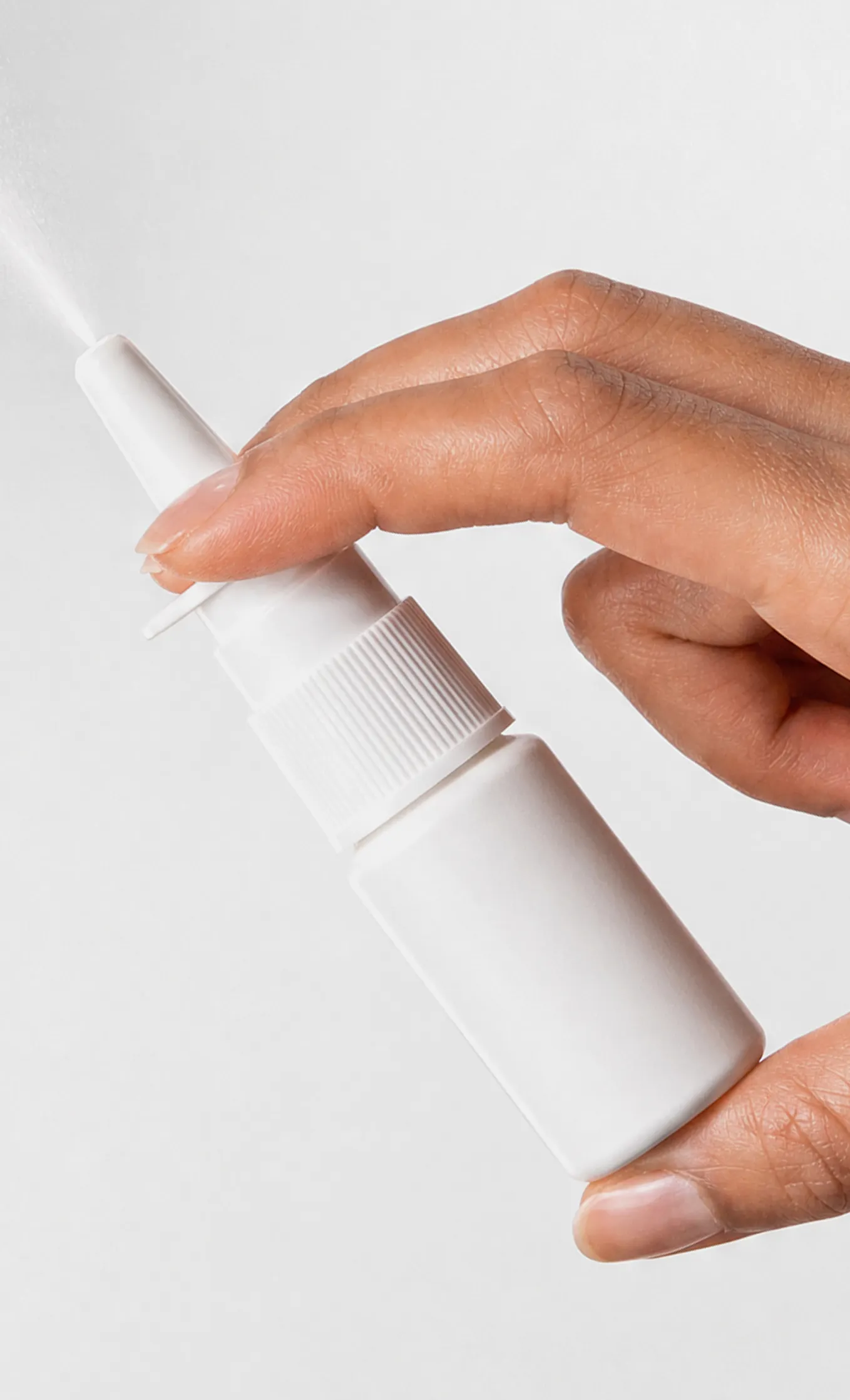
Non-hormone prescriptions
Non-hormone prescriptions
Hormones aren't the only option. Your clinician can discuss non-hormonal treatments for your symptoms or recommend specialist care when appropriate.
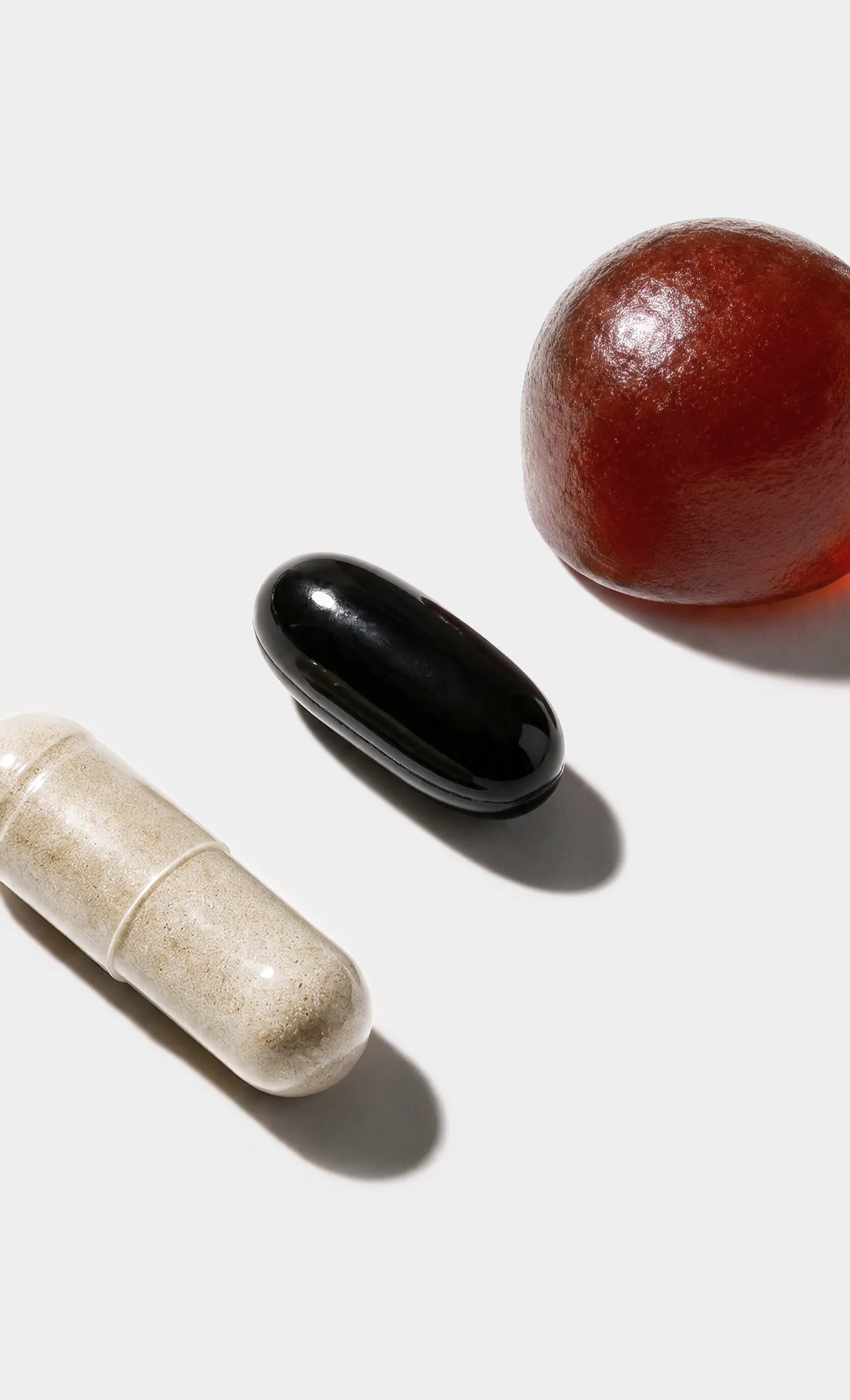
Supplement integration
Supplement integration
Your clinician can help you understand which supplements may be appropriate for your individual needs, based on your health history and current medications.
More to explore:
Shop Midi products





Headaches & migraines
Hormone therapy may help some women manage headaches and migraines linked to hormonal changes. Book a visit to speak to a Midi Clinician to learn how it works, when it may help, and what to consider before starting treatment.

My 3-day migraines left me exhausted. With Midi's HRT plan, I have no headaches, I sleep well, and I feel like myself.

I came to Midi with migraines, frozen shoulder, hip pain, fear of driving, and hot flashes. Now they’re all gone.

I recommend Midi to all of my friends because women don't have to suffer alone, in silence, or accept feeling miserable.

Instead of focusing on just my labs, Midi listened to my symptoms and concerns, finally putting all the pieces together.

Two doctors told me my labs were ‘normal.’ Midi looked beyond my labs, treated my symptoms, and gave me relief.

No waiting 40 minutes to hear 'it’s just stress.' I started HRT and felt like a brand new woman by the next day.

I have a better understanding of my body, more confidence in my healthcare decisions, and a renewed sense of agency.

Midi listens to women, understands how complex midlife hormones can be, and centers care around the whole person.

Migraines and Menopause: Signs That You Shouldn't Ignore
Oct 23, 2024
Fluctuating estrogen levels can trigger headaches for many women, but the good news is that migraines often improve after menopause and there are options that may provide relief in the meantime.

Low Estrogen Symptoms: Top Causes and Treatments
Feb 4, 2025
Low estrogen levels can cause a wide range of symptoms, including physical issues like hot flashes and breast tenderness, and headaches & migraines.

Perimenopause Symptoms and Signs: The Midi Guide
June 18, 2026
A comprehensive, medically backed guide to perimenopause symptoms.
1. National Library of Medicine. (2023). Migraine: What you need to know. NIH MedlinePlus Magazine, 17(2), 10–11.
2. These real patients became Midi Ambassadors and may receive free products and/or swag. Individual results may vary.
*Midi is in-network with most major insurance providers nationwide, but coverage depends on your specific plan — deductibles, coinsurance, and copays vary and may still apply. Check your plan for details specific to you. Self-pay options are also available.
Hormonal changes during perimenopause can affect headaches and migraines for some women. Fluctuating estrogen levels are a known migraine trigger, but hormones aren't always the cause. Your Midi clinician can help you understand whether perimenopause could be part of the picture.
Midi accepts most major health plans. Book a virtual visit and start feeling like yourself again.