

Having a hot flash? You may notice that your heartbeats are flip-flopping while you feel that sudden, intense burst of heat. Perimenopause heart palpitations are common, especially when experiencing vasomotor symptoms like hot flashes or night sweats. That fluttering feeling can be unsettling, but the good news is that menopause heart palpitations usually aren’t anything to be concerned about. A clinician, such as one at Midi Health, can help you map out the right next steps.
Perimenopause heart palpitations can feel off-putting and even a little alarming. You might experience this sensation while having a hot flash or night sweats, and fluttering heartbeats combined with drenching sweat and a rush of heat likely only add to the discomfort.
It’s understandable to wonder whether menopause heart palpitations could be a sign of another health condition. While it’s always best to reach out to your clinician to rule out any underlying conditions, the good news is that these hot flashes and heart palpitations usually aren’t dangerous, and may just be another frustrating side effect of perimenopause.
While these flutters are usually nothing to be concerned about, certain signs do warrant a call to a healthcare professional, just to be safe. Read on for more about heart palpitations during perimenopause, including what might trigger them, red flags to watch for, and how a Midi clinician can help you find relief from disrupting symptoms like these.
What Do Perimenopause Heart Palpitations Feel Like?
When you experience perimenopause heart palpitations, you may feel like your heart is fluttering, skipping, or pounding; like you’ve missed a heartbeat; or like you’re having irregular heartbeats. The sensation might spread to your neck or chest. Heart palpitations tend to last only a few seconds.
“Heart palpitations caused by the menopause transition are not related to an underlying heart condition, but rather to fluctuating hormone levels,” says Midi physician Heather Hofflich, DO. It’s common to experience palpitations during a hot flash or night sweat, and they may disrupt your sleep.
It’s important to keep in mind that true heart palpitations aren’t the same as a fast, sustained heart rate or the chest tightness that can occur during a panic attack. Here’s how different conditions might feel in the moment:
- Heart palpitations: These are often described as a fluttering, skipping, pounding, or missed heartbeat feeling. They can occur during perimenopause or as a result of stress or overexertion. Heart palpitations don’t necessarily suggest you have a heart condition.
- Supraventricular tachycardia (SVT): This is a type of irregular heartbeat (arrhythmia) that can make you feel dizzy, with an overly fast pulse. The heart may beat 150 to 220 times per minute in people with SVT.
- Atrial fibrillation: Also called A-fib, this is a rapid heartbeat that can interfere with blood flow and lead to serious complications, including stroke. This is the most common type of arrhythmia.
- Panic attack: You may have a rapid, pounding heart rate along with symptoms like sweating, trembling, nausea, and chest tightness. Panic attacks are often triggered by a specific stressful situation.
If you’re regularly experiencing perimenopause heart palpitations, try to track their timing (do you usually get them during a hot flash or while doing other activities?), duration, and frequency, then share these patterns with a clinician.

As for when to book a visit with a cardiologist? The American Heart Association says brief, infrequent heart palpitations usually aren’t urgent, though it’s always a good idea to bring them up with a healthcare professional.
But heart palpitations accompanied by symptoms like lightheadedness, dizziness, shortness of breath, or chest pain warrant medical care sooner, as do those that last minutes to hours rather than seconds. (Read on for more urgent red flags to know about.)
Why Does Perimenopause Cause Heart Palpitations?
Perimenopause heart palpitations may be caused by hot flashes, a hallmark symptom many women notice during midlife. “A hot flash involves transient vasodilation of blood vessels, sweating, and a temporary rise in heart rate, which can lead to heart palpitations,” says Dr. Hofflich.
Still, heart palpitations during perimenopause aren’t as well-researched as some other menopause symptoms, researchers noted in a 2021 systematic review in Current Obstetrics and Gynecology Reports. But it’s thought that some of the physiological changes that occur during the menopausal transition may cause heart palpitations to occur, particularly declining estrogen levels.
But how can low estrogen cause heart palpitations? As estrogen levels fluctuate and gradually decline during perimenopause, they can disrupt the hypothalamus, the part of the brain that acts as the body's main control center. That disruption can cause thermoregulatory dysfunction, making it difficult for your body to maintain its temperature. This can cause hot flashes, and may be responsible for perimenopause heart palpitations, too.
Other changes during midlife may also play a role. For example, women frequently experience insomnia during perimenopause or perimenopause anxiety, which may contribute to or compound the effects of heart palpitations. “Anxiety is often more prevalent during the menopausal transition and can contribute to intermittent heart palpitations,” says Dr. Hofflich.
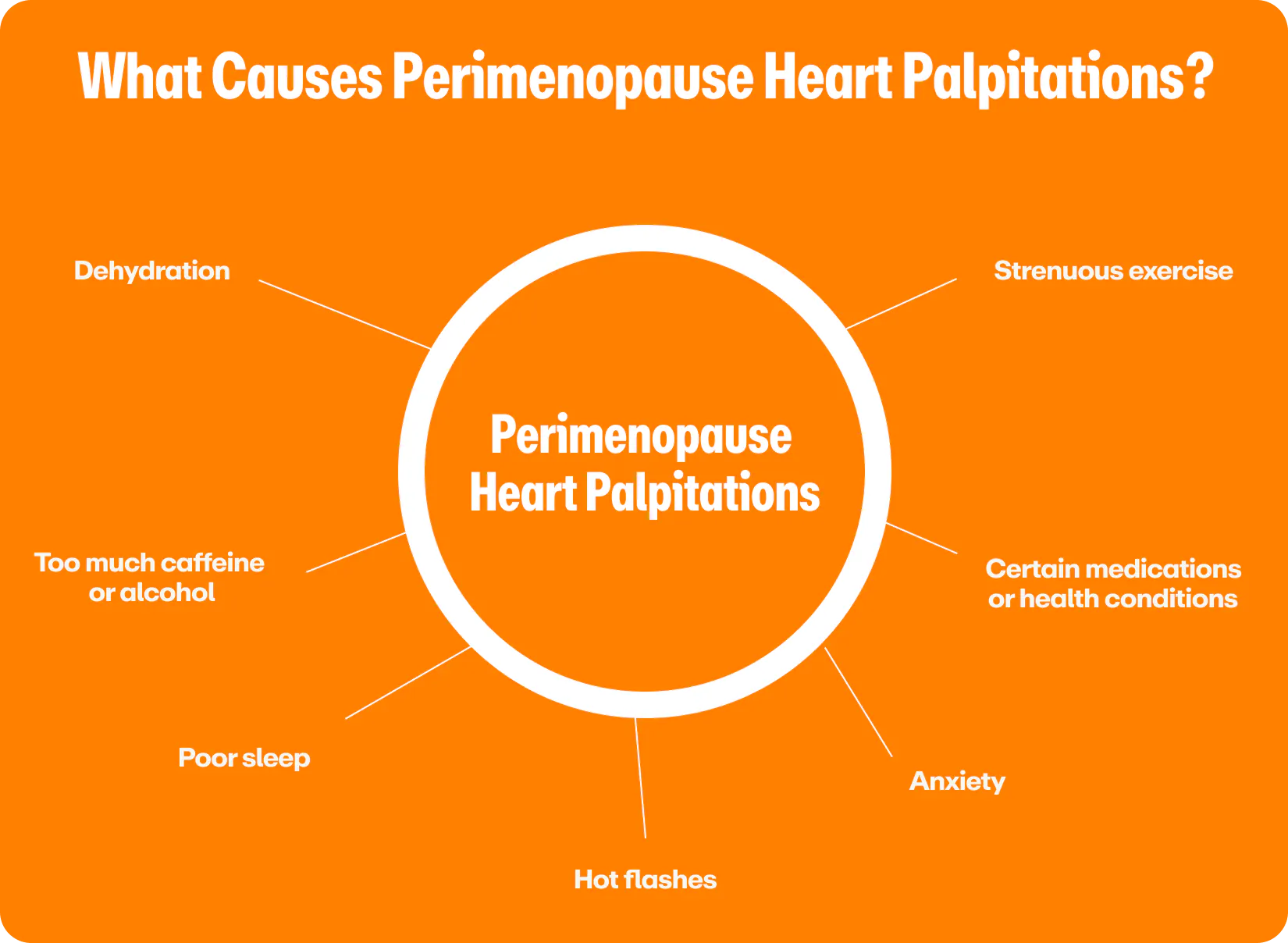
Beyond midlife-specific triggers, heart palpitations have a number of additional causes. Regardless of whether or not you’re in perimenopause, you may feel a heart-fluttering sensation if you:
- are stressed or anxious
- performed strenuous exercise
- have been drinking too much caffeine or alcohol
- are taking certain medications or having problems with your electrolytes
How Common Are Palpitations in Perimenopause?
Heart palpitations are a common symptom that women experience throughout the menopausal transition, from perimenopause to menopause to even postmenopause. Research has found that up to 42% of perimenopausal women and 54% of postmenopausal women report palpitations, suggesting they may be more likely to develop as the years go on. That risk can also vary depending on factors like race and ethnicity.
Still, palpitations aren’t always recognized as a perimenopause symptom, and they might be understudied and under-recognized as a result. The authors of a 2022 review published in the journal Women's Health noted that perimenopause heart palpitations could be frequently attributed to other causes, such as anxiety or stress.
On the flip side of the coin, it’s important not to assume that perimenopause is the sole cause of your palpitations. Recurrent palpitations warrant an evaluation from a healthcare professional (more on this later).
True Stories Of Transformation
What Triggers Palpitations During Perimenopause?
While experts are still working to better understand the exact mechanisms that cause menopause heart palpitations, certain triggers clearly seem to make them worse. You might be more likely to experience heart palpitations if:
- You’re having a hot flash: Women commonly report heart palpitations during hot flashes or night sweats.
- You’ve been consuming more caffeine, alcohol, or spicy foods: These are all known heart palpitation triggers.
- You’re stressed or anxious: Stressful, anxious situations can cause your heart rate to increase and are a common reason why people experience palpitations.
- You’re taking certain medications or supplements: Nasal decongestants as well as medications to treat asthma and ADHD may cause heart palpitations. You may also notice them if you’ve been taking supplements like bitter orange, ginseng, or valerian with meals. (But remember: Don’t stop taking any prescription medications without consulting your clinician first.)
- You’re dehydrated: Heart palpitations that occur when you’re dehydrated can be more concerning, as they may indicate that your cardiovascular system is under a high level of stress. Reach out to a healthcare professional if you experience heart palpitations and have other signs of dehydration, such as constipation, dark urine, and dry mouth.
When Are Heart Palpitations a Red Flag?
Heart palpitations can feel uncomfortable and understandably concerning, but they usually aren’t harmful. Still, in certain situations, you should book a visit with a healthcare professional for reassurance.
“It is important to note that other causes of heart palpitations (thyroid disorders, anemia, and arrhythmias) must be excluded before attributing them to menopause,” says Dr. Hofflich. Recurring palpitations call for an evaluation with a healthcare professional, who can help assess what’s behind your symptoms through specific testing and monitoring.
Reach out to a healthcare professional immediately if:
- You’re having recurrent palpitations.
- Your heart palpitations seem to last longer than a few minutes, start to get worse, or happen more often.
- The palpitations don’t improve when you make lifestyle changes, such as cutting back on caffeine or alcohol.
- You have heart palpitations along with other symptoms that are concerning, such as lightheadedness, dizziness, chest pain, or shortness of breath.
Call 911 if:
- Your heart palpitations won’t stop.
- You’re passing out or are having trouble breathing.
- You’re experiencing intense pain, pressure, or tightness in your chest, jaw, upper back, neck, or arms.
Bottom line: It’s always appropriate to reach out to a healthcare professional about heart palpitations, even if you suspect they have a benign cause. It’s not overreacting to book a visit just to confirm that you don’t have any underlying conditions.
What Tests Might a Clinician Order?
A Midi clinician can order foundational screening blood work to evaluate thyroid function, iron levels, and metabolic health. They can help you understand what these test results mean for your care and map out next steps.
If your symptoms require continuous cardiac rhythm tracking (such as a Holter or event monitor) or an electrocardiogram (ECG, a device that attaches small pads to your skin to check for electrical signals), your clinician can coordinate an external referral to a primary care physician or local cardiologist.
From there, treatment will depend on the cause of your palpitations and whether an underlying condition is contributing to them.
How to Calm Palpitations in the Moment
Heart palpitations may last only a few seconds, but they can be deeply unsettling. There’s little research on how to stop perimenopause-related palpitations when they’re happening, but these tips may help address palpitations in general:
- Take some deep breaths. Try box breathing, in which you breath in for a count of four, hold for a count of four, exhale for a count of four, and then hold for a count of four—then repeat.
- Splash some cold water on your face. This vagal maneuver may help you find calm and activate your parasympathetic nervous system, which may help regulate your heart rate and increase calmness in a stressed, panicky moment.
- Meditate or practice grounding techniques. Visualizing a peaceful place, for example, might be useful if you suspect your heart palpitations are related to anxiety. These practices can engage your body’s parasympathetic response too.
Just remember that if your symptoms escalate or seem concerning or if you experience any of the red flags mentioned earlier, you should seek immediate medical care.
Everyday Habits That Reduce Hormonal Heart Palpitations
The exact cause of heart palpitations can sometimes be unclear, even after your clinician has run tests to rule out underlying conditions. But if you’re wondering how to stop hormonal heart palpitations naturally, it’s worth adopting certain lifestyle habits that may help reduce their frequency or severity. That can include:
- Avoiding triggers: Caffeine, alcohol, and spicy foods have been associated with heart palpitations, so cutting back may help, as can quitting smoking.
- Practicing relaxation techniques: Meditation, yoga, and deep breathing exercises can help you feel more relaxed and reduce your overall stress levels, which may in turn improve palpitations.
- Getting enough physical activity: Once you’ve ruled out any underlying heart conditions, regular exercise benefits your overall cardiovascular health and also helps manage stress.
- Treating underlying mood disorders: Anxiety can cause heart palpitations, and hormone fluctuations can also worsen anxiety—in fact, anxiety is one of the most commonly reported but least discussed perimenopause symptoms.
- Staying hydrated: Make sure you’re getting plenty of water to prevent dehydration, a common cause of heart palpitations. Generally, women should aim for at least 8 cups of water per day. Aim to eat a balanced diet to support your overall health, too.
Can Hormone Therapy Help Perimenopause Heart Palpitations?
Hormone therapy isn’t prescribed for heart palpitations. That said, certain forms of hormone therapy can be very effective at treating hot flashes and night sweats, and as a result, some women report improvements in palpitations when these vasomotor symptoms become less frequent or severe. It’s possible that certain types of hormone therapy may help reduce palpitations directly, but more research is needed.
Hormone therapy may not be right for everyone, which is why it’s important to discuss the benefits and risks of the treatment with a perimenopause-trained specialist, such as a Midi clinician. Together, you can determine whether hormone therapy is the right treatment to address your perimenopause symptoms—and if so, which type is best for you.

Non-Hormonal Options Worth Asking About
Booking a visit with a healthcare professional is the first step in determining what’s causing your heart palpitations. While palpitations may be a harmless side effect of perimenopause, it’s always best to rule out an underlying condition.
If it’s determined that your heart palpitations are caused by an underlying arrhythmia or thyroid dysfunction, for example, a healthcare professional will recommend the best treatments for that condition.
In general, beta-blockers are commonly prescribed for anxiety and heart palpitations, and they may be useful for certain stressful situations that can worsen symptoms, such as speaking in public. The 2021 Climacteric review noted that beta-blockers can effectively control heart rhythm, though they don’t offer any benefits for menopause symptoms.
Cognitive behavioral therapy is often recommended to address a number of concerns that impact women during midlife. This form of therapy has been found to support improved vasomotor symptoms, mood and anxiety, and sleep, a 2025 review found. That said, it hasn’t been linked to reduced heart palpitations specifically.
Getting Care for Palpitations in Midlife
We may sound like a broken record, but perimenopause heart palpitations are always worth bringing up with a clinician.
Keep track of how frequently you experience palpitations, whether you notice any triggers or patterns, and how long they typically last, so your clinician can have a clearer picture. Remember to get in-person care sooner if you notice concerning symptoms (lightheadedness, dizziness, chest pain, or shortness of breath), and call 911 immediately for red flag signs, such as passing out or trouble breathing.
Depending on the results of any tests your healthcare professional opts to run, you might be referred to a cardiologist. Or, if your heart palpitations are thought to be perimenopause-related, a menopause-trained clinician, such as one at Midi, can help you develop an individualized Care Plan.
Your clinician will likely ask about your family and medical history as well as your menstrual cycle. They may also recommend certain treatments like hormone therapy after assessing your overall health profile and other symptoms you might have (for example, your clinician will take note if your heart palpitations seem to frequently occur during hot flashes or when you’re anxious).
Most importantly, know that help is available for heart palpitations that occur during perimenopause. If you’ve been dismissed by other healthcare professionals in the past, seek out a specialist who is trained in women’s health, will validate your experience, and can help you find the right solution, like a Midi clinician.
Key Takeaways
- Perimenopause heart palpitations are common. Though they’re not always thought of as a symptom of menopause, some research suggests that around half of women report this fluttering sensation during perimenopause and even after menopause.
- Heart palpitations can occur during hot flashes or night sweats. You may wake up and feel like your heart is fluttering, skipping a beat, or pounding while also experiencing a rush of intense heat and drenching sweat.
- Though heart palpitations are often a harmless perimenopause symptom, it’s always a good idea to bring them up to a clinician. Palpitations can sometimes have other causes, like thyroid disease or cardiac arrhythmias. Ruling out an underlying condition can provide reassurance that your palpitations aren’t worrisome.
- Avoiding or limiting potential triggers, such as caffeine, alcohol, smoking, and spicy foods, as well as taking steps to reduce stress and anxiety, may help palpitations become less severe or frequent. Your clinician may also recommend certain medications.
- Even though heart palpitations often aren’t concerning, check in with your clinician ASAP if they seem to be getting worse; don’t improve with lifestyle changes; or are accompanied by dizziness, lightheadedness, shortness of breath, or chest pain.
- Call 911 if you experience any red-flag symptoms with palpitations, including if they don’t stop; you’re having trouble breathing or are losing consciousness; or you’re experiencing intense pain, pressure, or tightness in your chest, jaw, upper back, neck, or arms.
Frequently Asked Questions (FAQs)
How long do palpitations last in perimenopause?
Menopause-related palpitations are usually episodic, often lasting seconds to minutes, but they may recur intermittently for several years during perimenopause and early postmenopause. They generally become less common later in postmenopause.
Why am I suddenly having a lot of heart palpitations?
Heart palpitations can have a number of potential triggers, from eating spicy foods or consuming more caffeine or alcohol to overexertion or stress. Palpitations can also be a common symptom during perimenopause.
Why do heart palpitations happen mostly at night in perimenopause?
Heart palpitations during perimenopause have been linked to hot flashes. If you’re having a hot flash at night, called a night sweat, you might feel an intense burst of heat, pajama-soaking sweat, and heart palpitations. Palpitations can also occur at night for other reasons, such as due to stress or having consumed more alcohol or caffeine.
Do perimenopause palpitations mean a higher risk of heart disease later?
The good news is that perimenopause heart palpitations haven’t been linked to a higher risk of heart disease in later life. A 2023 study in the journal Menopause, for example, found that palpitations in women who were perimenopausal or recently postmenopausal weren’t associated with subclinical cardiovascular disease.
If you’re in perimenopause or menopause and want guidance from clinicians who specialize in women’s midlife health, book a virtual visit with Midi today.
Hormonal change is at the root of dozens of symptoms women experience in the years before and after their period stops.
Our trained menopause specialists can help you connect the dots to guide you towards safe, effective solutions.
Whether you need personalized guidance or a prescription routine to tackle symptoms—including brain fog, hot flashes, sleep trouble, mood swings, and weight gain—we’ve got you covered. Learn more here.
This article is for informational purposes only and does not constitute medical advice. The information contained herein is not a substitute for professional medical advice, diagnosis, or treatment. Always consult a qualified healthcare professional with any questions regarding a medical condition or before starting any new treatment.
Midi’s mission is to revolutionize healthcare for women at midlife, wherever they live and whatever their health story. We believe that starts with education, to help all of us understand our always-changing bodies and health needs. Our core values guide everything we do, including standards that ensure the quality and trustworthiness of our content and editorial processes. We’re committed to providing information that is up-to-date, accurate, and relies on evidence-based research and peer-reviewed journals. For more details on our editorial process, see here.