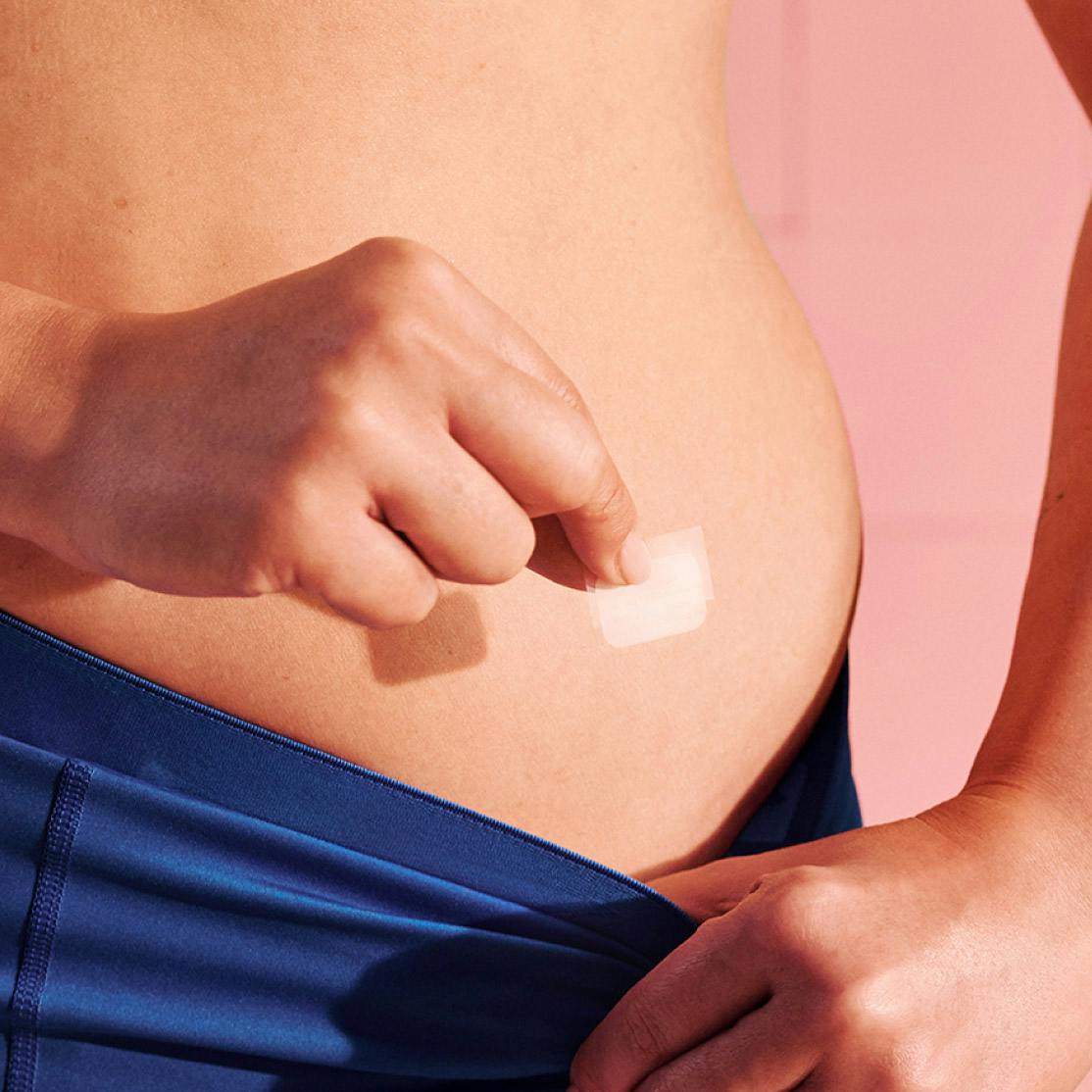


A lot of seriously confusing things happen in midlife—and one of them is whether the symptoms you’re experiencing are due to perimenopause or something else. For instance, it can be surprisingly hard to tell whether you’re dealing with perimenopause or polycystic ovary syndrome (PCOS, now known as polyendocrine metabolic ovarian syndrome, or PMOS).
PCOS is a common hormonal condition, and many of its symptoms—like irregular periods, weight gain, and mood changes—can overlap with the disruptive symptoms of perimenopause. To cut through the confusion, we’ll go over how to spot key differences between PCOS and perimenopause, whether PCOS goes away after menopause, and how a Midi Health clinician can help you get the right diagnosis and treatment.
Think PCOS or perimenopause might be behind your symptoms—but can't quite tell which is the culprit? If you’re in your 40s and dealing with irregular periods, weight gain, or mood changes, it can be tricky to figure out the cause. These hallmark perimenopause symptoms can overlap with those of other health conditions, including PCOS.
That said, a few important clues can help you tell them apart. Timing is one of the biggest: PCOS symptoms often start much earlier than midlife, unlike those of perimenopause. And your actual symptoms may be a clue as well: Hot flashes, for example, tend to point to perimenopause, whereas acne and excess facial and body hair are more characteristic of PCOS.
But you don’t have to decode your symptoms by yourself—and actually, doing that can delay proper diagnosis and care. A healthcare professional, like a Midi clinician, can consider what you’re experiencing, your health history, and any lab work to help determine whether you have PCOS, perimenopause, or something else entirely.
Here’s what you need to know about PCOS and perimenopause, what clinicians look for with each, and treatment options to help you feel your best no matter what’s going on.
What Is PCOS?
PCOS is a common hormonal condition that affects about 1 in 10 women of reproductive age. It usually involves high androgen (or “male”) hormone levels, irregular ovulation, and in many cases polycystic ovaries. These are ovaries with small, immature follicles that can only be seen on an ultrasound.
PCOS can also affect your metabolism, skin, and other aspects of your health. That’s one reason why experts renamed it PMOS in 2026.
While experts don't know exactly what causes PCOS, it’s likely a combination of genetic, environmental, and hormonal factors. Many women with PCOS also have insulin resistance, which happens when the body doesn’t respond to insulin properly, making it harder to regulate blood sugar.
Common PCOS symptoms include:
- irregular or missed periods
- excess facial or body hair (hirsutism)
- acne, often on the face, chest, or back
- thinning hair or hair loss on the scalp
- weight gain or difficulty losing weight
- fertility issues
- patches of darker skin, especially on the neck, under the breasts, or in the groin
PCOS often begins around puberty, but many women go undiagnosed for years because symptoms can vary and overlap with other conditions.
What Is Perimenopause?
Perimenopause is the natural transition leading up to menopause, when reproductive hormones like estrogen and progesterone begin to fluctuate and decline. It usually starts in your early to mid-40s, though it can begin as early as your late 30s, and it typically lasts around 4 to 8 years.
As your reproductive years wind down, you may notice menstrual cycle changes like irregular or skipped periods, along with such symptoms as hot flashes and night sweats, sleep problems, mood changes, brain fog, and vaginal dryness.
Perimenopause ends when you've gone 12 consecutive months without a period. At that point, you've officially reached menopause.
Why Do PCOS and Perimenopause Get Confused?
A few factors may cause this confusion. For starters, some women don’t realize they have PCOS until their 30s or 40s, around the same time perimenopause often begins. When the timing and symptoms overlap, it’s hard to tell which one is behind the changes you're noticing.
PCOS and perimenopause can cause similar symptoms, including:
- irregular or skipped periods
- weight gain, especially around the midsection
- mood changes like irritability or anxiety
- sleep problems, including sleep apnea
- fatigue
- thinning hair or hair loss on the scalp
There's no single test for PCOS, and in midlife, the hormonal fluctuations and other physical changes of perimenopause can make it even harder to diagnose.
Hormonal birth control can also complicate the PCOS vs. perimenopause question. Birth control pills help regulate your menstrual cycle and can mask PCOS or perimenopause symptoms. So if you stop taking the pill in your 40s, you might start noticing irregular periods or other symptoms that could be related to either one.

PCOS vs. Perimenopause: Key Symptom Differences
So, how do you know if you're dealing with PCOS or perimenopause? A healthcare professional clinician can make the diagnosis, and a few clues can help.
Timing and menstrual cycle patterns offer some of the biggest clues:
- PCOS symptoms, like irregular, infrequent, or missed periods, usually start in your teen years or early adulthood.
- Perimenopause—typically beginning in your 40s—brings new unpredictability to your cycle, including changes in length and flow.
Certain symptoms point more clearly to PCOS or perimenopause:
- PCOS is more likely to cause symptoms related to increased androgens, including acne, excess facial or body hair, and hair thinning on the scalp (some of these symptoms can also occur during perimenopause).
- Hot flashes and night sweats are classic symptoms of perimenopause that don’t usually happen with PCOS. Vaginal dryness and urinary symptoms are also very common during perimenopause.
These aren't hard-and-fast rules, and you may notice changes that overlap or don't fit neatly into either category. That said, the checklist below highlights common symptom patterns that may help you tell them apart.
PCOS or Perimenopause? At-a-Glance Symptom Checklist
No checklist can diagnose PCOS or perimenopause for sure, though. If you're experiencing symptoms and want clarity, a healthcare professional, like one of the menopause-trained clinicians at Midi, can help you figure out what's going on.
Can You Have PCOS and Perimenopause at the Same Time?
Yes, you can. If you have PCOS, it doesn’t go away when perimenopause begins, so you can have them at the same time.
You may also wonder if PCOS can cause early menopause or lead to it happening later than usual. Some research indicates it’s the latter: Women with PCOS may reach menopause around 2 years later than women who don’t have the condition. That could mean that menopause symptoms like hot flashes and sleep problems start later for women with PCOS.
Common PCOS symptoms can look different during the menopausal transition—for example, menstrual cycles may actually become more regular. But androgen-related symptoms (think: acne or more facial hair) may stick around in midlife. Health concerns linked to PCOS, like insulin resistance and weight gain, may also persist or worsen with age.
How Do Clinicians Tell the Difference?
There's no single test to determine whether you have PCOS vs. perimenopause, or if you have both. Instead, clinicians look at the full picture, including your symptoms, medical and family history, and, if needed, lab work. That’s partly because hormone levels fluctuate so much during midlife that a single hormone test isn't usually enough to diagnose perimenopause.
Your clinician may start by asking about when your symptoms first started and how your menstrual cycles have changed over time. Depending on your symptoms, your clinician may recommend tests to help distinguish PCOS from perimenopause and rule out other conditions.
Labs may include:
- follicle-stimulating hormone (FSH) and estradiol to assess ovarian function
- testosterone and other androgens to check for higher-than-normal androgen levels
- thyroid or prolactin tests to rule out thyroid disorders or other conditions
- blood sugar and lipid tests, because PCOS is linked to insulin resistance
- a pelvic ultrasound to look for polycystic ovaries, though these cysts may not always be evident during perimenopause
A healthcare professional, like a Midi clinician, can recommend the right evaluation, rule out other possible conditions, and help you develop a personalized treatment plan.
What Success Looks and Feels Like
Does PCOS Go Away After Menopause?
As nice as it would be, PCOS doesn't go away after menopause.
When you've reached menopause, your periods have stopped, so menstrual cycle symptoms are no longer part of PCOS. But that doesn't mean all symptoms of PCOS after menopause disappear.
Although androgen levels generally decline with age, they may stay higher than normal in women with PCOS. As a result, symptoms like excess facial hair or hair thinning on the scalp can persist well after your last period. Metabolic health concerns, including insulin resistance, can also continue after menopause.
As you navigate PCOS and menopause, the focus of care shifts to protecting your long-term health. PCOS is associated with a higher risk of conditions like type 2 diabetes, high blood pressure, and heart disease. And while evidence suggests that menopause doesn’t increase these risks, it’s still a good time to focus on preventive care.
Treatment Options for PCOS and Perimenopause Symptoms
Both PCOS and perimenopause symptoms are treatable. The right treatment depends on your symptoms, overall health, and whether you're dealing with PCOS, perimenopause, or both.
For both PCOS and perimenopause, lifestyle changes can support your health. This includes
eating a balanced diet full of nutrient-rich foods, getting regular exercise that includes strength training, prioritizing sleep, and taking steps to ease stress. All of these can also improve insulin resistance, support healthy weight loss, and reduce the risk of type 2 diabetes.
For PCOS, treatment can include:
- Hormonal birth control: Often one of the first medications recommended for PCOS, hormonal birth control can help regulate your menstrual cycle, reduce heavy bleeding, and improve acne or excess hair growth.
- Metformin: Metformin is a prescription diabetes medication that clinicians may prescribe off-label for PCOS. It improves insulin resistance and blood sugar management, which may lower the risk of type 2 diabetes. It may also help with PCOS symptoms like acne, irregular periods, and excess hair growth.
- Anti-androgen medications: If acne or excess facial or body hair is a big concern, medications that block the effects of androgens, such as spironolactone or topical finasteride, may help. Anti-androgen medications aren't right for everyone, though, so your clinician can help determine whether they're a good fit for you.
- Supplements: More research is needed, but some studies suggest that over-the-counter supplements, such as myo-inositol, may help improve insulin sensitivity, lower androgen levels, and regulate menstrual cycles in people with PCOS.
For perimenopause symptoms, treatments include:
- Hormone therapy: Hormone replacement therapy (HRT, now commonly referred to as menopause hormone therapy, or MHT) restores some of the hormones your body makes less of during the menopause transition. It's the most effective treatment for hot flashes, night sweats, vaginal dryness, and urinary symptoms. Your clinician can help you decide whether it's right for you, and if so, which type and dose suits your needs.
- Non-hormonal treatments: If hormone therapy isn't a good fit, non-hormonal treatments, including certain antidepressants, medications like gabapentin, and newer medications for hot flashes, may also help manage common perimenopause symptoms.
If you have both PCOS and perimenopause, your treatment plan may change over time. For example, if you've been taking hormonal birth control to manage PCOS symptoms, your clinician may eventually recommend switching to hormone therapy as your needs shift—a transition that typically happens around age 51, the average age of menopause.

When to See a Clinician (and How Midi Can Help)
If your symptoms are new, getting worse, or affecting your daily life, it's worth checking in with a clinician. You don't have to wait until your periods stop or try to figure out whether it's PCOS or perimenopause on your own.
Consider scheduling a visit if you have:
- new irregular or missed periods, especially if they begin in your 40s
- hot flashes, night sweats, or sleep problems that interfere with life
- acne, excess facial or body hair, or hair thinning
- heavy bleeding, bleeding between periods, or any bleeding after menopause
- vaginal dryness, painful sex, or urinary symptoms
- weight changes, mood changes, or other symptoms that affect your life
There’s no need to self-diagnose. At Mido Health, you can meet with a clinician who specializes in perimenopause, menopause, and hormonal conditions. They'll review your symptoms, menstrual cycle patterns, and medical history, and they can recommend targeted lab work or imaging if necessary. From there, they'll work with you to create a treatment plan that fits your unique health needs.
If you're looking for expert guidance, you can schedule a virtual visit with a Midi clinician. Many insurance plans are accepted, making personalized care more accessible.
Key Takeaways
- PCOS and perimenopause can look surprisingly similar in midlife. Both may cause irregular periods, weight gain, mood changes, and sleep problems, making it easy to confuse one for the other.
- Symptom timing often provides one of the biggest clues. PCOS is a hormonal and metabolic condition that usually starts during adolescence or early adulthood. Perimenopause is the natural transition leading up to menopause that typically starts in your 40s.
- You can have PCOS and perimenopause at the same time. In fact, some women with PCOS reach menopause later than women without the condition, so the two can overlap during midlife.
- There's no single test to diagnose PCOS or perimenopause. Instead, clinicians consider your symptoms, menstrual cycle changes, medical history, and, when appropriate, lab work or imaging.
- Both PCOS and perimenopause are manageable with the right care. A personalized treatment plan can help relieve symptoms and support your long-term health.
Frequently Asked Questions (FAQs)
Can PCOS mimic perimenopause?
Yes. PCOS and perimenopause can cause many of the same symptoms, including irregular periods, weight changes, mood changes, sleep problems, and hair thinning. The biggest difference is that PCOS usually starts earlier in life, whereas perimenopause typically begins in your 40s.
What is the average age of perimenopause with PCOS?
Perimenopause usually starts in your mid-40s, but women with PCOS may enter the menopause transition a little later. Everyone's experience is different, and there's no way to predict exactly when the menopause transition will begin.
What is a PCOS belly shape?
There's no specific "PCOS belly shape." Some people with PCOS tend to carry more weight around their stomach, often because of insulin resistance. But body shape varies, and not everyone with PCOS develops abdominal weight gain.
What are the 4 stages of perimenopause?
Perimenopause doesn't have four official stages. Instead, experts generally describe the menopause transition as early perimenopause and late perimenopause, followed by menopause and postmenopause. Symptoms and menstrual cycle changes can vary throughout the transition.
Do people with PCOS qualify for Ozempic?
Not necessarily. Ozempic isn't FDA approved to treat PCOS. However, some people with PCOS may qualify for GLP-1 medications if they have another condition, such as type 2 diabetes, or meet certain criteria for weight management. A clinician can help determine whether a GLP-1 medication is appropriate based on your symptoms, health history, and treatment goals.
If you’re in perimenopause or menopause and want guidance from clinicians who specialize in women’s midlife health, book a virtual visit with Midi today.
Hormonal change is at the root of dozens of symptoms women experience in the years before and after their period stops.
Our trained menopause specialists can help you connect the dots to guide you towards safe, effective solutions.
Whether you need personalized guidance or a prescription routine to tackle symptoms—including vaginal dryness and irritation, brain fog, hot flashes, sleep trouble, mood swings, and weight gain—we’ve got you covered.
Midi’s mission is to revolutionize healthcare for women at midlife, wherever they live and whatever their health story. We believe that starts with education, to help all of us understand our always-changing bodies and health needs. Our core values guide everything we do, including standards that ensure the quality and trustworthiness of our content and editorial processes. We’re committed to providing information that is up-to-date, accurate, and relies on evidence-based research and peer-reviewed journals. For more details on our editorial process, see here.