 Tabitha Wilson
Menopause and hair loss often show up together, thanks to shifting hormones that can trigger shedding, thinning, and changes in texture. The good news? Menopausal hair loss is treatable—and in many cases, reversible—with the right combination of nutritional tweaks, lifestyle changes, and medical treatments like minoxidil and finasteride. Understanding why hair thinning happens in menopause can help you choose the best approach for your scalp and your symptoms. Here’s what you need to know to grow fuller hair in midlife.
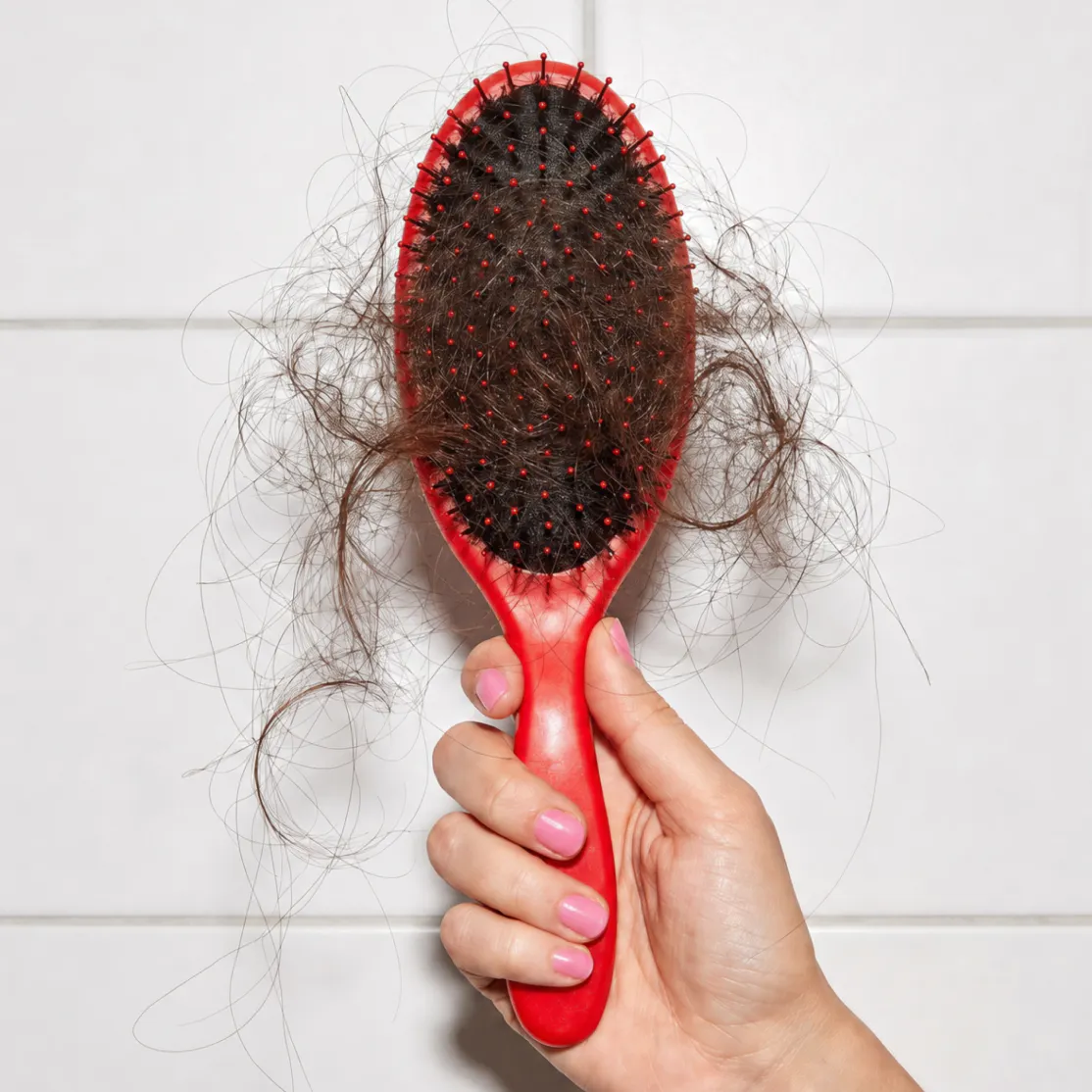
Have you noticed more strands clumping up in your hair brush lately or clogging your drain? Shedding more hair than usual could very well be the result of hormonal changes due to menopause.
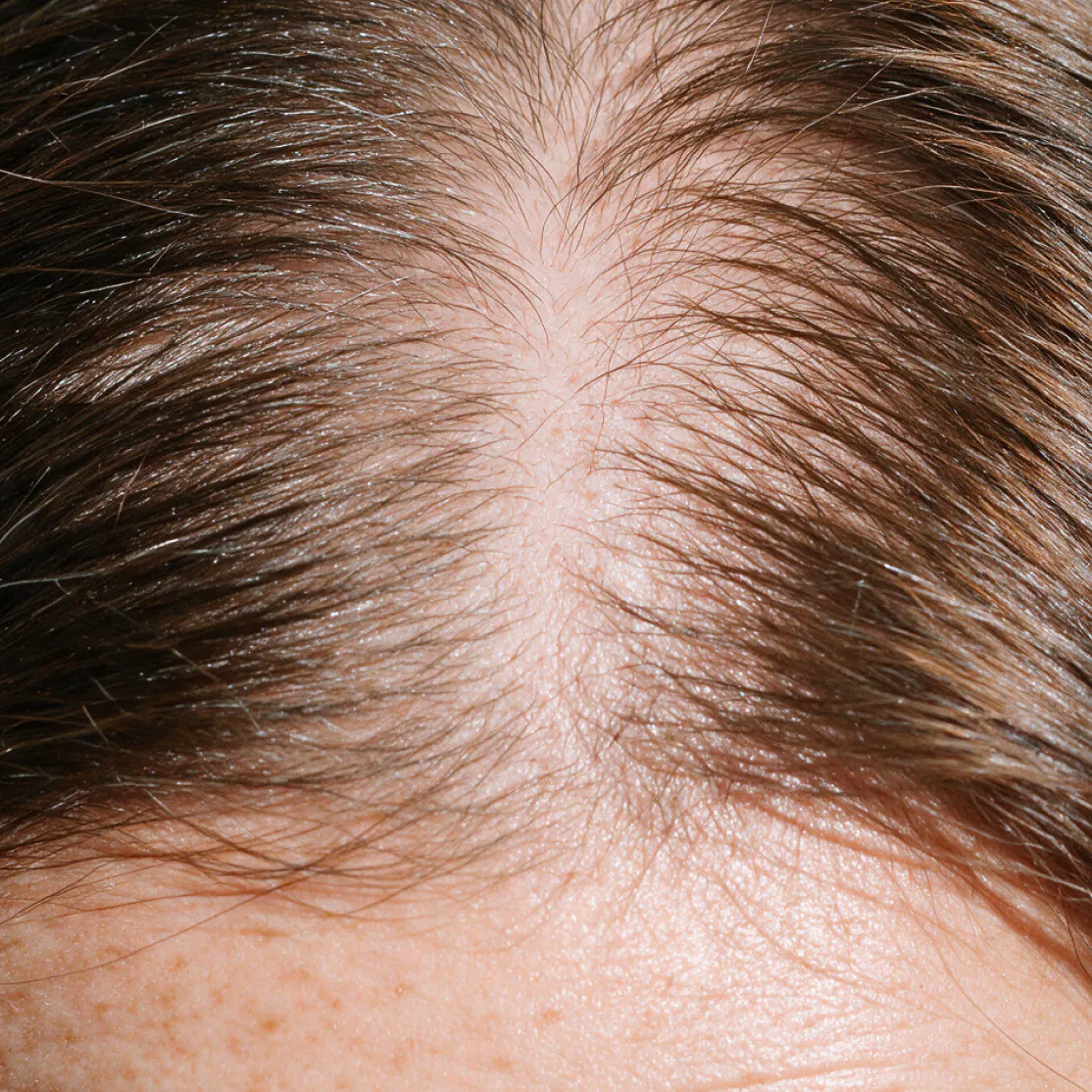
And we’re not talking about just a little more fall out, either. Noticeable hair loss and thinning can occur during midlife, and it may be a jarring and abrupt change—unlike anything you’ve dealt with since postpartum shedding, if you've had kids. That actually makes sense—your body went through a major hormonal reset after giving birth. The same is true during menopause. Fluctuating and declining estrogen and progesterone levels can lead to thinning hair, reduced hair volume, and potentially some bald spots (scary, we know, but we’ll cover treatment options in a bit).
About 50 percent of women going through the menopause transition, and around 80 percent of postmenopausal women, experience hair loss. Working with a healthcare provider can help you make sense of what’s going on. Midi clinicians are trained menopause specialists who understand the “why” behind menopausal body changes, and can offer a range of solutions for menopausal hair loss, including supplements, topical treatments, and hormone therapy.
“Many patients come to us with hair loss concerns, and we take them seriously. We know hair thinning can affect your confidence, so we’re committed to providing the most effective, personalized solutions,” says Kathleen Jordan, Midi’s Chief Medical Officer.
Read on to learn more about how to reverse thinning hair after menopause with a range of treatment options and solutions.
Understanding Hair Loss During Menopause
The first step to addressing menopausal hair loss is understanding why it happens in the first place. Here, we’ll explain what’s going on in your body that can make your hair thinner, shorter, drier, flakier, and duller. And, most importantly, what you can do about it.
Why Do You Lose Hair During Menopause?
Menopause marks the official end of your reproductive years, and as a result, your body needs time to adjust to a new hormonal normal. The generally higher levels of estrogen and progesterone that your body required when you were ovulating for decades are suddenly no longer necessary for fertility. They start to rollercoaster and gradually decline until they bottom out when you reach menopause, which is officially marked when you go through one full year without a period.
As you might suspect, this is a pretty major change that your body is going through and it can lead to an array of physical menopausal symptoms. And it’s not just unpredictable periods or breast changes we’re contending with. What many women don’t realize is that we have estrogen receptors all over our body, from our skin and hair cells to our brains and bones, so symptoms show up from head to toe. And as estrogen levels shift during the entire menopause transition, this can lead to some surprising changes, including weight gain, mood swings, and yes, hair loss.
But why exactly does this hormonal fluctuation lead to sometimes dramatic hair loss in women? Estrogen plays a vital role in your hair’s natural growth cycle—it helps extend the anagen, or growth, phase. A disruption in estrogen will affect how your hair grows, leading to it looking thinner as a result of not replacing lost hairs as quickly as it used to.
Estrogen does more than just promote hair growth, though. It also shields hair follicles from the hormones androgen and testosterone. A testosterone byproduct known as dihydrotestosterone (DHT) can bind to hair follicles, causing them to get smaller and drier over time. This shrinking of the hair follicle leads to shorter growth cycles and thinner, more brittle strands.
Health Conditions That Affect Midlife Hair Loss
Along with the thinning of your hair itself from hormonal changes, you may experience female pattern hair loss (FPHL). Unlike male pattern baldness, which creates a receding hairline and bald spots at the crown, FPHL shows up as thinning around the crown and frontal scalp. You may notice that your scalp is more visible around your hairline and temples, with increased hair shedding in those areas.
Some women also experience a different pattern called telogen effluvium—hair loss all over the scalp that often shows up two to three months after a major stressor, illness, weight loss, or life event. It can overlap with menopause and make shedding feel especially dramatic. Thankfully, it’s usually a temporary condition.
Certain underlying health conditions can also affect hair loss. These include alopecia areata (an autoimmune disease that can cause sudden hair loss), lupus, and thyroid disorders. A trained clinician can help distinguish hormone-driven hair loss from other causes, because the workup and long-term hair loss treatment will likely be different.
If all of this sounds a little alarming, we feel you. Unexpected changes to your hair and appearance can be deeply upsetting, but you don’t have to go through it alone. To get personalized recommendations based on your symptoms and health history, you can book a virtual visit with a menopause specialist through a platform like Midi.
Recognizing the Signs of Hair Loss
Potential signs of estrogen decline can be hard to spot on your own, and when it comes to hair loss during midlife, it’s not always easy to tell what’s normal and what’s not. A healthcare provider or Midi clinician can help provide guidance on what’s behind your hair loss, so you can find the best solution to treat it.
Early Signs of Menopause-Related Hair Changes
As you go through your late 30s and early 40s, you may be able to spot a few signs that you will experience menopausal hair loss, including:
- Increased shedding during routine brushing or washing is a common early red flag. While losing up to 125 strands of hair each day is typical, more than that may indicate hormonal hair loss.
- Wider part. If your part seems to be getting wider, especially near the hairline, you may be in the early stages of female pattern hair loss.
- Changes to the texture of your hair (everywhere). You may notice that your hair is more coarse or brittle and responds differently to your usual hair products. This can indicate that your follicles have begun to shrink in response to declining estrogen. And these changes can extend to pubic hair—it, too, may become thinner, patchier, or more brittle during menopause.
Effective Treatment Options for Menopausal Hair Loss
If you experience significant hair loss in a short amount of time or find that your hair loss is causing you real distress, it’s time to see a healthcare provider. A menopause specialist, like a Midi clinician, can help you to access personalized treatment for your symptoms. Two of the best-studied medications for hair regrowth are minoxidil and finasteride. These can be used on their own or in combination, depending on your pattern of hair loss and overall health.
When it comes to medical treatments for midlife hair loss, consistency is key. "You have to be patient and consistent with hair treatments—results take months, but they are worth it,” says Katelyn O’Donnell, a Midi clinician. “Hair loss can be a frustrating symptom, but addressing it early with the right interventions can lead to great outcomes.”
Hormone Replacement Therapy (HRT) for Hair Loss
Some women find that their menopause symptoms, such as hot flashes and hair loss, disrupt their daily lives. If you have more than one symptom that’s preventing you from living your life to the fullest, your healthcare provider may recommend hormone replacement therapy (HRT). Despite the name, HRT for menopausal women doesn’t actually replace your premenopausal level of hormones as much as it supplements them as they decline.
Your doctor will prescribe supplemental estrogen and, for all women with a uterus, progesterone, to help ease the symptoms caused by hormonal fluctuations (women who have had a hysterectomy do not need progesterone). HRT takes many forms, including a patch, pill, cream or gel, and should be personalized to your health history and menopausal symptoms.
The added estrogen may help hair stay in the anagen (growth) phase, and help improve dry, brittle hair. Note, though, that while some women see benefits to their hair health, hormone replacement therapy is rarely prescribed for hair loss alone. If hair loss is one of many symptoms you’re experiencing during the menopause transition, talk to a healthcare provider about if HRT could help.
Minoxidil for Hair Loss
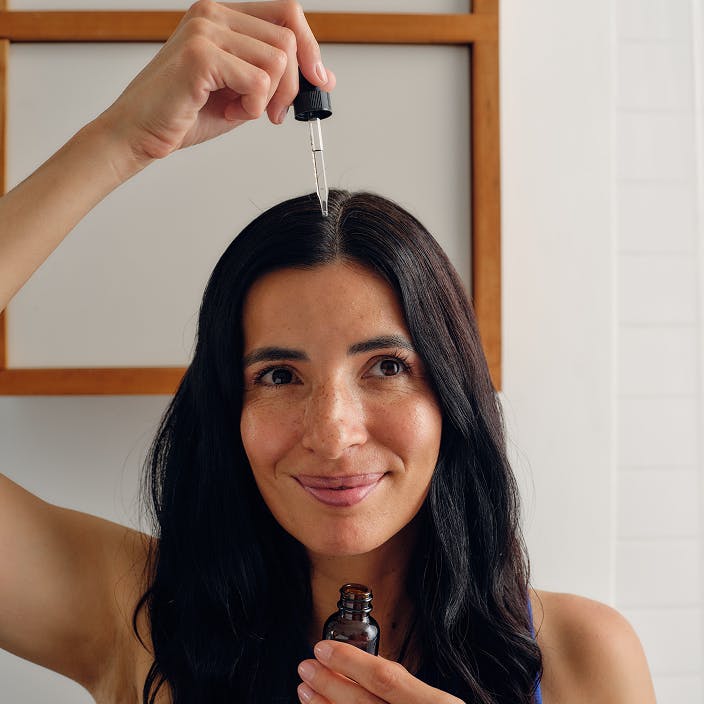
Topical minoxidil (the active ingredient in many over-the-counter “hair regrowth” foams and solutions) works by improving blood flow around the hair follicle and prolonging the anagen— or growth—phase of the hair cycle. It’s common to see a brief increase in shedding in the first few weeks as older hairs are pushed out to make room for thicker, healthier regrowth.
Topical minoxidil is applied directly to the scalp, and common side effects include mild scalp irritation, redness, or dryness. But don’t worry: These are actually an indication the product is working by making room for new hair growth.
For some patients, low-dose oral minoxidil may also be considered. This is taken as a pill rather than applied to the scalp and can be helpful in certain stubborn cases of hair loss. Because it can affect blood pressure and heart rate and may cause fluid retention, it’s not right for everyone and requires careful evaluation and monitoring. Your Midi clinician will typically review your cardiovascular history, medications, and baseline blood pressure before recommending this option.
Finasteride for Hair Loss
Finasteride works differently than Minoxidil. It reduces the conversion of testosterone to dihydrotestosterone (DHT)—the hormone byproduct that can shrink hair follicles and shorten the growth phase in female pattern hair loss.
Finasteride is available in both a topical and oral version. Because oral finasteride can have systemic side effects in women (including sexual side effects and breast changes), topical formulations that deliver finasteride right to the scalp without significant absorption into the bloodstream are often preferred.
At Midi, clinicians may prescribe customized, prescription-only topical combinations—such as minoxidil plus finasteride together in a single solution or spray—to address both the hormonal and growth-cycle components of hair loss. These options, including Midi’s Hair Regrowth Serum, are designed specifically for midlife women and may be a good fit if you’ve tried over-the-counter minoxidil alone without enough improvement.

Ketoconazole Shampoo for Hair Loss
Another tool your clinician may recommend is ketoconazole shampoo, or anti-dandruff shampoo (brands include Nizoral and others). Ketoconazole is an antifungal medication that can also help calm inflammation on the scalp and reduce the activity of DHT (the same hormone byproduct that contributes to female pattern hair loss).
“You can use an over-the-counter anti-dandruff shampoo, even if you don't have dandruff, to actually help your hormonal changes,” says Dr. Jordan. "It's an easy thing to just add into your regimen because it's a shampoo—something you're doing anyway. Just make sure you let it sit for a bit on the scalp.”
By reducing inflammation and DHT activity on the scalp, ketoconazole shampoo can support healthier hair growth over time, especially when used alongside minoxidil or finasteride-based treatments, such as with Midi’s Hair Regrowth Serum.
Latanoprost for Hair Loss
Latanoprost is another ingredient found in some prescription-strength hair regrowth formulas—like Midi’s Hair Regrowth Serum. You may recognize it from lash-growth treatments like Latisse, where it’s known for helping eyelashes grow thicker and fuller. When applied to the scalp as part of a targeted combination therapy, it can help stimulate hair follicles to encourage new growth.
Spironolactone Shampoo for Hair Loss
For some women, hair changes in midlife are linked to androgen excess—meaning higher levels or greater activity of “male” hormones like testosterone and DHT. Signs can include thinning hair on the scalp combined with increased hair growth on the face (chin, upper lip, jawline). In these cases, a medication called spironolactone may be part of the treatment plan.
Spironolactone is an oral medication that has anti-androgen effects. It works by blocking androgen receptors and reducing the impact of hormones like testosterone and DHT on hair follicles. That means it can slow down or reduce hormonally driven hair loss on the scalp while also reducing excess hair growth on the face and body.
Common side effects can include increased urination, breast tenderness, menstrual changes, dizziness, or GI upset. Your clinician will talk through risks and benefits with you and help decide whether spironolactone makes sense based on your whole health picture—not just your hair.
Natural and Holistic Approaches to Regrow Hair
While products and topical medications can greatly benefit hair growth, your diet and lifestyle—plus certain supplements and vitamins—can also help turn things around. These tips can help you achieve optimal hair health.
The Best Vitamins for Hair Loss During Menopause
Essential vitamins and minerals can help nourish hair follicles and promote stronger, healthier hair.
Those listed below have been shown to have the most impact on healthy hair growth. While we recommend getting your vitamins and nutrients from food instead of supplements, you may find that taking these as supplements ensures you reach the ideal levels.
- Biotin (Vitamin B7): Biotin supports keratin production, a protein crucial for hair strength. Eggs, nuts, and whole grains are all high in biotin.
- Vitamin D: Adequate levels of vitamin D contribute to hair follicle stimulation. Boost your intake with fatty fish (like salmon) and fortified dairy products,. (Brief sun exposure is also one of the easiest ways to meet your body’s vitamin D needs.)
- Iron: Iron deficiency can make hair loss worse. Incorporate lean meats, beans, and leafy greens into your daily meals to ensure an ample supply of iron.
- Omega-3 Fatty Acids: Omega-3 fatty acids contribute to scalp health and may aid in preventing hair thinning. You can find them in fish, seeds, and nuts.
- Zinc: Essential for hair tissue repair, zinc is found in meat, seeds, and dairy products.
In many cases, your Midi clinician may order lab work rather than guessing which supplement you “should” take. Checking levels of ferritin (your iron storage), vitamin D, vitamin B12, and thyroid hormones can help target any deficiencies that may be worsening hair loss, instead of over-supplementing and risking side effects.
What to Eat—and What to Avoid—to Help Reduce Hair Loss During Menopause
Beyond the vitamins we mentioned above, take a hard look at your diet. Processed foods and snacks can disrupt your hormones, affecting your symptoms. Incorporate more whole foods and home-cooked meals into your diet, emphasizing a healthy balance between macronutrients. Reducing your intake of highly processed foods and sugar can help reduce the severity of hormonal fluctuations.
Your habits may have a link to your hormones too. Regularly drinking alcohol or smoking cigarettes can adversely affect hair health. Both can impede blood circulation to the scalp, contributing to hair thinning. Quitting smoking and moderating your alcohol intake can positively impact your overall health and that includes your hair.
Alternative Therapies and Their Efficacy
Some women turn to herbal remedies and natural treatments to manage menopausal hair loss. Herbal supplements like saw palmetto, black cohosh, and ginseng are believed to have potential benefits for hair health. Additionally, the use of essential oils, such as lavender and rosemary, in scalp massages may stimulate hair follicles and promote growth.
Managing Stress to Help Reduce Hair Loss
Life stressors can pick up during midlife, from parenting and caregiving responsibilities to increased work and financial demands. And when you’re emotionally stressed, your body becomes physically stressed. Research has shown that stress may impair cells necessary for hair growth. Getting more sleep, carving out time for mindfulness exercises (like meditation, deep breathing sessions, or gentle yoga), and aiming for at least 30 minutes of physical activity each day can all help dial down your body’s stress response.

Myths and Misconceptions About Hair Loss in Menopause
There are a lot of misunderstandings about menopause and its symptoms. Considering that most doctors rarely receive menopause-specific training, it’s no surprise that misinformation abounds. But we’re here to set the record straight and debunk some of the most common myths and misconceptions about menopausal hair loss.
Myth: Menopause-Related Hair Loss is Always Permanent
Fact: Menopausal hair loss is not permanent! Your hair can grow back. Understanding the underlying causes of your hair loss and seeking appropriate interventions can often slow or reverse the effect of declining estrogen on your hair. Evidence-based hair loss treatments—including topical minoxidil and combination minoxidil/finasteride prescriptions—can significantly slow shedding and improve density for many women. A Midi clinician can help determine what’s right for you.
Myth: Only Older Women Experience Menopausal Hair Loss
Fact: Hair loss is a potential symptom of perimenopause, the period of time that leads up to menopause. Perimenopause can start as early as your late 30s, but most commonly begins in your mid-40s. Hormonal changes, irrespective of age, contribute to hair loss during the menopausal transition.
Myth: Washing Your Hair Too Often Causes Hair Loss
Fact: Frequent hair washing does not cause menopausal hair loss. Maintaining a clean and healthy scalp can be beneficial. However, using harsh products or excessive heat during styling may contribute to hair damage and hinder your hair growth efforts.
Preventing Further Hair Loss and Promoting Healthy Hair Growth
A proactive approach to hair care can be helpful when it comes to keeping hair loss in check. You may find something as small as changing how often you wash your hair can make a big difference in how it looks and feels. The best thing you can do is be open to change—don’t stay wedded to hair habits even if they worked in the past. Some shifts to consider:
- Switch up your products. If you’ve used the same hair products since your 20s, it may be time to find something better suited for your current hair texture. Try opting for sulfate-free and mild hair care products to avoid unnecessary damage and maintain the health of your hair. Try incorporating hair oils such as argan or coconut oil into your routine to nourish coarse strands and bring back shine.
- Limit heat. If your strands seem more brittle and prone to hair breakage, it might be a good idea to reduce how often you use heat to style. Aim to only straighten, blow dry, or heat curl your hair once or twice a week; let it rest between styling sessions.
- Perform regular scalp massages. This can help boost circulation and potentially help stimulate hair growth, while topical hair growth serums may promote follicle activity. (Skip the scalp massage if you’ve been told you have telogen effluvium, as it can irritate hair follicles.)
- Detangle with care. To minimize breakage when detangling, switch from a paddle brush to a wide-tooth comb and use a lightweight detangling spray.
Will Hair Loss Around Menopause Grow Back?
The short answer: Yes! Hair loss related to shifting hormones is not permanent.
With proper guidance from a healthcare professional and proactive, holistic care, it is possible to regain the hair lost during the menopause transition. Since sudden hormonal fluctuations cause hair loss in menopause, once your hormones level out post-menopause, you’ll likely see regrowth as well. Supplements and topical hair loss treatments can enhance this renewal, and if you experience significant hair loss during this phase, your healthcare provider can recommend a tailored solution for your needs.
Practical Tips and Support
Even with such a deep bench of treatment options for hair loss during perimenopause, we know that watching your hair change can be upsetting. The first thing to remember: You’re not alone.
Beyond proper medical care, it’s crucial that you find emotional support during the menopause transition—whether that means getting coffee with trusted friends once a week to vent, finding an online support group, or contacting a therapist to work through some of your more complex feelings about midlife. Ask your healthcare provider about local support groups for women in midlife, or connect with others on social media. Knowing that you’re not the only one going through this change can be a powerful tool for healing.
Key Takeaways
- What many women don’t realize is that we have estrogen receptors all over our body. So it’s not just unpredictable periods or breast changes we’re contending with. There are estrogen receptors from head to toe, and shifts in hormones during the entire menopause transition can lead to some surprising changes, including hot flashes, weight gain, mood swings, and yes, hair loss.
- About 50 percent of women going through the menopause transition, and around 80 percent of postmenopausal women, experience hair loss. For many, it’s a blow to self-image and confidence.
- With proper guidance from a healthcare professional and proactive, holistic care, it is possible to reverse thinning hair after menopause. Two of the best-studied medications for hair regrowth are minoxidil and finasteride. These can be used on their own or in combination, depending on your pattern of hair loss and overall health.
- Since sudden hormonal fluctuations cause hair loss in menopause, once your hormones level out post-menopause, you’ll likely see regrowth as well. Supplements and topical treatments can enhance this renewal, and if you experience significant hair loss during this phase, your healthcare provider can recommend a tailored solution for your needs.
FAQs About Menopause and Hair Loss
Is hair loss a common symptom of menopause?
Yes, hair loss is a common symptom during the menopause transition due to hormonal changes, particularly the decrease in estrogen and progesterone levels.
What hormones are responsible for hair loss in menopause?
The primary hormones involved in menopausal hair loss are estrogen and progesterone—levels of both decrease during the menopause transition—and androgens, which can have a more negative effect on hair growth.
Can hormone replacement therapy (HRT) help with hair loss during menopause?
HRT can sometimes help manage menopause-related hair loss by supplementing estrogen in the body, but its suitability varies depending on individual health factors and should be discussed with a healthcare provider.
Are there specific vitamins that can help with hair loss in menopause?
Vitamins like Biotin, vitamin D, and iron can benefit hair health around menopause, but it's essential to consult a healthcare provider before taking any supplement.
How does stress impact hair loss during menopause?
Stress can exacerbate hair loss around menopause by triggering hormonal changes and inflammatory responses that can affect hair follicles.
Can lifestyle changes reduce hair loss in menopause?
Yes, lifestyle changes that prioritize a balanced diet, regular exercise, stress management, and good sleep can all help reduce hair loss around menopause. Avoiding harsh hair treatments, products, and styling practices can also help.
What are the best hair care practices for menopausal hair loss?
Gentle hair care practices, including using mild shampoos, limiting heat styling, and minimizing chemical treatments, are recommended to avoid and manage menopausal hair loss.
Is it possible for hair to regrow after menopause?
Hair regrowth after menopause is possible, especially with proper treatment and care, but the extent of regrowth can vary depending on individual health and the underlying causes of hair loss.
Does menopausal hair loss affect all women in the same way?
No, menopausal hair loss varies significantly among women; factors like genetics, health conditions, and lifestyle can influence the degree and pattern of hair loss.
Should I see a doctor for hair loss during menopause?
Yes, consulting a healthcare provider, particularly a menopause specialist, is recommended for menopausal hair loss to rule out other causes, assess hormonal health, and discuss appropriate treatment options.
How do minoxidil and finasteride treat menopausal hair loss?
Minoxidil helps by increasing blood flow around the hair follicle and keeping hairs in the growth phase longer, while finasteride reduces the impact of DHT, the hormone byproduct that shrinks follicles in female pattern hair loss. In topical form—often combined in a single prescription solution or spray—these medications can work together to reduce shedding and promote thicker, fuller regrowth for many women in midlife. A Midi clinician can help you decide whether these options are right for you.
If you’re in perimenopause or menopause and want guidance from clinicians who specialize in women’s midlife health, book a virtual visit with Midi today.
Hormonal change is at the root of dozens of symptoms women experience in the years before and after their period stops.
Our trained menopause specialists can help you connect the dots to guide you towards safe, effective solutions.
Whether you need personalized guidance or a prescription routine to tackle symptoms—including brain fog, hot flashes, sleep trouble, mood swings, and weight gain—we’ve got you covered. Learn more here.
Midi’s mission is to revolutionize healthcare for women at midlife, wherever they live and whatever their health story. We believe that starts with education, to help all of us understand our always-changing bodies and health needs. Our core values guide everything we do, including standards that ensure the quality and trustworthiness of our content and editorial processes. We’re committed to providing information that is up-to-date, accurate, and relies on evidence-based research and peer-reviewed journals. For more details on our editorial process, see here.