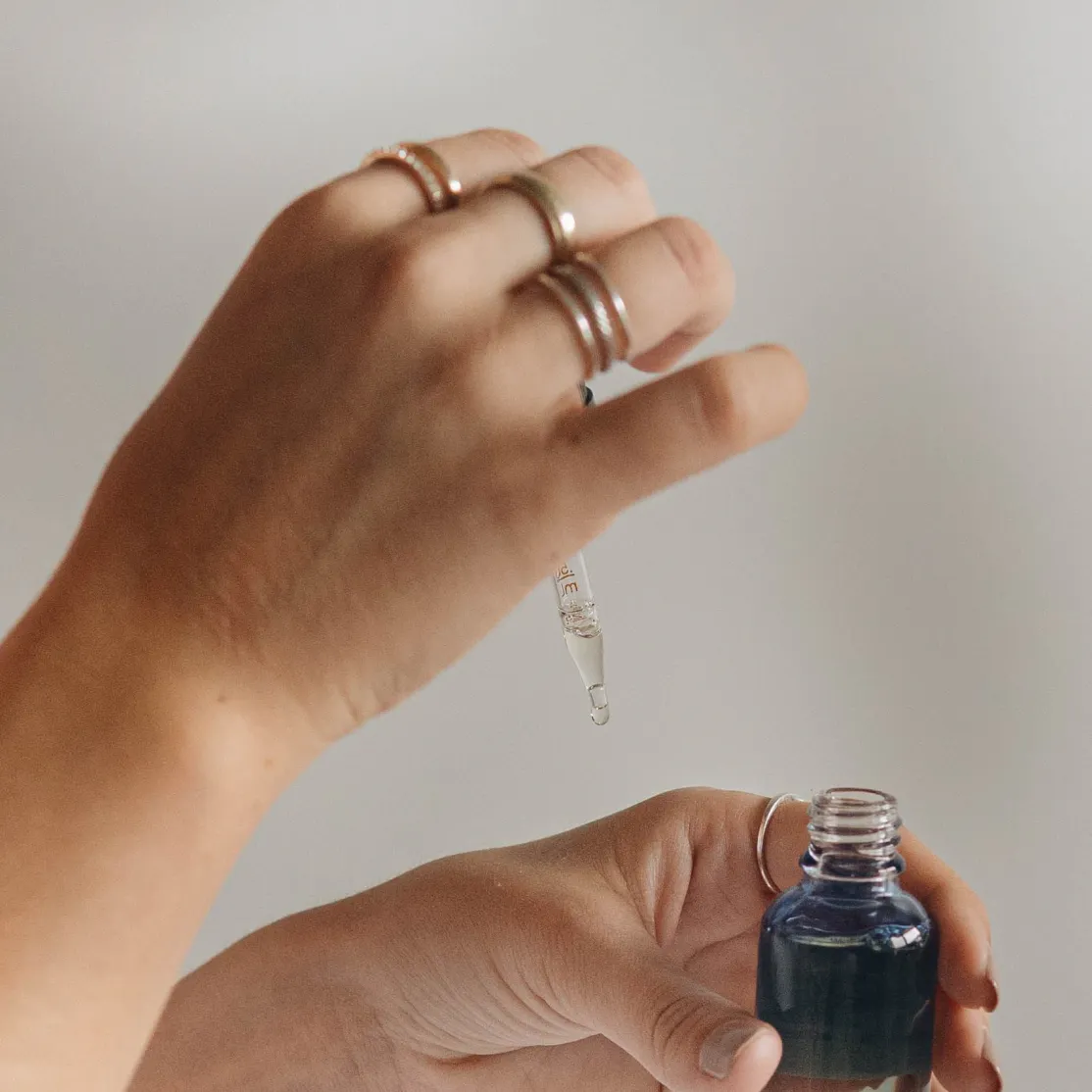


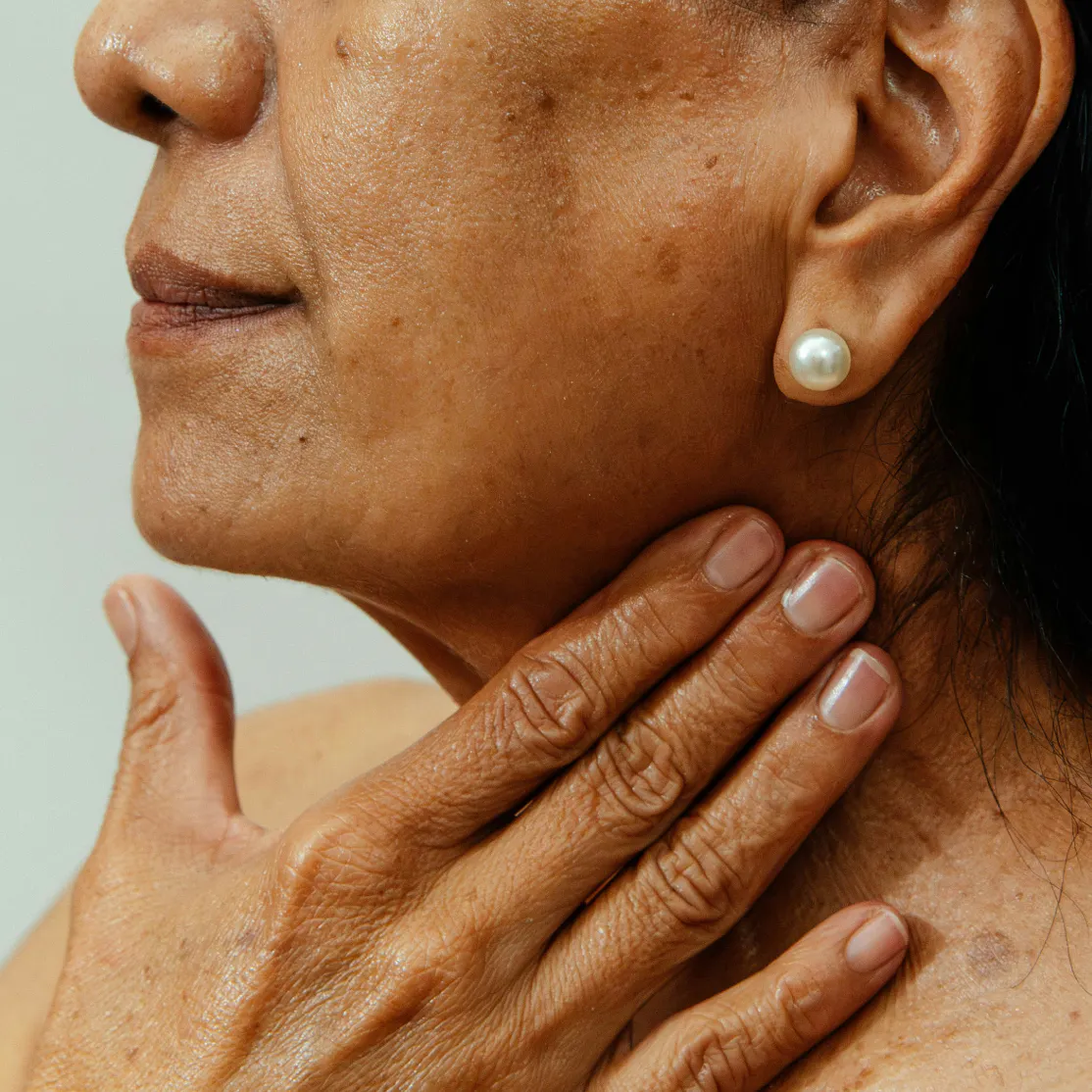
Peptides are also becoming increasingly popular in the skin care world, promising miraculous benefits for everything from improved skin to hair growth. While there's lots of unproven hype to debunk in this space, topical GHK-Cu is one of the more well-studied peptides women are curious about. As GHK-Cu penetrates the skin, it works to prompt the production of proteins like collagen and elastin, helping to soften wrinkles and keep complexion firm over time. But is the topical GHK-Cu peptide really as age-defying as social media suggests? And what should you know about the injectable version of this peptide? Keep reading to learn what we know—and what women in midlife should keep in mind. (And as always, talk with a healthcare professional, such as a Midi Health clinician, for personalized guidance.)
If you feel like peptides are everywhere right now, you’re not wrong. Peptides, which the body naturally produces, are chains of amino acids (the building blocks of proteins). They are fundamental components of all our tissues, including the skin.
Some peptides are found in gold-standard injectable medications like insulin and in semaglutide drugs such as Ozempic, a GLP-1 (which stands for glucagon-like peptide-1), while others take the form of unregulated, unofficial injectable treatments. But peptides are also a buzzy focus in the skin care world. One popular example you might be curious about is topical GHK-Cu, a well-researched copper peptide.
This peptide is bound to a copper ion that prompts skin cells to make more proteins like collagen and elastin. It has proven benefits for the skin, and it has shown promise in scientific studies for anti-aging, wound healing, and anti-inflammatory and antioxidant power. But it’s not a miracle cure, and there is no substantial data on its impact on thinning hair, nor great studies on systemic use for weight gain—benefits touted by some without much evidence. What's more, while GHK-Cu is well-studied as a topical skin care ingredient, it is currently much less evidenced as a systemic injectable treatment.
Below, we'll unpack everything to know about GHK-Cu, from the benefits topical GHK-Cu can offer to the limitations to consider.
What Is the GHK-Cu Peptide?
Peptides, including copper peptides like GHK-Cu, are found naturally in the body, but like so many other things—namely, collagen and elastin—they decline with age.
GHK-Cu works as a carrier peptide that signals fibroblast cells to produce more collagen and elastin. This copper tripeptide has been shown to have antioxidant and anti-inflammatory properties that help defend the skin from toxic free radicals and environmental damage from chronic sun exposure, supporting the skin barrier and promoting skin healing. It also boosts collagen production, and over time, this can soften fine lines and firm the skin.
The important thing to know is that topical GHK-Cu is not the same thing as injectable GHK-Cu. Licensed clinicians can prescribe compounded pharmaceutical-grade topical GHK-Cu, but injectable GHK-Cu is restricted by the FDA. (More on that below.)
GHK-Cu Benefits: What the Evidence Shows (and What It Does Not)
GHK-Cu’s proven topical benefits are focused primarily on skin barrier repair and wound healing.
- The copper peptide has antioxidant properties that protect and repair DNA in the skin from environmental damage.
- The trace mineral copper in GHK-Cu has been shown to have anti-inflammatory properties that help soothe skin, as well as wound healing benefits for damaged tissue.
- GHK-Cu is also shown to stimulate collagen and elastin, smoothing and firming the skin over time without the potential skin irritation of prescription tretinoin or over-the-counter retinol.
To combat skin aging and menopause-related skin concerns like fine lines and wrinkles, many women are turning to topical GHK-Cu peptide serums—and reporting positive results. Still, the GHK-Cu peptide is not an anti-aging miracle or one-size-fits-all solution.
Claims that it can help with hair growth or weight loss are overstated, with little proven clinical evidence of its impact on hair health or weight loss. While GHK-Cu may be promising for scalp health in preclinical studies, relying on tried-and-true clinician-approved solutions may bring you better results when you’re dealing with menopause and hair loss. The same goes for weight loss: The GHK-Cu peptide has not been clinically proven to help with weight loss or suppress your appetite; on the other hand, peptides like GLP-1 medications can.
Skin Care Success Stories
Injectable GHK-Cu: The Approval Gap and the Safety Questions
Unlike FDA-approved insulin and GLP-1 medications, many injectable peptides that are touted as longevity and health cure-alls are neither FDA approved nor regulated, with their safety and efficacy unproven and some even risky. Some of these injectable peptides, including injectable GHK-Cu, have safety risks and cannot currently be compounded for purchase by a pharmacy.
You might see injectable GHK-Cu offered by online gray-market retailers selling supplies from unregulated pharmacies—but this is a big red flag and safety risk. What’s more, some wellness and longevity clinics, as well as doctors’ offices, are skirting regulations and offering injectable GHK-Cu off-label for all-over aging, post-procedure wound healing, and in scalp treatments to address hair thinning—but again, the evidence for systemic use is scant and currently restricted. The topical GHK copper, however, is unrestricted and legally recognized as a safe cosmetic peptide.
The bottom line? The injectable GHK-Cu peptide has some promising science, but it’s currently not approved for systemic use by the FDA. On the other hand, topical GHK-Cu is recognized as a safe peptide to use topically, with clinical studies demonstrating its support of skin health and tested specifically as ways to improve aging skin.
If the Real Goal Is to Address Aging or Changing Menopausal Skin
If your top priority is improving your skin, especially during menopause, this is where copper peptide GHK-Cu can come into play.
As we touched on above, topical GHK-Cu can provide skin barrier repair and support, a collagen and elastin boost, and antioxidant properties that protect and repair DNA in the skin from environmental damage. GHK-Cu has also been shown to reduce inflammation to promote wound healing for damaged tissue.
Over-the-counter (OTC) topical skin care serums that contain GHK-Cu peptide—sometimes referred to on the ingredients list as “copper tripeptide-1” or “copper tripeptide complex”—often include more than just one peptide to ensure as many peptide skin benefits as possible, including stimulating fibroblasts to get busy making more collagen or blocking enzymes that cause collagen breakdown. (Check out Midi’s Copper Peptide Repair Cream, formulated by menopause-trained experts and designed to visibly restore firmness, hydration, and help calm irritation.)
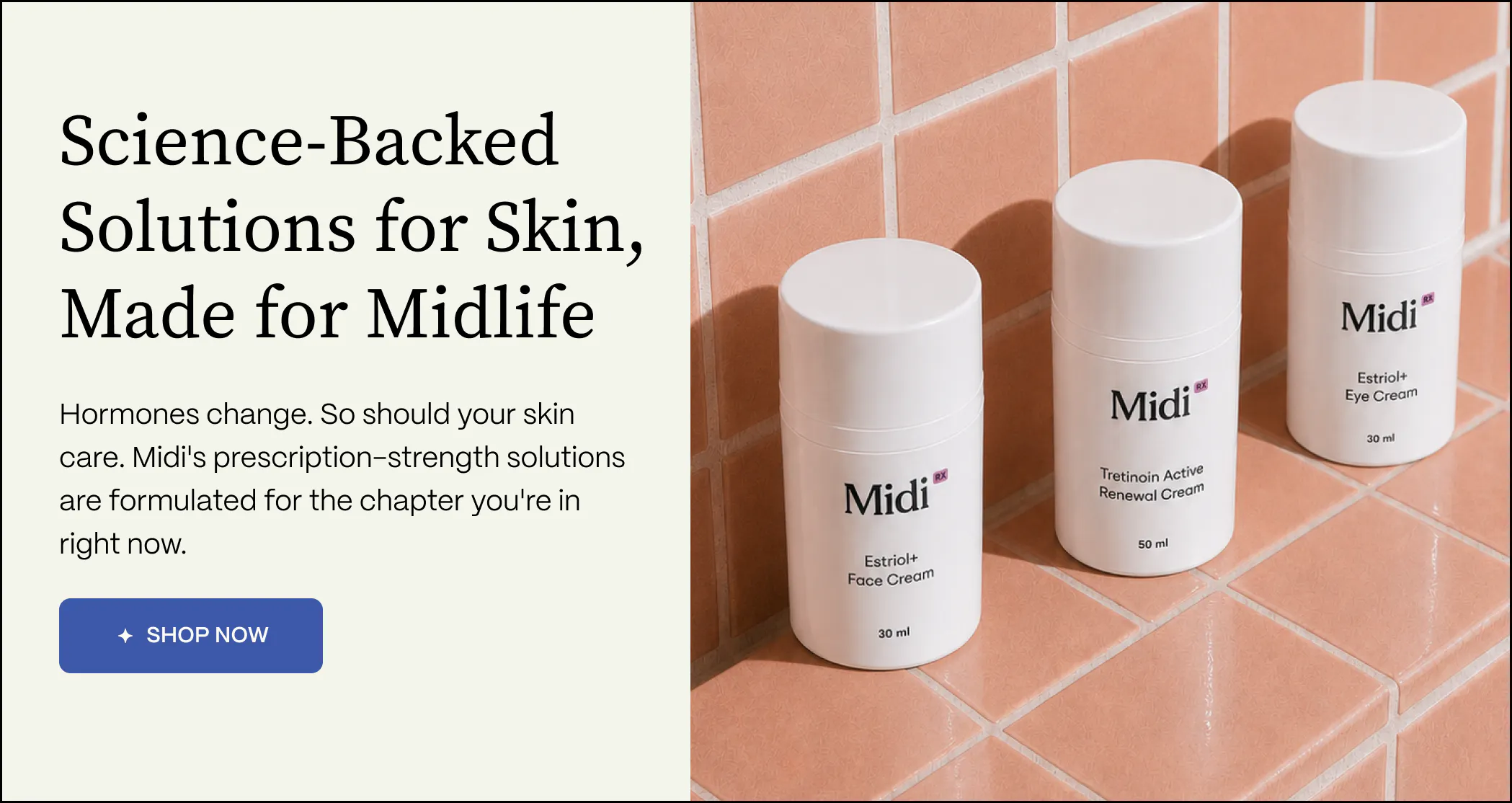
Even though the GHK-Cu peptide is well-studied and proven to help improve skin and strengthen the protective barrier over time, other topical ingredients can work hand in hand alongside copper peptides to optimize collagen production and skin rejuvenation. The most touted ingredients in skin care are retinol or prescription tretinoin and topical vitamin C. The retinols are clinically proven to stimulate collagen and elastin production, and vitamin C is a potent antioxidant that protects and repairs free radical damage.
You can use them individually or double down on antioxidant and collagen-building benefits by incorporating all three ingredients in your skin care routine, but do not apply them all at the same time. Layering on too many active ingredients is a recipe for skin irritation and inflammation—not to mention, confusion on what is causing what and what is helping.
There’s also some concern that copper peptides could lose their efficacy when layered with strong acids, vitamin C, or retinoids. Many women choose to use a GHK-Cu serum in the morning (under your daily moisturizer with broad-spectrum sun protection) and then use a retinol or vitamin C at night to avoid the sun sensitivity that can be caused by retinols. (Some women apply retinols on alternating nights or twice weekly to avoid the skin irritation that can come with daily use—or skip it altogether and just use GHK-Cu peptides topically.)
If you have sensitive skin that’s irritated by either retinol or vitamin C, then using a GHK-Cu peptide can be an effective and non-irritating option to promote collagen synthesis in the skin.
If the Real Goal Is to Reduce Hair Thinning in Midlife
While a copper peptide like GHK-Cu may reduce inflammation on the scalp and in the hair follicles, which can help promote healthy hair growth, it’s not a gold-standard therapy for hair loss. If you’re dealing with menopause-related hair thinning, there are a few effective and proven options to improve hair growth. Those include:
- Minoxidil, an FDA-approved topical medication proven to improve hair loss during menopause
- Finasteride (available by prescription under the brand name Propecia), another medication proven to help improve menopause-related hair loss, available in a topical and oral medication
- Topical solutions that contain various combinations of ingredients like finasteride, minoxidil, ketoconazole and latanoprost, with each ingredient coming with its own studies and evidence demonstrating impact on the hair growth cycle (more evidence than we have for GHK-Cu and hair growth!)
Most clinicians will advise starting with one or all of these care solutions. In order to find the right solution for your hair-thinning issue, it’s important to check with a healthcare professional, such as a Midi clinician, who can advise you on the most effective treatment options for you.

If the Real Goal Is to Counter Body Changes or Weight Gain in Midlife
Weight gain during menopause is common, especially considering the hormone shifts and stress that accompanies this time. In order to manage weight gain and keep extra pounds off, it’s key to start with the basics, like sufficient sleep, a healthy diet, and a regular fitness routine.
If you’re looking for other ways to support weight loss and are curious about peptides, the top options to consider are proven GLP-1 drugs, such as Ozempic or Wegovy—not GHK-Cu. That’s because the GHK-Cu copper peptide has much more evidence in wound healing, improving skin laxity, reducing inflammation, and stimulating collagen and elastin production—it’s not typically recommended for appetite suppression or weight loss.
You can also talk with your clinician about how hormone replacement therapy (HRT) may help with weight gain. A clinician, like one at Midi, can talk with you about this care solution and how it can be an effective tool to make healthy changes more sustainable. They can chat you through effective, expert-recommended options, including lifestyle strategies and prescription weight loss care when appropriate.
Why It's Smart to Work with a Clinician
Speaking with a healthcare professional can set you up on an effective skin care and healthcare journey. For instance, you may benefit from using collagen-boosting ingredients, such as retinoids or vitamin C, in addition to a GHK-Cu peptide. Or you may learn that going on HRT is a solution to a few menopause-related issues you’re dealing with, from dry skin to hot flashes.
It’s important to understand the difference between medically proven facts and research versus hype and TikTok trends. A trained clinician, such as a Midi clinician, can give you personalized, evidence-based guidance for weight treatments, menopause symptom management, and a skin care plan that works for you. Doing a little homework and talking with a medical professional has a real payoff in the short term and the long run.

Key Takeaways
- The topical GHK-Cu copper peptide stands out as a well-researched and clinically proven topical skin care ingredient. It helps support and repair the skin barrier, improves wound healing, calms inflammation, and prompts collagen and elastin formation to help firm the skin and soften fine lines.
- While GHK-Cu is a well-researched topical ingredient, injectable GHK-Cu peptides are neither FDA approved nor regulated and aren't recommended.
- While research confirms the antioxidant and anti-inflammatory benefits of the GHK-Cu copper peptide, that doesn’t mean that it’s a wonder drug, and you are likely better directed to other care solutions for hair growth (although it may help to calm inflammation on the scalp) or weight loss (that’s where peptide-based drugs like Ozempic are proven to help).
Frequently Asked Questions (FAQs)
What is the GHK-Cu peptide used for?
The GHK-Cu peptide is a clinically proven topical skin care ingredient. In addition to stimulating collagen and elastin production, carrier peptides transport minerals, like copper, to skin cells for wound healing and repair. It has been shown to have antioxidant and anti-inflammatory properties that help defend the skin from toxic free radicals and environmental damage. Copper peptides like GHK-Cu are proven to help with barrier repair and for overall skin health.
Is GHK-Cu FDA approved?
Injectable GHK-Cu is not FDA approved or regulated. While the FDA doesn't approve cosmetic ingredients, topical GHK-Cu peptide is generally considered safe and is available in over-the-counter products.
Is it safe to inject GHK-Cu?
No, injectable GHK-Cu is not currently considered safe. It's currently labeled as a category 2 substance, meaning that the FDA has identified an ingredient as having a possible safety risk and it cannot be used in compounded medications. (Some retailers circumvent these regulations and safety reviews, citing that the sale of these peptides is for “research purposes” or simply by using non-regulated, non-accredited pharmacies altogether—both of which are red-flag practices that raise concerns about their overall safety practices.)
Is GHK-Cu worth the hype?
Topical copper peptides like GHK-Cu are proven to help with barrier repair and skin healing only. However, injectable GHK-Cu peptides are currently unproven and experimental, making them not worth the hype—and not safe.
Can I use copper peptides daily?
Yes, you can use a topical GHK-Cu peptide product daily to help support your protective skin barrier and boost collagen production.
If you’re in perimenopause or menopause and want guidance from clinicians who specialize in women’s midlife health, book a virtual visit with Midi today.
Hormonal change is at the root of dozens of symptoms women experience in the years before and after their period stops.
Our trained menopause specialists can help you connect the dots to guide you towards safe, effective solutions.
Whether you need personalized guidance or a prescription routine to tackle symptoms—including brain fog, hot flashes, sleep trouble, mood swings, and weight gain—we’ve got you covered. Learn more here.
Midi’s mission is to revolutionize healthcare for women at midlife, wherever they live and whatever their health story. We believe that starts with education, to help all of us understand our always-changing bodies and health needs. Our core values guide everything we do, including standards that ensure the quality and trustworthiness of our content and editorial processes. We’re committed to providing information that is up-to-date, accurate, and relies on evidence-based research and peer-reviewed journals. For more details on our editorial process, see here.