
Are you trying to choose between berberine and inositol—or wondering if you can just take both? We’ve got you covered. Both supplements are popular for improving insulin sensitivity, managing blood sugar, and supporting weight loss goals. But that doesn’t mean taking them together is better—or safe—for everyone. Here’s the lowdown on berberine versus inositol, including what the research says about benefits, dosing, and how a menopause-trained clinician at Midi Health can help you sort through your options.
If stubborn weight gain, blood sugar spikes, or energy dips have you looking for a little extra help, you may have come across berberine and inositol. Both supplements have gotten plenty of attention for potential benefits like lowering blood sugar and supporting weight loss. And that may make you wonder whether taking them together would be even more effective.
The question feels especially relevant in midlife. As estrogen declines during perimenopause, insulin resistance can increase, potentially affecting your blood sugar, body composition, and overall metabolic health. That might explain why supplements linked to better insulin sensitivity may suddenly spark your interest.
So, can you take berberine and inositol together—or better yet, should you? They work differently in the body, and while people often combine them, there's still limited research on whether the combo works any better than taking either supplement alone.
We’ll break down what each supplement does, what we know about combining them, and details on dosing and safety. And we’ll explain why talking with a clinician trained in midlife health (like one at Midi) is a smart idea before adding a supplement to your routine.
What Are Berberine and Inositol?
Berberine and inositol are two popular supplements for blood sugar and metabolic health, but they aren't the same thing.
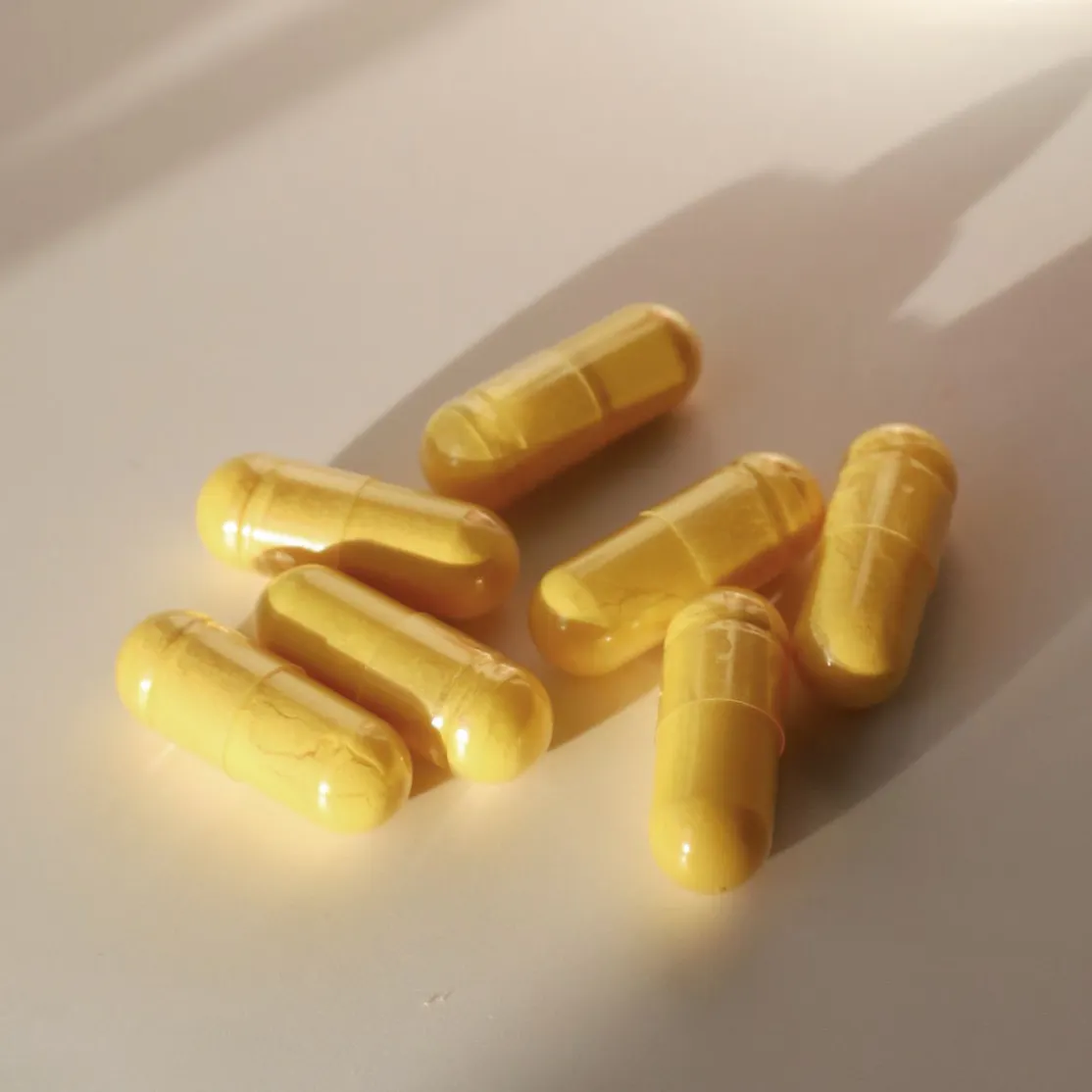
Berberine is a bitter yellow compound found in plants like barberry, goldenseal, and Oregon grape. It has been used in traditional medicine for centuries, and now it’s also become a popular dietary supplement, usually in capsule form.
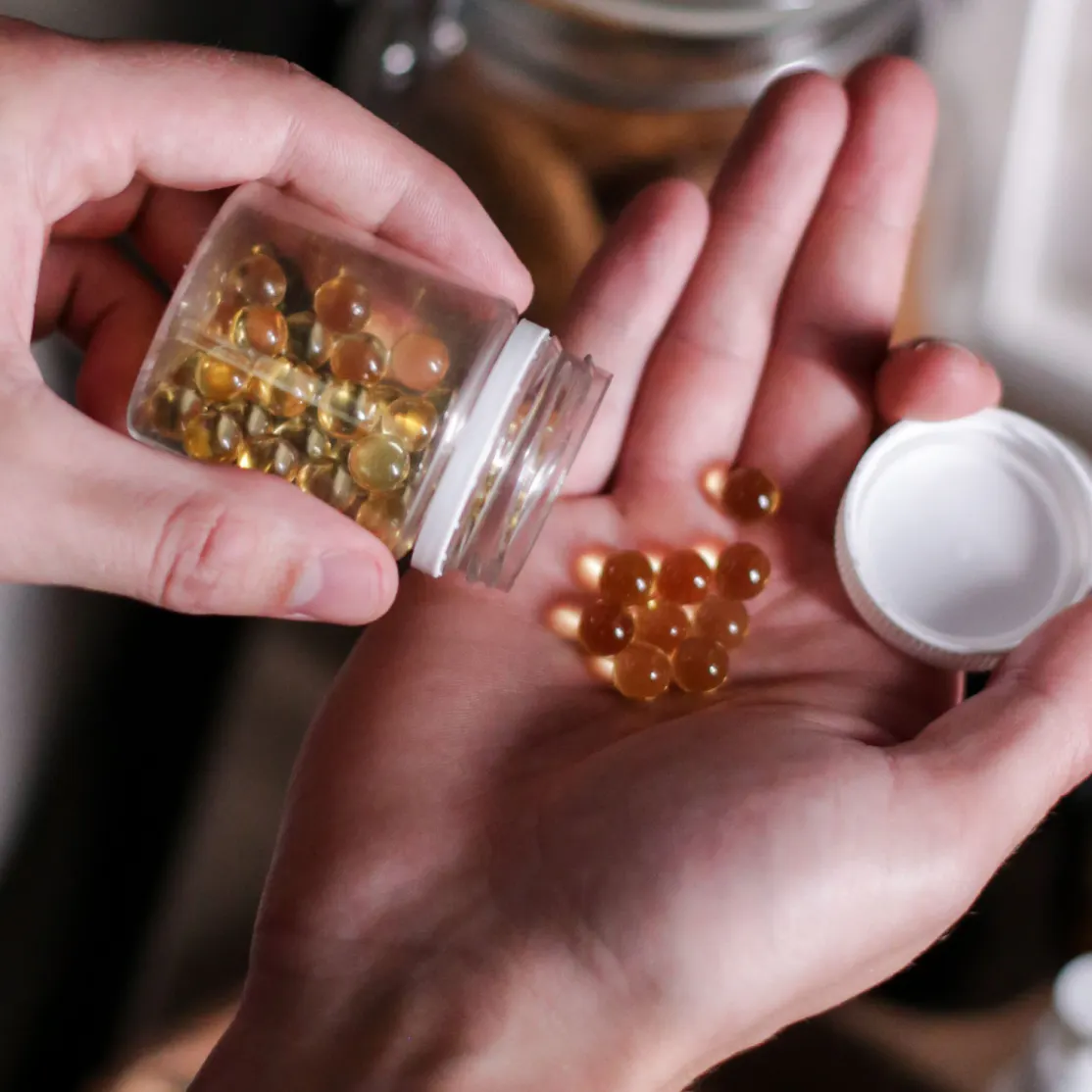
Inositol is a sugar-like compound that your body makes naturally. Sometimes called vitamin B8 (though it isn’t technically a vitamin), it’s also found in certain citrus fruits, beans, whole grains, and nuts. Myo-inositol and D-chiro-inositol are the two forms you’ll see most often in supplements, typically as powders or capsules.
Neither is a prescription drug, which means supplement potency, quality, and dosing can vary from product to product.
Though both berberine and inositol have been studied for their potential effects on metabolic health, including blood sugar and insulin sensitivity, they affect different pathways in the body.
How Does Each One Work in the Body?
Berberine may activate AMP-activated protein kinase (AMPK), an enzyme that affects how your body uses and stores energy. Think of AMPK as a metabolic switch: When it’s turned on, it helps your cells take up glucose (sugar) from your blood and use it for energy, while signaling your liver to make less glucose. It also helps your body break down and use fat for energy, rather than storing more of it. That may help explain berberine’s potential effects on cholesterol and triglycerides, two types of fat in the blood.
Inositol is involved in the signaling process that helps insulin do its job. Myo-inositol and D-chiro-inositol help carry insulin’s message inside cells, influencing how glucose is taken up, used, and stored. Inositol may also help regulate menstrual cycles and support ovulation. That’s one reason some women use it to help manage polycystic ovary syndrome (PCOS, now called polyendocrine metabolic ovarian syndrome, or PMOS) which can interfere with ovulation and affect insulin sensitivity.
Combining them doesn’t automatically mean better results, though. And there’s no guaranteed results with either one. Berberine and inositol may give your metabolic health some extra support, but neither is a stand-alone fix for concerns like insulin resistance or high blood sugar.
Can You Take Berberine and Inositol Together?
Generally, you shouldn’t take berberine and inositol together, unless you talk with a clinician first. Both supplements can lower blood sugar, and combining them could increase your risk of hypoglycemia.
That doesn’t mean the combo is unsafe for everyone. The bigger issue is that there isn’t much research on taking berberine and inositol together, so it’s hard to say whether taking them together comes with added benefits or risks.
A small clinical trial found that a combination supplement with berberine and inositol helped improve blood sugar and insulin resistance. However, the supplement also contained three other active ingredients, so it’s impossible to know which ones were responsible for the results. (Plus, the research was partly funded by a supplement company).
Another recent study in mice found that combining berberine and inositol for PCOS helped balance reproductive hormones, reduce ovarian cysts, and improve fertility more than either supplement alone. But we need human clinical trials to determine whether the combination is safe and effective for people.
Starting with one supplement at a time also helps you see whether it’s actually helping, how well you tolerate it, and whether it causes side effects. This is especially important if you take insulin, metformin, or another medication that lowers blood sugar.
What Does the Research Actually Show?
There’s promising research on the benefits of berberine and inositol. Each supplement has shown potential benefits for metabolic health. But the strength of the evidence—and where each supplement shows the most promise—varies.
Research suggests berberine may help:
- Improve insulin sensitivity and lower blood sugar: A study review found that berberine improved fasting blood sugar and several other markers of metabolic health.
- Improve cholesterol levels: The same review found that berberine lowered LDL (“bad”) cholesterol and triglycerides, both of which can increase the risk of heart disease.
- Help with modest weight loss: In a recent analysis, people taking berberine lost about 2 pounds more than those in control groups, on average, with small improvements in body mass index (BMI) and waist circumference.
- Support cardiovascular health: A review of 44 trials found that it improved some markers of inflammation and blood vessel function, particularly when taken alongside standard treatment. But the evidence was mixed.
Meanwhile, research suggests inositol may help:
- Support blood sugar levels: Inositol has been shown to increase insulin sensitivity and improve blood sugar levels. That may make it easier to keep blood sugar in a healthy range.
- Support hormonal health: Inositol may help regulate menstrual cycles and lower testosterone hormone levels in women with PCOS. And by helping the body respond better to insulin, it may ease some hormonal disruptions that can interfere with ovulation.
- Improve cholesterol: A 2025 analysis found that inositol helped improve total cholesterol, LDL cholesterol, and triglycerides, though the study quality varied.
There’s an important gap in all of this research: Little of it focuses on women in perimenopause or menopause. So we can’t assume that research translates directly to women navigating the menopause transition.
True Stories Of Transformation
Berberine vs. Inositol: Which One Fits Which Goal?
There’s plenty of overlap between the potential benefits of berberine and inositol, so choosing between them may depend on what concerns you’re hoping to address.
For example, there’s extensive research on how inositol may help with PCOS symptoms. And berberine has shown potential benefits for PCOS, too, including improved insulin resistance, testosterone levels, and ovulation.
A small study compared berberine, myo-inositol, and metformin in women with PCOS. After 3 months, all three women had improved measures of blood sugar and insulin, body composition, reproductive hormones, and cholesterol and triglycerides, to different degrees. But the study was small, short-term, and limited to women with PCOS.
So there’s no clear winner in the berberine versus inositol debate. Neither supplement is a replacement for medical treatment, but your health goals might point you to one over the other.
Berberine may be a better fit if you:
- want to address high blood sugar along with other metabolic concerns
- want to lower LDL cholesterol or triglycerides
- want help losing or managing your weight
Inositol may be a better fit if you:
- have PCOS and want to support regular periods or ovulation
- want to improve insulin resistance tied to PCOS
- want a supplement that may be easier on the stomach
Be sure to start with one—berberine or inositol—at a time so it’s easier to tell whether it’s helping, and if it’s causing side effects.
Why This Combination Comes Up So Often in Perimenopause
So, why are berberine and inositol often mentioned for midlife issues? As estrogen declines, your body may become less sensitive to insulin, making it harder to keep blood sugar steady. Lower estrogen can also affect cholesterol and triglyceride levels and change how your body stores fat.
You might notice that you’re gaining weight more easily and it’s harder to lose, especially around your midsection. You may have stronger cravings or more energy crashes after eating. Add in disrupted sleep, stress, and other perimenopause symptoms, and it’s easy to see why supplements like berberine and inositol sound appealing.
Also, perimenopause and PCOS can overlap in midlife. Common PCOS symptoms like irregular periods may become less pronounced, but metabolic concerns and an increased risk of type 2 diabetes can persist into and beyond menopause.
But neither berberine nor inositol addresses the hormonal changes driving the menopause transition. If midlife changes in weight, blood sugar, or cholesterol are bothering you, a clinician—like one of the menopause-trained specialists at Midi—can help. They can look at the bigger picture and create a personalized treatment plan, which may include a balanced diet, regular strength training, sleep support, and hormone replacement therapy (HRT, now commonly referred to as menopause hormone therapy, or MHT) when appropriate.

How Much Should You Take and When?
There’s no standard dosage for berberine or inositol supplements. But research gives us a general idea of the most commonly studied doses. Think of these as examples, not recommendations for how much you should take.
- Berberine: Many studies use doses of 500 milligrams (mg) of berberine, taken 2 to 3 times per day (for a total of 1,000 to 1,500 mg). Berberine is typically divided into multiple doses, rather than taken all at once, and it’s often taken with or around meals to boost absorption or make it easier on the stomach.
- Inositol: Studies often use around 2 to 4 grams (g) of inositol per day, with 4 g of myo-inositol per day being a frequently studied dose. You may see doses listed in milligrams on inositol supplement labels: 2 to 4 g is the same as 2,000 to 4,000 mg. Supplements that combine myo-inositol and D-chiro-inositol often use a 40:1 ratio, sometimes divided into two daily doses. But it’s important to note that researchers still don’t know the ideal dose or ratio.
When it comes to supplements, more isn’t necessarily better. Higher doses can increase the risk of side effects, and both berberine and inositol can affect blood sugar. That’s why it’s important to try one of these supplements at a time, and talk with a clinician (like a Midi clinician) first.

What Are the Side Effects and Interactions?
Both supplements can cause side effects:
- Berberine: The most common side effects are nausea, bloating, stomach pain, constipation, and diarrhea. Berberine can also affect liver enzymes that help your body process medications, potentially changing the effects of some drugs, including diabetes medications and statins.
- Inositol: It’s generally well tolerated, with GI side effects like nausea, gas, and diarrhea more likely at higher doses. Because inositol can lower blood sugar, it may interact with insulin, metformin, or other diabetes medications.
Talk with a clinician before taking either supplement if you use prescription medications, manage a chronic health condition, or are pregnant or breastfeeding. That’s especially important if you take diabetes or blood pressure medications, blood thinners, or immunosuppressants.
Who Should Avoid Berberine and Inositol?
Some women should skip berberine and inositol altogether, while others may be able to take them with a clinician’s guidance.
You should not take berberine if you’re pregnant or breastfeeding, as it may cause serious complications in infants.
And if you take any prescription medications, check with your clinician before using berberine because it can interact with several drugs. You may need closer monitoring if you take diabetes medications or tend to have low blood sugar, since berberine can lower it even further.
Inositol generally comes with fewer restrictions than berberine, but that doesn't mean it's right for everyone. If you take diabetes, hormone, or psychiatric medications, check with your clinician before adding inositol to the mix, since it can affect insulin, reproductive processes, and brain signaling.
You shouldn’t use either supplement to replace a prescription medication or other treatment your clinician recommends, either. If you’re interested in taking berberine or inositol, a healthcare professional, like a Midi clinician, can help you decide whether it makes sense for you and what to monitor.
When a Prescription Option May Make More Sense
Sometimes, blood sugar, weight, or other metabolic changes require more than a supplement. That’s where prescription treatments may come into the picture.
Berberine may be called “nature’s metformin,” but that comparison is pretty misleading. Metformin is a prescription medication used to treat type 2 diabetes. It helps lower blood sugar and improve insulin sensitivity, and it may support weight loss. Unlike dietary supplements, metformin has established dosing and safety protocols and a much stronger evidence base for treating specific health conditions.
If your HbA1c (a marker of average blood sugar) or fasting glucose is rising, you’ve had significant or unexplained weight changes, or you have a family history of type 2 diabetes, it’s important to talk with a clinician rather than trying to manage the issue on your own.
If you’re also dealing with menopause symptoms like hot flashes or night sweats, HRT may be worth discussing alongside nutrition, exercise, sleep, or metabolic treatments.
Consider booking a visit with a menopause-trained clinician—like those at Midi—who can help figure out what’s behind the changes you’re noticing instead of treating each symptom in isolation. They can create a personalized treatment plan that fits your needs.
How to Choose a Quality Supplement
Whenever you’re looking to buy a supplement, keep a few basics in mind:
- Check the Supplement Facts label: Look at the active ingredients, their forms and amounts, and the serving size, so you know what you’re getting.
- Look for third-party testing: Certifications from third-party testers help confirm that a product contains what the label says and meets quality and purity standards.
- Consider the formulation: Different forms or combinations of the same ingredients can affect how well you absorb and tolerate supplements. For example, Midi’s Berberine+ supplement uses dihydroberberine (DHB), a form that may be easier to absorb and may cause fewer GI side effects. With inositol, check whether the product contains myo-inositol, D-chiro-inositol, or both. If it has both, you’ll also want to check the ratio.
Key Takeaways
- Berberine and inositol are commonly used to support blood sugar and metabolic health. Both may improve insulin sensitivity, but they work differently in the body.
- There’s no clear winner in the berberine versus inositol debate. Berberine has stronger evidence for some metabolic concerns like high cholesterol and triglycerides, while inositol has more research for PCOS-related concerns like insulin resistance, irregular periods, and ovulation.
- Both can lower blood sugar, and you shouldn’t take berberine and inositol together without talking with a clinician first. This is especially true if you take diabetes medications or manage a chronic health condition.
- Berberine and inositol may support weight loss, but neither is a weight loss medication or a replacement for proven treatments.
- These supplements may sound especially appealing during perimenopause, but berberine and inositol don’t address the hormonal changes driving the menopause transition itself.
- If you’re considering either supplement, check with a menopause-trained clinician first—like the ones at Midi—and start with one at a time. They can help you decide whether berberine or inositol makes sense based on your symptoms, health, and medications.
Frequently Asked Questions (FAQs)
What supplements cannot be taken with berberine?
Generally, you shouldn't combine berberine with other supplements or medications that can lower blood sugar or blood pressure, increase bleeding risk, or cause drowsiness, unless you talk with a clinician first. Combining them could make these effects stronger and increase the risk of side effects.
Do inositol and berberine help you lose weight?
Inositol and berberine may support modest weight loss, especially in people with PCOS, insulin resistance, or metabolic syndrome. But neither is a weight loss medication, and results may vary depending on your health, diet, and other factors.
Is there a downside to taking inositol?
Inositol is generally well tolerated, but it can cause GI side effects like nausea, gas, or diarrhea, especially at higher doses. It can also lower blood sugar, so check with a clinician before taking it if you also take diabetes medications or other supplements that can lower blood sugar.
Is berberine or inositol better for PCOS weight loss?
Both may support modest weight loss, but there’s not enough research to say whether berberine or inositol is better for PCOS weight loss.
What not to mix inositol with?
Inositol can lower blood sugar, so check with a clinician before taking it with insulin, metformin, or other medications, as well as supplements like berberine. Combining them could make your blood sugar drop too low.
If you’re in perimenopause or menopause and want guidance from clinicians who specialize in women’s midlife health, book a virtual visit with Midi today.
Hormonal change is at the root of dozens of symptoms women experience in the years before and after their period stops.
Our trained menopause specialists can help you connect the dots to guide you towards safe, effective solutions.
Whether you need personalized guidance or a prescription routine to tackle symptoms—including brain fog, hot flashes, sleep trouble, mood swings, and weight gain—we’ve got you covered. Learn more here.
Midi’s mission is to revolutionize healthcare for women at midlife, wherever they live and whatever their health story. We believe that starts with education, to help all of us understand our always-changing bodies and health needs. Our core values guide everything we do, including standards that ensure the quality and trustworthiness of our content and editorial processes. We’re committed to providing information that is up-to-date, accurate, and relies on evidence-based research and peer-reviewed journals. For more details on our editorial process, see here.