


There’s a reason you’re hearing about “gut health” at every turn: Your gut plays a big role in your overall health, and, when needed, gut health supplements may help things along. But with so many products on the market, choosing one can feel overwhelming. There are probiotics for gut health, digestive enzymes, prebiotics, and more, and the right choice depends on what you need help with. Midi Health clinicians can help make sense of your options, including what may actually help and what you can probably skip.
It’s common for women to reach midlife with what feels like an entirely new digestive system—new or worsening bloating, constipation, gas, and food sensitivities seem to show up out of nowhere. Several factors may be at play, but one that’s often overlooked is the hormone-gut connection. Shifting hormones can contribute to digestive changes during perimenopause and menopause. And when your gut suddenly feels off, it’s easy to wonder whether gut health supplements can help.
But it’s easy to fall down a rabbit hole of powders, gummies, and capsules that you may not actually need. More supplements in your medicine cabinet don’t always equal better health—and that’s certainly the case with gut health vitamins.
That’s not to say that a quality, well-chosen supplement can’t be effective. But what may help depends on your symptoms and what’s causing them. A healthcare professional, like a Midi clinician, can help you figure out what’s worth trying and make sure it’s safe for you.
Below, we break down the different types of gut health supplements and what the research says about them. You'll also learn how to manage gut changes in midlife and when to get medical care for tummy troubles.
Gut Health Supplements: What They Actually Do
Gut health supplements can help support a diverse gut microbiome. Think of your gut microbiome as the community of bacteria, fungi, and other microorganisms living in your digestive tract. These microbes help break down food, produce nutrients, and interact with your immune system and brain, which may influence your mood.
But not every gut health supplement does the same thing. Some support the microbes already living in your gut, while others add beneficial bacteria or help your body digest food. Here’s how experts define some of the main types:
- Prebiotics feed beneficial gut microbes and help them do their job.
- Probiotics add live, beneficial microorganisms to your gut.
- Synbiotics combine probiotics and prebiotics in one product.
- Postbiotics contain microbial fermentation products or parts of them to help support gut health.
- Digestive enzymes help your body break down certain parts of food.
- Fiber supplements help keep bowel movements regular and make stools easier to pass.
There’s a lot happening behind the scenes, too. When gut bacteria break down certain fibers, they produce compounds called short-chain fatty acids, which help support your gut lining and immune system.
But gut health supplements aren’t approved to treat digestive conditions, and the “best” one depends on your symptoms and what’s causing them, not the trendiest product you’ve seen online or on store shelves.
How Do Menopause and Perimenopause Affect Gut Health?
If your digestion seems different in midlife, hormones may be one reason why. Estrogen and progesterone fluctuate during perimenopause and eventually decline, and these changes can affect how your digestive system works. Changes in progesterone, for example, may slow gut motility, or the movement of food through your digestive tract.
Estrogen has its own connection to gut health. The estrobolome is part of your gut microbiome and includes bacteria that help your body process estrogen. It’s a two-way relationship: Estrogen may influence the gut microbiome, while gut bacteria also help metabolize and regulate estrogen.
Together, these hormonal shifts may contribute to symptoms such as constipation, bloating, and nausea.
But hormones aren’t the only thing changing in midlife, either. Stress, disrupted sleep, medication side effects, and thyroid changes can all affect digestion, which can make it harder to figure out what’s behind a new gut symptom. That’s also why adding a new gut health supplement may not be enough.

Probiotics for Gut Health: What the Evidence Shows
Probiotics are live microorganisms that can support your gut microbiome. But their benefits depend on the specific strain, which is why a probiotic that helps with one issue may not help with another.
The evidence is stronger for some uses than others. Certain probiotics may help prevent diarrhea caused by antibiotics or improve symptoms of irritable bowel syndrome (IBS). But there’s less evidence that taking a probiotic simply for general gut health will benefit everyone.
Probiotics may also have benefits beyond the gut. Certain strains of Lactobacillus and other probiotics have been studied for their potential to support a healthy vaginal microbiome and urinary health. One review found that vaginal Lactobacillus probiotics may help prevent recurrent UTIs in women, although more research is needed to determine which strains work best.
You can also get probiotics from your diet, including fermented foods such as yogurt, kimchi, sauerkraut, and some kombucha. Food and supplements aren’t necessarily interchangeable, though, especially when a specific probiotic strain has been studied for a particular health concern. Depending on your needs, a clinician can help you decide what kind of probiotic, if any, is right for you.
If you do choose a probiotic for women’s gut health, look for the CFUs, or colony-forming units, which tell you how many live microorganisms a product contains. The strain, dose, and storage requirements matter, too.
Prebiotics vs. Probiotics: What’s the Difference?
Probiotics are live microorganisms that can support your gut microbiome, while prebiotics are non-living compounds, mostly fiber, that feed beneficial microbes already living there. Common prebiotics include inulin, fructooligosaccharides (FOS), and resistant starch.
When gut bacteria break down prebiotic fibers, they produce compounds like butyrate that help support your gut lining. You can get prebiotics from foods like onions, garlic, bananas, beans, and whole grains, or from supplements.
You may also come across synbiotics, which combine probiotics and prebiotics, but you don’t necessarily need a combination product to support your gut health.
One thing to know before adding more prebiotics or probiotics: Gas and bloating can happen when you first start. Introducing them gradually may give your digestive system time to adjust.
Digestive Enzymes, Fiber, and Other Gut Health Supplements to Know
Beyond probiotics and prebiotics, other gut health supplements may help with specific digestive concerns. But what they do and how strong the evidence is varies widely. Here are some common options you might come across while shopping for supplements.
Digestive enzymes
Digestive enzymes are proteins that help break down food and aid digestion. Your body makes them naturally, but certain enzymes are also available as supplements. Lactase, for example, may help people who are lactose intolerant digest dairy by breaking down lactose.
The benefits of general digestive enzyme blends are less clear. If you don’t have a specific enzyme deficiency or intolerance, there isn’t strong evidence that taking a blend of enzymes will improve digestion.
Fiber
Women generally need about 25 to 28 grams of fiber per day. But most people fall short—research suggests that only about 6% of adults in the United States meet the daily recommendation. Fiber supplements can help if you’re not getting enough from food. To boost your daily intake, Midi’s Daily Fiber+ provides 5 g of fiber per serving from soluble fiber and prebiotic-rich green banana powder.
Soluble fiber, found in foods like oats, beans, lentils, and berries, can help with stool consistency as well as blood sugar and cholesterol. Insoluble fiber, found in foods like wheat bran, vegetables, and fruit skins, adds bulk to stool and supports regular bowel movements.
Adding too much fiber too quickly can cause gas, bloating, and cramping. So if you decide to take a fiber supplement, increase your intake gradually and make sure you stay hydrated.

Ginger
Small studies suggest that ginger may help with indigestion, in part by helping food move through the stomach. It may also help with nausea during pregnancy. Midi clinicians may recommend ginger for mild nausea, cramping, or bloating that can happen with progesterone therapy or weight management medications.
Magnesium
Different forms of magnesium can affect your digestive system differently. Magnesium citrate draws water into the intestines, which can soften stool and help relieve constipation, while magnesium glycinate tends to have less of a laxative effect.
Berberine
Berberine is often used for metabolic and cholesterol support, but its antimicrobial effects may also influence the bacteria that make up your gut microbiome. That doesn’t necessarily make it a “gut health” supplement, though, since changing the microbiome isn’t always the same as improving it. Because berberine can also cause side effects and interact with medications, talk with a clinician before taking it long term.
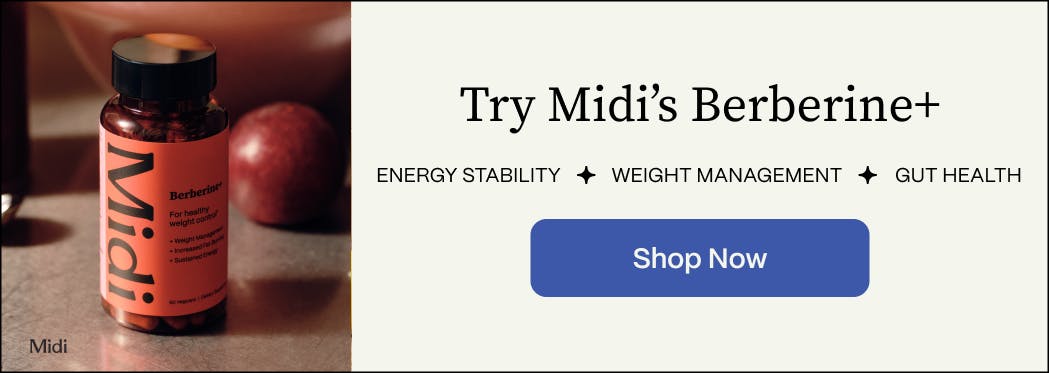
If berberine is a good fit for you, Midi’s Berberine+ uses dihydroberberine (DHB), a more absorbable form of berberine, in an extended-release formula designed to be gentler on the stomach.
Vitamin D
You might also see vitamins for gut health while shopping for supplements. Vitamin D can play a role in gut health, and some research has shown that supplementation may change the makeup of the gut microbiome. But that doesn’t mean everyone needs a vitamin D supplement for gut health. If you’re concerned about your vitamin D level, talk with your clinician about whether testing or supplementation makes sense.
Do Gut Health Supplements Really Work?
They can, but whether a gut health supplement works depends on what you’re taking and what you’re trying to address. For example, fiber supplements can help with constipation and regularity, while certain probiotic strains may help with specific digestive concerns, such as diarrhea from taking antibiotics or IBS symptoms.
Some supplements work quicker than others. Magnesium citrate, for example, can produce a bowel movement within 30 minutes to 6 hours, while other gut health supplements may take longer to make a noticeable difference. If you’ve been taking a supplement as directed and aren’t noticing a benefit, or your symptoms are getting worse, talk with a clinician about whether it makes sense to keep taking it.
And remember that gut health supplements aren’t a cure-all. Persistent or worsening bloating, constipation, diarrhea, pain, or other gut changes may have an underlying cause that needs to be addressed rather than another supplement.
How to Choose a Quality Gut Health Supplement
With so many gut health supplements to choose from, look beyond promises like “heal your gut” or “reset your microbiome.” Instead, focus on a few signs that can help you make a more informed choice, such as:
- Third-party testing: Look for products tested by an independent organization, which can help verify that a supplement contains what the label says and has been checked for contaminants.
- Clear probiotic strains: If you’re choosing a probiotic, look for a label that names the specific strains. Ideally, you'll choose strains that have been studied for the specific concern you’re trying to address.
- CFU counts: Probiotic labels should tell you how many colony-forming units (CFUs) the product contains. A higher CFU count isn’t necessarily better; the right amount depends on the strain and what you’re using it for.
- Transparent doses: Be cautious of products that don’t tell you how much of each active ingredient they contain or make sweeping claims about what the supplement can do.
And don’t forget that supplements can interact with medications. Talk with a clinician about any gut health supplements you want to try, especially if you take prescription medications.

How to Improve Gut Health Beyond Supplements
If you’re wondering how to improve gut health, supplements aren’t the only option. A lifestyle-first approach can make a difference. Rather than trying a dramatic gut “detox” or “reset,” focus on small, sustainable changes like these:
- Staying hydrated and eating a variety of fiber-rich foods: Fruits, vegetables, whole grains, beans, nuts, and seeds can help you get a mix of soluble and insoluble fiber, which support beneficial gut bacteria and bowel regularity in different ways. Staying on top of hydration may help here, too.
- Consider what foods trip you up: On the flip side of things, there are certain foods or drinks you may want to limit or avoid, depending on the digestive issues you’re dealing with. That might look like avoiding coffee or spicy foods if you deal with reflux, for example.
- Eating a balanced diet: Beyond fiber, aim for a variety of whole foods and pay attention to possible triggers––like alcohol or ultraprocessed foods—that make your digestive symptoms worse.
- Moving regularly: Aim for at least 150 minutes of moderate aerobic exercise and 2 strength-training workouts per week. Regular physical activity can help support healthy digestion and bowel regularity, along with plenty of other benefits for your health.
- Prioritizing sleep and stress reduction: Aim for 7 to 9 hours of quality sleep nightly. Sleep, stress, and gut health are interconnected through the gut-brain axis, so taking care of one may help support the others.
When to Talk With a Clinician About Gut Symptoms
There’s a difference between occasional bloating and constipation that can be managed with lifestyle adjustments and symptoms that may need medical attention. If your digestive symptoms are new, persistent, getting worse, or interfering with your daily life, it’s worth checking in with a clinician rather than continuing to add gut health supplements.
Some red-flag symptoms deserve more prompt medical attention, including:
- blood in your stool or black, tarry stools
- unexplained weight loss
- persistent or severe abdominal pain
- persistent vomiting or diarrhea
- fever along with digestive symptoms
Not every ongoing gut symptom points to a gastrointestinal condition, either. In midlife, hormone changes, thyroid problems, medications, and other health conditions can sometimes contribute to digestive changes.
Midi clinicians can help you sort through new digestive symptoms alongside perimenopause or menopause symptoms and determine whether hormones may be playing a role. From there, you can work together to decide what next steps make the most sense.
Keeping track of your symptoms and bringing a list of your medications and supplements to your visit can help your clinician narrow down what might be going on.
Key Takeaways
- Some gut health supplements may help with specific concerns like constipation, bowel regularity, and nausea, but others may not live up to their marketing claims.
- Hormone changes during perimenopause and menopause can affect digestion, but they’re not the only possible cause of new gut symptoms.
- The right gut health supplement depends on your symptoms and what’s causing them. Options like probiotics, prebiotics, fiber, and digestive enzymes work in different ways, and not everyone needs one.
- Supplements are only one way to support your gut. Eating a balanced, fiber-rich diet, moving regularly, getting enough sleep, and managing stress can help, too.
- If digestive symptoms are new, persistent, getting worse, or interfering with your daily life, check in with a clinician rather than continuing to add supplements.
Frequently Asked Questions (FAQs)
What is the best supplement for gut health?
The best supplement for gut health depends on your specific needs. Probiotics may help with IBS symptoms, fiber may ease constipation, and digestive enzymes may help break down certain foods. Botanicals like ginger may help relieve mild nausea or bloating.
What are the 7 signs of an unhealthy gut?
There aren't 7 definitive signs of an "unhealthy gut," and symptoms can vary from person to person. Some to watch for include bloating, gas, constipation, diarrhea, and abdominal pain. These are common and can happen temporarily even with a healthy gut, such as after certain foods or medications. But if they’re persistent or keep coming aback, talk with a clinician. Skin issues and fatigue can sometimes occur alongside digestive problems, too, but they have many other causes.
How do I fix my gut health quickly?
There’s no quick fix for gut health, but small, consistent habits can help support it over time. Focus on eating a balanced, fiber-rich diet, getting enough sleep, managing stress, and moving regularly. Supplements may also help with specific digestive concerns when needed.
What is a 7-day gut reset?
A 7-day gut “reset” is usually a diet or wellness plan that claims to improve your gut health in a week. But there’s no proven way to “reset” or “detox” your gut. Instead, focus on small, sustainable habits like eating a balanced, fiber-rich diet, exercising regularly, and getting enough sleep.
Is kombucha good for gut health?
Possibly, but the evidence is still very preliminary. Kombucha is a fermented drink that may contain probiotics that help support your gut, but it isn’t better than other fermented or probiotic foods. Its acidity, carbonation, and sugar content can even be a problem for some people. You don’t need kombucha for a healthy gut.
If you’re in perimenopause or menopause and want guidance from clinicians who specialize in women’s midlife health, book a virtual visit with Midi today.
Hormonal change is at the root of dozens of symptoms women experience in the years before and after their period stops.
Our trained menopause specialists can help you connect the dots to guide you towards safe, effective solutions.
Whether you need personalized guidance or a prescription routine to tackle symptoms—including brain fog, hot flashes, sleep trouble, mood swings, and weight gain—we’ve got you covered. Learn more here.
Midi’s mission is to revolutionize healthcare for women at midlife, wherever they live and whatever their health story. We believe that starts with education, to help all of us understand our always-changing bodies and health needs. Our core values guide everything we do, including standards that ensure the quality and trustworthiness of our content and editorial processes. We’re committed to providing information that is up-to-date, accurate, and relies on evidence-based research and peer-reviewed journals. For more details on our editorial process, see here.