
 Heather Hofflich, DO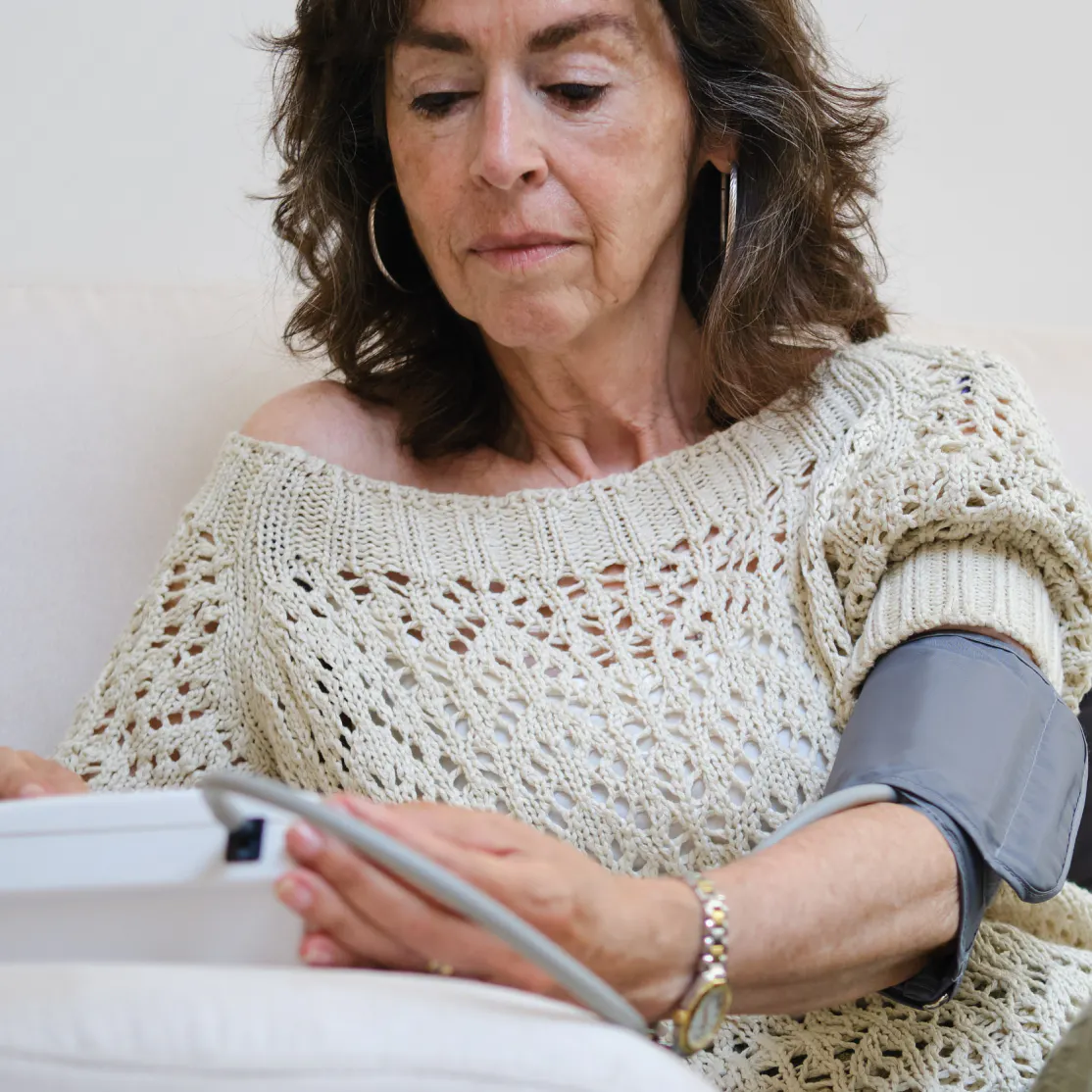
Before you enter menopause, heart concerns might not be on your radar. And that’s reasonable: Earlier in life, women have a lower risk of heart disease than men. But by midlife, that risk starts to pick up, and you might find yourself wondering for the first time: “Is my blood pressure too high? What is normal blood pressure during menopause?” For many women, blood pressure increases around this time—but normal ranges actually stay the same, no matter your age or sex. Below, learn more about how blood pressure affects heart health, what high blood pressure feels like for a woman in midlife, and how a trained clinician (like one at Midi Health) can help you manage your blood pressure during this life stage.
The first time you see a blood pressure reading that’s higher than you’re used to, it can feel a bit jarring. You might think, “My eating hasn’t changed. I’m working out. My heart is healthy—isn’t it?” It definitely can make you wonder, and if you’re in your midlife years, you may be curious whether menopause has something to do with it.
Yes, blood pressure often increases around this time. But in terms of what is normal blood pressure during menopause, it’s the same as it is at any age: less than 120/80 millimeters of mercury (mm Hg). The definition of “normal” blood pressure doesn’t change just because you’re in the menopause transition.
Knowing your blood pressure is key, and it’s important to work with a clinician (like a menopause-trained Midi clinician) to monitor it during the midlife years. Keep reading to learn more about blood pressure ranges, why your numbers might change during this life stage, and how to measure it properly at home.
What Is Normal Blood Pressure During Menopause?
There are two numbers in a blood pressure reading:
• Systolic: The top number measures the pressure of blood pushing against your artery walls as your heart beats.
• Diastolic: The bottom number measures that same pressure as your heart rests between beats.
Here’s how blood pressure for women—and all adults!—is categorized:
These thresholds apply no matter your age or menopause status. There’s no separate normal blood pressure for women in menopause.
Keep in mind that a single high reading isn’t a diagnosis of high blood pressure, but it may warrant regular monitoring, either by your clinician or (with oversight) at home.
Does Menopause Cause High Blood Pressure?
Around menopause, many women notice their blood pressure creeping up more quickly, and you’re more likely to receive a diagnosis of high blood pressure after menopause. That said, it’s not necessarily due to menopause alone. In fact, more than 71% of all adults have high blood pressure by age 60.
This is likely related to several factors, some of them specific to women:
- Declining estrogen levels: Estrogen naturally widens and relaxes blood vessels, which keeps blood pressure healthy. As your natural estrogen production declines, blood vessels may get narrower and stiffer, upping your pressure.
- Age-related blood vessel changes: Your arteries get narrower and stiffer simply from aging, too.
- Body composition changes: Lower levels of estrogen can also cause some women to gain belly fat, even if the number on the scale stays the same. Excess belly fat can increase blood pressure by messing with the balance of hormones that regulate pressure.
- Sodium sensitivity: Getting too much salt in your diet can increase your blood pressure. Women are more likely than men to be salt sensitive, and it’s more common in older adults.
- Poor sleep: Menopause can seriously disrupt your sleep. And if you routinely don’t get enough rest, your risk of high blood pressure can go up.

How to Measure Your Blood Pressure Correctly at Home
When a clinician measures your blood pressure, it gives you just a single snapshot of your heart health. Measuring it regularly at home can give you a more accurate sense of what your blood pressure really is. If you’re being treated for high blood pressure, it can also indicate whether the treatment is working.
Here are the American Heart Association’s recommended steps getting for the most accurate at-home blood pressure readings:
- Don’t smoke, exercise, or have caffeine within 30 minutes of taking your blood pressure, and empty your bladder beforehand.
- Rest for 5 minutes before taking the reading.
- Sit with your feet flat on the floor and your back supported.
- Use a validated upper-arm cuff, which is more accurate than a wrist or finger monitor, and make sure it’s the right size. (You can visit ValidateBP.org for a list of validated devices.)
- Wrap the cuff around the skin of your upper arm (not over clothing). You can use either arm, just make sure the arm is supported at heart level.
Try to measure your blood pressure at around the same time of day. Keep a record of both the systolic and diastolic measurements in fraction form, like 120/80.
The first few times you do this at home, check both arms; if one arm shows a difference in the systolic reading of less than 10 mm Hg, use that arm going forward. (If the difference is greater than that, talk with your clinician—it may indicate a vascular problem.)
Ask your clinician how often to take your blood pressure at home. They may recommend a week of readings to collect enough data, and they may suggest testing it in the morning and the evening. Others may suggest 2 readings, 1 minute apart, twice per day.
The goal is to get a genuine evaluation of your blood pressure by averaging all of this data. That’s generally considered more accurate than a single reading in a clinician’s office. In-office readings can sometimes be high even when they’re normal at home (it’s called white coat hypertension), because you may be anxious there.
True Stories Of Transformation
What Are High Blood Pressure Symptoms in Women?
So what does high blood pressure feel like for a woman? Well, here’s a startling but important truth: It typically doesn’t cause any symptoms at all. That’s why monitoring it regularly is essential, even if you feel fine and have healthy habits.
Occasionally, high blood pressure symptoms in women manifest as headaches, shortness of breath, and fatigue. But these alone are unreliable signs of high blood pressure because they could result from so many other factors, including stress and hormonal changes.
Symptoms are more common with dangerously high blood pressure, although that’s rare. If your blood pressure is higher than 180/120 mm Hg and you have any of the following symptoms, you should seek immediate medical attention:
- chest pain
- severe headache
- vision changes
- shortness of breath
- confusion or difficulty speaking
Why Blood Pressure Matters Even More After Menopause
Before menopause, women have a lower risk of cardiovascular disease than men. But after menopause, they catch up, and more women than men will actually die of heart problems. Because high blood pressure is one of the big risk factors associated with heart disease, it’s important to take it seriously.
Over time, untreated high blood pressure can take a serious toll because it makes your heart work harder to move blood through your arteries. Untreated high blood pressure is linked with higher risk of heart failure, atrial fibrillation, chronic kidney disease, stroke, and dementia, among other concerns.
Around and after menopause, many women also face an increase in other related risk factors, such as high cholesterol, insulin resistance, and weight gain.
That makes midlife an important time to take good care of your metabolic and cardiovascular health. A clinician can help you understand the best ways to manage blood pressure, cholesterol, and weight changes, plus recommend how often you should be screened for possible concerns.
They may suggest additional monitoring if you’re at higher risk of high blood pressure, such as if you have a history of gestational hypertension or preeclampsia.

Does Hormone Therapy Affect Blood Pressure?
Hormone therapy for menopause symptoms can affect blood pressure differently depending on the specific formulation you use:
- Oral forms: Oral conjugated equine estrogens (CEE) combined with a progestogen are tied to a small increase in systolic blood pressure of about 2 mm Hg. (CEE isn’t widely used these days. Oral estradiol is used more often, though the research shows it also may lead to a small increase.)
- Transdermal forms: Estrogen patches, gels, or sprays often don’t affect blood pressure or may even slightly lower it.
High blood pressure doesn’t automatically rule out using hormone replacement therapy (HRT, now commonly referred to as menopause hormone therapy, or MHT). You and your clinician can weigh your individual risks and benefits for starting therapy.
For example, if you have elevated blood pressure (140 to 180 over 90 to 99), your clinician might want to treat the high blood pressure first, but you may also be able to start using transdermal estrogen. If your blood pressure is higher than 180/100, you’ll need to lower that before starting HRT.
How to Lower Blood Pressure in Midlife
You can make some lifestyle shifts to healthy-up your blood pressure—they’re overall health boosters as well. Some supplements and medications are worth discussing with your clinician, too.
Lifestyle habits
- Reduce your sodium intake (big sources of sodium in U.S. diets are processed foods and restaurant meals) and focus on eating plenty of vegetables, fruits, whole grains, low-fat dairy, and heart-healthy fats like olive oil and avocado.
- Exercise regularly, aiming for at least 150 minutes of moderate-intensity cardio each week and 2 strength-training sessions.
- Stop smoking if you do.
- Limit alcohol intake; some research suggests that even among light-to-moderate drinkers, cutting back can improve blood pressure.
- Prioritize sleep, since getting too little sleep is linked with a greater risk of high blood pressure. This is because pressure normally goes down during sleep. And these effects are even stronger in women, especially women of color. If typical healthy sleep habits don’t help you get more and better rest, talk with a clinician. It’s possible you could have a sleep disorder like obstructive sleep apnea, which is also a risk factor for high blood pressure.
- Lose weight if needed; if you’re carrying excess weight, losing 5% to 10% of your body weight can noticeably help with blood pressure, cholesterol, and more.
Botanicals and supplements
When paired with the lifestyle habits above, some supplements may help with modest improvements in blood pressure. Always talk with a clinician before starting any new supplements.
Some options include:
- magnesium
- CoQ10
- aged garlic
- hibiscus
Prescription medications
Sometimes shifting your lifestyle habits isn’t enough to lower blood pressure, and then your clinician may recommend prescription medication to help get your pressure in a healthier range. This can be an important part of keeping your heart healthy long term.
When to See a Clinician About Your Numbers
In midlife, you should get your blood pressure measured at least once per year. If those screenings consistently show you have normal blood pressure, you most likely don’t need extra screenings.
But if your clinician is concerned and asks you to do home readings, you should check in any time your blood pressure is consistently higher than 130/80 mm Hg (not just after a single high reading).
When you work with a Midi clinician, they’ll ask you to get a blood pressure reading at a clinic, pharmacy, or screening site. They may also order blood and/or urine tests. Your clinician will ask you about your eating and exercise habits and review any medications or supplements you’re taking, in case any of those could be raising your blood pressure.
You can prepare for visits with your clinician by having on hand your log of home blood pressure readings and a list of your current medications, including supplements. You should also be ready to discuss any personal or family history of heart concerns, including any blood pressure issues you may have experienced during pregnancy, even if those issues were decades ago.
Midi clinicians are uniquely qualified to answer questions about blood pressure during menopause, as well as assess other concerns about weight changes, sleep issues, or hormonal fluctuations. In virtual visits (which are often covered by insurance), they can also help determine whether hormone therapy is appropriate for you and your menopause Care Plan.
If you’re in perimenopause or menopause and want guidance from clinicians who specialize in women’s midlife health, book a virtual visit with Midi today.
Hormonal change is at the root of dozens of symptoms women experience in the years before and after their period stops.
Our trained menopause specialists can help you connect the dots to guide you towards safe, effective solutions.
Whether you need personalized guidance or a prescription routine to tackle symptoms—including brain fog, hot flashes, sleep trouble, mood swings, and weight gain—we’ve got you covered. Learn more here.
Key Takeaways
- Normal blood pressure during menopause is the same as it is at any other stage of life: less than 120/80 mm Hg.
- Blood pressure often increases around menopause due to hormonal changes, body composition shifts, sleep problems, and other factors.
- Because heart disease risk also increases for women in midlife, it’s an important time to regularly monitor blood pressure and manage it as needed.
- A clinician may recommend a combination of lifestyle factors, certain supplements (which may have a mild impact), and prescription medications to bring elevated blood pressure into a normal range.
- Talk with a clinician any time you have blood pressure higher than 180/120, which is dangerous, and seek emergency medical attention if you also have symptoms like shortness of breath or chest pain.
Frequently Asked Questions (FAQs)
Will high blood pressure stop when menopause is over?
No—high blood pressure is actually more common in women after menopause. But you can take some healthy steps to bring the numbers down.
What is normal blood pressure for a 50-year-old female?
Normal blood pressure ranges don’t change based on your age. Healthy blood pressure is lower than 120/80 at any stage of adulthood, including during menopause. (Ranges during pregnancy are slightly different.)
What blood pressure is too high for a woman?
Blood pressure for women follows the same guidelines as blood pressure for all adults. You’re considered to have elevated blood pressure if you have a reading of 120 to 129 over 80 or below. Anything higher than 130/80 is considered high blood pressure.
Why do I have high blood pressure all of a sudden?
It might seem like your high blood pressure came on suddenly if you’ve recently entered perimenopause or postmenopause and you never had high blood pressure before. This may be due to fluctuating and then declining estrogen production. High levels of stress can also temporarily and suddenly increase your blood pressure.
In rare cases, sudden, very high blood pressure can be an emergency. Seek immediate medical care if you have very high blood pressure (higher than 180/120) and chest pain, shortness of breath, a severe headache, vision changes, or any confusion or difficulty speaking.
What is the 60-second trick to lower blood pressure?
There’s no guaranteed way to lower blood pressure fast, but you can try 60 seconds of slow, deep breathing. This activates your body’s natural calming mechanism, called your parasympathetic nervous system, and it may lower your blood pressure.
Midi’s mission is to revolutionize healthcare for women at midlife, wherever they live and whatever their health story. We believe that starts with education, to help all of us understand our always-changing bodies and health needs. Our core values guide everything we do, including standards that ensure the quality and trustworthiness of our content and editorial processes. We’re committed to providing information that is up-to-date, accurate, and relies on evidence-based research and peer-reviewed journals. For more details on our editorial process, see here.


