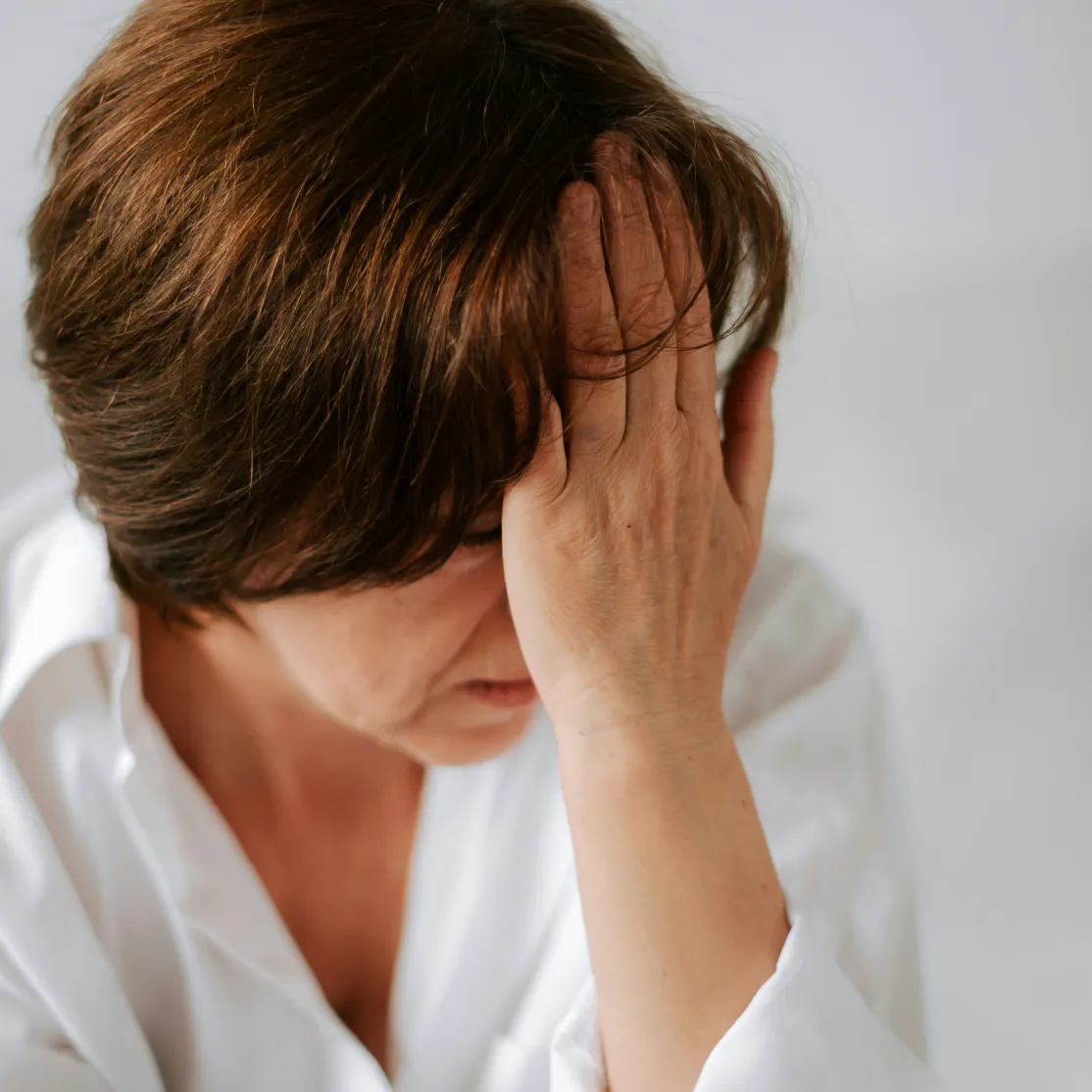

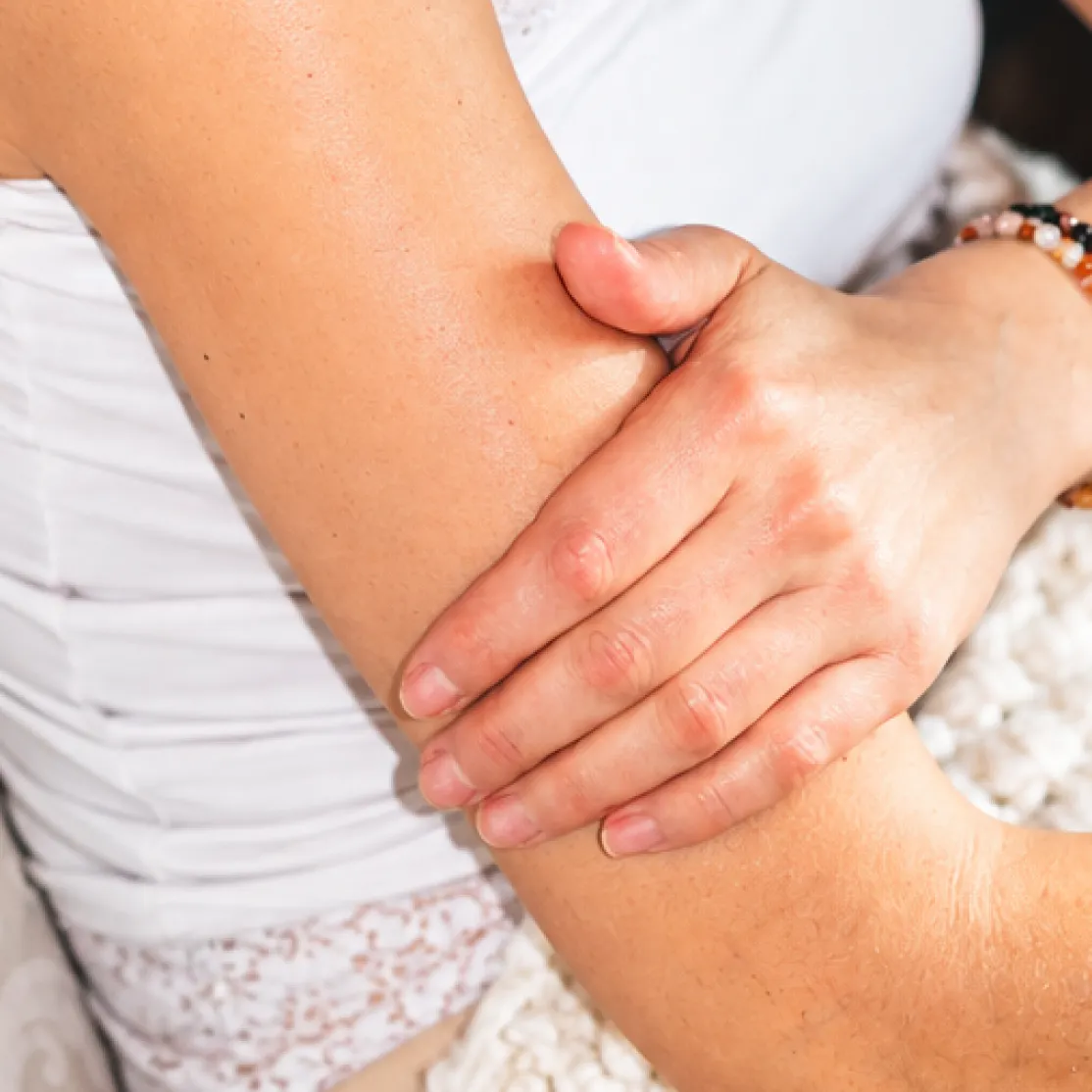
You’re lying in bed, wiped out after a long day, and suddenly it hits: a tingling, prickling, creepy-crawly sensation on your skin that makes it impossible to nod off. After a few nights like this, figuring out how to stop a skin crawling feeling is probably your top priority. We understand the frustration: Skin crawling sensations can happen for a variety of reasons, from hormonal shifts during perimenopause to medication side effects. Whatever the cause, we can help you get to the bottom of your symptoms and find relief. Keep reading to learn more about what causes a skin crawling sensation in midlife and what you can do about it.
That creepy-crawly feeling on your skin when nothing seems to be there? It actually has a name: formication. And if you’re familiar with it, you’re probably also wondering how to stop a skin crawling feeling.
First, a little reassurance: You’re not alone, and you’re not making it up. Formication can happen for several reasons, including fluctuating and falling estrogen during the menopause transition.
And while it might seem like a skin issue, the sensation is typically related to nerve signaling, so lotion alone may not help. Instead, finding relief often starts with understanding what’s behind it and exploring treatment options.
Below, we’ll dig into the possible causes of formication, how to tell them apart, what you can try at home for relief, and when it’s time to check in with a healthcare professional, like a Midi clinician.
What Is the Skin Crawling Feeling? Formication Explained
Formication is a type of tactile paresthesia, which is a fancy way of saying it’s an unusual sensation on or under your skin. It can feel like crawling, tingling, or prickling, as though insects are moving on your skin, when nothing is actually there.
The term comes from the Latin word “formica,” meaning ant, which makes sense if you've ever asked yourself, “Why do I feel like bugs are crawling on me?”
These sensations can happen when your brain processes signals as touch, even without an external trigger. The feeling can affect your arms, legs, scalp, face, or back, and it may come and go. Some women may notice it more at night, when they’re lying still with fewer distractions.
It’s different from itchiness, which leads to an urge to scratch and is often caused by dry skin. Formication, on the other hand, typically occurs without visible skin changes, although the two sensations can overlap.
Why Does Skin Crawl in Perimenopause and Menopause?
So what’s the deal with perimenopause skin crawling? Hormones may have something to do with it, particularly shifts in estrogen.
Estrogen helps support your nervous system, skin hydration, and collagen production. In fact, sensory nerve fibers and skin cells have receptors that respond to estrogen. As estrogen levels fluctuate during perimenopause and drop after menopause, these changes may affect how your nerves work, potentially contributing to all sorts of sensations, like skin crawling or tingling. At the same time, lower estrogen can leave your skin thinner, drier, and more prone to irritation.
Skin crawling can start when you’re still getting fairly regular periods, so you might not immediately connect this unusual symptom to your hormones. But it may be worth considering if you're also experiencing hot flashes, night sweats, sleep problems, anxiety, or dry or itchy skin.

Can Anxiety and Stress Cause a Skin Crawling Feeling?
Yes, a skin crawling feeling can be related to anxiety. Stress and anxiety can put your nervous system on high alert, making you more sensitive to physical sensations like tingling, prickling, or crawling.
Hormonal changes around perimenopause can also trigger anxiety for some women, which can make formication even more noticeable. The result? It’s easy to get stuck in a bit of a feedback loop: The skin crawling feeling makes you worry, the worry makes the feeling worse, and poor sleep can make both harder to deal with.
The feeling is more likely to be related to anxiety if it gets worse during stressful moments and improves when you’re feeling calmer or distracted from your worries. Anxiety often also comes with feelings of restlessness, nervousness, or an impending sense of danger.
Medications, Withdrawal, and Substances
Certain medications, substance use, and withdrawal can also cause formication, or skin crawling sensations. Possible culprits include:
- Antidepressants: Abruptly stopping, missing, or changing the dose of certain antidepressants can cause skin tingling, crawling sensations, or electric shock–like feelings. This is one of many reasons you should always talk with a clinician before changing or stopping your medication.
- Alcohol and opioid withdrawal: People who regularly drink alcohol or use opioids and suddenly stop or cut back might feel like bugs are crawling on their skin or experience other weird skin sensations. If you drink heavily, check in with a clinician before cutting back or stopping, since alcohol withdrawal can sometimes be dangerous.
- Stimulants: Cocaine, methamphetamine, and other stimulants have been associated with formication.
- Certain Parkinson’s medications: Dopamine agonists, a type of medication used to treat Parkinson’s disease, have also been linked to rare cases of skin crawling sensations.
- Antifungal and antibiotic medications: Some of these infection treatments can cause formication, but this is very rare and not a common cause for concern.
Your sensations might be medication-related if they started shortly after starting a new prescription, changing your dose, or stopping a medication. Rather than making any changes on your own, talk with a clinician, like the ones at Midi, about what you’re feeling. They may be able to adjust your dose or suggest alternatives that can help.

Nerve-Related and Other Medical Causes
In midlife, skin crawling may be related to hormonal changes or anxiety, but sometimes there's another explanation. Certain medical conditions can cause similar creepy-crawly sensations, especially when other symptoms are present.
Here are a few formication causes your clinician may look into:
- Peripheral neuropathy: This type of nerve damage can cause pain, burning, tingling, numbness, muscle weakness, or even a skin crawling sensation. Common causes include diabetes, vitamin B12 deficiency, and pressure on a nerve. Symptoms often affect the hands or feet.
- Iron deficiency: Low iron can contribute to restless legs syndrome, which causes uncomfortable creeping or crawling sensations in the legs, especially when you’re resting or trying to sleep, along with an urge to move them.
- Folate deficiency: Low levels of folate (vitamin B9) can also contribute to nerve damage that affects sensation.
- Thyroid issues: An underactive or overactive thyroid can cause symptoms that overlap with menopause, from skin changes to tingling and other nerve-related sensations.
- Other neurological conditions: Less commonly, conditions such as multiple sclerosis or Parkinson’s disease can be associated with formication or other abnormal sensations.
- Shingles: Before the telltale shingles rash appears, some people experience skin tingling, itching, or burning, usually on one side of the body.
Dry Skin, Itch, and Skin Conditions: Is It Crawling or Itching?
For some women, it’s tricky to tell the difference between perimenopause skin crawling and itching. As estrogen fluctuates and declines, your skin can become thinner and drier, which can lead to itchiness.
Sometimes itching feels similar to a skin crawling feeling, but there’s a simple way to help tell them apart: Itching from dry skin usually improves with moisturizer, while formication typically doesn't. (Even if moisturizing doesn't completely stop the crawling sensation, it can still help with dryness and itching, since both can happen at the same time!)
If you notice visible skin changes, like red or white patches, scaling, or sores, your clinician may want to check for other skin conditions like eczema, contact dermatitis, psoriasis, rosacea, and lichen sclerosus.
How to Stop Skin Crawling Feeling at Home: What Actually Helps
If you’re looking for how to stop a skin crawling feeling naturally, start with a few simple strategies you can try at home. Keep in mind, though, that if formication has an underlying medical cause, lifestyle changes alone may not be enough.
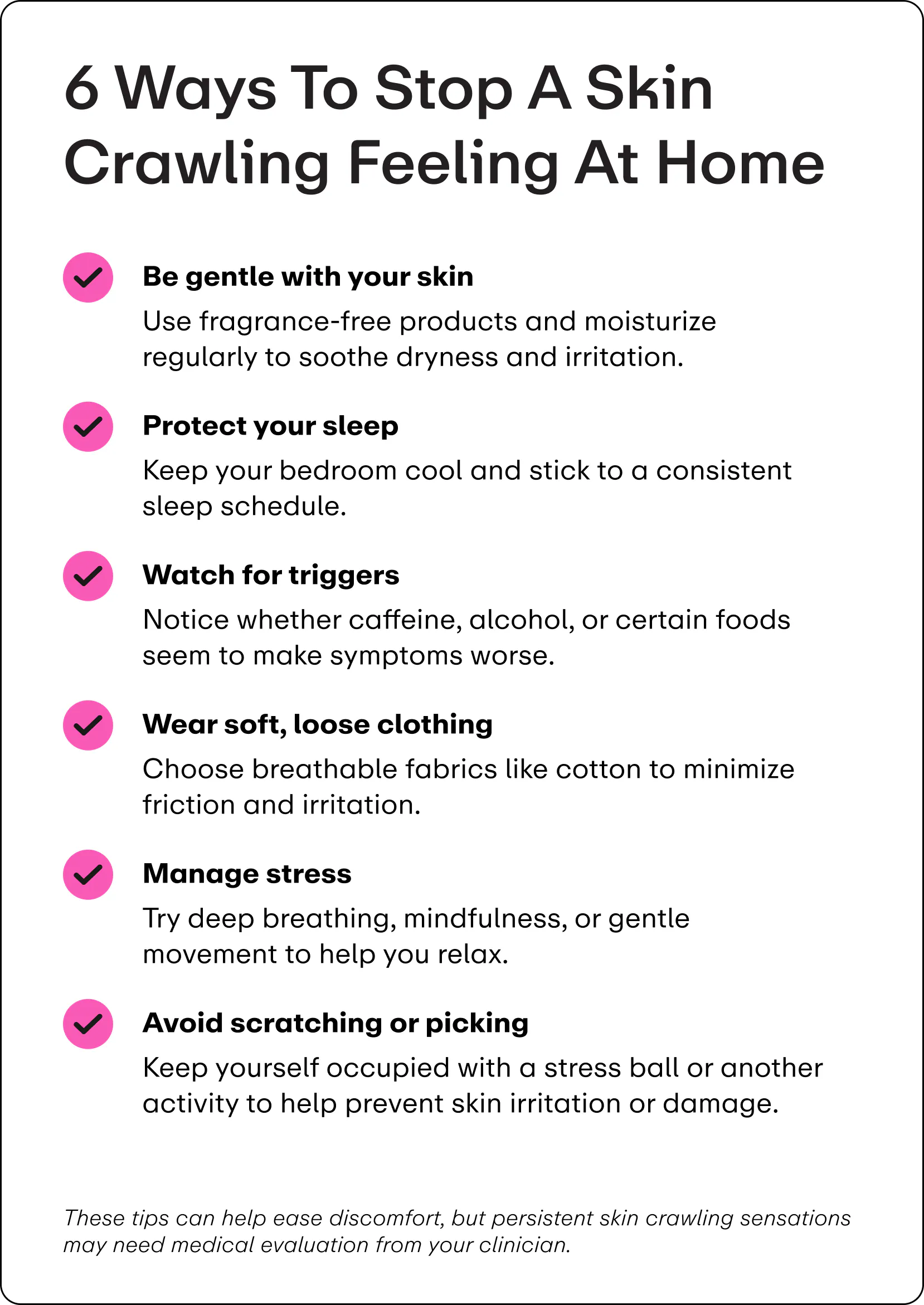
Still, these tips may help ease discomfort, especially when dryness, stress, or poor sleep are making things worse:
- Be gentle with your skin: Avoid harsh soaps, cleansers, or detergents in favor of sensitive-skin, fragrance-free options. Overuse of exfoliating ingredients in your skin care can also contribute to dryness and irritation. Apply moisturizer with ingredients like hyaluronic acid or ceramides after bathing, and try a colloidal oatmeal bath to soothe itching. For extra-dry patches, apply a thin layer of petroleum jelly overnight. A cool, damp washcloth may also help soothe irritated skin. And as soothing as a hot shower may be, prolonged exposure to hot water can dry out your skin.
- Protect your sleep: Skimping on sleep can make uncomfortable sensations harder to ignore. If you're wondering how to stop a skin crawling feeling at night, start by keeping your bedroom cool and sticking to a consistent sleep schedule.
- Watch for personal triggers: Pay attention to whether alcohol, caffeine, or spicy foods seem to make your symptoms worse. If you notice a pattern, try cutting back and see if it helps.
- Wear loose, breathable clothing: Choose soft fabrics like cotton to minimize friction and irritation, especially if your skin feels sensitive.
- Stay hydrated: Drinking enough water helps support healthy skin, especially if you're dehydrated.
- Try stress-management techniques: Deep breathing, mindfulness, or gentle movement may help you relax. If anxiety is a major factor, cognitive behavioral therapy can also help you manage it.
- Avoid scratching or picking: If the crawling sensation makes you want to scratch or pick at your skin, try keeping your hands busy with a stress ball or another activity to help prevent irritation or skin damage.
Medical Treatments That Address the Cause
Sometimes the home remedies above aren’t enough. If that creepy-crawly feeling isn't going away, you can book a visit with a Midi clinician to figure out what's behind it and what might help. They'll consider your other symptoms, too, like period changes, sleep problems, or anxiety.
Your clinician can also review your medications and check for conditions like thyroid problems, vitamin deficiencies, or diabetes to help find the right formication treatment for you. Options might include:
- Hormone therapy: Systemic estrogen may help with menopause symptoms—like hot flashes and night sweats—that accompany skin crawling. Progesterone is typically added if you have a uterus and may also help with sleep problems. Hormone replacement therapy (HRT, now commonly referred to as menopause hormone therapy, or MHT) isn't a proven treatment for formication itself, but your clinician can help you decide whether it's a good fit.
- Prescription skin care: If dry or irritated skin is part of the problem, your clinician can recommend targeted treatments for conditions like eczema or persistent itching. Another way to care for your skin and support hydration, firmness, and elasticity may be Midi’s Estriol+ Face Cream.
- Medication adjustments: If formication is a side effect of a medication you’re taking, your clinician may be able to adjust your dose or try a different medication to see if that eases your discomfort.
- Treatment for underlying conditions: Depending on what’s causing your skin crawling feeling, treatment might include thyroid medication, medication for nerve pain, anxiety treatment, or supplements if you're low in certain vitamins. If alcohol or substance use is contributing, your clinician can also help you find a safe way to cut back or stop.
When a Skin Crawling Feeling Needs Medical Evaluation
Skin crawling feelings in midlife aren't necessarily a sign of a serious illness. Still, it’s worth getting evaluated, especially if the sensation has lasted more than a few weeks, is getting worse, or is disrupting your sleep most nights.
A clinician may recommend blood tests to check for issues like vitamin deficiencies, thyroid problems, or diabetes, depending on your symptoms and health history.
Some symptoms need more immediate attention. Talk with a healthcare professional as soon as possible if you also have any of the following:
- new or worsening numbness, weakness, or balance problems
- vision changes
- any kind of skin lesions that produce persistent itching
- new or unusual sensations that affect only one side of your body
- a firm belief that insects are present on or under your skin, even when there's no visible sign of them
Sudden weakness, trouble speaking, vision loss, or difficulty walking can be signs of a medical emergency. Chest pain or difficulty breathing also require emergency care. If you’re experiencing these symptoms, call 911 or visit your local emergency room.
It can help to prepare for your clinician visit by recording some details about how you’ve been feeling. Note the timing and location of the skin crawling feeling and any patterns or possible triggers you notice for a couple of weeks. Be prepared to share details about your menstrual cycle, sleep habits, alcohol use, and any recent medication changes, too.
Key Takeaways
- Formication is a tactile paresthesia, an unusual sensation that feels like tingling, prickling, or bugs crawling on your skin, even when nothing is actually there.
- Skin crawling can happen during perimenopause or menopause as changing estrogen levels may affect nerve function and leave your skin thinner, drier, and more prone to itching and irritation.
- Formication can also be related to anxiety, certain medications, vitamin deficiencies, nerve damage, or other underlying health conditions.
- Simple steps like moisturizing, prioritizing healthy sleep habits, wearing loose clothing, and managing stress may help ease discomfort, but treating the underlying cause is often key to finding relief.
- Talk with a clinician if skin crawling lasts more than a few weeks; gets worse; disrupts your sleep; or comes with symptoms like skin changes, weakness, or vision changes. Treatment depends on the cause and might include medication adjustments, correcting vitamin deficiencies, or addressing other health concerns.
Frequently Asked Questions (FAQs)
What vitamin deficiency causes crawling sensation on skin?
Vitamin B12 deficiency can cause nerve-related sensations like tingling or prickling, which may feel like skin crawling. Low folate (vitamin B9) can also contribute to nerve-related sensory changes, though the connection to skin crawling is less clear.
Is skin crawling a symptom of MS?
Skin crawling can be one of the symptoms associated with multiple sclerosis (MS). Some people with MS experience unusual skin sensations, including numbness, tingling, burning, vibrating, and skin crawling. But skin crawling alone would be an unlikely presentation of MS.
Will formication ever go away?
It certainly can, especially when the underlying cause is identified and treated. Depending on what's behind it, treatment might include adjusting medication, addressing anxiety, or correcting a vitamin deficiency.
Is formication dangerous?
Not inherently. But persistent or intense skin crawling sensations can be distressing, and scratching or picking at your skin may lead to irritation, sores, or infection. If the sensation is getting worse or interfering with your daily life, talk with a clinician.
Can thyroid problems cause a skin crawling sensation?
Yes, both underactive and overactive thyroid conditions can cause skin changes and nerve-related sensations like tingling, which may feel like skin crawling. If you're experiencing these symptoms, your clinician might recommend blood tests to check your thyroid function.
If you’re in perimenopause or menopause and want guidance from clinicians who specialize in women’s midlife health, book a virtual visit with Midi today.
Hormonal change is at the root of dozens of symptoms women experience in the years before and after their period stops.
Our trained menopause specialists can help you connect the dots to guide you towards safe, effective solutions.
Whether you need personalized guidance or a prescription routine to tackle symptoms—including brain fog, hot flashes, sleep trouble, mood swings, and weight gain—we’ve got you covered. Learn more here.
Midi’s mission is to revolutionize healthcare for women at midlife, wherever they live and whatever their health story. We believe that starts with education, to help all of us understand our always-changing bodies and health needs. Our core values guide everything we do, including standards that ensure the quality and trustworthiness of our content and editorial processes. We’re committed to providing information that is up-to-date, accurate, and relies on evidence-based research and peer-reviewed journals. For more details on our editorial process, see here.