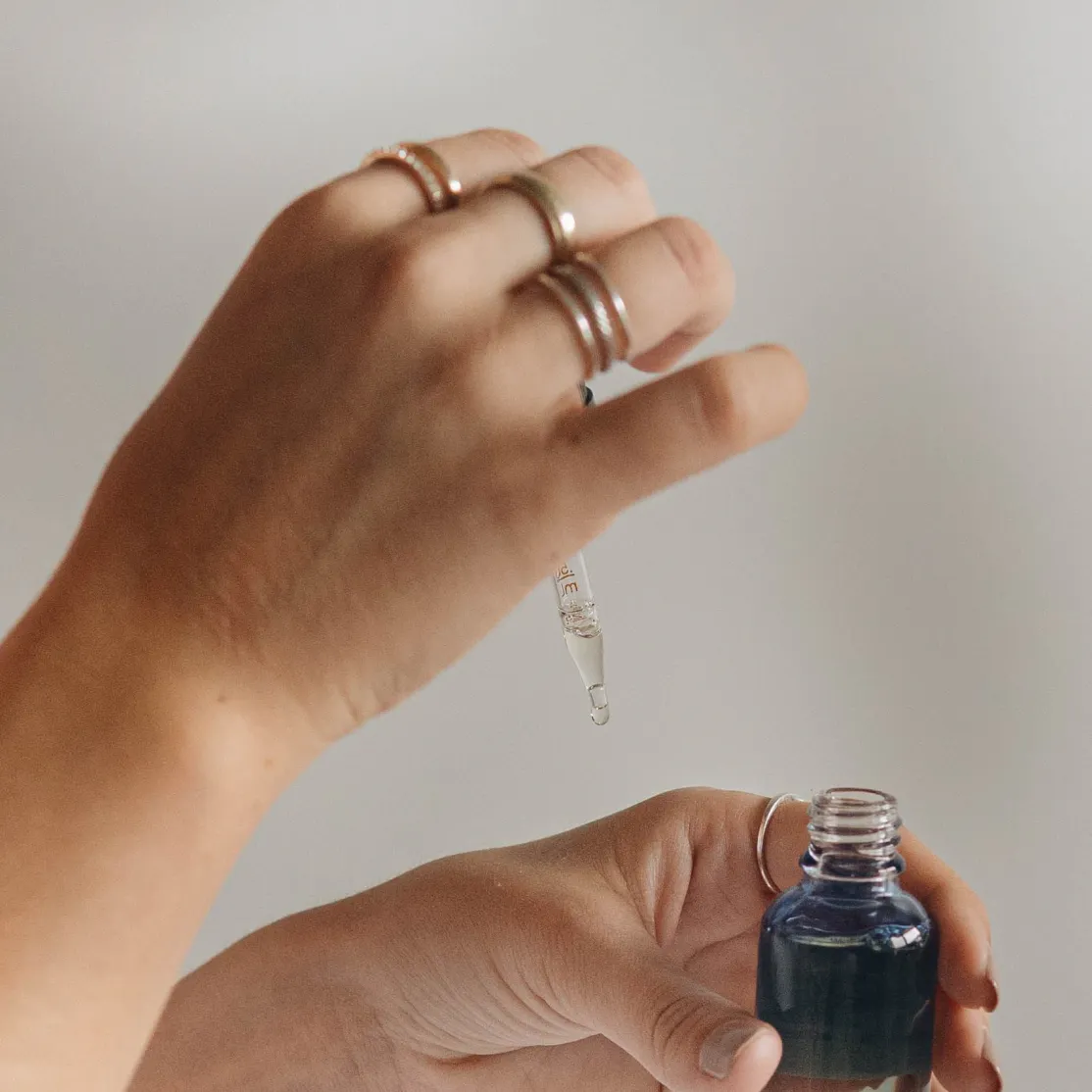


Hormone therapy for menopause comes in a variety of forms, one of which is EstroGel, the name of one brand of estrogen gel (also known as estradiol gel—there are a number of options, with a variety of dosing strengths and delivery systems). Clinicians prescribe estradiol gel to treat some menopause symptoms, including hot flashes and night sweats. EstroGel is applied to the skin of the arm via a metered pump for precise dosing. Once it’s absorbed, it helps supplement your body’s estrogen.
Keep reading to learn more about how EstroGel is prescribed, what it costs, its potential side effects, and other forms of hormone replacement therapy (HRT, now commonly referred to as menopause hormone therapy, or MHT). This will give you a foundation of knowledge to discuss your options with a menopause-informed clinician, like one at Midi Health.
When hot flashes and night sweats are making you, well, a hot mess, one of the many forms of hormone therapy that can help ease these menopause symptoms is EstroGel, a brand of topical estradiol gel that helps raise estrogen levels that decline in midlife.
EstroGel is applied to the skin of the arm once a day. Like most other forms of hormone therapy for menopause—such as estrogen patches, pills, and sprays—estrogen gel is systemic, meaning it’s absorbed into the bloodstream to reach tissues throughout the entire body.
When considering whether one of those forms of estrogen may work well for you, the best choice will come down to your personal health, preferences, safety factors, and symptoms. Here’s need-to-know info on EstroGel, so you can be informed when you explore your options with a menopause specialist, like a Midi clinician.
What Is EstroGel?
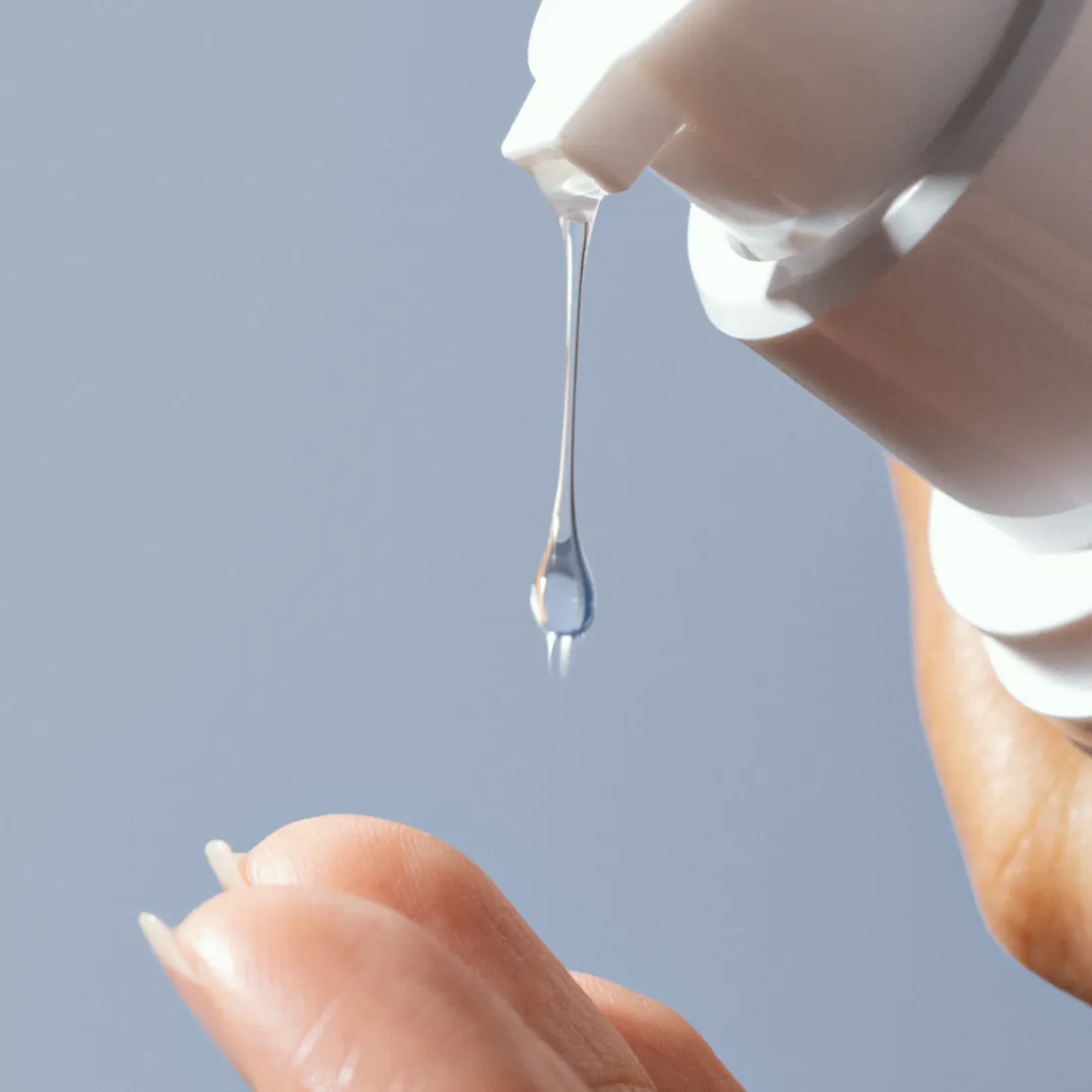
EstroGel is a widely prescribed brand of estradiol gel, which is applied to the skin of the arm by way of a metered pump that dispenses a consistent dose. The gel is then absorbed into the bloodstream to supplement the body’s estrogen, which naturally declines during midlife. You may also hear it called estradiol gel, estrogen gel, transdermal estrogen, or HRT gel.
Estradiol is the most potent form of estrogen produced by the ovaries. In puberty, it’s responsible for sexual developments like breasts and menstruation. As life progresses, it remains a woman’s main sex hormone and plays a significant role in maintaining bone density and cardiovascular health, among other important jobs.
The decline of estradiol in menopause is responsible for many of the uncomfortable symptoms that come with the life transition, including hot flashes and sleep-disrupting night sweats. EstroGel or other estradiol gels may help manage them.
How Estrogen Gel Works in the Body
Here are some specifics about the mechanics of estradiol gel:
- How it works: Estradiol gel delivers estrogen transdermally (through the skin). That estrogen is then absorbed into the bloodstream, where it helps replace some of the estrogen that has declined during perimenopause and menopause.
- An important benefit: Because it’s absorbed through the skin and into the bloodstream, estradiol gel bypasses the digestive system and the liver’s initial metabolism of the medication. That’s one reason why transdermal estrogen—as opposed to oral estrogen—is associated with a lower risk of blood clots. And rather than potentially increasing triglycerides (as oral HRT can do), in some cases those values can actually drop.
- How it’s dosed: Estrogen gel is dosed by pump, with 1 pump of EstroGel containing 0.75 milligrams (mg) of estradiol. A healthcare professional, such as a Midi clinician, can suggest the best dosage for you, depending on your symptoms and health history, and they can adjust your dosage as your symptoms and needs change. That’s another reason why it’s important to stay in touch with a clinician about your menopause symptoms and treatment plan.
What Success Looks and Feels Like
EstroGel Uses: What Symptoms It May Help Treat
EstroGel treats some of the more disruptive symptoms of menopause: hot flashes and night sweats. And by treating these symptoms, EstroGel may also help with sleep disturbances—and as anyone who’s experienced sodden jammies and sheets knows, nixing these disruptive symptoms can definitely boost quality of life.
Estradiol gel may also help with genitourinary syndrome of menopause (GSM), a big cause of vaginal dryness, soreness, irritation, and pain during sex. But vaginal estrogen medications are considered the most effective treatment for that.
Because EstroGel is also FDA approved for the prevention of post menopausal osteoporosis, it may be prescribed to women who could benefit from estrogen’s bone-preserving effect.

Estrogel Benefits and Why Some People Prefer Gel
EstroGel—and estradiol gel in general—has specific benefits that may make it the preferred option for some people:
- It’s applied just once a day and is quickly absorbed.
- Since it’s applied directly to the skin, it’s easy to adjust the dose by using more or less (as instructed by your clinician).
- There’s no sticky residue from a patch, which bugs some women—plus, some find the patch irritates their skin.
- Women who have gastrointestinal (GI) side effects from oral estrogen (though most tolerate it well) might prefer a transdermal form of estrogen.
- This route of delivery provides relatively steady estrogen levels (as compared to oral estrogen)
How to Use the EstroGel Pump
It’s important to read and follow EstroGel’s dedicated instructions for using the gel, which includes these steps:
- Before using the pump for the first time, follow the instructions to prime it (this makes sure that you get the full dose when you start using it).
- Apply your prescribed amount of gel to the skin of one arm. Spread it in a thin layer from wrist to shoulder, on the inside and outside of your arm.
- Wash your hands with soap and water.
- Let the gel dry for up to 5 minutes before you get dressed.
If your clinician has recommended any specific-to-you instructions, always follow their guidance.
Application Safety Tips for Estradiol Gel
EstroGel is for transdermal use on prescribed areas only—which, in most cases, will be the arm. Do not apply it to irritated skin or to the breasts, face, or genitals. Wash your hands before and after using it, and don’t let it come into contact with your eyes.
Other key safety tips:
- It’s important to prevent skin-to-skin transfer of EstroGel to kids, partners, or pets—so don’t let them make contact with the treated area of skin for at least 1 hour after you apply the gel.
- If the gel does come in contact with someone else, they should wash the exposed area with soap and water as soon as possible to avoid hormone absorption.
- Don’t bathe, swim, or use a sauna directly after applying the gel.
- EstroGel is flammable, so don’t smoke or get too close to an open flame (like a candle) until the gel has dried.
EstroGel Side Effects to Know
Below are the reported possible side effects of EstroGel—the first two were the most common in clinical trials, and the others are listed in the FDA-approved patient info:
- headache
- breast tenderness or pain
- irregular vaginal bleeding or spotting
- stomach/abdominal cramps, bloating
- nausea and vomiting
- hair loss
- fluid retention
- vaginal yeast infection
- skin irritation at the application site
Risks, Precautions, and Who May Not Be a Good Candidate
EstroGel is generally well tolerated, but people with certain health histories or symptoms may not be a good candidate for it. As always, discuss your individual circumstances with your clinician, like one at Midi.
EstroGel may not be a good fit if you:
- have personal or family history of cancer, especially breast cancer
- experience irregular or unexplained vaginal bleeding
- have a history of blood clots, stroke, or heart attack
- have liver disease
- are or could be pregnant
- are a smoker
- have a skin condition that means you should avoid topical application
- are at high risk for cardiovascular disease or stroke
Also, any time you’re going to start a new prescription medication, your clinician should know about all other medications and supplements you’re taking, so you can avoid potential interactions. For women who have a uterus, progesterone is usually prescribed along with any estrogen therapy to protect the uterine lining.
EstroGel vs. Other Menopause Treatment Options
There are other options for treating menopause symptoms besides estradiol gel, including:
- Estradiol patch: a thin, adhesive patch that also works transdermally to deliver estrogen
- Estradiol spray: which works similarly to the gel but is in spray form
- Oral estrogen: which delivers the hormone in pill form (but because it’s not transdermal and is metabolized through the digestive system and liver, it has some risks that the others don’t)
- Vaginal estrogen: used directly in the vagina and comes in several forms: cream, vaginal ring, or vaginal suppository (but unlike the others, this is local, not systemic, estrogen)
Non-hormonal prescriptions are also available that may help manage hot flashes and discomfort.
Beyond prescriptions, your clinician can talk to you about lifestyle changes and strategies that can help ease certain symptoms—for instance, shifts in your sleep habits, regular exercise, and healthy eating practices that cater to your changing body and its needs.
How Clinicians Decide Whether EstroGel (or Other Forms of Estradiol Gel) is Right for You
Your clinician will ask you a handful of questions to help you decide whether EstroGel is right for you. They’ll want to hear about:
- your symptom patterns
- how severe they are
- your menstrual history
- where you are in the menopausal transition
Your clinician will also ask about your family and personal health history, including info on your blood pressure, breast health, and bleeding history. And they’ll want a list of the medications and supplements you’re currently taking.
You should come away from that visit with a follow-up plan that will let the two of you make adjustments to your medications, if needed. With the help of a Midi clinician, you can find your way to a treatment plan that can ease those hot, sweaty moments and other menopause disruptions.

Key Takeaways
- EstroGel, a brand of estradiol gel, is a prescription hormone therapy gel that’s applied to and absorbed through the skin.
- It can help with menopause symptoms like hot flashes and night sweats. It also may help vaginal dryness and irritation, though vaginal estrogen would likely give more relief.
- Estradiol gel, such as the brand medication EstroGel, is dispensed via a pump that measures out a precise dose.
- The gel is applied once daily, usually to the arm, and should be allowed to dry for at least an hour. You should avoid skin-to-skin contact of your medicated arm to partners, pets, or kids.
- Your clinician can adjust the dose depending on your needs.
- If you have an intact uterus, you will need to take some form of progesterone to protect the uterine lining.
Frequently Asked Questions (FAQs)
Is EstroGel the same as estrogen gel?
Yes. EstroGel is the name of one brand of estradiol gel. Estradiol is the most abundant type of estrogen in a woman’s body that begins to deplete during midlife. EstroGel can help supplement its loss and help with menopause symptoms like hot flashes and night sweats.
How long does EstroGel take to work?
EstroGel gradually increases estrogen levels in the body, and hormone levels reach a steady state within a few days of consistent use. Research shows that some women will notice relief from hot flashes within a few weeks, but it might take as long as 3 months.
Where do you apply EstroGel?
Unless otherwise instructed by your doctor, EstroGel should be applied in a thin layer from wrist to shoulder on the inside and outside of one arm. It should be applied on dry and unbroken skin.
Do you need progesterone with EstroGel?
If you still have your uterus, progesterone is typically prescribed along with estrogen. It protects the uterine lining from the effects of estrogen alone, which can cause the lining to become excessively thick over time and increase the risk of endometrial cancer. Your clinician will help determine the best option for your needs.
What affects EstroGel cost?
The cost of EstroGel varies, depending on your insurance coverage and other factors. You can also ask about discount programs to help lower the cost. In general, estradiol gel may be more expensive than both oral estrogen and the estradiol patch—your clinician can help you sort out which is the best method for you.
If you’re in perimenopause or menopause and want guidance from clinicians who specialize in women’s midlife health, book a virtual visit with Midi today.
Hormonal change is at the root of dozens of symptoms women experience in the years before and after their period stops.
Our trained menopause specialists can help you connect the dots to guide you towards safe, effective solutions.
Whether you need personalized guidance or a prescription routine to tackle symptoms—including vaginal dryness and irritation, brain fog, hot flashes, sleep trouble, mood swings, and weight gain—we’ve got you covered.
Midi’s mission is to revolutionize healthcare for women at midlife, wherever they live and whatever their health story. We believe that starts with education, to help all of us understand our always-changing bodies and health needs. Our core values guide everything we do, including standards that ensure the quality and trustworthiness of our content and editorial processes. We’re committed to providing information that is up-to-date, accurate, and relies on evidence-based research and peer-reviewed journals. For more details on our editorial process, see here.