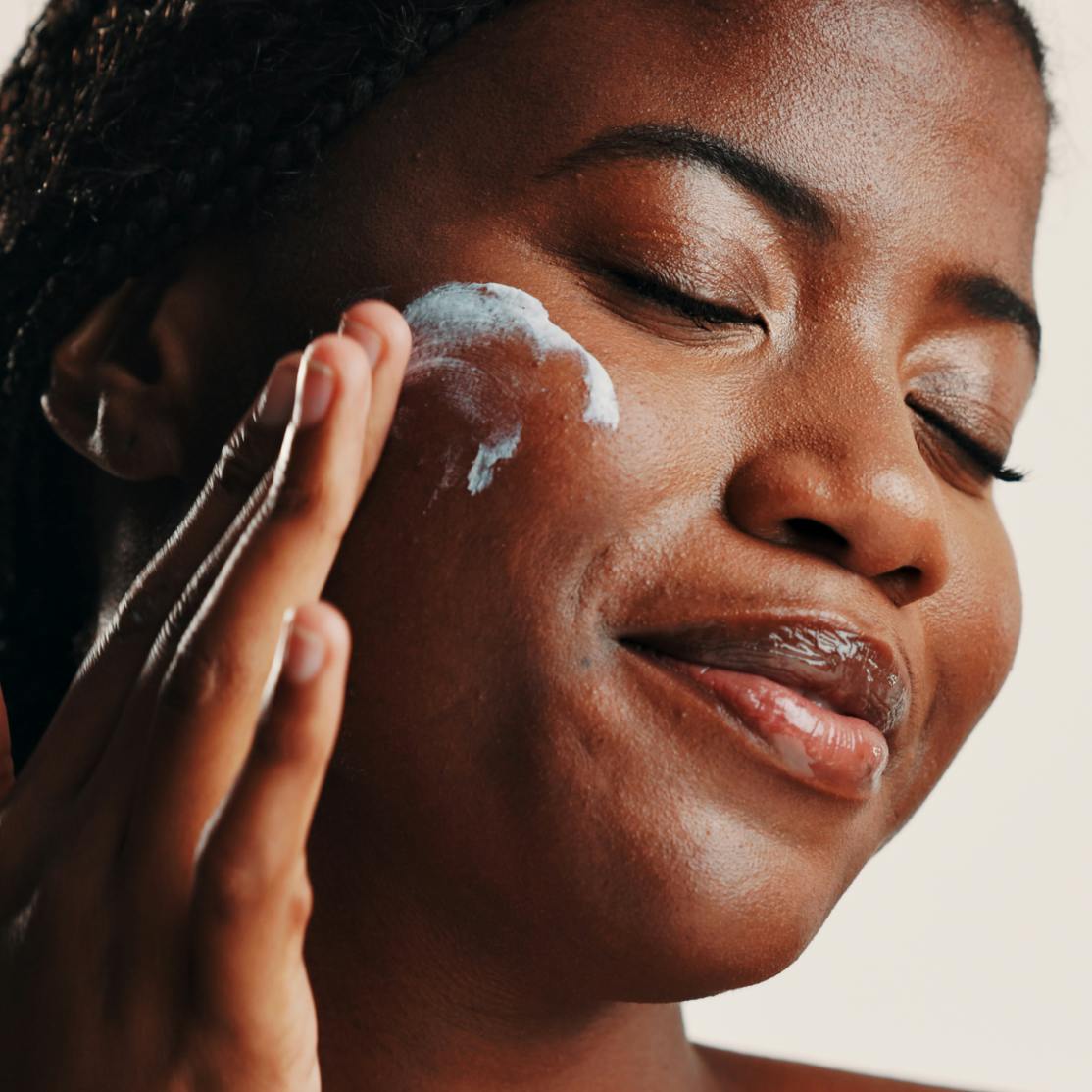


These days, collagen peptide supplements are all over social media and supermarkets alike. In a perfect world, taking a nutritional supplement that contains collagen peptides would directly boost the production of collagen and elastin in your body to help your skin and joints. But do these nutritional supplements actually lead to noticeable results? While collagen peptide supplements may provide modest support for your skin and joints in midlife, they’re not a cure-all solution and work best as part of a broader routine. Keep reading for what you need to know about the world of collagen supplements, and book a visit with a Midi Health clinician for skin-care support unique to you.
In the world of skin care, we frequently hear about collagen, peptides, and proteins—but sometimes, these words can seem interchangeable and even downright confusing. Collagen is a structural protein found in your skin, muscles, bones, tendons, and ligaments. Collagen (and elastin) proteins in your skin are what gives it volume, firmness, and elasticity. When they begin to diminish over time, especially in menopause, the skin loses laxity, and wrinkles form.
Topical peptides, such as those in skin care products that you put on your face, are composed of amino acids, the building blocks of proteins. They act as messengers in your skin to prompt the production of proteins like collagen and elastin. Collagen peptides that you ingest in the form of nutritional supplements theoretically double down on collagen and elastin production in your whole body.
The big question is: Can popping collagen peptides really do that? Read on to learn the real benefits, the caveats, and the best advice for taking collagen peptide supplements in midlife.
Collagen Peptides: What They Are and What They Do
To understand what collagen peptides are, it helps to have a quick biology refresher. Collagen is a protein that is naturally made in the body but diminishes in midlife. Peptides are short chains of amino acids that act as the building blocks of collagen and messengers in the body to promote more collagen production.
So what’s the difference between collagen supplements and collagen peptides in a nutraceutical supplement? Collagen is a very large molecule, while collagen peptides are smaller collagen fragments that are more bioavailable—meaning, your body can more easily absorb and use them. Hydrolyzed collagen, which has been broken down into smaller chains of amino acids, is basically another term for collagen peptides (sometimes seen on an ingredients list as “hydrolyzed collagen peptides”).
Both collagen and collagen peptide supplements typically come from animal sources or, in the case of marine collagen, fish byproducts.
Are oral collagen peptides going to reduce wrinkles in a visible, meaningful way? Will taking collagen peptide supplements reverse signs of aging? Not likely, but the overall data does link collagen supplements to potentially increasing skin hydration and elasticity, and they may help with muscle and tissue repair.
A recently published review of the research is cautiously optimistic, but it’s important to note that this review was not a large double-blind, placebo-controlled study (the gold-standard type of study). Much more data is needed to prove that taking collagen supplements of any kind is a home run for your skin or your joints. It’s just not clear whether consuming collagen peptides directly boosts the collagen supply in your body and, consequently, in your skin.
Skin Care Success Stories
Why Midlife Women Are Searching for Collagen
Menopause can trigger a host of symptoms, due to a decrease of estrogen and the natural aging process (called senescence), which slows down the production of everything, including collagen, elastin, and natural lipids. It results in dry skin everywhere (including vaginal dryness), not to mention increased skin laxity and the appearance of wrinkles.
And those are just skin changes. A loss of collagen can also contribute to brittle nails and dry hair, as well as joint pain and stiffness.
So, if someone told you that ingesting collagen peptides in the form of a pill, powder, or drink would replenish your collagen stores, it’d be tempting to gulp it down every day. But before you buy a collagen peptide supplement as a fountain-of-youth elixir, you should also add some healthy skepticism and hard facts into that collagen miracle cure.
Collagen Peptides Benefits: How They May Help
A recent review of the scientific research contains some evidence that taking collagen peptide supplements consistently over time may have positive effects on skin hydration and joint pain. Another study of available data suggests that long-term use of oral collagen peptides supplements can improve both skin hydration and elasticity. (Collagen peptides may boost skin hydration by stimulating the body’s natural production of hyaluronic acid and ceramides, which naturally diminish in midlife.)
A 2022 review of 12 studies suggests that both topical and oral collagen peptides may help contribute to delayed skin aging. A 2024 review of research suggests that hydrolyzed collagen peptides in dietary supplements may potentially help with muscle recovery, enhance muscle strength, and reduce inflammation. And one narrative review suggests that hydrolyzed collagen peptides taken orally may help inhibit inflammation in the joints.
Collagen as a protein source is a bit of a nonstarter. This is because collagen peptides are not considered a complete protein—meaning, they don’t contain all nine essential amino acids, including tryptophan. So you can’t rely on them to meet your overall protein requirements. Instead, it’s important to eat a balanced diet rich in protein from lean meats, fish, dairy, or plant-based proteins—or consider taking a protein supplement to fill in the nutritional gaps.
When it comes to dry or thinning hair and brittle nails, evidence for collagen peptides is limited. One trial found that bioactive collagen peptides increased nail growth rate and decreased the frequency of nail breakage, but evidence for hair improvements is weaker still.
In the case of nutritional supplements for joint pain, collagen peptides may help support joint comfort but are not a one-and-done magic fix. Other supplements, in addition to exercise and strength training, are proven to help.
Where the Evidence Is Limited
Scientific data on the benefits of collagen peptides is still scarce, and much more research is needed to determine whether taking collagen supplements is more beneficial than doctor-approved and science-backed treatments, from hormone therapy to prescription tretinoin or retinol to improve your skin and boost collagen. The lack of guaranteed effectiveness and clinically proven results for your skin and joints is a downside to consider.
The general bottom line: Taking collagen peptide supplements likely can’t hurt—and they may help a little bit—but they aren’t critical for optimal skin, joint, or overall health in midlife.
Collagen Supplements Are Not a Menopause Treatment
Collagen peptide supplements are not going to reverse low estrogen, which is a primary reason for reduced collagen and elastin in your skin. To address low estrogen and ease perimenopausal symptoms, consider talking with a healthcare professional, such as a Midi clinician, about whether hormone replacement therapy (HRT, now commonly referred to as menopause hormone therapy, or MHT) could help.

Collagen peptides are not a one-and-done quick fix for menopause symptoms, and ingesting them isn’t going to magically replace the lost collagen and elastin proteins in your skin. That said, you can consider these supplements an optional add-on to your menopause skin care routine and diet plan. Using all these tools together (active skin care ingredients, a smart eating plan, strength training, and the right nutritional supplementation) is what will make a real improvement in menopause concerns, from skin laxity to joint discomfort.
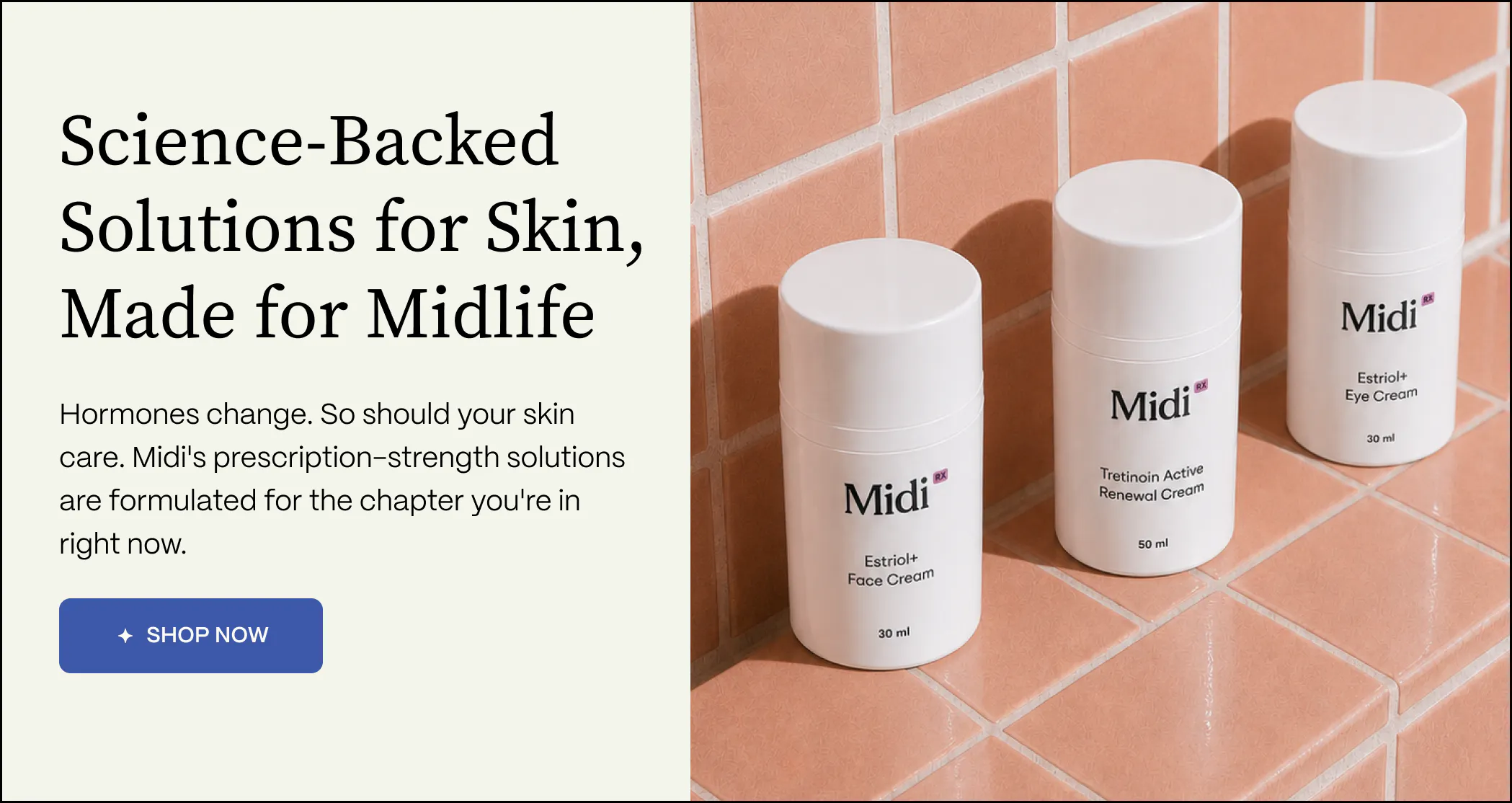
Another counter to diminishing estrogen for the skin is a topical estrogen cream, like Midi's Estriol+ Face Cream, which contains, estriol, the mildest form of topical estrogen. Estriol has been shown to help improve collagen and elastin levels in menopausal women, as well as moisturizing the skin.
You can also check out Midi’s Copper Peptide Repair Cream, created by menopause-trained experts and designed to visibly restore firmness.
Collagen Peptides Side Effects and Product Questions
Collagen peptides and collagen supplements are generally safe and well-tolerated, but it’s always a good idea to discuss your personal health with your clinician before you add new supplements to your routine.
Some common side effects might be digestive discomfort, headaches, or lightheadedness. If you have allergies to shellfish or eggs, check labels carefully to make sure that your supplements don’t include allergens.
How to Think About Dose, Form, and Product Quality
It’s important to pay attention to the information on the label before you buy a collagen peptide. Look for the terms “collagen peptides,” “hydrolyzed collagen,” or “hydrolyzed collagen peptides” on the ingredients list, since these smaller forms of collagen protein fragments (smaller chains of amino acids) are better absorbed by the body.
Collagen supplements can be sourced from cows, pigs, or fish, and they can even be vegan (by using plant extracts). The label will state the sourcing of the collagen. Typically, it may also state the type of collagen in the formula (there are five main types of collagen in our bodies), such as type I (the most prevalent in your body) or type IV (found in your skin).
In supplements (especially beverages or powders containing collagen peptides), look for formulas that contain no fillers or additives, and avoid products with unnecessary sweeteners, flavors, preservatives, or artificial ingredients. When it comes to dosage, clinical studies suggest that a daily dose of 2.5 to 15 grams of hydrolyzed collagen peptides is safe and effective.
Finally, it’s important to choose a dietary supplement brand that has independent third-party testing, which helps ensure quality control and safety standards.
What Matters More Than Collagen in Midlife
No single product or treatment out there is going to magically be a fountain of youth. The key to overall health and thriving in midlife is taking a well-rounded approach. This includes a nutritious diet, regular exercise that incorporates strength training to protect muscle and bone, optimal sleep, and stress management.
To address low estrogen and ease many perimenopausal symptoms, consider talking with a healthcare professional, such as a Midi clinician, about how HRT could help.
When it comes to protecting and building your stores of collagen and elastin, a good skin care routine is critical. This includes daily sun protection (a broad-spectrum sunscreen with a minimum of SPF 30 every single day will help prevent collagen breakdown from UV damage), in addition to the use of retinoids, antioxidants, and a barrier-supporting moisturizer.
All of these lifestyle components will do a lot more for your skin, joints, and overall health than popping a daily collagen peptide supplement.
What to Evaluate Instead of Blaming Everything on “Low Collagen”
Menopause can trigger many confusing and sometimes disconcerting symptoms. Your whole body is in a time of transition, and that includes its largest organ: your skin.
Even if you never had dry skin before, you may be dealing with it now—and this is when collagen takes a big drop, too. In fact, studies show that collagen can decrease as much as 30% in the 5 years following menopause.
But low collagen isn’t the only issue here. In midlife, it’s also common to experience hot flashes, vaginal dryness, or joint pain—or all of the above. That’s why this is the perfect time to check in with your clinician for expert advice, appropriate diagnostic testing, and perhaps a prescription that can address your particular issues effectively. A prescription-strength oral or topical medication might be the answer, or you can talk with a healthcare professional about HRT, which can be a game changer for treating many perimenopause symptoms.
The best treatment for joint pain will differ from the best solution for skin laxity or hair thinning. Seeking out professional guidance from a healthcare professional (such as a Midi clinician) based on your menopause symptoms, is the smartest starting point.

When to Seek Care
Listen to your body and use common sense. It’s time to talk with a healthcare professional, such as a Midi Health clinician, if:
- You’re experiencing joint pain or swelling.
- Your hair is shedding way more than normal.
- Menopause symptoms are affecting your sleep, movement, confidence, or quality of life.
Though taking collagen peptides supplements may not be harmful (and may be somewhat helpful), it isn’t a blanket, gold-star solution to all your midlife health concerns. Your symptoms are totally unique, just like you are—and they deserve to be treated in a customized way.
Key Takeaways
- Collagen peptides are a more absorbable form of collagen. Collagen is a structural protein that naturally declines in midlife, and collagen peptides (also called hydrolyzed collagen) are smaller fragments of collagen that are more bioavailable, meaning your body can absorb and use them more easily than whole collagen molecules.
- Research suggests modest benefits for skin and joints, but evidence is still limited. Larger, well-controlled trials are needed.
- Collagen peptide supplements are a helpful add-on, not a cure. Taking collagen peptides may offer modest support for skin and joints during menopause, but they won't replace lost collagen and elastin on their own—they work best as part of a broader skin care and nutrition routine.
- Collagen supplements cannot address the root cause of midlife collagen loss: declining estrogen. A truly effective approach to menopause skin changes and joint health includes a consistent skin care routine, strength training, a protein-rich diet, and a conversation with a healthcare professional about whether hormone replacement therapy (now commonly referred to as menopause hormone therapy or MHT) could be right for you.
Frequently Asked Questions (FAQs)
What do collagen peptides do for a person?
Ingesting collagen peptides (in the form of a capsule or powder supplement) has been shown in some small studies to increase skin hydration and elasticity. It may also support the skin's natural moisture barrier, potentially by stimulating hydration-supporting compounds like hyaluronic acid that decline in midlife. Clinical research also suggests that hydrolyzed collagen peptides taken orally may help inhibit inflammation in the joints and boost muscle recovery.
What happens if I take collagen peptides every day?
Research suggests that taking collagen peptide supplements consistently and for a longer duration (for at least 12 weeks) is what will deliver results. So daily collagen peptides are the way to go, but it’s important to know that the skin and joint benefits are still modest at best. You’ll get the best results when you combine collagen peptides with other proactive solutions like a good skin care plan, a smart eating plan, and consistent strength training.
What is the best brand of collagen peptides?
When shopping for a collagen supplement, the label is your best guide. You want to see “collagen peptides,” ‘hydrolyzed collagen,” or “hydrolyzed collagen peptides” listed on the ingredients—these forms are broken down into smaller fragments that your body can actually absorb. Look for a brand with independent third-party testing to ensure quality and safety.
What are the 5 signs that collagen is working?
Taking collagen peptides in the form of a dietary supplement may increase hydration in your skin over time. Collagen peptides could help with skin elasticity, so you may notice some firming benefits. You may also notice modest improvements with osteoarthritis and joint pain: A 2024 review of research found that hydrolyzed collagen peptides in dietary supplements potentially helped with muscle recovery and may enhance muscle strength and reduce inflammation. Another study suggests that hydrolyzed collagen peptides taken orally may help inhibit inflammation in the joints.
A key thing to remember when it comes to collagen peptides is that they work better when you take a holistic approach to your overall health. This includes a nutritious diet, a smart skin care routine, regular exercise and strength training to protect muscle and bone, optimal sleep, and stress management.
Does collagen increase IGF-1?
IGF-1 is an insulin-like growth hormone that manages the effects of growth hormone in the body. On social media, influencers talk about IGF-1 levels as a marker of longevity and optimal metabolism and muscle-building properties. A severe IGF-1 deficiency results in early skin aging, wrinkling, and dryness. While one study suggests that a combination of collagen peptides and ornithine (an amino acid) may slightly influence IGF-1 levels in some people, the authors could not attribute the effect to collagen alone — and the results are modest at best when it comes to stimulating the IGF-1 signaling that may improve muscle recovery or skin rejuvenation.
If you’re in perimenopause or menopause and want guidance from clinicians who specialize in women’s midlife health, book a virtual visit with Midi today.
Hormonal change is at the root of dozens of symptoms women experience in the years before and after their period stops.
Our trained menopause specialists can help you connect the dots to guide you towards safe, effective solutions.
Whether you need personalized guidance or a prescription routine to tackle symptoms—including brain fog, hot flashes, sleep trouble, mood swings, and weight gain—we’ve got you covered. Learn more here.
Midi’s mission is to revolutionize healthcare for women at midlife, wherever they live and whatever their health story. We believe that starts with education, to help all of us understand our always-changing bodies and health needs. Our core values guide everything we do, including standards that ensure the quality and trustworthiness of our content and editorial processes. We’re committed to providing information that is up-to-date, accurate, and relies on evidence-based research and peer-reviewed journals. For more details on our editorial process, see here.