


GLP-1 curious, but needle-shy? If you’d written off semaglutide because weekly injections aren’t your thing, there’s a new option on the weight management block: Wegovy is now available as an FDA-approved daily pill. For women navigating the all-too-real frustration of midlife weight gain, that could be worth a conversation with a weight loss specialist, like a clinician at Midi Health. So let’s get into it: how the Wegovy pill works, who it’s for, what it costs, what the side effects are, and what to expect if you decide to give it a try.
If you’ve been following the GLP-1 conversation, here’s good news: Wegovy is now available as a once-daily oral pill for weight management. The star ingredient in the Wegovy pill is still semaglutide; the big change is that you can now take it by mouth instead of injection. And early research is promising: It’s been shown to have a comparable weight loss profile with the injectable version.
So whether you’re interested in GLP-1s or are already taking injectable semaglutide and wondering whether a switch makes sense, we’re here to break down what you actually need to know, including safety, side effects, how the pill compares with the shot, and who it may be right for.
One important caveat before we dive in: GLP-1 approvals, availability, and pricing can change. Always check the latest manufacturer guidance and talk with a healthcare professional, like a Midi clinician, for personalized weight support.
What Is the Wegovy Pill?
The Wegovy pill is an oral form of semaglutide taken once daily for weight management. It’s the same active medication found in the Wegovy injection, just in a tablet form.
If you’re wondering, “Wait, isn’t there already a semaglutide pill?”—yes. There’s Rybelsus, which is manufactured by the same healthcare company as the Wegovy pill, Novo Nordisk. But the two drugs aren’t interchangeable: Rybelsus is a lower-dose medication that the FDA approved for type 2 diabetes back in 2019, whereas Wegovy is approved for chronic weight management. There’s also Foundayo, another GLP-1 pill more recently approved for weight loss that uses orforglipron as its active ingredient.
Getting semaglutide into a pill was no small feat. Because semaglutide is a peptide (a small protein), your digestive system wants to treat it like food and break it down before it can do its job. The Wegovy tablet uses an ingredient called SNAC (salcaprozate sodium) to help semaglutide survive in the stomach long enough to be absorbed.
But because some bioavailability is still lost during digestion, the tablets contain higher doses of semaglutide than the injectable forms. The pill comes in four strengths: 1.5 milligrams (mg), 4 mg, 9 mg, and 25 mg. You’ll start at the lowest dose and gradually work your way up, with guidance from your clinician.
How Does the Wegovy Pill Work?
Wegovy GLP-1 pills work similarly to your body’s natural GLP-1 hormone, which helps regulate appetite. You may feel satisfied with less food, which can lead to weight loss. On top of that, it slows digestion and improves insulin response to food, which may further reduce your appetite. And it can help turn down the volume on cravings and how much time you spend thinking about food.
This all can be especially helpful in midlife, when your body starts playing by a new set of rules. Changing estrogen levels can have a subtle effect on appetite, while shifts in body composition can have an impact on insulin sensitivity and make it easier to gain fat and harder to hang on to muscle. Add in the sleep disruptions that are so common during perimenopause and menopause, and suddenly the habits that used to work like a charm can feel like they’re just not cutting it.
Enter semaglutide. You may notice changes in appetite within the first few weeks of starting Wegovy, but the scale usually takes longer to catch up. Because the dose is increased gradually, weight loss tends to build over time rather than happen overnight, and each person’s timeline can differ.
Wegovy works best as part of an overall healthy lifestyle. The basics, like eating right and moving your body, are still priorities. In fact, when you’re eating less, what you do eat matters even more, to make sure you’re still getting the nutrients you need.
With injectable Wegovy, if you stop taking it, your natural appetite hormones and hunger signals can return, and weight regain is common. More research is needed to see if the same happens when stopping oral Wegovy, but similar results are expected.
How Much Weight Can You Lose on the Wegovy Pill?
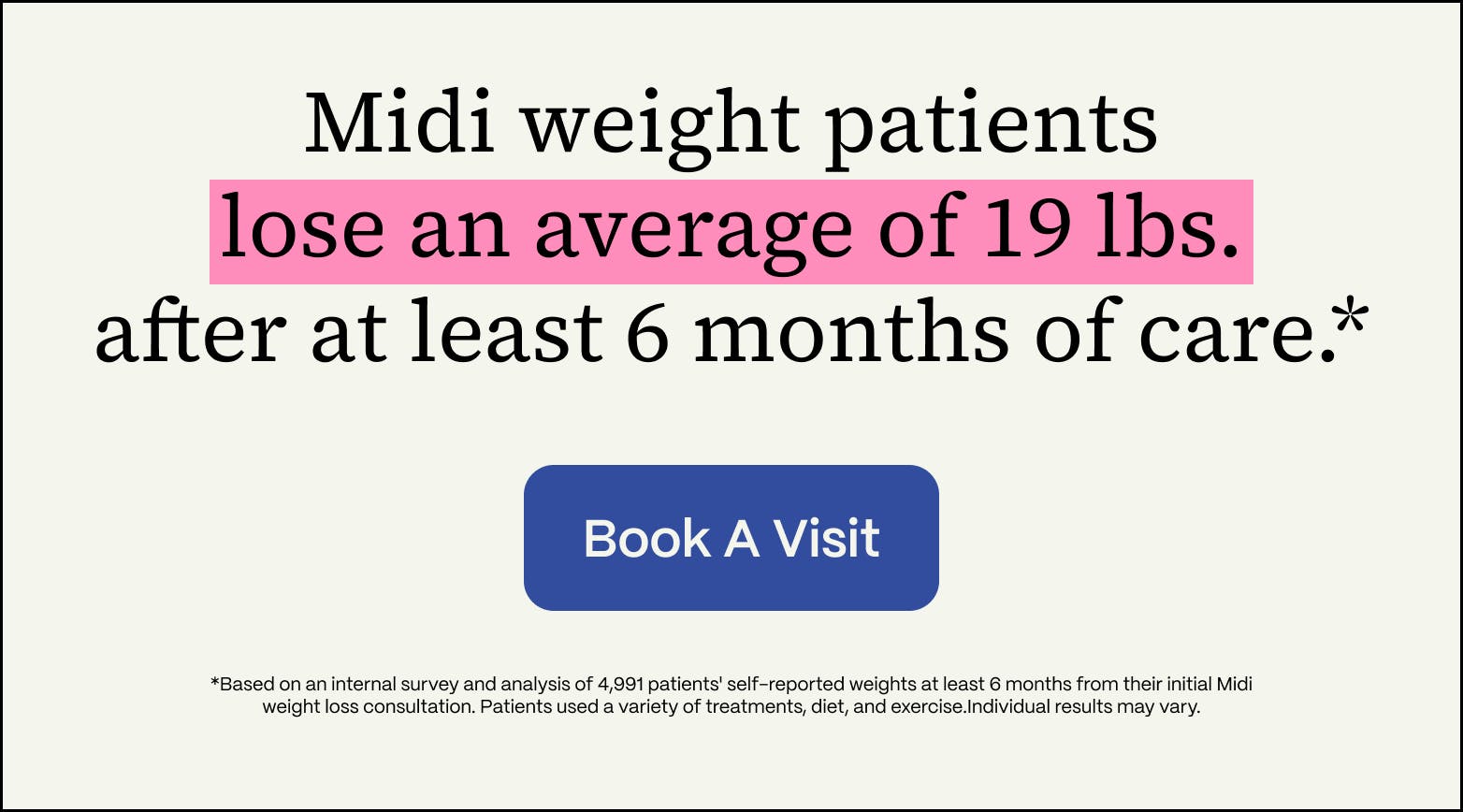
Okay, let’s talk numbers. In the OASIS 4 trial (a large clinical) people taking oral semaglutide lost an average of about 14% of their body weight over 64 weeks—that’s roughly 33 pounds (lb) for someone starting at 235 lb, for example—compared with about 2.4% for people taking a placebo. Roughly three-quarters of participants lost at least 5% of body weight, while about 1 in 4 people lost 20% or more.
While this early research is promising, GLP-1s don’t work the same for everyone. Some people lose substantially less, even with consistent treatment. Your results can depend on your dosage, how your body responds, how consistently you take the medication, and other individual factors.
Now, for the other question probably on your mind: How does the Wegovy pill stack up against other popular weight loss medications?
- In the STEP 1 trial, people taking injectable Wegovy lost about 15% of their body weight at 68 weeks.
- In SURMOUNT-1, people taking higher-dose injectable tirzepatide lost about 21% of their body weight at 72 weeks.
These numbers give us some useful context, but it’s not truly an apples-to-apples comparison. The medications were studied in different trials, with different participants, protocols, and timelines.
And another grain of salt: Clinical trials aren’t exactly real life. Participants are closely monitored, and they typically receive lifestyle support alongside their medication. Out here in the wild, missed doses happen, treatment plans change, and life is life-ing…. So results can be more variable.
How Do You Take the Wegovy Pill? Dosing and the Rules That Matter
The Wegovy pill may be needle-free, but it’s not rule-free. You’ll take it once per day, first thing in the morning, starting at 1.5 mg and increasing every 30 days as tolerated, up to the 25 mg maximum. Your clinician may keep you at a particular dose longer if your body needs more time to adjust, and your maintenance dose may be smaller than the max 25 mg.
Here’s the Wegovy morning routine:
- Take 1 pill on an empty stomach, with no more than 4 ounces of water.
- Swallow it whole—don’t crush, chew, split, or dissolve it.
- Wait at least 30 minutes before eating, drinking anything else, or taking other oral medications. This gives your body time to absorb the medication properly.
Miss a dose? Skip it and take your regularly scheduled dose the next day. Don’t double up.
That 30-minute morning window is non-negotiable, so if your morning routine already involves several medications (especially thyroid medications), talk with your clinician about how you can make the timing work. Wegovy can also affect how certain oral medications are absorbed, so talking over your full medication list with a clinician matters. (A Midi clinician can help you make sense of it all.)

Wegovy Pill vs. Injection: Which Makes More Sense?
Both the Wegovy pill and the injection contain semaglutide, but the “best” form of Wegovy is the one you can take consistently, tolerate well, and afford.
When it comes to weight loss, the Wegovy pill and injection appear to land in similar territory:
- Oral semaglutide produced about 14% average weight loss after 64 weeks in the OASIS 4 trial.
- Injectable semaglutide produced about 15% average weight loss after 68 weeks in the STEP 1 trial (with a 2.5 mg dose).
These were separate trials, not a head-to-head showdown, so we can’t declare a winner based on those numbers alone.
The side effects are also generally similar, with gastrointestinal (GI) concerns like nausea, vomiting, diarrhea, heartburn, and constipation among the most common. Both forms are also designed to be titrated gradually to help your body adjust, although the schedules may differ.
The big difference is how you take it. The pill means no needles, no refrigeration, and no weekly injections, but it comes with a strict morning routine. The injection is once per week and doesn’t come with those morning timing rules, but it does involve a needle.
Last—but certainly not least in this economy—there’s the question of cost. Your own insurance coverage, as well as savings programs and self-pay pricing, can make one option much more affordable than the other.
If you’re doing well on injectable Wegovy but think you’d rather take a pill, switching may be an option. A healthcare professional, like a Midi clinician, can help determine whether it makes sense, based on your current dose, how you’re tolerating treatment, and your goals.
True Stories Of Transformation
Wegovy Pill Side Effects and How to Reduce Them
In general, those unwanted GI side effects are most common when you first start treatment or when your body’s adjusting to a higher dose. If you feel like your stomach is staging a revolt, don’t suffer in silence (or change anything up on your own). Your clinician may recommend staying at a dose longer or slowing titration. In clinical studies, nausea was generally temporary, and most people who experienced it did not permanently stop treatment.
To make Wegovy pill side effects easier, a little strategy can go a long way:
- Eat smaller meals slowly, and stop when you're comfortably full.
- Prioritize protein throughout the day, rather than eating one large, heavy meal.
- Eat bland, low-fat foods, like crackers, toast, rice, and broth-based soups.
- Sip fluids regularly, especially if you're vomiting or having diarrhea.
- Avoid high-fat or greasy meals, which can worsen nausea and reflux.
- Stay upright after eating, rather than lying down right away.
- For constipation, drink fluids, move your body, and gradually increase fiber.
Hair shedding can occur with this medication, but rapid or substantial weight loss itself can also trigger this temporarily. You may feel fatigued, especially if you’re not eating or drinking enough. And because some weight loss can come from lean muscle mass, it’s important to eat adequate protein and do regular resistance training.
Most side effects are uncomfortable rather than dangerous, but some symptoms warrant prompt medical attention. Wegovy carries warnings about pancreatitis and gallbladder problems, as well as the potential risk of thyroid C-cell tumors (based on animal studies).
Contact your clinician if side effects are persistent, severe, or making it difficult to eat, drink, or function as usual. And if you develop severe abdominal pain, seek medical care ASAP.
What the Wegovy Pill Costs and How Coverage Works
Some good news: Oral pills may be more accessible cost-wise for some people. Your actual cost depends on an alphabet’s soup of factors, like your insurance, deductible, dose, and eligibility for savings programs.
The manufacturer currently lists self-pay pricing for the pill starting at $149 per month for the 1.5-mg dose, while eligible people with commercial insurance may pay as little as $25 per month with the Wegovy Savings Offer. (The 25 mg dose is $299 per month.) Cash-pay options are also available. Prices and programs can change, so you’ll want to check the current figures when you’re ready to fill your prescription.
Then, there’s insurance, which can be confusing. Some plans cover Wegovy; others exclude weight loss medications or require you to meet specific criteria. Your clinician may need to show why the medication is medically appropriate.
If you’re denied, that doesn’t necessarily mean the conversation is over. Your clinician may be able to appeal the decision or request an exemption. Helpful documentation can include your medical history, BMI, weight-related health conditions, and previous weight-management efforts.
And one more thing to consider: Wegovy is intended for long-term treatment. So before starting, ask what you’ll pay each month, what happens if your insurance changes, and what your options are if coverage disappears.
The Wegovy pill cost may sound like a lot to figure out, but you don’t have to navigate it alone. A Midi clinician can help you build a treatment plan that makes sense for both your health and your budget.
Who Should and Should Not Take the Wegovy Pill?
Wegovy can be a potent tool for weight management, but it’s not a one-size-fits-all prescription. Your clinician will look at your health history, the medications you’re on, your goals, and risk factors to decide whether it makes sense for you.
You may qualify if you:
- have a BMI of 30 or greater
- have a BMI of 27 to 29.9 and a weight-related medical condition, such as high blood pressure or obstructive sleep apnea
There are also some clear “not for you” situations. The Wegovy pill shouldn’t be taken during pregnancy or after a serious allergic reaction to semaglutide or any of the ingredients. You should also avoid it if you have a personal or family history of medullary thyroid carcinoma or multiple endocrine neoplasia syndrome type 2.
Other health conditions don’t necessarily rule Wegovy out, but they do mean your clinician should have the full picture. Tell them if you:
- have (or have had) problems with your pancreas, kidneys, or GI system
- have type 2 diabetes and a history of diabetic retinopathy
- are scheduled for surgery or procedures that require anesthesia or deep sedation
- plan to become pregnant
- are breastfeeding or plan to breastfeed
- have a history of eating disorders
- Any GI disorder in which food and waste move through the digestive tract abnormally
- Currently use insulin or sulfonyurea
Midi clinicians are here to partner with you and help you decide whether the oral or injectable form of Wegovy is right for you.

Other Weight Loss Treatments to Keep on Your Radar
Wondering what else is out there? Here are a few options worth putting on your clinician-conversation list:
- Injectable Wegovy: Same semaglutide, different delivery system. The injection skips the pill’s morning routine, making it a potentially appealing option if you’d rather deal with medication on a weekly (not daily) basis.
- Tirzepatide: Tirzepatide is a once-weekly injectable medication that works on two hormone pathways—GLP-1 and GIP—to help regulate appetite and blood sugar.
Hormone replacement therapy (HRT, now commonly referred to as menopause hormone therapy, or MHT) isn’t a weight loss medication. But treating menopause symptoms and replenishing hormones when appropriate can make it easier to sleep and move your body, and when you’re well-rested it’s easier to stick with habits that support a healthy weight.
How to Get Started
Book a visit with a clinician if you’re interested in starting a GLP-1 medication. They will review your health history, medications, and relevant labs, and they’ll talk through your goals and eligibility. And then, if a GLP-1 makes sense for you, they’ll prescribe it. From there, you’ll typically start at a lower dose and be guided by your clinician to gradually increase it.
A little homework can make that first visit much more useful. Come prepared to talk about:
- your weight history and previous weight loss efforts
- any past experience with GLP-1 medications, including what worked (or didn’t)
- your current medications and supplements
- your insurance information and coverage details
Regular follow-up helps your clinician adjust your dose, manage side effects, monitor your progress, and make sure you’re getting the support you need along the way.
One last PSA: Be cautious with online sellers that aren’t connected to a licensed clinician or reputable pharmacy. Products from unregulated sources may have uncertain quality, strength, or ingredients—and you may not have the medical oversight needed to use them safely.
At Midi, our clinicians understand the unique challenges of weight change in midlife and beyond. With virtual visits (many of which are in-network with major insurance plans nationwide), you can get an individualized treatment plan and ongoing support, not just a prescription. That includes guidance on getting the proper nutrition, preserving muscle, managing side effects, and adjusting your treatment as your needs change.
Key Takeaways
- Wegovy now comes in pill form. The daily tablet contains the same active ingredient (semaglutide) as injectable Wegovy, giving people a new option for chronic weight management.
- The Wegovy pill comes with guidelines. Take it first thing in the morning on an empty stomach, with no more than 4 ounces of water, then wait at least 30 minutes before eating, drinking, or taking other oral medications.
- The early research on Wegovy’s effectiveness for weight loss is promising. In one trial, people taking oral semaglutide lost about 14% of their body weight on average over 64 weeks. GLP-1s work differently for everyone, and the average isn’t a guarantee.
- Common side effects include nausea, vomiting, diarrhea, constipation, and reflux, particularly when your dose increases. Gradual titration and smart food and hydration strategies can make things more manageable.
- A Midi clinician can help you weigh your options (pill versus injectable), manage side effects, navigate insurance coverage, and build a plan that works for you.
Frequently Asked Questions (FAQs)
How long does it take to lose 20 lb with Wegovy?
People respond to Wegovy differently, so there’s no set time when you can expect to see results.
How much will the new Wegovy pills cost?
It depends on your insurance coverage, deductible, dose, and eligibility for savings programs.
Self-pay pricing for the pill starts at $149 per month for the 1.5-mg dose, while eligible people with commercial insurance may pay as little as $25 per month with the Wegovy Savings Offer.
Is the Wegovy pill available yet?
Yes, the Wegovy pill is FDA approved and available in the United States for weight management.
What meat to avoid on Wegovy?
High-fat, greasy, and/or highly processed meats can worsen side effects like nausea, indigestion, and bloating. It’s also best to limit or avoid fried or breaded meats to avoid those GI side effects.
If you’re in perimenopause or menopause and want guidance from clinicians who specialize in women’s midlife health, book a virtual visit with Midi today.
Hormonal change is at the root of dozens of symptoms women experience in the years before and after their period stops.
Our trained menopause specialists can help you connect the dots to guide you towards safe, effective solutions.
Whether you need personalized guidance or a prescription routine to tackle symptoms—including brain fog, hot flashes, sleep trouble, mood swings, and weight gain—we’ve got you covered. Learn more here.
Midi’s mission is to revolutionize healthcare for women at midlife, wherever they live and whatever their health story. We believe that starts with education, to help all of us understand our always-changing bodies and health needs. Our core values guide everything we do, including standards that ensure the quality and trustworthiness of our content and editorial processes. We’re committed to providing information that is up-to-date, accurate, and relies on evidence-based research and peer-reviewed journals. For more details on our editorial process, see here.