
 Rebecca Yee, MD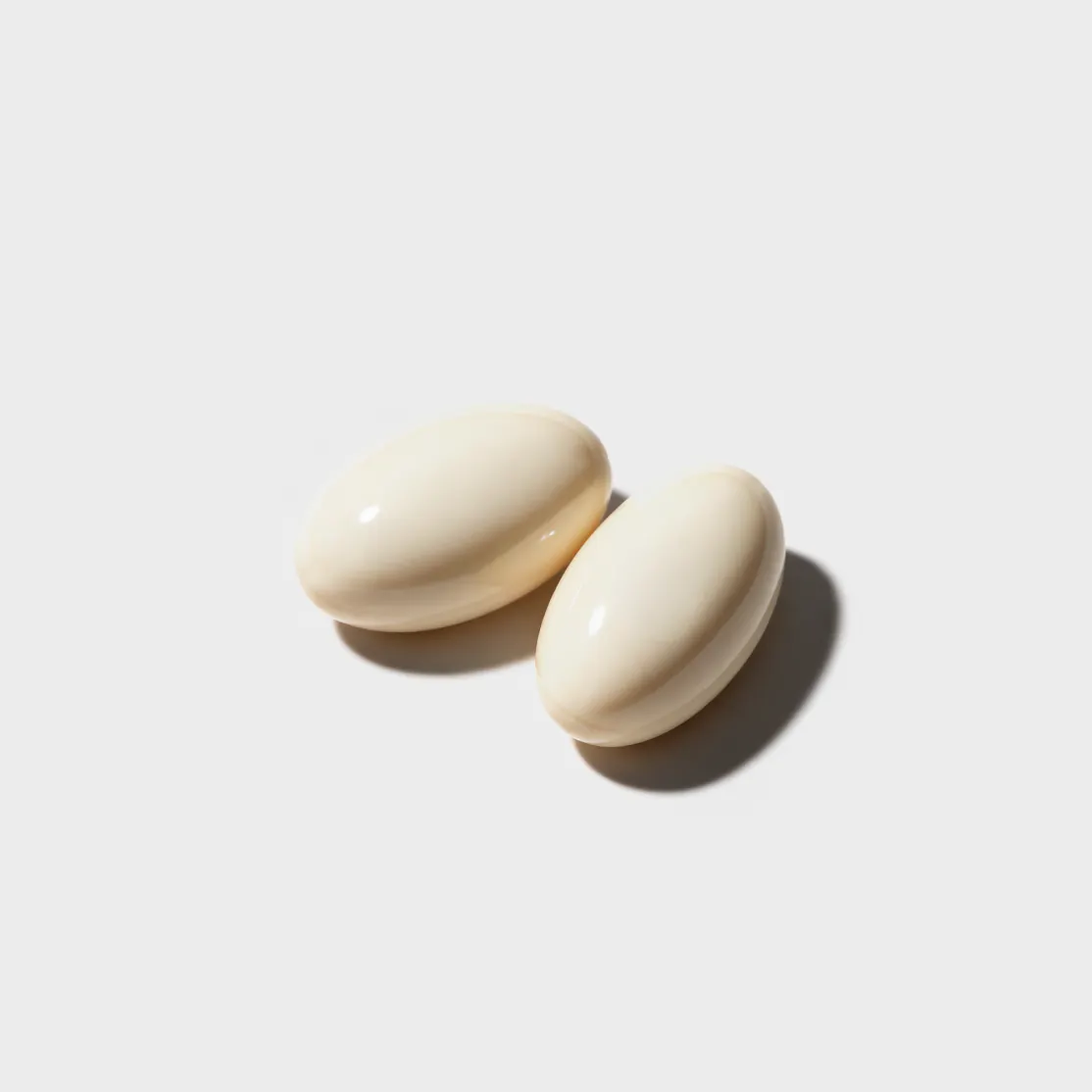
Plagued by vaginal dryness, painful sex, or bladder changes lately? A vaginal estrogen tablet may be worth a try. This form of hormone therapy can be an effective way to ease what’s known as genitourinary syndrome of menopause (GSM), a collection of uncomfortable and sometimes difficult-to-discuss symptoms that affect many women both before and after menopause. Here, we’ll cover how to know whether a vaginal estrogen tablet might be right for you, how it compares with other types of hormone therapy, the possible side effects to be prepared for, and how a healthcare professional (such as a Midi Health clinician) can help you find the right treatment for you.
If you’ve been dealing with vaginal dryness, irritation, pain during sex, or frequent urinary tract infections (UTIs) lately—or all of the above—you may wonder whether a vaginal estrogen tablet is the key to much-needed relief.
Vaginal estrogen tablets are a low-dose form of hormone therapy and one of the first-line treatments for GSM. The term “genitourinary syndrome of menopause,” which GSM stands for, encompasses the many uncomfortable vaginal and urinary changes some women deal with during the menopause transition.
The culprit behind these symptoms? Declining estrogen, of course: Lower levels of this hormone can cause vaginal tissues to become drier, thinner, and less lubricated, leading to pain and discomfort. You might also have to urinate more often, feel a burning sensation, or develop UTI after UTI.
You’re not alone if GSM symptoms feel like they’re taking over your life. More than half of women have vaginal dryness after menopause, for example, while 15% develop it before. And unlike some other menopause symptoms—such as hot flashes, which tend to improve with time—GSM actually gets worse as the years go on.
As debilitating as GSM might be, you don’t have to suffer through it: Certain treatments can help, from over-the-counter (OTC) products to prescription-strength treatments, including vaginal estrogen tablets.
But how do you know whether a vaginal estrogen tablet is right for you, and how does it compare with other forms of vaginal estrogen, like creams or rings? Below, we’ll dive into the ins and outs of vaginal estrogen tablets and how long it typically takes to find relief. (And know that a Midi clinician can help determine whether vaginal estrogen is right for you—and if so, which formulation is best.)
What Is a Vaginal Estrogen Tablet?
A vaginal estrogen tablet is a low-dose hormone therapy to treat some menopause symptoms. This medication—which might be prescribed under the brand names Vagifem, Yuvafem or Imvexxy—is inserted into the vagina to deliver estradiol to the vaginal tissues. As a result, this restores tissue elasticity, normalizes vaginal pH, and increases lubrication—all of which may help reduce uncomfortable symptoms like vaginal dryness or pain. (More on this in a bit.)
There are two main types of hormone replacement therapy (HRT, now commonly referred to as menopause hormone therapy, or MHT): systemic and local. Systemic forms (like estrogen patches, gels, or pills) circulate throughout your bloodstream to address whole-body symptoms like hot flashes or brain fog, while local forms (like a vaginal estrogen tablet, cream, or ring) stay concentrated in targeted tissues, with minimal absorption into your bloodstream. This makes vaginal estrogen tablets a good option for anyone who wants to treat GSM symptoms but isn’t as bothered by hot flashes or night sweats, for example.
Keep in mind that a vaginal estrogen tablet isn’t exactly the same as other localized therapies like vaginal estrogen cream or rings, and the tablets shouldn’t be confused with OTC products such as lubricants.

What Does Vaginal Estrogen Treat?
Vaginal estrogen (whether in the form of a tablet, cream, or ring) is the first-line treatment for GSM symptoms such as:
- vaginal dryness, burning, and itching
- painful sex
- decreased lubrication
- urinary urgency
- increased urinary frequency
- dysuria (pain or discomfort when urinating)
- recurrent UTIs
All these symptoms are set off by fluctuating estrogen during perimenopause, so boosting levels of the hormone to the vaginal area can improve them.
You may have heard the term “vaginal atrophy” used to describe similar symptoms—this phrase was used previously to describe thinning and drying of the vaginal lining, but experts now refer to menopausal vaginal changes as GSM. This broader definition includes the urinary symptoms listed above (like urgency or frequent UTIs), which a vaginal estrogen tablet can also help treat.
So what doesn’t a vaginal estrogen tablet treat? Again, because this is a localized form of estrogen, it’s not absorbed into the bloodstream at the same level as systemic therapies such as oral estradiol tablets. If you’re hoping that HRT will help reduce hot flashes and night sweats or improve bone loss, a systemic form of hormone therapy would be needed.
Vaginal Estrogen Tablet vs. Cream vs. Ring: Which Is Right for You?
Understanding all the different types of hormone therapy might feel a little overwhelming. Even if your clinician recommends vaginal estrogen therapy, there are multiple forms that offer varying pros and cons.
A vaginal estrogen tablet is one of those forms, and other options include vaginal estrogen cream and the vaginal estrogen ring. All three can be effective at treating genitourinary symptoms like vaginal dryness and irritation, though you may want to consider factors like ease of use and insurance coverage.
- Vaginal estrogen tablets (such as Vagifem, Yuvafem, or Imvexxy): This form of vaginal estrogen is best for anyone who values simplicity and consistent, easy dosing. These estradiol vaginal inserts are placed high in the vagina, meaning they may be less messy than a cream. (In a 2012 comparative study of estrogen cream and the Vagifem tablet, for example, the tablets were reported as significantly easier to use.) The downside is that vaginal inserts offer more limited coverage for vulvar or vestibular symptoms (which refer to symptoms affecting the external genital area, such as the labia, and the sensitive tissue right at the vaginal opening, respectively). That means if you experience external dryness, itching, or burning at the entrance—or pain right at the opening during intercourse or wiping—a tablet placed high inside the vagina may not directly reach those outer tissues.
- Vaginal estrogen cream (such as Estrace or Premarin): Vaginal estrogen cream is best for severe GSM or vestibular symptoms. It also tends to be more affordable. But it can be messy and requires an applicator or finger insertion, which some women dislike.
- Vaginal estrogen ring (such as Estring): If you like the idea of a “set it and forget it” approach to hormone therapy, the vaginal estrogen ring may be appealing, since this form is typically inserted for 90 days and provides a continuous, low-dose delivery of the medication. However, the vaginal estrogen ring tends to have a higher upfront cost, and some women may not find it as comfortable.
“Vaginal estrogen tablets are particularly well suited to women who want a precise dose treatment, minimizing systemic estrogen with a fixed dose, without the mess or variable dosing of a cream,” says Midi physician Bonita Coe, MD. “Since the different vaginal estrogen formulations are generally similarly effective (cream, tablet/insert, ring), the best choice often comes down to what fits a woman’s preferences and routine.”
How Do You Use a Vaginal Estrogen Tablet?
If your clinician prescribes a vaginal estrogen tablet, you’ll insert it high into the vagina using a disposable applicator. The hormone is absorbed through the vaginal tissues, then it begins taking effect.
You should always follow any personalized dosage and application instructions from your clinician. But the standard dosing regimen is to insert 1 vaginal estrogen tablet nightly for the first 2 weeks (this is referred to as a loading dose), then reduce to twice per week from then on (the maintenance dose). The tablet can remain in place and doesn’t need to be removed if you have sex.
To use this medication, make sure to wash your hands and squat (just like when you put a tampon in) or lie down with your knees bent to insert the tablet, using the applicator in your pack (the tablet may already be inside of it). Insert the applicator carefully, as far as you’re comfortable with. Press the plunger and wait for the “click” so you know the medication has been dispensed. Once you’re done, throw away the applicator and wash your hands.
Forget a dose? Just insert the missed vaginal estrogen tablet as soon as you remember, but never insert 2 doses at once to make up for one you’ve forgotten. If you have any questions about timing, check with your clinician or pharmacist.
How Long Does It Take to Work?
Some women start to experience measurable improvements in symptoms within 3 to 4 weeks after using a vaginal estrogen tablet. But it can take longer, potentially up to 3 months, for vaginal estrogen to reach its maximum benefit. (Remember: You have to continuously use this medication as prescribed for it to work—if you stop taking it, your symptoms will return.)
In a 2011 review of the vaginal estrogen tablet brand Vagifem, researchers noted that one study of 58 menopausal women found the medication started to offer improvements over baseline after 1 or 2 weeks of use. In another study referenced in that review, estradiol vaginal tablets showed significant improvements in bothersome symptoms by week 12.
If your symptoms don’t seem to be improving after 3 months, let your clinician know. They may recommend switching to another form of vaginal estrogen or trying a different or additional type of hormone therapy altogether.
What Success Looks and Feels Like
Side Effects to Be Aware Of
Vaginal estrogen tablets are usually very well tolerated. Because this is a low-dose, localized form of hormone therapy, there’s less absorption compared with systemic estrogen, which can mean fewer side effects. This also means vaginal estrogen tablets don’t require the use of progesterone to protect the uterine lining.
The most common side effects of vaginal estrogen tablets are mild, and they may include vaginal discharge or, rarely, irritation. Reach out to your clinician if you experience any acute irritation, or if you notice any bothersome side effects. If you experience any vaginal bleeding, it needs to be evaluated by a clinician.
Who Should Not Use a Vaginal Estrogen Tablet?
Because a vaginal estrogen tablet is a localized form of hormone therapy, it’s a safe, low-risk form of medication that can be used by most women.
Still, it’s always smart to let your clinician know about any other medical conditions you have or had in the past. For example, if you’re a breast cancer survivor, your clinician may recommend taking a certain type of vaginal estrogen; if you’re actively taking an aromatase inhibitor, your clinician may coordinate with your oncology team before prescribing vaginal estrogen tablets.
If you’re not able to take vaginal estrogen tablets for whatever reason, know that other treatments are effective for menopause symptoms. For example, your clinician might suggest using a different formulation or trying non-hormonal OTC products (such as vaginal lubricants and moisturizers), which can also help with dryness or painful sex.
How to Get a Vaginal Estrogen Tablet Prescribed
If you think you might benefit from vaginal estrogen tablets or another form of HRT, reach out to a menopause-trained clinician, such as one at Midi. It can be helpful to bring along a list of specific symptoms you’re experiencing, including how frequently they affect you (for example, if you’re having frequent UTIs) and your daily activities.
Before prescribing a vaginal estrogen tablet, your clinician will perform a diagnosis based on your medical history and symptoms. If you have symptoms of GSM—such as bothersome vaginal, vulvar, or urinary symptoms—and don’t have red flags that require a physical exam, they may prescribe vaginal estrogen tablets directly.
Once you’ve been prescribed vaginal estrogen tablets, your clinician will recommend regular check-ins to review your progress and confirm the medication is working well. Make sure your clinician also stays up-to-date on any other medications or supplements you’re taking.
Although hormone therapy isn’t right for everyone, a vaginal estrogen tablet can be an effective tool for many women looking to improve symptoms like vaginal dryness and irritation. Your concerns about these symptoms deserve to be addressed, and there are treatment options that can meaningfully improve your quality of life.

Key Takeaways
- A vaginal estrogen tablet is a low-dose form of hormone therapy intended to treat genitourinary syndrome of menopause (GSM) symptoms, including vaginal dryness, irritation, painful sex and frequent urinary tract infections (UTIs). It may be prescribed under the brand names Vagifem, Yuvafem, or Imvexxy.
- Vaginal estrogen tablets offer certain benefits over other forms of vaginal estrogen such as vaginal estrogen cream or the ring. Because you insert the tablet high in the vagina, it’s less messy than a cream, and the dosing is consistent and easy to use.
- This form of estrogen should be inserted using a disposable applicator. Estrogen is absorbed through the vaginal tissues, but there’s minimal systemic absorption—meaning, this medication has fewer side effects and risks than some other forms of hormone therapy.
- Side effects of vaginal estrogen tablets are usually mild and temporary, like vaginal discharge.
- It may take up to 12 weeks for vaginal estrogen tablets to work fully, though it’s possible to notice some symptom improvement within a few weeks.
Frequently Asked Questions (FAQs)
Do estradiol inserts cause weight gain?
No, estradiol inserts aren’t thought to directly cause weight gain. Though there’s been little research specifically on this topic, vaginal estrogen products have minimal systemic absorption, and the most common side effects are mild, such as vaginal discharge. But many women do gain weight in midlife, and you may simply start to notice these body composition changes around the same time that you’re using vaginal estrogen.
Can you buy vaginal estrogen over the counter?
Vaginal estrogen is available with a prescription from your clinician. There are different OTC products you can buy that are designed for vaginal dryness and irritation, such as water-based vaginal lubricants or moisturizers.
How long does it take for vaginal estrogen to work?
You might notice some symptom improvement after taking vaginal estrogen for a few weeks, but it can take 8 to 12 weeks for it to fully work. Remember, too, that you have to continuously use vaginal estrogen as prescribed for it to be effective—your symptoms will return if you stop taking it.
How does a woman feel when her estrogen is low?
Women with low levels of estrogen might experience decreased sex drive, headaches around your period, irritability, irregular periods or none at all, hot flashes or night sweats, difficulty concentrating, painful sex, vaginal dryness, and insomnia. But when estrogen levels produced in the ovaries begin to decline in the years leading up to menopause, you can experience dozens more lesser-known perimenopause symptoms, from brain fog to muscle aches to hair loss.
If you’re in perimenopause or menopause and want guidance from clinicians who specialize in women’s midlife health, book a virtual visit with Midi today.
Hormonal change is at the root of dozens of symptoms women experience in the years before and after their period stops.
Our trained menopause specialists can help you connect the dots to guide you towards safe, effective solutions.
Whether you need personalized guidance or a prescription routine to tackle symptoms—including vaginal dryness and irritation, brain fog, hot flashes, sleep trouble, mood swings, and weight gain—we’ve got you covered.
Midi’s mission is to revolutionize healthcare for women at midlife, wherever they live and whatever their health story. We believe that starts with education, to help all of us understand our always-changing bodies and health needs. Our core values guide everything we do, including standards that ensure the quality and trustworthiness of our content and editorial processes. We’re committed to providing information that is up-to-date, accurate, and relies on evidence-based research and peer-reviewed journals. For more details on our editorial process, see here.