


When midlife changes bring weight gain, fatigue, and low energy, it’s natural to wonder: “Is there such a thing as a metabolism booster out there?” That’s why your ears may perk up when you hear about supplements to boost metabolism. But which supplements actually live up to their claims, and are they worth trying? We’ll break down exactly what supplements can and can’t do to support your metabolism in midlife, and how Midi Health clinicians can help you navigate the options and find what works best for you.
Oh, the challenges of midlife: weight that suddenly feels more difficult to manage, energy that dips throughout the day, body composition changes that seem to come out of left field—the list goes on. So when a friend or social media influencer starts raving about taking supplements to boost metabolism, it’s natural to wonder whether they’re right for you, too. But you also may wonder what ingredients are in them and whether natural supplements to boost metabolism truly work.
While supplements aren’t a replacement for healthy habits or prescription medications when needed, some evidence-informed supplements can be a smart fit for your metabolic health. With the right information, you can separate the hype from what may actually benefit your well-being as you age.
Keep reading for info about how certain supplements may benefit women going through midlife shifts—keeping in mind that the decision to take supplements should be based on your individual needs, ideally with the guidance of a clinician. With evidence-based information and smart advice from a menopause-informed clinician (like one at Midi), you can decide whether metabolism supplements can help support your health goals.
How Metabolism Changes During Perimenopause and Menopause
Your metabolism is how your body converts food into energy, and if you’ve noticed changes during midlife, you’re not imagining things. As estrogen levels fluctuate and gradually decline during the menopause transition, women can experience changes in body composition, including a loss of lean muscle and an increase in body fat, especially around the abdomen. Because muscle burns more energy than fat at rest, this shift, combined with the effects of aging, can gradually lower the total energy your body uses.
During this life stage, you may also be hit with sleep disruptions, new sources of stress, and thyroid changes, making it feel like an uphill battle to shed pounds or boost your energy. But even though metabolic and body composition changes are common in midlife, it doesn’t mean you can’t manage them. With the right care and support, there are ways to protect muscle, support metabolic health, and feel more like yourself again.
Can Supplements Really Boost a Slowing Metabolism?
If you’re hoping for a supplement that’s a metabolism booster, it’s important to set realistic expectations. Supplements can help bolster your health and fill nutritional gaps, but they aren’t a replacement for habits that support metabolic health, including healthy eating and moving your body on the regular—specifically, exercises that help you maintain lean muscle.
There’s also a big difference between correcting a nutrient deficiency and taking a supplement in hopes of speeding up an already healthy metabolism. Some products marketed as “thermogenic fat burners” claim to increase metabolism and calorie burn, but research suggests that their effects on weight are limited at best. Instead, certain supplements may be most useful when they provide a nutrient your body actually needs or support a specific aspect of metabolic health.
Needs vary from person to person, and when it comes to boosting metabolism, there’s no one-size-fits-all fix.
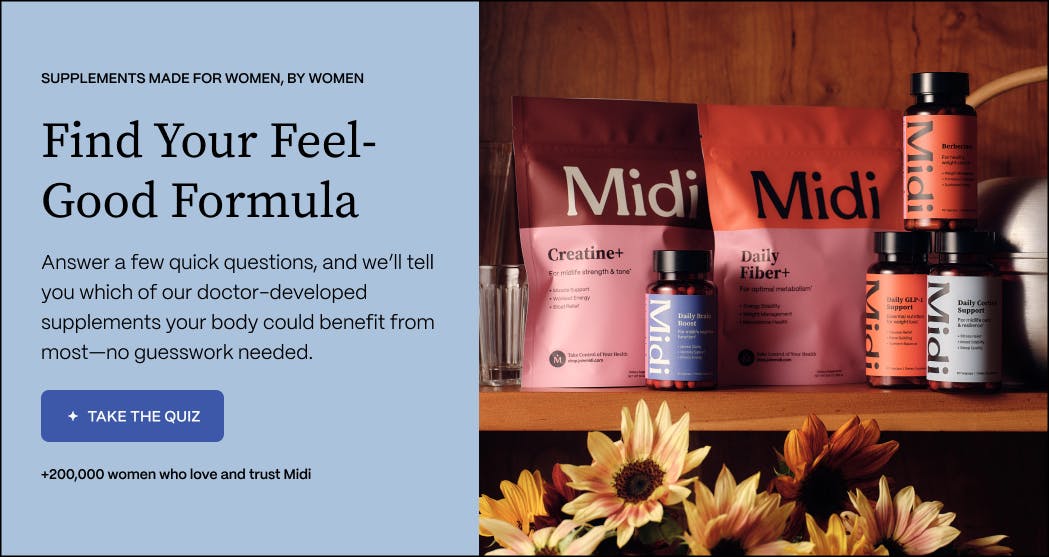
Supplements to Boost Metabolism
Some common supplements have been shown to support different aspects of metabolic health, but keep in mind that their effects vary from person to person, depending on individual needs. Here’s what the evidence on these supplements shows so far.
1. Berberine
Research suggests that berberine may support blood sugar and insulin sensitivity. Some research (largely conducted in people with elevated blood sugar or conditions like PMOS) links berberine to improvements in fasting glucose, insulin sensitivity, and BMI.
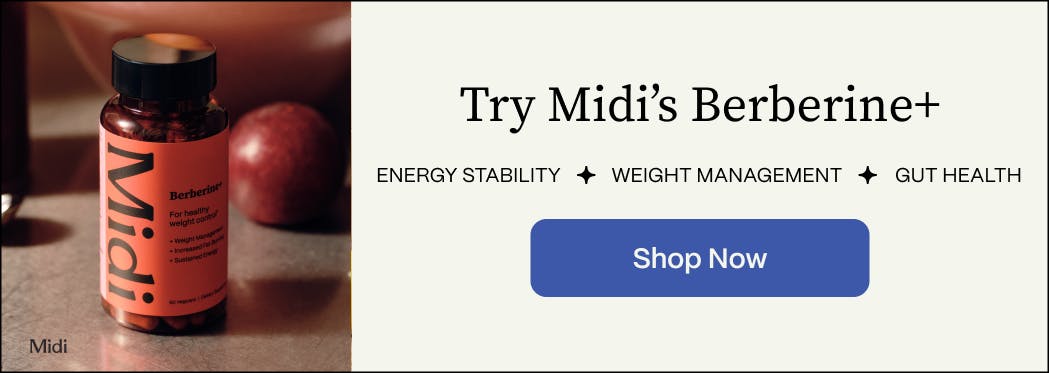
Midi’s Berberine+ is formulated dihydroberberine (DHB), a form that early research suggests may be absorbed more efficiently than standard berberine. Plus, the supplement’s slow-release formulation delivers the benefits of DHB over the course of the day.
2. Inositol (Myo-inositol and D-chiro-inositol)
Inositol may help support insulin sensitivity and blood sugar regulation, particularly in people with certain metabolic conditions.
3. Magnesium
Magnesium plays an important role in glucose metabolism. Supplementation may benefit blood sugar regulation and other cardiometabolic measures in some people, particularly those who aren't getting enough.
4. Fenugreek
Some research suggests that this herb may help improve blood sugar control and other metabolic markers, although results vary and more research is needed.
5. NAD+ precursors (NR and NMN)
Nicotinamide riboside (NR) and nicotinamide mononucleotide (NMN) can increase NAD+ levels, which play a role in cellular energy metabolism. However, it's not yet clear whether taking these supplements translates into meaningful improvements to metabolic health.
6. Green tea extract
Green tea extract may slightly increase energy expenditure, but don't expect dramatic results: Research suggests that any effect on weight loss is likely to be small.
7. Fiber
Getting adequate fiber can support blood sugar regulation, satiety, and overall metabolic health. If you find you’re having trouble getting enough fiber in your diet, consider Midi's Daily Fiber+, which delivers 5 grams (g) of soluble and insoluble fiber.

8. Probiotics
Certain probiotics are being studied for their potential effects on the gut microbiome and metabolic health, but benefits depend on the specific strains and on the person taking them.
9. Calocurb (Amarasate)
Amarasate is an extract derived from New Zealand bitter hops, has been studied in a small, short-term trial for its effect on appetite and food cravings rather than on metabolism itself—but evidence is preliminary.
B Vitamins: The Foundation of Energy Metabolism
When it comes to a healthy metabolism, you can’t ignore the role of B vitamins. Vitamins B1, B6, B12, and folate help your body convert carbohydrates, protein, and fat into usable energy.
Deficiencies in B vitamins can happen when you don’t get enough of them from food, so people who eat plant-based diets are particularly at risk of B12 deficiency. Age can also be a factor, since the body may have more difficulty absorbing naturally occurring B12 as you get older.
This may make you assume that B vitamins are natural supplements to boost metabolism—but it’s important to note that adding these vitamins beyond what your body needs won’t further speed up your metabolism.
Food is generally a good place to start getting the B vitamins you need. Milk, chicken, eggs, leafy greens, beans, and whole grains can all provide different B vitamins, while some people may benefit from supplementation based on their diet or individual needs.
Vitamin D and Magnesium for Metabolic Health
You can get vitamin D from both food and the sun. Low vitamin D levels have been associated with metabolic health concerns: People with obesity, for example, are more likely to have low levels of vitamin D, although taking vitamin D supplements hasn’t been shown to help you lose weight. Vitamin D levels can also become harder to maintain with age as the skin becomes less efficient at producing it from sunlight.
Magnesium also plays an important role in the body—it’s involved in more than 300 enzyme systems, including those that produce energy and regulate blood sugar. Older adults and people with certain health conditions, including type 2 diabetes and gastrointestinal diseases, are among those at greater risk of getting too little magnesium.
Vitamin D and/or magnesium supplements may be beneficial when you aren't getting enough, but taking more than your body needs won't necessarily provide an added boost to your metabolism—and it can come with risks.
If you’re concerned about your levels or whether supplementation makes sense for you, talk with a clinician before deciding what to take.

Green Tea Extract, Caffeine, and "Fat-Burning" Ingredients
Green tea is something you might think of more as a beverage than a supplement, but green tea extract does have properties that make it seem appealing to people seeking extra fat burning.
Green tea contains catechins, including EGCG, as well as caffeine, and research suggests these compounds may modestly increase energy expenditure and fat oxidation. But the effects are relatively small, and green tea extract hasn’t been shown to produce meaningful weight loss.
Some important cautions also come with green tea extract and caffeine. Caffeine can make you jittery and disrupt your sleep, particularly if you’re sensitive to it. And cases of liver injury have been reported with green tea extract supplements, though this is uncommon. The bottom line: If you’re considering green tea extract as a supplement, talk with your clinician about whether it’s right for you.
Iron, Protein, and Nutrients Women Often Miss
Women can miss out on key nutrients due to diet, lifestyle, or life stage. If you’re researching supplements to boost metabolism for women, iron and protein are two nutrients worth understanding—but for different reasons.
- Iron: If you’re feeling sluggish and tired all the time, low iron could be a factor. Iron deficiency can cause fatigue and weakness that may leave you feeling like your body just isn’t operating at its best. Women who experience heavy bleeding during perimenopause may be at greater risk of iron deficiency. Speak with your clinician about testing before starting an iron supplement, so you can be sure you’re treating an actual deficiency.
- Protein: This nutrient helps preserve muscle mass, which becomes increasingly important in midlife. It also has a higher thermic effect than carbohydrates or fat, meaning your body uses more energy to digest and process it in food.
- How to Choose a Metabolism Supplement (and What to Avoid)
- When choosing the best supplements to boost metabolism, there are several things to consider and look for before buying:
- Check the label to see whether the supplement uses third-party testing, which can help verify that a supplement contains the ingredients listed on the label and is screened for unacceptable levels of contaminants.
- Seek out supplements with evidence-based ingredients that are backed by research, not just marketing claims or hype.
- Be sure to check for potential interactions with medications you’re currently taking or any preexisting conditions you may have before starting a supplement.
A trained clinician, like one at Midi, can help you weigh the evidence and determine which supplements, if any, best fit your individual needs.

Habits That Boost Metabolism to Work Into Your Routine
Certain lifestyle habits are proven to support a healthy metabolism:
- Exercise: Make movement a part of daily life, and prioritize strength training when possible—this can help preserve muscle, which is especially important in midlife.
- Nutrition: Be sure that you’re getting adequate protein in your diet. (Midi clinicians typically recommend that women aim to eat about 1.2 to 1.3 grams of protein per kilogram of bodyweight per day, though that number can change depending on your workout routine.)
- Sleep and stress management: Make getting regular quality sleep a priority, and actively look for ways to bring a measure of calm to your days.
While none of these things on their own will dramatically boost your metabolism, together they can support your overall health and make it easier to keep up with other healthy habits, whether or not you take supplements.
It’s also important to address any perimenopause or menopause symptoms that are disrupting your days and making it harder to stay on a healthy-habits track. Your clinician can help you manage those symptoms and explore whether hormone therapy might be appropriate for you.
And remember, if you do go the supplement route, think of supplements as a supporting player, not the star of an overall healthy lifestyle.
When to Talk With a Menopause Specialist
If you’re experiencing persistent fatigue or unexplained weight changes, or you simply suspect you may be deficient in a key nutrient, it’s worth speaking with a clinician who specializes in perimenopause and menopause, like one at Midi. A trained clinician can determine which nutrient levels may be appropriate to test and whether thyroid testing makes sense, and they can come up with a safe plan that’s tailored to your individual needs.
Midi is in network with most major insurance plans nationwide and offers a convenient way to work with clinicians who can give you personalized support related to your metabolism and your whole health picture. Whatever your next step, remember that choosing a supplement is a highly individual decision. The best support comes from whole-person care that takes your entire health journey—not just one aspect of it—into account.
Key Takeaways
- Metabolism naturally changes during midlife as estrogen levels decline and body composition and muscle mass shift.
- Some supplements may support metabolic health or correct specific nutrient deficiencies, but they can’t replace healthy habits or dramatically speed up metabolism.
- Certain supplements and nutrients—including B vitamins, vitamin D, magnesium, and iron—may be helpful depending on your individual needs.
- Strength training, adequate protein, quality sleep, stress management, and daily movement are foundational elements for supporting metabolic health.
- Before starting a supplement, talk with a clinician who can help identify potential deficiencies, check for medication interactions, and help you determine what makes sense for your overall midlife health.
Frequently Asked Questions (FAQs)
Do metabolism-boosting supplements actually work?
Some supplements may support metabolic health, particularly when they correct a nutrient deficiency. But there’s no supplement that can dramatically speed up an otherwise healthy metabolism. Supplements work best as one part of a larger approach that includes strength training, adequate protein, quality sleep, and other healthy habits.
What vitamin am I lacking if I can't lose weight?
There isn’t one vitamin deficiency that explains difficulty losing weight. Low levels of nutrients such as vitamin D, B vitamins, or iron may affect energy or overall health, but supplementing won’t necessarily lead to weight loss. A clinician can help determine whether testing for a deficiency makes sense based on your symptoms and health history.
What is the 2-2-2 method for metabolism?
The 2-2-2 method is a social media trend, rather than an established medical approach, to boosting metabolism, and different versions of the method circulate online. The numbers generally refer to sets of diet, exercise, or lifestyle practices, depending on the version. There isn’t strong clinical evidence that following a 2-2-2 formula will meaningfully speed up your metabolism.
How long do metabolism supplements take to start working?
There’s no universal timeline because it depends on the supplement, why you’re taking it, and your individual health needs. If a supplement is correcting a true deficiency, benefits may emerge as that deficiency improves. Be cautious of products promising rapid changes in metabolism or dramatic weight loss.
Are metabolism supplements safe to take with HRT or thyroid medication?
It depends on the supplement and medication. Dietary supplements can interact with prescription medications, so don’t assume a product is safe simply because it’s labeled “natural.” It’s always a good idea to check with your clinician before starting a new supplement, especially if you take hormone therapy, thyroid medication, or other prescriptions. And only add one supplement at a time, so you can gauge whether it’s working and how your body is reacting to it.
If you’re in perimenopause or menopause and want guidance from clinicians who specialize in women’s midlife health, book a virtual visit with Midi today.
Hormonal change is at the root of dozens of symptoms women experience in the years before and after their period stops.
Our trained menopause specialists can help you connect the dots to guide you towards safe, effective solutions.
Whether you need personalized guidance or a prescription routine to tackle symptoms—including brain fog, hot flashes, sleep trouble, mood swings, and weight gain—we’ve got you covered. Learn more here.
Midi’s mission is to revolutionize healthcare for women at midlife, wherever they live and whatever their health story. We believe that starts with education, to help all of us understand our always-changing bodies and health needs. Our core values guide everything we do, including standards that ensure the quality and trustworthiness of our content and editorial processes. We’re committed to providing information that is up-to-date, accurate, and relies on evidence-based research and peer-reviewed journals. For more details on our editorial process, see here.