
Unlike what our mothers and grandmothers might have experienced, menopause relief is readily available today. That said, menopause is a very personal experience, and how to treat menopause and its many life-disrupting symptoms may vary from person to person.
That’s why we’re breaking down all the treatments available to help address your symptoms, from prescription medications to over-the-counter (OTC) solutions to lifestyle strategies.
Although hormone replacement therapy (HRT, now commonly referred to as menopause hormone therapy, or MHT) is the first-line choice for menopause symptoms like hot flashes or night sweats, it’s not always preferred or tolerated by everyone. Plenty of non-hormonal prescriptions, vaginal treatments, lifestyle changes, and emotional support tools are available, and they can have a huge impact on menopausal symptoms as well. You can talk with a Midi Health clinician to learn about the best options for you.
How to Treat Menopause: Start With the Symptoms Affecting You
The best way to treat menopause is to start with the, mood changes, brain fog, vaginal dryness, painful sex, or urinary concerns. There is no one-size-fits all test to identify menopause. Instead, it is officially diagnosed after you have gone 12 consecutive months without a menstrual period. Before that, perimenopause is identified based on your symptoms and menstrual history, so it’s important to track the frequency, severity, and triggers of anything you are experiencing
Working with a menopause-trained clinician is important. Sometimes, what feels like menopause symptoms may actually be something else. Testing may help your clinician evaluate thyroid problems, anemia, pregnancy, or other possible causes that may mimic some of your symptoms.
As much as we’d love to have a magic wand and instantly get rid of all menopause symptoms, it takes time. Set realistic goals with your clinician around meaningful relief from the most bothersome symptoms, rather than tackling everything at once. You can always reassess the plan as your symptoms, preferences, and health needs change.

Menopause Relief Options
Prescription Menopause Relief: Hormone and Non-Hormone Options
So, what is the best prescription medication for menopause? That’s a super common question because everyone is looking for relief. There is no single “best” prescription for everyone; it’s dependent on personal health (including your medical history and menstrual stage), age, symptoms, and preferences.
Everyone throws around the term “HRT,” but that actually encompasses four primary types of hormone therapy treatments:
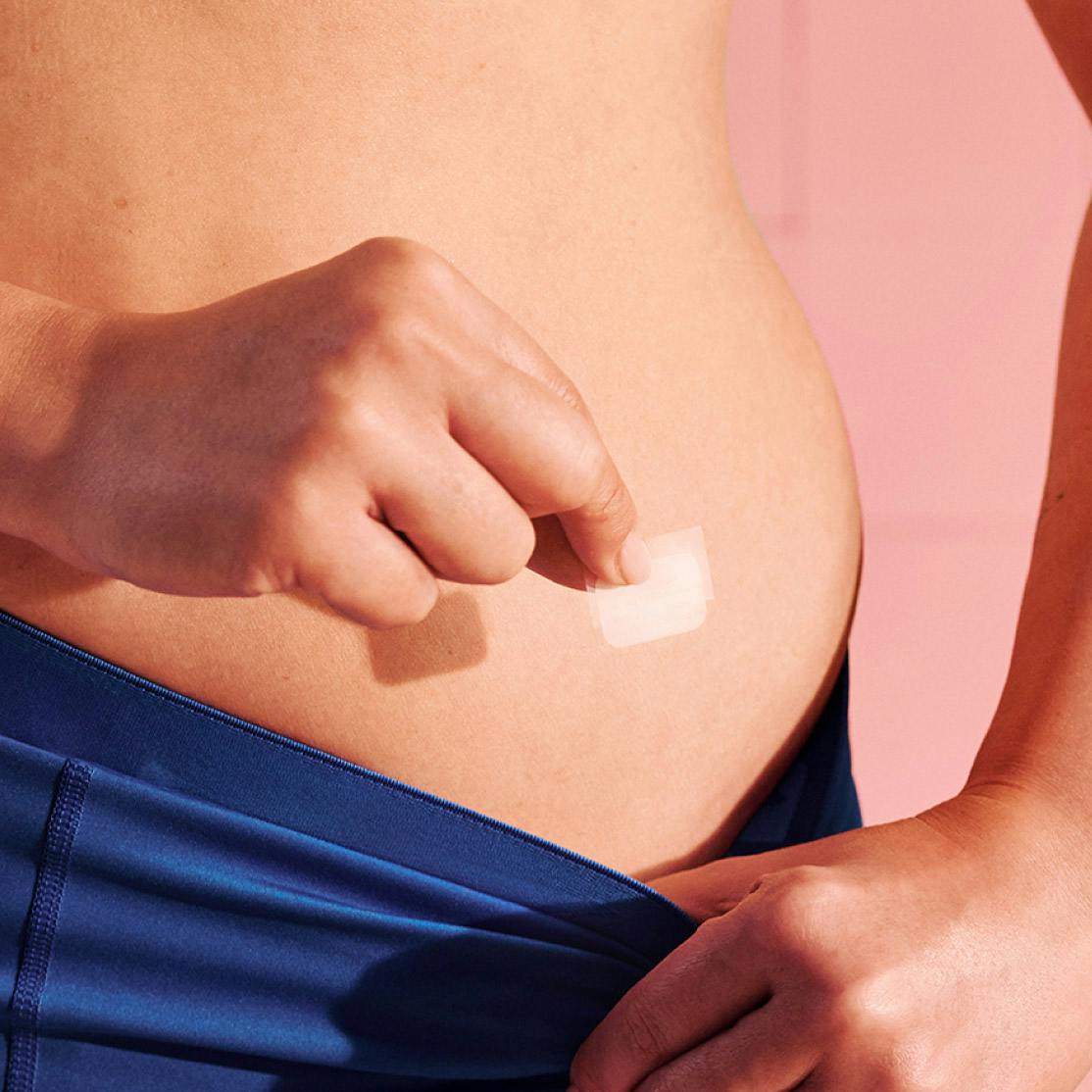
- Systemic hormone therapy: When a treatment is systemic, it means it travels through your bloodstream to work throughout your entire body, rather than staying in just one local area. It’s used for hot flashes, night sweats, sleep disruption, and related symptoms; delivered via patches, gels, or pills (with transdermal patches and gels typically recommended).
- Estrogen plus a progestogen: Used for people with a uterus (progesterone helps protect the uterine lining)
- Estrogen-only therapy: Used for people without a uterus, when appropriate
- Low-dose vaginal estrogen (generally intravaginally and/or topically on external vaginal tissues), vaginal DHEA, or SERM (select estrogen receptor modulator): Used for vaginal dryness, painful sex, and some urinary symptoms
For those who also need menstrual cycle support or pregnancy prevention support, low-dose hormonal contraception is a possible option.
Although HRT is safe, some people may prefer or need to opt for non-hormonal options. Those may include:
- SSRIs and SNRIs: At lower doses, these antidepressant medications are also effective for hot flashes and night sweats. A few options in this class of medications include citalopram (Celexa), escitalopram (Lexapro), and venlafaxine (Effexor), which is a preferred off-label option for women with breast cancer because it doesn’t interfere with certain cancer prevention medications.
- Gabapentin: This medication is typically prescribed as a treatment for seizures, nerve pain, and restless legs syndrome, but it’s also been shown to reduce the frequency and duration of hot flashes compared with a placebo (sugar pill). It can cause side effects like dizziness.
- Neurokinin receptor antagonists (i.e., Veozah or Lynkuet): These are a newer class of non-hormonal drugs for hot flashes. While both effectively regulate body temperature, Lynkuet is uniquely designed to also help relieve sleep disturbances.
Over-the-Counter and Natural Menopause Relief
Over-the-counter menopause relief options can be helpful either alongside or instead of prescription options, depending on the symptoms you’re experiencing. The most common symptoms that respond to OTC or lifestyle changes include:
- Sexual dryness/discomfort: water or silicone-based lubricants, regular vaginal moisturizers
- Hot flashes: cooling layers, fans, breathable bedding, a log of when they occur
- Coping, sleep issues, or mood: cognitive behavioral therapy (CBT), mindfulness, yoga, and relaxation practices.
Consistent sleep routines, regular exercise and movement, balanced nutrition, reduced alcohol consumption, and reduced smoking exposure can have an overall impact on your health and may decrease some menopause symptoms.
You may also be wondering if supplements should have a place in your routine. These can be a helpful tool for many women, but it’s best to check in with a healthcare professional, such as a Midi clinician, to make sure that any remedies you’re considering are compatible with your other medications and health history.
Matching the Right Menopause Support to the Symptom
Figuring out how to treat menopause symptoms can be confusing. The best way to think of it is by symptom instead of trying to tackle everything at once:
- Hot flashes and night sweats: systemic hormone therapy, non-hormonal prescriptions, cooling strategies (fans, layers), and eliminating triggers
- Sleep disruption: treatment of nighttime symptoms like night sweats first, then addressing sleep habits and possible sleep disorders
- Mood changes and anxiety: HRT and non-hormonal prescriptions, counseling, CBT
- Vaginal or urinary symptoms: moisturizers, lubricants, pelvic floor support, and prescription vaginal treatments, such as vaginal estrogen
- Sexual concerns: addressing vaginal dryness, pain, sleep, mood, certain medication side effects, and changes in relationship dynamics
- Bone and heart health: systemic hormone therapy (which can help preserve bone density and reduce fracture risk), long-term health planning (including cardiovascular risk-factor screening and management, cancer screening, and bone density assessment)
True Stories Of Transformation
Frequently Asked Questions (FAQs)
What is the best prescription medicine for menopause?
There is no single best prescription medicine for menopause. Although hormone replacement therapy is the most effective treatment for hot flashes and related symptoms, the decision to choose any prescription medicine depends on your symptoms, preferences, age, and medical history.
What is the best over-the-counter menopause relief?
The best OTC menopause relief depends on what your symptoms are. If it’s sexual discomfort, water or silicone-based lubricants can help. For daily or continuous dryness, try using a vaginal moisturizer on a regular basis.
Can menopause symptoms be treated without hormones?
Yes, menopause symptoms can be effectively treated without hormones. HRT is often the most effective treatment for hot flashes and night sweats, but several non-hormonal prescription medications, over-the-counter remedies, and lifestyle therapies offer strong relief.
How long can someone safely use hormone therapy?
There is no definitive limit as to how long someone can safely use hormone therapy. The decision is a joint one between you and your clinician, and depends on your symptoms and overall health. While certain risks can slightly increase after several years of use, there is no arbitrary age or time limit to stop taking hormone therapy. Many women safely continue hormone therapy indefinitely as long as the benefits continue to outweigh the risks and they develop no new health concerns where hormone use would be unsafe. contraindications.
What symptoms should not automatically be attributed to menopause?
Symptoms like sleep issues, anxiety and depression shouldn’t automatically be attributed to menopause. They can also be caused by other conditions, such as thyroid disease, which mimic menopause symptoms very closely. Additionally, when you have multiple symptoms together like sweating, lightheadedness and fatigue, it may be a sign of something more serious. It’s always important to discuss any symptoms with a clinician so they can help you understand if it’s menopause or something else.
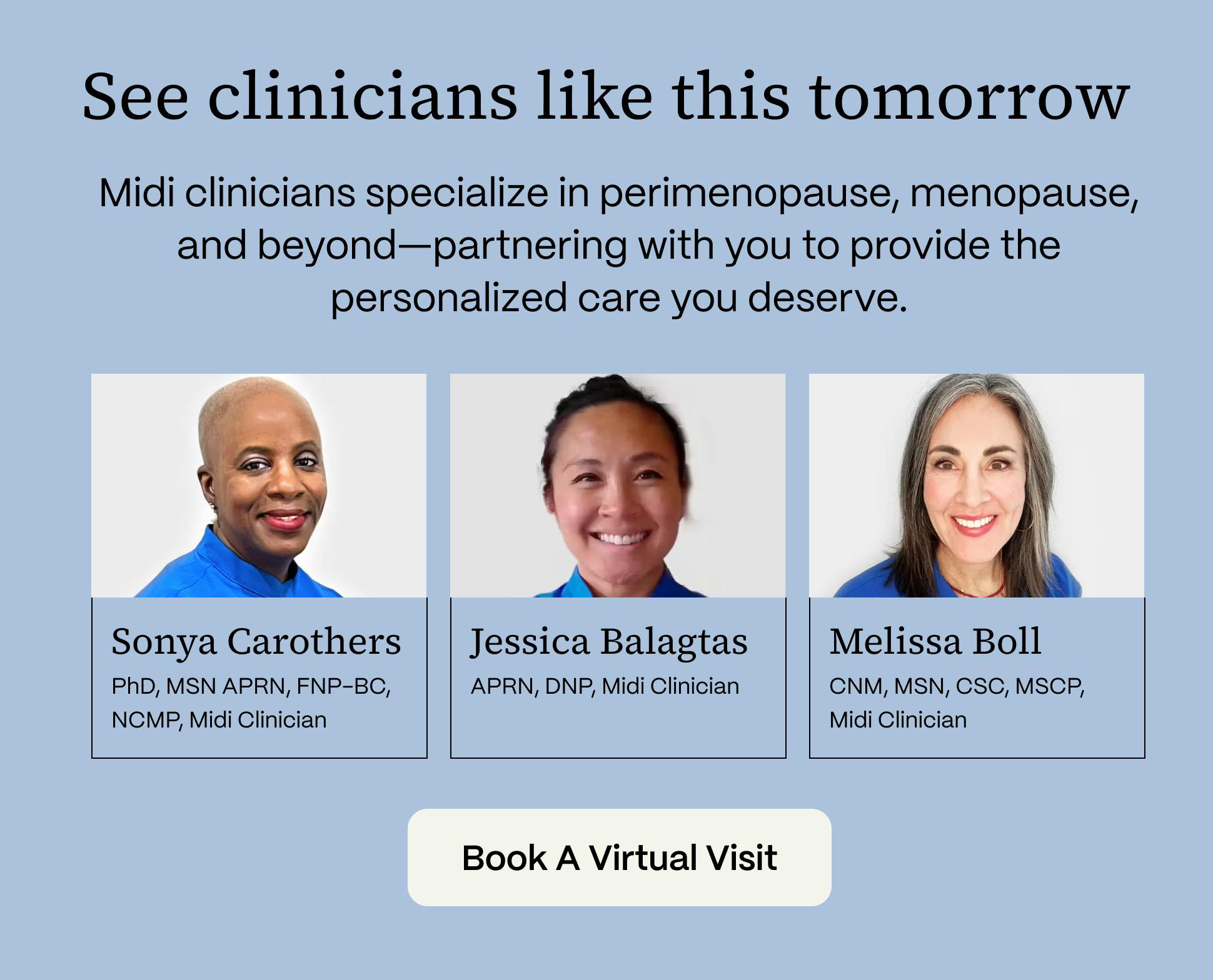
If you’re in perimenopause or menopause and want guidance from clinicians who specialize in women’s midlife health, book a virtual visit with Midi today.
Hormonal change is at the root of dozens of symptoms women experience in the years before and after their period stops.
Our trained menopause specialists can help you connect the dots to guide you towards safe, effective solutions.
Whether you need personalized guidance or a prescription routine to tackle symptoms—including brain fog, hot flashes, sleep trouble, mood swings, and weight gain—we’ve got you covered. Learn more here.
Midi’s mission is to revolutionize healthcare for women at midlife, wherever they live and whatever their health story. We believe that starts with education, to help all of us understand our always-changing bodies and health needs. Our core values guide everything we do, including standards that ensure the quality and trustworthiness of our content and editorial processes. We’re committed to providing information that is up-to-date, accurate, and relies on evidence-based research and peer-reviewed journals. For more details on our editorial process, see here.