

Glow peptides are the latest buzzy, biohacker-loved skincare trend, promising everything from radiant skin to faster muscle repair to a collagen boost. It's easy to see the appeal, especially if you've started noticing dullness or other skin changes creep in during this chapter of life. But although "glow peptides" sounds harmless (and even kind of intriguing), these injectable peptides currently aren't regulated or well-studied, let alone clinically proven. Below, we break down what you need to know about glow injections, plus how a Midi Health clinician can help you find alternative, evidence-based solutions for the issues that concern you most.
In midlife, hormonal shifts can mean duller skin, collagen loss, and a body that feels perpetually tired—so it’s no wonder that something called glow peptides sounds like exactly what you need.
Glow peptides claim (key word: “claim”) to offer radiant skin, faster recovery after exercise, and other alluring benefits. They’re often touted online as a harmless beauty solution in a vial. But the truth is, injecting stacks of currently unregulated peptides comes with health risks.
We dug through the science behind the craze to help you understand the chatter about glow peptides and whether there’s anything to the potential benefits. Keep reading for everything you need to know.
Glow Peptides: What They Are and Why They’re Trending
Glow peptides refer to a series of peptides (short strings of amino acids that tell our cells how to behave) that supposedly target skin repair, among other benefits. They’re sometimes called glow peptide stacks, which refers to a combination of two or more peptides that purportedly work together for greater benefits. Glow peptides are not an established medical therapy—rather, they’re an anecdotal treatment praised by wellness and longevity influencers as almost a fountain of youth.
The glow peptide stack typically includes three peptides: BPC-157, TB-500, and GHK-Cu. This trifecta of peptides is billed as a supercharged anti-aging solution—but because many injectable peptides are currently unproven for human use and aren’t legally prescribable, it’s wise to take a closer look.
Why Women Over 40 Are Searching for Glow Peptides
During perimenopause, the hormones estrogen and progesterone begin their gradual decline. These fluctuations can show up in your skin, with fine lines deepening and skin losing its firmness.
But how do these hormones play a role? Estrogen prompts skin cells like fibroblasts to make more collagen, which helps keep your skin firm, plump, and elastic. As estrogen declines, so does this collagen production. Our bodies also produce natural peptides that trigger their own skin-repair signals, separate from the estrogen pathway. In theory, this is where synthetic (aka lab-made) glow peptides promise to pick up the slack, allegedly delivering supple, smooth skin—but we don’t have clinical evidence that glow peptides offset the specific collagen loss that comes with declining estrogen.
The promise of youthful, plump skin isn't the only thing drawing women in midlife to glow peptides. They also claim to speed up recovery, boost energy levels, and enhance scalp health (more on that below).
Skin Care Success Stories
What People Hope a Glow Injection Will Do
We need much more clinical research performed on glow peptide stacking to know whether the treatment has any true benefits. Proponents of glow peptide stacking claim multiple purported benefits, which may include:
- skin healing and rejuvenation
- reduced inflammation and less free radical damage
- improved metabolism and energy levels
- muscle recovery and healing
But remember, these benefits are purely anecdotal. Injectable glow peptides are experimental drugs, and more evidence is needed to determine if this routine is safe or effective in humans.
What Is Actually in a Glow Stack Peptide?
A glow stack peptide is an unofficial term referring to a blend of multiple injectable peptides that theoretically signal your body’s cells to do different things, from building more collagen to reducing inflammation. These are synthetic versions of peptides that naturally occur in the body to prompt tissue and cellular repair.
As mentioned above, a glow peptide stack typically includes three bioactive synthetic peptides: BPC-157, TB-500, and GHK-Cu:
- BPC-157 is short for “body protection compound.” It’s a synthetic peptide that animal studies have shown may help with tissue repair, and it may have anti-inflammatory properties that could help reduce joint pain triggered by perimenopause. But importantly, no published, large-scale, randomized controlled clinical human studies have validated these claims.
- TB-500 is another synthetic peptide that has been studied for anti-inflammatory and tissue-healing properties. Like BPC-157, this peptide currently lacks robust clinical evidence that it would be effective in humans.
- GHK-Cu is a peptide with the trace mineral copper. Topical GHK-Cu is a safe, effective cosmetic peptide frequently used in anti-aging creams and serums to help firm and soothe skin. However, injectable GHK-Cu is what’s typically used in a glow peptide stack, and evidence on its safety and effectiveness is thin.
It’s worth noting that BPC-157, TB-500, and injectable GHK-Cu are not yet currently prescribable through legitimate compounding pharmacies—but that may change in the future. This July, the Pharmacy Compounding Advisory Committee recommended that BPC-157 and TB-500 be moved onto the FDA’s 503A Bulks List so that they can be legally prescribed and compounded in the future. (You can learn more about that in Midi’s guide to peptides.)

What the Evidence Does and Does Not Show
Glow peptide stacks are not regulated or well-researched, despite what aesthetic clinics and gray-market retailers might claim. Human clinical trials on safety or effectiveness of glow peptide blends are virtually nonexistent. Plus, these injectable peptides aren’t approved for compounding by a licensed pharmacy, meaning they’re off-limits for prescribing.
Since these kinds of injectable peptides are restricted, many people purchase them online from unregulated, gray-market suppliers with little to no oversight, which presents major health and safety risks. (More on that below.)
Why ‘Glow Peptide Dosage’ and ‘GHK-Cu Injection Protocol’ Are Red-Flag Searches
Many peptide stacks, like the glow peptide stack, are sold online by gray-market retailers who sidestep federal safety regulations. Several online sellers label their peptide stacks as “for research purposes” as a legal and liability workaround, with language that makes these glow injections sound more legitimate than they actually are.
All of this presents significant safety risks for consumers. It means you can’t know exactly the exact ingredients or dosage you’re getting, how pure the peptide is, or the potential long-term effects for your health.
Why Glow Stack Peptides Are Not the Same as Topical Skin Care Peptides
A serum you rub on your face is not the same formula as a glow peptide injection.
The idea of giving yourself a shot may not be as much of a daunting nonstarter these days as it once was, due to the increased popularity of self-injected GLP-1 medications and doctor-injected facial Botox. But currently, topical peptides are the safest way to get the collagen-boosting, skin-smoothing, and skin-firming benefits of certain peptides. For instance, the topical GHK-Cu peptide is well studied for skin care, but more research is needed on its effectiveness and safety as an injectable.
And remember, glow peptide injections are not a single ingredient. They’re a blend of different peptides that are unregulated in terms of what ingredients and dosages they contain. With a serum that contains GHK-Cu, on the other hand, you can easily check the ingredients list to see what else it contains and how much.
What to Evaluate Instead of Chasing Glow Peptides
Rather than pursue a so-called miracle treatment like glow peptide stacking, the best strategy is to talk with a clinician about solutions for the specific symptoms you're experiencing. A healthcare professional, like a Midi clinician, can help you pinpoint the care you need.
For example:
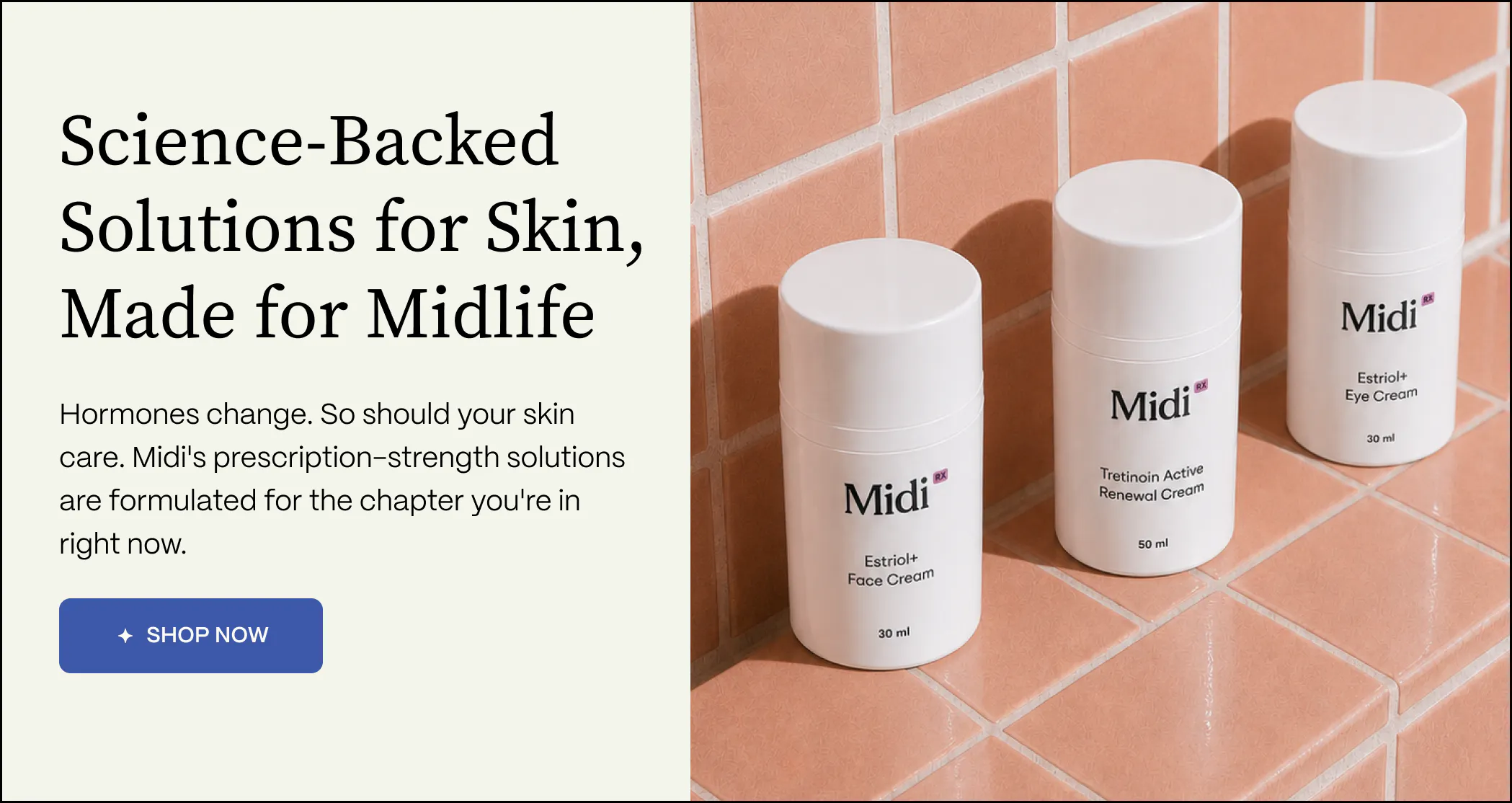
- If you want to improve your skin, an evidence-based skin care routine is critical. This includes daily sun protection to help prevent collagen breakdown. You can also ask your clinician about retinoids, antioxidants, a barrier-supporting moisturizer, and other science-backed solutions for skin.
- If you want to address hair thinning, a healthcare professional can evaluate you for underlying health issues that could be contributing to the problem. Hair thinning can stem from menopause, but thyroid conditions or nutrition factors may also have an effect.
- If lack of energy is a concern, a clinician can consider sleep disruptions, nutrition, and other lifestyle factors that might be adding to it, as well as potential medical conditions. Healthy lifestyle strategies, such as proper nutrition, getting regular exercise, and making time for sleep, are key.
- If you want to reduce inflammation, make sure you get enough and exercise. Ask a clinician about anti-inflammatories like non-steroidal anti-inflammatory drugs (NSAIDs), and get plenty of omega-3 fatty acids. Managing your stress and weight can also help.

When to Seek Care from a Healthcare Professional
Getting professional guidance from a clinician is the smartest starting point if you’re experiencing joint pain, skin changes, and any symptoms or body changes that are new or getting worse over time. In particular, seek care if you’re experiencing:
- rapid hair shedding or patchy hair loss
- new or worsening skin changes or wounds that are slow to heal
- persistent joint pain, weakness, or swelling
- severe fatigue
- symptoms that are disrupting your quality of life
Key Takeaways
- Peptide stacking is the practice of combining different peptides within an injectable solution to theoretically support, repair, and improve skin quality, muscle strength, hair growth, vitality, and longevity.
- The glow peptide stack typically includes three injectable peptides: BPC-157, TB-500, and GHK-Cu.
- The supposed benefits of glow peptide stacks are based on preclinical research (meaning, animal studies or in vitro testing), not large-scale human trials. The claims of renewed vitality, longevity, and recovery touted on social media are unproven, and the safety and quality of unregulated peptide formulas have not been established.
- Glow peptide stacks are not currently regulated, prescribable, or clinically proven. And many experimental peptide compounds available from gray-market suppliers online lack reliable safety or quality controls. Much more research needs to be done.
Frequently Asked Questions (FAQs)
What are the side effects of glow peptide injections?
Because there have been no large (or any) human trials done on these injectable peptides, the short-term side effects and long-term safety remain unclear. Injection site reactions like bruising, redness, swelling, and itching could happen. There could be possible interactions with other medications or supplements you’re taking, as well as other health issues.
Does glow peptide have glutathione?
Typically the glow peptide stack includes a base blend of peptides that target skin repair. Glutathione is a powerful antioxidant tripeptide. Since there is no standardized glow peptide formula, it is possible that a peptide stack could add glutathione into the base blend, depending on the supplier.
When to inject glow peptide?
Because injectable glow peptides are unregulated and clinically unproven, there is no consistent medical protocol on dosage or injection schedule. The protocols from gray-market retailers or med spas that offer peptide injections vary and aren’t standardized. It’s advisable to consult a qualified, licensed clinician before starting any new medication or supplement regimen.
What are the benefits of glow peptides?
The potential benefits of glow peptides are anecdotal, reported by personal testimonials without scientific data. Proponents claim they can reduce inflammation, increase collagen and elastin, and improve healing and tissue repair. Since glow peptide formulas haven’t undergone large-scale clinical testing in humans, the legitimate, evidence-based benefits are unclear.
What to avoid when using peptides?
Glow peptides and glow peptide stacking are not the same as topical peptides you apply to your face. As of now, it’s wise to be skeptical of unregulated peptide stacking and to avoid the trend until further research and more robust safety data can back up the hype.
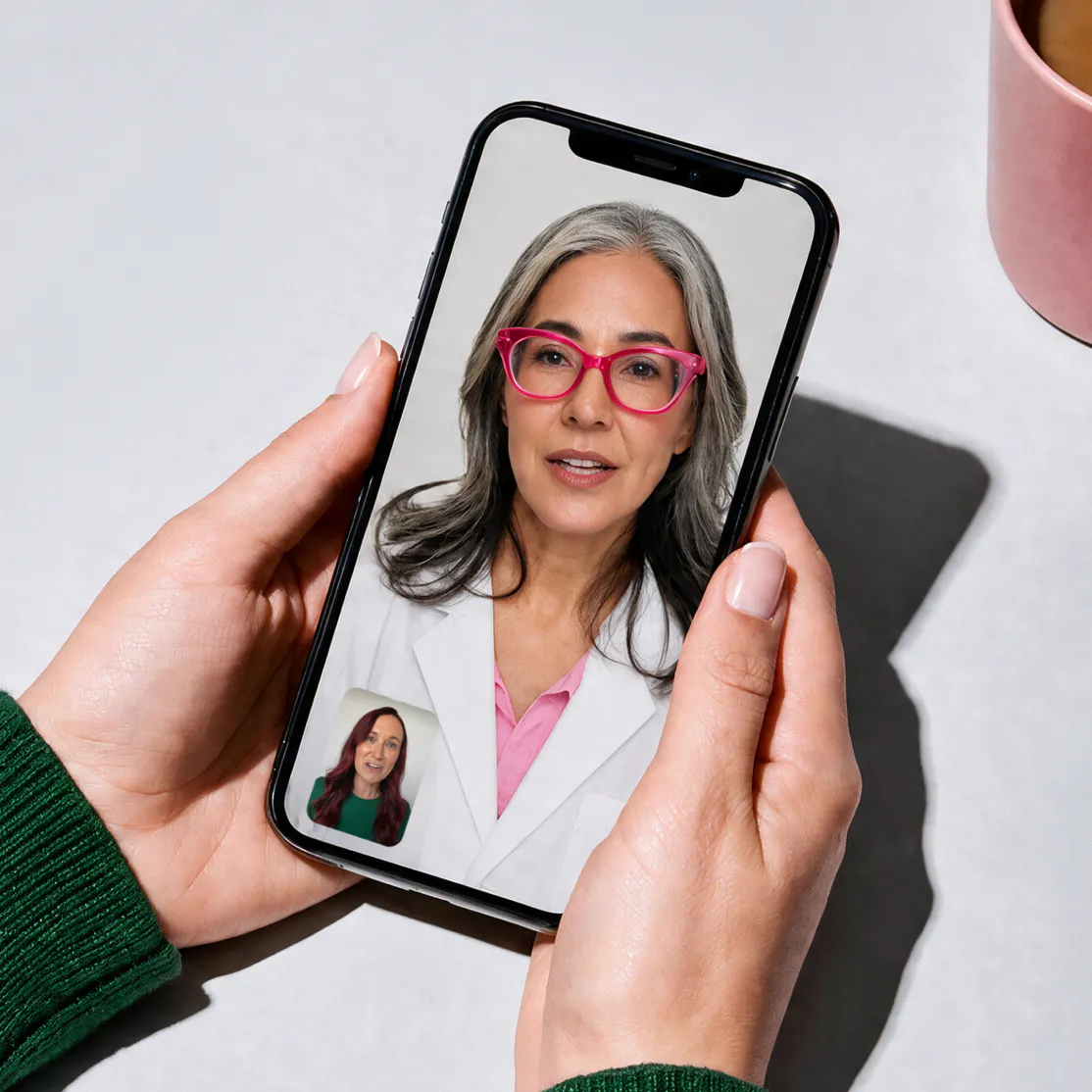
If you’re in perimenopause or menopause and want guidance from clinicians who specialize in women’s midlife health, book a virtual visit with Midi today.
Hormonal change is at the root of dozens of symptoms women experience in the years before and after their period stops.
Our trained menopause specialists can help you connect the dots to guide you towards safe, effective solutions.
Whether you need personalized guidance or a prescription routine to tackle symptoms—including brain fog, hot flashes, sleep trouble, mood swings, and weight gain—we’ve got you covered. Learn more here.
Midi’s mission is to revolutionize healthcare for women at midlife, wherever they live and whatever their health story. We believe that starts with education, to help all of us understand our always-changing bodies and health needs. Our core values guide everything we do, including standards that ensure the quality and trustworthiness of our content and editorial processes. We’re committed to providing information that is up-to-date, accurate, and relies on evidence-based research and peer-reviewed journals. For more details on our editorial process, see here.