


Perimenopause has you feeling forgetful and foggy, but can brain supplements really help? Plenty of supplements claim to improve memory and concentration, two things that can be especially challenging in midlife. But not all of them have the research to back up those claims. A clinician, like the women’s health experts at Midi Health, can help you figure out what’s behind brain fog and other symptoms and determine whether certain brain vitamins might help.
Brain supplements might sound appealing when you're constantly misplacing your keys, forgetting words, or walking into rooms only to feel like you can’t remember why you’re there in the first place. Welcome to midlife, when menopausal hormone shifts can leave you slogging through brain fog and forgetfulness. Many women turn to supplements during this time, hoping an over-the-counter (OTC) pill might help them feel a little more clear-headed and improve memory.
Brain fog is real, and it’s common during perimenopause, though many women don’t realize cognitive changes can be part of the menopause transition. In fact, nearly two-thirds of women report cognitive symptoms like memory problems during this time, according to a 2026 review published in The Lancet.
But do brain supplements actually work? The evidence is mixed, and more research is needed on many so-called brain vitamins. Still, certain supplements may be helpful, particularly if you have a nutrient deficiency.
Read on to learn which brain supplements are worth considering, which ones fall short, and what to know about safety. Plus, find out when it’s time to talk with a healthcare professional (like a Midi clinician) about whether hormones, sleep, or something else could be contributing to your brain fog.
Why Midlife Women Are Searching for Brain Supplements
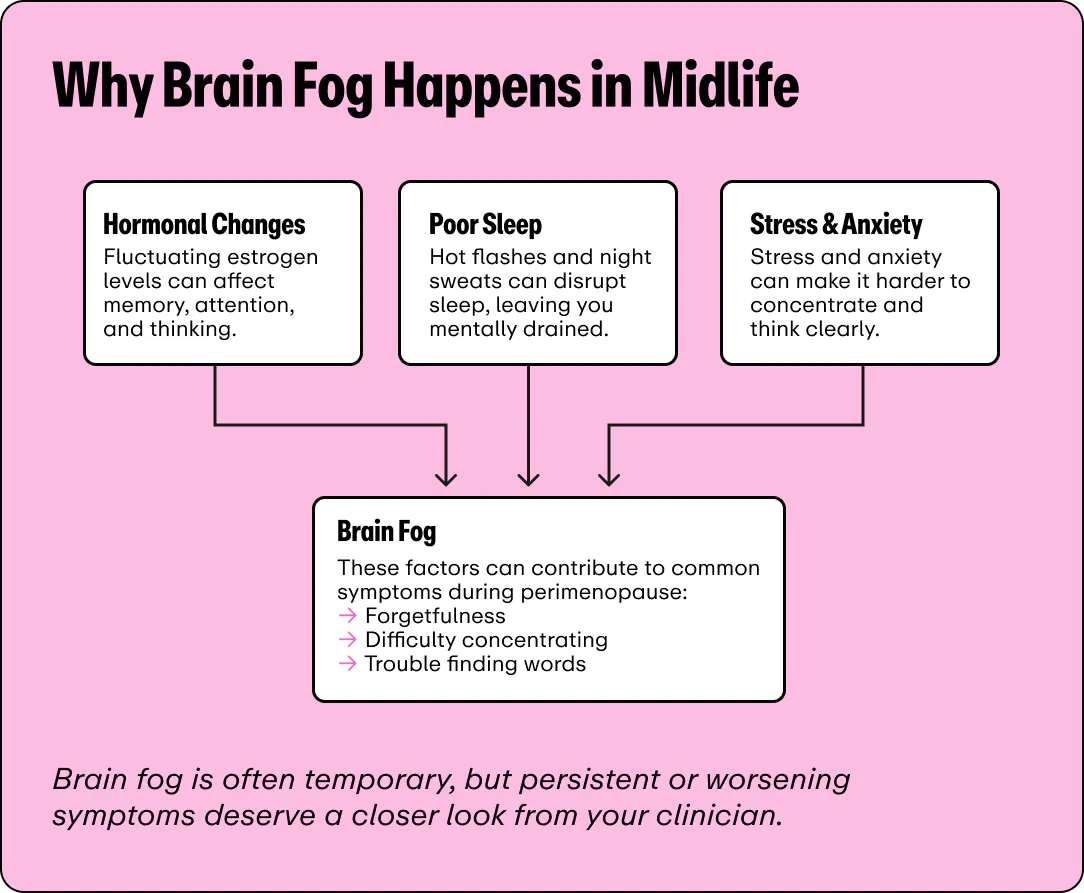
You’re in very good company if you feel like your brain is just not working lately. Many women report noticeable cognitive changes during perimenopause and menopause, including brain fog, forgetfulness, trouble finding the right words, and difficulty concentrating.
It's understandable if you've started looking into brain supplements to feel mentally sharper and more like yourself again. But what's actually going on in the midlife brain?
Estrogen helps your brain cells communicate, use energy, and support functions like memory and attention. As estrogen levels fluctuate and eventually decline during the menopause transition, you may notice changes in how clearly you think or how quickly you recall information.
As if you didn’t already have enough to deal with, other menopause symptoms can make brain fog worse. Hot flashes and night sweats can disrupt your sleep, leaving you feeling mentally drained the next day. Stress and anxiety can play a part, too.
The good news? Menopause-related brain fog is often temporary and doesn't necessarily signal something more serious, like dementia. While brain fog can affect your focus and ability to recall information, dementia involves progressive changes in memory and other cognitive skills that interfere with everyday life. Dementia is also uncommon before age 65.
Still, it's worth talking with your clinician if you're concerned about changes in your memory or thinking, especially if symptoms are getting worse or affecting your daily life.
Do Brain Supplements Actually Work?
The short answer: Some ingredients in brain supplements show promise, but more research is needed to understand how well they work. While there's little evidence that supplements can boost memory in otherwise healthy adults, they may be helpful if you're low in certain nutrients, since correcting those deficiencies can improve related symptoms.
OTC products marketed as brain fog supplements for women aren’t a quick fix for forgetfulness, and many don't have strong research behind their claims.
Just because you recognize a supplement ingredient or the label says it “supports memory” or “boosts brain health” doesn't necessarily mean it's been proven to improve either. In fact, a 2020 study of brain supplements found that many products made scientific claims without adequate evidence, and 10 of the 12 products tested contained ingredients not listed on their labels.
Remember, too, that you should always talk with your clinician before starting a new supplement. Something you buy OTC may seem harmless enough, but supplements can pose health risks, especially if taken alongside other supplements or medications.
And supplements are only one piece of the puzzle. If you choose one—ideally with the green light from your clinician—it should be part of your overall care plan, along with regular exercise, quality sleep, and a balanced diet. Depending on what's causing your symptoms, your clinician may also recommend other treatments, including hormone therapy.
True Stories Of Transformation
Brain Vitamins That Help When You Are Low: B12, Folate, and Vitamin D
Certain vitamins are particularly important for brain health, and low levels can sometimes cause cognitive symptoms like brain fog and forgetfulness. But taking more than you need isn't necessarily better. So be sure to check with your clinician before starting a supplement to find out whether you have a deficiency.
Vitamin B12, B9 (folate), and B6
Food sources: meat, fish, eggs, dairy, and fortified cereals (B12); leafy greens, beans, and fortified grains (folate); poultry, fish, potatoes, and bananas (B6)
Vitamin B12 helps keep your nerves healthy and supports normal brain function. When you have a deficiency in B12, you may experience memory problems, brain fog, and difficulty finding the right words. Treating the deficiency can help improve these symptoms, although recovery isn't always complete.
You'll also find vitamin B12 in Midi's Daily Brain Boost, a supplement designed with midlife women in mind. It combines B12 with choline and CoQ10 to support cognitive function and mental clarity.
Vitamin B12, along with folate (vitamin B9) and vitamin B6, also helps regulate homocysteine, a substance in your blood that, at high levels, has been linked to cognitive decline. But lowering homocysteine with supplements hasn't consistently been shown to improve memory or thinking.
Though most people in the United States get enough of these three vitamins through food, some midlife women may be at higher risk of a deficiency. That’s especially true for B12 if you take long-term metformin, take certain acid-reducing medications, have trouble absorbing nutrients, or follow a vegetarian or vegan diet.
Vitamin D
Food sources: fatty fish, egg yolks, fortified dairy and plant-based milks, and cereals
The sunshine vitamin, as it’s often called, is found in some foods, but your body also makes vitamin D when your skin is exposed to sunlight. Vitamin D supports several functions in your body, including brain health. Low levels have been linked to memory problems, fatigue, and muscle weakness.
Many people don’t get enough vitamin D. And while correcting a deficiency is important for your overall health, taking extra vitamin D when your levels are already normal hasn't been shown to reliably improve memory or concentration.
Omega-3 Fatty Acids (DHA and EPA): What the Research Really Says
Food sources: salmon, mackerel, tuna, herring, sardines, and flaxseed
Omega-3 fatty acids are healthy fats that support brain function. Two types, DHA and EPA, are especially important. DHA helps maintain the structure of brain cells so they can communicate properly, while EPA plays a role in regulating inflammation. Both are found in fatty fish and fish oil supplements, while flaxseeds provide a different type of omega-3.
Research on whether omega-3s improve memory has been mixed, but some studies suggest they can provide modest benefits. A 2025 review of 58 clinical trials found that omega-3 supplements may improve certain cognitive skills, including memory and attention, particularly in adults without cognitive problems. But the studies were relatively short, and more research is needed.
Still, omega-3 supplements are generally well tolerated and might be worth considering with your clinician’s OK. Beyond brain health, omega-3s also support your heart. Studies often use around 1,000 to 2,000 milligrams of omega-3s daily, though there's no recommended dose for brain health.
If you're considering a supplement, one option is Midi’s Daily Omega-3+, which combines EPA and DHA with vitamins D and K and CoQ10 to support healthy aging.

Creatine: An Overlooked Option for Women's Brain Health
Food sources: animal proteins like meat and fish
Creatine isn't just for building muscle or powering through workouts. It also plays an important role in helping your brain function. Your body naturally makes this compound, and you can also get it from meat and fish. It helps your cells replenish ATP, their main source of energy, so your brain and muscles have the fuel they need. Women also tend to have lower stores than men.
More research on creatine and cognitive health is needed, but some studies suggest it may have some benefits. A 2024 systematic review found that supplements may improve memory and certain aspects of attention and processing speed, although the evidence is limited and benefits for overall cognitive function are still unclear.
There are other reasons to consider creatine during midlife, too. Creatine supplements have been shown to improve muscle strength and exercise performance in premenopausal and postmenopausal women, especially when combined with resistance training. They may also help support bone health, but the research is still emerging. These potential benefits are especially appealing in midlife, when muscle and bone mass naturally decline.
If your clinician recommends creatine, a typical daily dose is 3 to 5 grams, though there's no established dose for brain health. Midi’s Creatine+ gummies, for example, provide 3 grams per serving.
It’s generally safe for healthy adults, but creatine can cause mild bloating or temporary water-weight gain. Check with your clinician first if you have kidney disease or other kidney problems.

Magnesium L-Threonate, Citicoline, and Phosphatidylserine: Promising but Early Evidence
Some ingredients in brain supplements have shown promise, but the research is still limited. Here's what we know so far about three worth keeping an eye on.
Magnesium L-threonate
Unlike other forms of magnesium, such as citrate or glycinate, magnesium L-threonate was developed to help magnesium reach the brain. Early animal studies and small human trials suggest it may help with memory and learning. But larger studies are needed to confirm these benefits, particularly in midlife women.
Phosphatidylserine
Food sources: fish, meat, and soybeans
Phosphatidylserine (PS) is a type of fat naturally found in brain cell membranes that helps cells communicate and function properly. Early research has found that supplements containing PS may improve memory in older adults and affect the body’s stress response, but it’s too soon to know how effective they are. PS is also one of the ingredients in Midi's Daily Cortisol Support, a formula designed to help you manage everyday stress.
Citicoline
Food sources: eggs, meat, fish, and soybeans (which provide choline that your body uses to make citicoline)
Citicoline, also called CDP-choline, helps your brain produce chemical messengers involved in learning, memory, and attention. In a small clinical trial, older adults with age-related memory problems performed better on certain cognitive tests after taking citicoline supplements daily for 12 weeks. But it’s still not clear whether these supplements improve cognitive function or prevent memory problems in otherwise healthy adults.
Lion's Mane, Ginkgo, and Other Popular Nootropics: What the Evidence Does Not Support
You may also come across nootropics, a broad category of supplements and other substances that claim to boost memory, focus, and mental clarity. But despite their popularity, even products marketed as the best nootropics lack convincing evidence that they can improve memory or prevent cognitive decline.
Lion's mane mushroom has gotten a lot of attention for its potential brain benefits. Early animal research and a handful of small human trials have shown some promising results. For example, in a small pilot study, lion's mane supplements helped healthy young adults respond faster on an attention test and showed possible benefits for stress. But the study was small, and it's too early to say whether lion's mane meaningfully improves memory or helps with menopausal brain fog.
Ginkgo biloba is a common ingredient in brain supplements, but research hasn't shown consistent memory benefits. In fact, a large randomized trial found that older adults who took ginkgo did not experience less cognitive decline than those who took a placebo.
L-theanine is another popular option. Found naturally in tea, this amino acid has been linked to improvements in stress and anxiety. Some research suggests it may also improve focus and reaction time, particularly when combined with caffeine. But there isn't enough evidence that it helps with memory loss.
Be careful with supplements that promise to reverse brain fog, prevent dementia, or boost memory. These claims often go beyond what the research supports.
Safety, Interactions, and How to Choose a Brain Supplement
Being mindful about the ingredients in your supplements is particularly critical if, like many midlife women, you’re taking other supplements or medications. Check with your clinician before starting a new supplement to make sure it's safe for you and won't interfere with anything in your medicine cabinet.
Here are a few (but definitely not all) interactions to be aware of:
- Ginkgo and blood thinners: Ginkgo may increase bleeding risk when taken with medications like aspirin or blood thinners.
- High-dose fish oil and blood thinners: High doses of omega-3 supplements may affect blood clotting, so check with your clinician before combining them with blood thinners.
- St. John’s wort with antidepressants or hormone therapy: This herbal supplement is sometimes used for anxiety and hot flashes. But it can interact with antidepressants, hormonal contraceptives, and some forms of hormone therapy, potentially making them less effective or increasing side effects.
- Stimulant blends and blood pressure or anxiety: Brain supplements containing high doses of caffeine or other stimulants can raise blood pressure, worsen anxiety, and disrupt sleep, especially if you already have high blood pressure or anxiety.
When you start shopping for the best brain supplements for adults, steer clear of products with claims that seem too good to be true. Look for clearly labeled ingredients and products that have been tested by third-party organizations, which can help verify that a supplement contains what's listed on the label and meets certain quality standards.
One option that checks those boxes? Midi's Daily Brain Boost is a third-party-tested supplement formulated with B12, choline, and CoQ10 to support cognitive function in midlife.
When Brain Fog Warrants a Clinical Workup
It’s very normal to experience some forgetfulness with age, and brain fog is especially common during perimenopause and menopause. But if you're noticing persistent or worsening changes in your memory, it's worth checking in with your clinician.
Some signs to look out for in yourself or a loved one include getting lost in familiar places, struggling with everyday tasks, noticing significant changes in personality or behavior, or experiencing symptoms that steadily worsen over time.
During your visit, your clinician may ask about your symptoms and medications and recommend blood tests to check for issues like thyroid problems, iron deficiency, or low vitamin B12.
The good news? Many causes of brain fog are treatable. Getting to the bottom of your symptoms is more helpful than guessing which brain supplement might work.

Is Hormone Therapy an Option for Menopause Brain Fog?
Hormone replacement therapy (HRT, now commonly referred to as menopause hormone therapy, or MHT) isn’t prescribed specifically to improve cognition or treat brain fog. Your clinician might recommend HRT to address other menopause symptoms like hot flashes.
Some women notice that they feel more clear-headed as their hot flashes, night sweats, and sleep quality improve. A small 2026 study looked at women taking HRT with estriol (a form of estrogen) and progesterone. After 12 months, they reported improvements in brain fog, concentration, memory, and other cognitive skills. But without a comparison group, it's unclear whether HRT caused these improvements.
As for long-term brain health, the research is mixed. Some older research raised concerns about an increased risk of dementia with certain types of HRT started at age 65 or older. But studies of women who started treatment closer to menopause have been more reassuring. In the Kronos Early Estrogen Prevention Study, hormone therapy neither improved nor worsened memory and other cognitive skills in recently postmenopausal women. A 2024 follow-up study also found no significant long-term cognitive benefits or harms.
Bottom line? Hormone therapy may help some women feel less foggy as other menopause symptoms improve, but research hasn't established that it directly improves memory or prevents cognitive decline.
If all of this feels a bit confusing, you're not alone. A menopause-trained clinician, like the ones at Midi, can help you weigh the benefits and risks of hormone therapy while also reviewing your supplements, sleep, and other possible causes of brain fog. Supplements may help address specific nutrient deficiencies, but getting to the root of midlife brain fog often takes a more complete, personalized approach.

Key Takeaways
- Brain fog, forgetfulness, and trouble concentrating are common during perimenopause. Shifting estrogen levels can play a role, but hot flashes, poor sleep, and stress can make things worse, too.
- Brain supplements may help if you're low in certain nutrients, like B12 or vitamin D. But there's limited evidence that “brain vitamins” improve memory in people who already get enough of these nutrients.
- Omega-3s and creatine show some promise for cognitive health, while early research on other ingredients, like magnesium L-threonate, is encouraging but limited.
- Popular nootropics like lion's mane, ginkgo, and L-theanine lack convincing evidence for memory benefits. Check with your clinician before trying a new supplement, especially if you take medications.
- Talk with your clinician if brain fog worsens or interferes with daily life. They can help identify possible causes and explore treatment options.
Frequently Asked Questions (FAQs)
What is the best brain supplement to take?
The best brain supplement depends on your symptoms and overall health, including whether you have any nutritional deficiencies. Correcting a vitamin B12 deficiency may improve forgetfulness, while addressing low vitamin D can help with symptoms like fatigue. Omega-3 fatty acids and creatine also show some promise, though the evidence is still limited.
What is the #1 brain supplement?
There isn’t one “best” brain supplement, and the right one for you depends on your symptoms and whether you have any nutritional deficiencies. Omega-3 fatty acids are among the better-studied options and may offer modest benefits for memory and attention, though results have been mixed.
What vitamin cuts dementia risk by 40%?
One 2023 study found that older adults who took vitamin D supplements had a 40% lower rate of developing dementia than those who didn't. But the study was observational, so it doesn't prove that vitamin D prevents dementia.
What supplements cause brain fog?
Taking too much of some vitamins or supplements, like vitamin D, can leave you feeling foggy or confused. Stick to recommended doses, and discuss every new supplement with your clinician to avoid the risk of supplement-drug interactions.
When is the best time to take brain supplements?
It depends on which supplement you're taking. Some are best taken with food to help with absorption or prevent stomach upset, for example. Check the label or ask your clinician for guidance.
If you’re in perimenopause or menopause and want guidance from clinicians who specialize in women’s midlife health, book a virtual visit with Midi today.
Hormonal change is at the root of dozens of symptoms women experience in the years before and after their period stops.
Our trained menopause specialists can help you connect the dots to guide you towards safe, effective solutions.
Whether you need personalized guidance or a prescription routine to tackle symptoms—including brain fog, hot flashes, sleep trouble, mood swings, and weight gain—we’ve got you covered. Learn more here.
Midi’s mission is to revolutionize healthcare for women at midlife, wherever they live and whatever their health story. We believe that starts with education, to help all of us understand our always-changing bodies and health needs. Our core values guide everything we do, including standards that ensure the quality and trustworthiness of our content and editorial processes. We’re committed to providing information that is up-to-date, accurate, and relies on evidence-based research and peer-reviewed journals. For more details on our editorial process, see here.