

Menopause can wreak havoc on your sleep schedule, leaving you wide awake in the middle of the night and groggy in the morning when it’s time to wake up. Between hormone changes and everyday life stress, it’s no wonder so many midlife women are searching for the best over-the-counter sleep aids for menopause. Fortunately, certain supplements and herbal remedies may help you feel more relaxed and ready for bed. If you’re not sure where to start or you can’t seem to shake menopause insomnia, a Midi Health clinician can help you figure out which non-prescription sleep aid or treatment may be right for you.
Struggling to drift off even as your body seems to be begging for some shut-eye? Sweating through your sheets instead of sleeping through the night? If you’re a midlife woman in the throes of perimenopause or menopause, you’re not alone—and the best over-the-counter (OTC) sleep aid for menopause might seem like the answer to your problems.
Fluctuating hormones during this life transition can make menopause insomnia and sleep disruptions the norm, and you may need a little extra help getting through them. There’s no shortage of supplements to help with sleep during menopause. OTC options like melatonin, magnesium, ashwagandha, and even antihistamines may promote relaxation or make it easier to get a good night’s sleep.
But what works best for you depends on the sleep concern you’re dealing with, and OTC sleep aids aren’t a cure-all.
Below, we’ll break down some of the most common OTC sleep aids for menopause, how they work, and important safety considerations, along with sleep hygiene tips that can really make a difference over the long term.
And remember: OTC options may offer some relief, but persistent insomnia deserves attention from a healthcare professional. The clinicians at Midi can help you build a personalized plan to get the rest you need during the menopause transition and beyond.
Why Menopause Disrupts Your Sleep
Menopause and sleep problems often go hand in hand—in fact, as many as 40% to 60% of menopausal women experience sleep disturbances. Common concerns include middle-of-the-night wake-ups, difficulty falling asleep and staying asleep, and lighter sleep throughout the night. Fluctuating hormone levels are usually to blame (surprise, surprise!).
That’s because estrogen and progesterone affect sleep in a few different ways. Estrogen helps regulate your body temperature and sleep-wake cycle, while progesterone may help calm brain activity and promote relaxation. As these hormone levels shift and decline, they can contribute to changes that make it harder to get a good night’s sleep.
These changes may include:
- Body temperature changes: Declining estrogen can disrupt the body’s temperature-regulating system, triggering hot flashes and night sweats that leave you hot, sweaty, and too uncomfortable to get the rest you need.
- Shifts in mood: Because estrogen and progesterone affect brain chemicals involved in mood, fluctuations may contribute to irritability, anxiety, or other mood changes that make it harder to fall or stay asleep.
- Sleep apnea: Menopause can increase the risk of sleep apnea, a disorder that affects breathing during sleep and can lead to less restful nights. Hormone shifts, along with changes in body weight and fat distribution during midlife, may also play a role.
- Shifts in circadian rhythms: Fluctuating hormones may throw off your circadian rhythm, the internal clock that controls your sleep-wake cycle. This can affect melatonin levels and lead to more sleep disturbances.
What Counts as an Over-the-Counter Sleep Aid?
When your menopausal sleep issues start disrupting your everyday life, you may want to consider taking an OTC sleep aid for some extra help. OTC sleep aids are medications, supplements, or other products or pills you can get without a prescription.
While prescription sleep aids usually target a specific sleep problem, like trouble staying asleep, OTC options may help you feel drowsy or support sleep more generally, depending on the ingredients. A few different types of OTC sleep aids exist, including:
- medications containing antihistamines
- supplements, such as melatonin and magnesium
- herbal remedies in the form of tablets or teas
Before you pick an OTC sleep aid for menopause, talk with a healthcare professional, like one of the menopause-trained clinicians at Midi. They can help you decide whether a prescription or OTC option makes sense based on your sleep concerns, other menopause symptoms, and health history.

Which Over-the-Counter Sleep Aids Work Best for Menopause?
Some of the most popular OTC sleep aids for menopause include:
- melatonin
- magnesium glycinate
- ashwagandha
- L-theanine
- glycine
They may help prepare your body for rest and reduce sleep disruptions in different ways, so choose the option that may help with the sleep issue that bothers you the most.
While these OTC sleep aids sound promising, it’s important to remember that none of them are going to work miracles on your sleep. They might help, but they shouldn’t be the only thing you try, especially if you’re experiencing significant sleep disruptions.
And if you decide to try a supplement, pair it with healthy sleep hygiene practices (more on that later) for a better night’s sleep.

Melatonin for Menopause: Does It Actually Help?
Melatonin is a popular OTC sleep aid for menopausal women for a reason: Research has shown it may help you fall asleep faster and improve overall sleep quality. But the evidence is mixed, and more research is needed to understand how much it helps.
Your body naturally produces melatonin to help regulate your circadian rhythm, or sleep-wake cycle. Levels rise in the evening as it gets dark to help you feel sleepy and fall with morning light to help you feel more alert. But as you age, your body tends to produce less melatonin. Levels may also shift during the menopause transition, which can contribute to sleep problems.
As a bonus, melatonin might have benefits beyond sleep. Studies suggest it may support bone density in menopausal women, though more research is needed. That could be especially helpful in midlife, when declining estrogen increases the risk of osteoporosis.
Considering taking melatonin for menopause sleep issues? Start with a low dose—around 0.5 milligrams (mg)—to see how it affects you. Melatonin is also available in higher doses, around 3 to 5 mg, though a higher dose doesn’t necessarily mean better results. Timing matters, too. Take it 1 to 2 hours before bed, when melatonin levels in the body naturally start to rise.
While melatonin is generally well tolerated, it can cause side effects, including:
- headaches
- dizziness
- nausea
- daytime drowsiness
Always chat with your clinician before you start taking melatonin. It can interact with certain medications, like blood thinners, blood pressure medications, and diabetes medications, and they can advise you on whether melatonin is safe for you.
Supplements to Help Sleep During Menopause
Melatonin isn’t your only option—certain minerals, herbal remedies, and amino acids may make sleep come a little easier. Just try to keep your expectations realistic: Results can vary, and some supplements may take time to work. Talk with a clinician before trying any supplements to help sleep during menopause, especially if you take other medications.
Magnesium glycinate
Magnesium regulates chemical messengers involved in stress and sleep, including gamma-aminobutyric acid (GABA), which helps calm brain activity and promote relaxation. There are other forms on the market, but magnesium glycinate is a go-to for many people because it’s easy to absorb and may cause fewer gastrointestinal (GI) side effects. It combines magnesium with glycine, an amino acid that may also support sleep.
Magnesium glycinate might be a good choice if you have trouble falling asleep or if stress and anxiety are keeping you up at night. There’s research behind it, too. One review found that magnesium supplements may improve sleep quality and lessen anxiety, although the evidence is mixed. You might start with a low dose (120 to 240 mg) and take it about 30 to 60 minutes before bedtime.
Ashwagandha
Ashwagandha is an adaptogenic herb that may affect GABA signaling and lower cortisol, helping the body manage stress and support sleep. While research on ashwagandha is limited, one review of five trials containing 400 participants found that it modestly improved sleep and boosted mental alertness upon waking. In another small trial, women taking ashwagandha reported lower stress and fewer hot flashes than women taking a placebo.
If stress and anxiety are taking a toll on your sleep, ashwagandha may be worth a try. Studies often use doses around 250 to 600 mg daily, but you can talk with a clinician for guidance on the right dosage for you.
L-theanine
L-theanine is an amino acid found in green tea that influences neurotransmitters like GABA to help you feel calmer and more relaxed. Some studies suggest that L-theanine can help you fall asleep faster, improve sleep quality, and reduce sleep-related problems during the day, although more research is needed.
Consider L-theanine if stress or racing thoughts keep you from falling asleep or getting back to sleep after waking up in the middle of the night. Unlike other OTC sleep aids for menopause, L-theanine may help you relax without making you drowsy, which can make it a helpful option if you also deal with anxiety during the day. Studies usually focus on daily doses of 200 to 400 mg, but a clinician can guide you on the appropriate dose for you.
Glycine
Glycine is an amino acid that may increase serotonin, a neurotransmitter involved in sleep regulation, and lower body temperature to support sleep. But research on glycine and sleep is still limited. Animal studies suggest that glycine may support restful sleep. And a small trial found that taking 3 grams (g) of glycine before bed helped people with sleep problems feel less fatigued and more alert the next morning.
You can find glycine in powder form, and sleep studies typically use 3 to 5 g (3,000 to 5000 mg) before bed. (Again, a clinician can advise you on the best dose for your individual concerns.) It may help if you have difficulty falling asleep, don’t feel well-rested, or wake up feeling groggy.
How to Choose and Use an OTC Sleep Aid Safely
When choosing a supplement to help sleep during menopause, you want to focus on the specific problem you’re experiencing, like struggling to fall asleep or waking up throughout the night. That can help you narrow down which options may be worth considering.
Keep these safety tips in mind when you’re picking a supplement:
- Start with a low dosage to see how your body responds, and don’t take more than recommended—some supplements do come with side effects.
- Avoid combining multiple sedating products at once, especially if you’ve never taken them on their own.
- Check for interactions with other medications or supplements you might be taking, and keep any existing health conditions in mind.
- Pick a supplement that’s been third-party tested. That way, you know the supplement meets independent purity, potency, and quality standards.
- Talk with your clinician or pharmacist before starting a new supplement. They can flag possible interactions and help you choose an option that may be a good fit for you.

Beyond Pills: Sleep Hygiene and Non-Drug Fixes
OTC sleep aids for menopause might promote more rest and relaxation, but they typically aren’t enough on their own to manage ongoing sleep concerns. Good sleep hygiene is essential, so you may need to incorporate some new habits into your routine as well.
Here are some good-sleep strategies you could try:
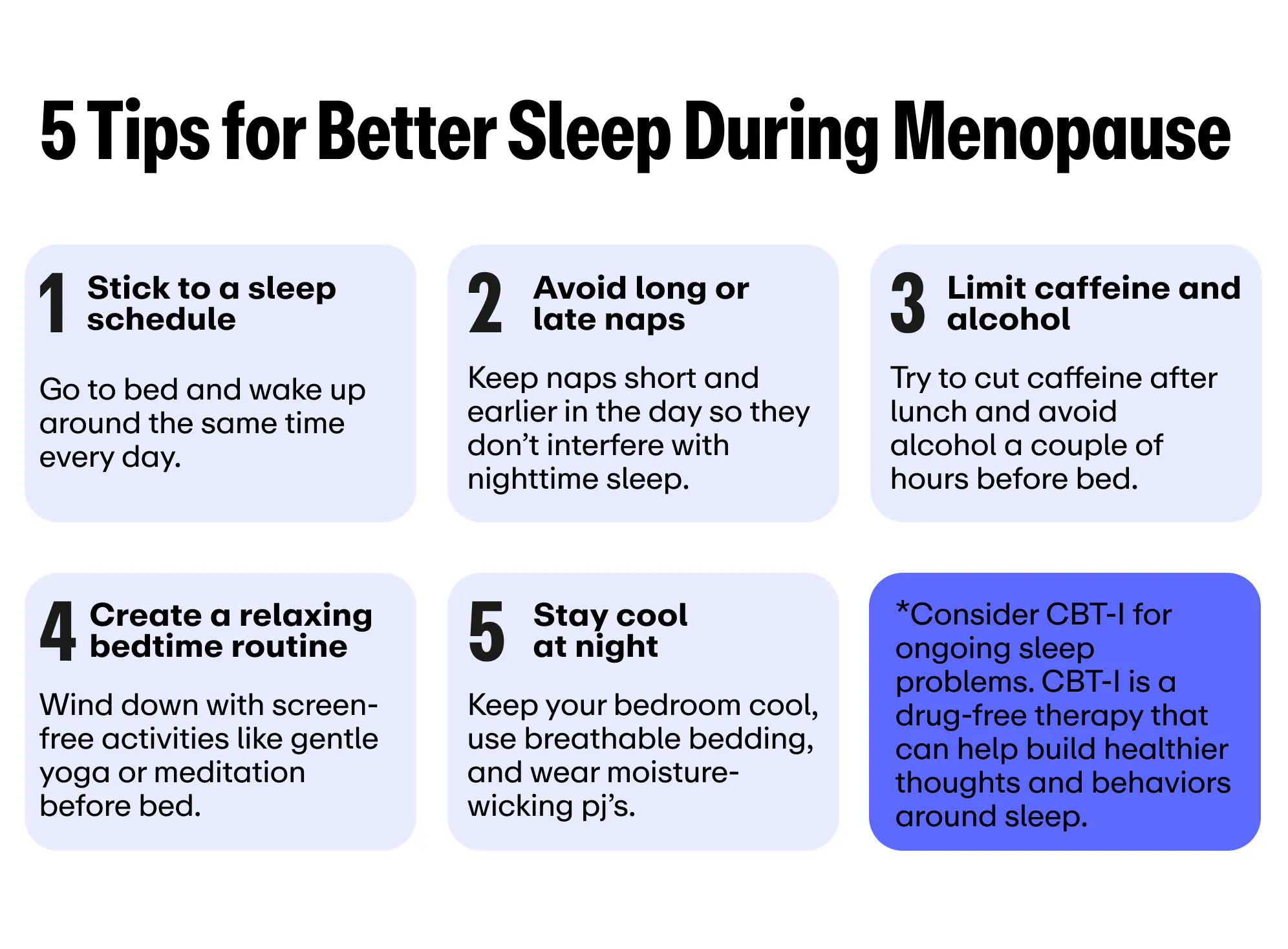
- Keep your sleep schedule consistent: Try to go to sleep and wake up at the same time every day. Easier said than done, we know, but this helps keep your body’s internal clock on track, helping you wind down at night and feel alert in the morning.
- Avoid naps if you can: It’s easy to nod off during the day when you’re not sleeping well at night, but long or late naps can make it harder to fall asleep at bedtime. If you need a quick pick-me-up, try to keep your nap short and earlier in the day.
- Limit caffeine and alcohol: Try to cut caffeine after lunch and avoid alcohol a couple of hours before bedtime. A cup of coffee might give you a quick boost and a glass of wine might make you feel sleepy at first, but both can interfere with a good night’s sleep.
- Start a wind-down routine to relax: A consistent wind-down routine can make it easier to drift off to sleep. Put screens away at least an hour before bed and try calming activities like listening to relaxing music, doing gentle yoga poses, or meditating.
- Try to stay cool at night: Hot flashes and night sweats are major sleep disruptors during the menopause transition. Keep your bedroom cool; use lightweight, breathable sheets; and wear moisture-wicking pajamas.
- Consider cognitive behavioral therapy for insomnia (CBT-I): CBT-I is a drug-free treatment for chronic insomnia. It can help you change unhelpful thoughts and behaviors around sleep, relax at bedtime, and build healthier sleep habits.
When to See a Clinician (and How Midi Can Help)
Having trouble sleeping can be exhausting in more ways than one, especially if you’re navigating other menopause symptoms at the same time. Supplements and healthy sleep habits may help. But some problems need more than an OTC fix.
If your insomnia lasts weeks or months, makes it harder to function during the day, or leaves you feeling totally reliant on sleep aids, it’s time to talk with a clinician. The same goes for loud snoring or pauses in breathing during sleep, which can signal sleep apnea.
A Midi clinician can help figure out what’s keeping you up at night by looking at the full picture, including your sleep patterns, other symptoms, and where you are in your menopause journey. In some cases, hormone replacement therapy (HRT, now commonly referred to as menopause hormone therapy, or MHT) may help by treating symptoms like hot flashes and night sweats that disrupt sleep. Other treatments, including prescription sleep medications, may also be appropriate depending on what’s causing your sleep problems.
Your clinician can build a personalized plan to help you get the rest you need. Book a visit to get started.

Key Takeaways
- Hormone changes during the menopause transition can trigger hot flashes, mood changes, and other symptoms that make it harder to get a good night’s sleep.
- When choosing an OTC sleep aid for menopause, consider your main concerns. Supplements like melatonin, magnesium glycinate, and ashwagandha may help with sleep or relaxation, but the evidence varies, and they won’t work the same for everyone.
- Antihistamine sleep aids can help occasionally, but they aren’t recommended over the long term and can become less effective with regular use.
- OTC sleep aids work best alongside healthy sleep habits, like keeping a consistent sleep schedule, staying cool at night, and winding down before bed.
- If you're thinking about trying a new supplement for sleep problems, talk with a clinician, like one of the menopause specialists at Midi. They can help figure out what’s keeping you up and which treatments may be a good fit for you.
Frequently Asked Questions (FAQs)
Does menopause insomnia ever go away?
Yes, sleep problems related to hot flashes and shifting hormones may improve as you move through the menopause transition. But insomnia can have other causes and may stick around after menopause.
What is the safest sleep aid to take every night?
No single sleep aid is safest for everyone, especially for long-term nightly use. The right treatment depends on what’s causing your sleep problems, your health history, and other medications you take. Talk with a clinician about what you can do to support restful sleep.
Is melatonin or magnesium better for menopause sleep?
Neither one is clearly better for menopause sleep. Melatonin may help if you struggle to fall or stay asleep, while magnesium may help if stress or anxiety keeps you up at night.
Can I take an over-the-counter sleep aid every night during perimenopause?
Over-the-counter antihistamine sleep aids like diphenhydramine aren’t recommended for nightly, long-term use. They can become less effective with regular use and cause unwanted side effects. A clinician can help you review safer options if you find yourself in need of a nightly sleep aid.
Do OTC sleep aids interact with HRT or other menopause treatments?
It depends on the sleep aid and menopause treatment. Supplements and over-the-counter sleep aids can interact with medications, so tell your clinician or pharmacist what you’re taking, including hormone replacement therapy, before adding a new sleep aid.
If you’re in perimenopause or menopause and want guidance from clinicians who specialize in women’s midlife health, book a virtual visit with Midi today.
Hormonal change is at the root of dozens of symptoms women experience in the years before and after their period stops.
Our trained menopause specialists can help you connect the dots to guide you towards safe, effective solutions.
Whether you need personalized guidance or a prescription routine to tackle symptoms—including brain fog, hot flashes, sleep trouble, mood swings, and weight gain—we’ve got you covered. Learn more here.
Midi’s mission is to revolutionize healthcare for women at midlife, wherever they live and whatever their health story. We believe that starts with education, to help all of us understand our always-changing bodies and health needs. Our core values guide everything we do, including standards that ensure the quality and trustworthiness of our content and editorial processes. We’re committed to providing information that is up-to-date, accurate, and relies on evidence-based research and peer-reviewed journals. For more details on our editorial process, see here.