
The sleep disruptions and overall ups and downs of perimenopause and menopause can zap the energy right out of you. So you might be intrigued after hearing friends or the internet talk about how glycine supplements might help you sleep better and feel more energized in midlife. True, some research shows that glycine supplements could help with sleep, but it’s important to know how strong that research is—as well as what science says about other potential benefits of glycine supplements.
We’ll dig into what glycine is, what the science says, and how to determine whether a glycine supplement may be right for you. We’ll also discuss the potential side effects, how much glycine per day is the ideal amount, and exactly how to take it. (By the way: You can book an appointment with a Midi Health clinician to learn more about glycine supplements and the best care solutions for you.)
With night sweats and insomnia, sleep can feel like the Holy Grail during midlife. If you’re struggling to consistently get a good night’s rest, your ears might perk up when you hear that a glycine supplement could help.
Yes, glycine—a tiny but vital amino acid—contributes to your general health in a big way. Yes, a lot of info out there points to how a glycine supplement could help improve your sleep, especially because your body produces less of it as you age. And yes, there’s chatter that it may also boost muscle regeneration and cognitive functions. Who wouldn’t want all that?
There’s just one catch: There's not a lot of research or information available on glycine supplements, and most of the studies on glycine are small. That’s why we’ve put together a helpful guide on what’s known about the potential benefits, the best way and time of day to take it, what to watch out for, and who should avoid it altogether.
Like any other supplement, glycine isn’t for everyone. We recommend reading through this guide and then working with your clinician (like a Midi Health clinician) for more personalized guidance on how to best use it, especially if you already take medications or are managing certain conditions. Read on to learn more about glycine supplements and how they might work for you.
Glycine Supplement Basics: What It Is and How It Works
Glycine is a small amino acid that plays a big role in your overall health. The body can make glycine on its own or you can get it through foods like dairy, meat, fish, and legumes. You’ll also find that it’s often included in popular supplements.
Simply put, glycine helps build proteins the body needs for everything from metabolic function to the sending of chemical signals to the brain. It does a lot, but it’s most known for a few key things:
- Helps form creatine: a compound that’s involved in muscle and brain energy metabolism
- Helps produce glutathione: an important antioxidant that works to protect cells from oxidative damage
- Is a main component of collagen: a structural protein that’s important for the health of your skin, joints, and bones
The body does produce glycine on its own, but natural production begins to slow down after age 30. You get glycine through your diet; it’s found in protein-rich foods like meat, fish, dairy, eggs, legumes, whole grains, nuts, fruits, and vegetables.
But you may not be able to get enough via food sources after a certain age. And some research suggests that the recommended amount of dietary glycine per day—between 1.5 and 3 grams (g)—might not be enough for what the body needs.
That’s often when supplementation comes in. It can be a more consistent and reliable way to make sure you’re getting what you need. A few types of supplements for glycine include:
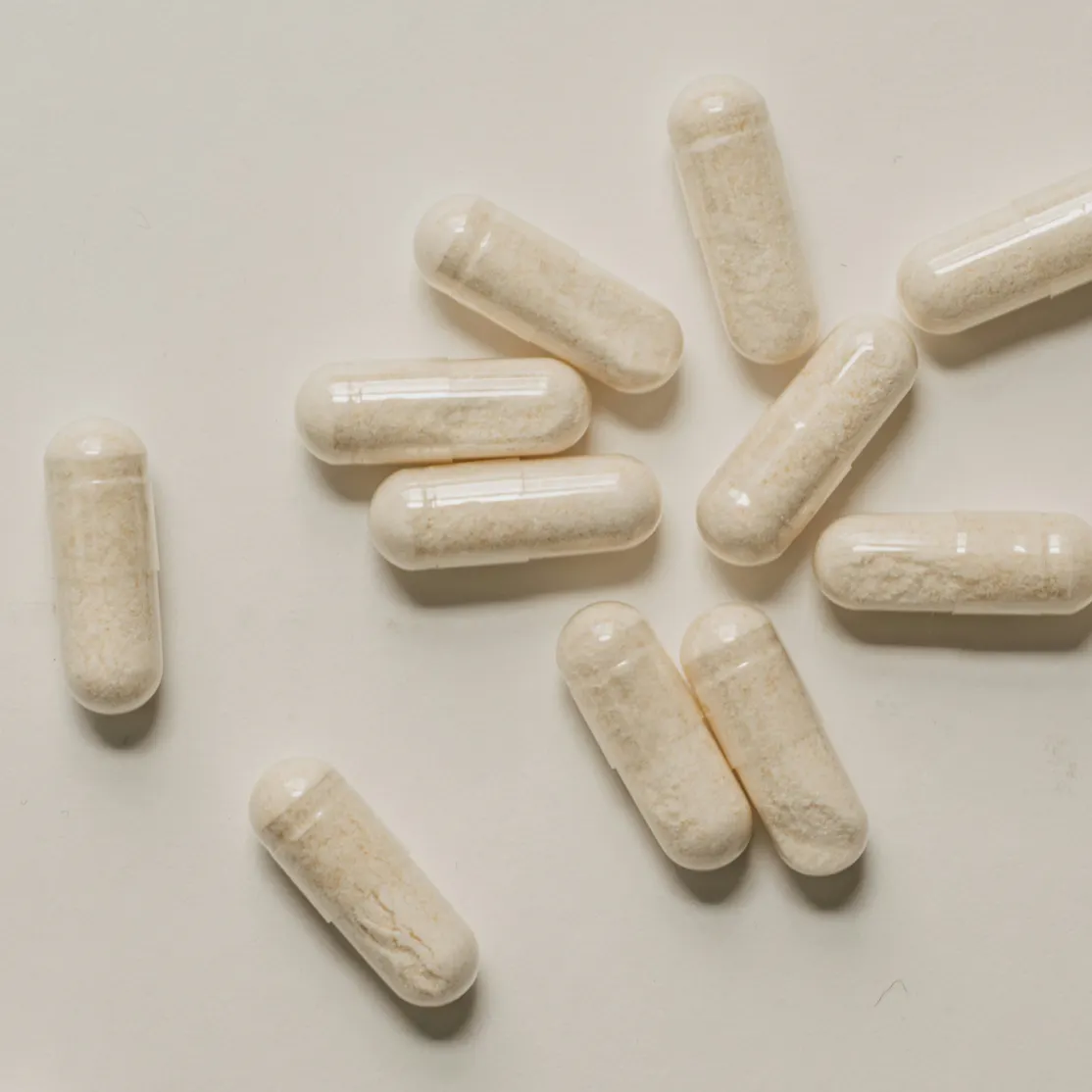
- Glycine stand-alone supplements: These are generally available in powders, capsules, or tablets
- Collagen supplements: Collagen is a rich source; it’s up to 30% glycine.
- Magnesium glycine: Magnesium glycinate is one option, but the amount of glycine is small compared with the others. If you’re taking magnesium supplements for sleep or other reasons, however, it does give you a little glycine boost.
If you’re over age 30 and struggling with insomnia, fatigue, or just the overall health issues that something like menopause can bring on, glycine supplements may be worth looking into—as long as you keep your expectations in check.

Glycine Supplement Benefits (What’s Supported vs. What’s Still Emerging)
More research is needed on supplementing with glycine, but what has come out so far shows that there may be some interesting reasons to take glycine regularly.
Better Sleep
The studies on glycine for sleep have been small and short term. The best evidence comes from small, randomized trials (with fewer than 20 people) that consistently have shown modest improvements in perceived sleep quality—meaning, the participants reported that they slept better and were less tired the next day.
For instance, in one very small study involving 15 women, researchers found that while glycine didn’t increase how much sleep the women got, it did seem to help them have a deeper sleep that left them feeling more rested in the morning.
Muscle Recovery and Strength
A scientific review published in 2024 shows that while glycine itself is important for muscle repair and growth, so far there isn’t strong evidence that supplementing with glycine will help boost that process in humans. Animal and lab studies have suggested that glycine supplements may help boost energy; regulate protein turnover; and improve strength, muscle regeneration, and growth. But more research is needed to see whether those benefits translate to humans.
Metabolic/Liver Markers
Some research suggests that taking glycine supplements may help improve liver enzymes and metabolic markers in people with obesity or fatty liver disease, though larger studies are needed.
Antioxidant Support
Theoretically, glycine supplements—when combined with other amino acids—could have antioxidant powers. That’s because glycine is a foundational building block for glutathione, an antioxidant that helps fight oxidative stress and protect cells from free radical damage. Glutathione lessens as you age, meaning that when you hit menopause, you may not be getting as much of it as you need. Since glycine helps the body make glutathione, supplementing with it could support its function.
True Stories Of Transformation
How Much Glycine Per Day? Practical Dosing Ranges
Remember: Your body makes glycine on its own, and you can also get more of it through your diet. Most people will take in about 2 g of glycine daily from their diet, but it can be really hard to track exactly how much you’re eating. Taking a glycine supplement can give you a better idea of the amount you’re getting.
There’s no standard recommended dose for supplementing glycine. However, based on research, what’s often suggested is a daily dose between 3 and 5 g (the amount shown to improve sleep quality in a 2024 study).
That said, it’s always best to start low and slow when you’re beginning a new supplement. If you start off with about 1 or 2 g of glycine per day, it will let your body adjust and give you a chance to see whether you experience any potential side effects. You can slowly increase the dose based on your tolerance. If you feel like you’re experiencing negative symptoms or side effects, talk with your clinician about next steps.

Dosage Timing: When to Take Glycine for Different Goals
There’s no specific recommendation for when to take glycine. Based on studies and research, here are some suggestions:
- For sleep: Take it anywhere from 30 minutes to 1 hour before you go to bed if you want to try glycine for sleep.
- During the day: If you’re concerned about drowsiness (though it’s not a common side effect), you can try splitting your glycine supplement into two smaller doses, taking it once in the morning and once at night.
- To ease potential digestive discomfort: Take it with a meal or snack.
Once you start taking glycine, spend a couple of weeks tracking some important details, like whether your sleep improves, how you feel in the morning when you wake up, and any digestive changes. While you may potentially notice sleep improvement the day of your first dose or the next day, it can take weeks or even months to notice some of the other benefits.
Glycine Side Effects and Safety Considerations
The good news: No serious side effects of glycine supplementation have been reported so far. The most common glycine side effects include some mild gastrointestinal (GI) discomfort, like nausea or stomach upset. There is the possibility of an allergic reaction, which might include swelling, itching, or a rash.
There’s not enough scientific evidence or research, though, to know about long-term side effects, since the studies have been small and short-term.
If you notice uncomfortable side effects, you can try taking glycine with food to see whether that changes anything. If side effects persist, stop taking glycine and talk with your clinician.
Who Should Avoid Glycine? (And Possible Interactions to Know)
Glycine supplements may not be the best fit for everyone. Keep the info below in mind before starting the supplement:
- If you’re pregnant or breastfeeding, avoid glycine supplements, as there is limited research on taking them during that time.
- Talk with your healthcare professional before taking glycine if you’re on antipsychotic medications. Research indicates that glycine may be a helpful therapy for schizophrenia, but some small studies (on high-dose glycine) showed a possibility that it may interact with these medications.
- If you take medications that affect the central nervous system, like benzodiazepines, sedatives, or muscle relaxants, glycine may add to the effects of those medications, like excessive sedation. Be sure to discuss this with your clinician.
- Taking a lot of other supplements? Glycine might influence how other supplements and amino acids are absorbed in the digestive tract, meaning it could have an impact on their effectiveness.
Before adding a supplement to your routine, it’s always a good idea to discuss it with a healthcare professional, such as a Midi clinician. To be extra careful, tell them about any current medications you’re taking to make sure there are no potential interactions.

Best Glycine Supplement: How to Choose a Product
Glycine is available in oral gel capsules or powder formulations. The powder has some advantages: It’s absorbed faster and gives you flexibility in dosing, since you can adjust how much you’re taking. Gel capsules are easier to take—with the powder, you need to mix it with a liquid.
To pick the best glycine supplement for you, keep the below in mind:
- Glycine amount per serving in grams: Consider how much glycine your clinician recommends you take each day and choose the form or option that aligns best with that.
- Ingredients: Prioritize a simple ingredient list without unnecessary additives.
- Quality signals: Look for labels that indicate third-party testing to ensure you're getting what you’re looking for.
Remember: When you first start taking glycine, start slow. Test it out by starting at a low dose, track your results and any side effects, and then reassess the dose after 2 to 4 weeks of use.
When to Seek Care from a Healthcare Professional
Here are some red-flag signs that you should stop taking glycine supplements or seek medical care:
- allergic reaction symptoms, like swelling, hives, or having trouble breathing
- new or worsening mood changes, confusion, severe sleep disruption, or unusual neurologic symptoms
- persistent GI distress, such as vomiting, severe abdominal pain, or dehydration
If you’re taking glycine supplements specifically to help with your sleep, don’t expect it to work miracles. With sleep, lifestyle habits are critical and may need to be tweaked. Try decreasing caffeine use, give yourself time in the evening to power down into a relaxed mode, and put away screens at least a half hour before bed.
Key Takeaways
- Glycine is an amino acid and protein building block that is vital for maintaining general health. While your body makes it and you can get it through food, glycine production slows down with age, and some evidence shows that supplements may be helpful.
- More definitive research is needed, but researchers have found that glycine might help improve sleep, decrease muscle loss and increase strength, and offer antioxidant support.
- With a healthcare professional's OK, it’s generally recommended to take about 3 to 5 g of glycine each day, but start off with a lower dose to see how it affects you.
- Glycine is generally well-tolerated, and only mild side effects have been reported, but watch out for some potential GI distress. You can limit this by taking glycine with food.
Frequently Asked Questions (FAQs)
What is the supplement glycine used for?
Glycine is a vital amino acid that helps with metabolic health, neurological function, creatine production, and antioxidant support. Taking a glycine supplement might help improve sleep and leave you feeling more rested in the morning. There’s some evidence that it may help decrease inflammation and support the immune system, but more research is needed.
Is it safe to take glycine every day?
There haven’t been any serious or adverse effects reported from glycine use yet, so at the moment, it appears to be a supplement that is safe to use every day. More research is needed to determine whether there are any long-term side effects.
Which food is highest in glycine?
Glycine is found in protein-rich foods, especially meat, fish, poultry, dairy, and eggs. You can also find it in certain fruits and vegetables, whole grains, and legumes.
Is glycine better than magnesium glycinate?
Both magnesium glycinate and glycine are often taken to improve sleep, but they aren’t exactly the same. Magnesium glycinate helps to relax the body to aid in sleep quality, while some research has shown that glycine may improve sleep quality and cognitive function.
What is the disadvantage of glycine?
Glycine supplements are generally considered safe. Some claims made about its powers are overstated and don’t reflect current research, and more studies are needed—including on how it may affect you long-term.
If you’re in perimenopause or menopause and want guidance from clinicians who specialize in women’s midlife health, book a virtual visit with Midi today.
Hormonal change is at the root of dozens of symptoms women experience in the years before and after their period stops.
Our trained menopause specialists can help you connect the dots to guide you towards safe, effective solutions.
Whether you need personalized guidance or a prescription routine to tackle symptoms—including brain fog, hot flashes, sleep trouble, mood swings, and weight gain—we’ve got you covered. Learn more here.
Midi’s mission is to revolutionize healthcare for women at midlife, wherever they live and whatever their health story. We believe that starts with education, to help all of us understand our always-changing bodies and health needs. Our core values guide everything we do, including standards that ensure the quality and trustworthiness of our content and editorial processes. We’re committed to providing information that is up-to-date, accurate, and relies on evidence-based research and peer-reviewed journals. For more details on our editorial process, see here.