


Some midlife symptoms like vaginal narrowing, dryness, and tightness can make sex pretty darn uncomfortable or even painful. One treatment that’s been proven to help is vaginal dilator therapy, a low-cost treatment you can do at home. These vaginal symptoms are common features of genitourinary syndrome of menopause (GSM), and vaginal dilator therapy may help ease and even eliminate these struggles. Read on to learn what vaginal dilators are, how to use them, and how they fit alongside other proven treatments, like vaginal estrogen and pelvic floor therapy. And remember that you don't have to figure it out alone—a menopause-trained Midi Health clinician can help guide you every step of the way.
Here's a menopause treatment that deserves a lot more attention: vaginal dilator therapy. While hot flashes tend to dominate the conversation, vaginal narrowing and tightness from genitourinary syndrome of menopause (GSM) are common, treatable, and still not talked about nearly enough.
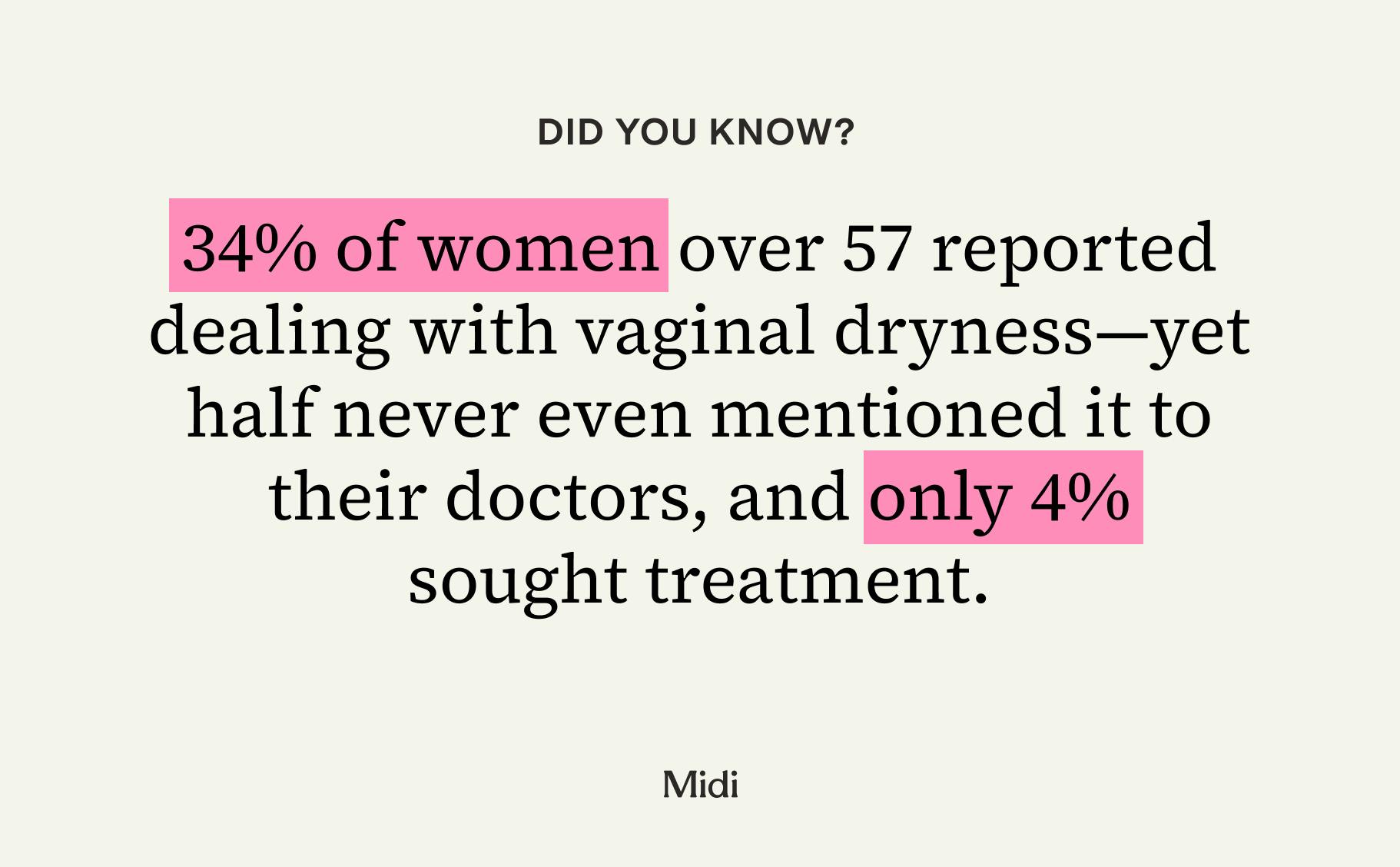
In fact, more than half of women experience GSM, an umbrella term for the bothersome vaginal, urinary, and sexual symptoms that frequently show up in midlife. These changes—often caused by estrogen loss—can cause pain with penetration, throw a wrench into your sex life, and make you dread pelvic exams even more than you already did. And the lack of conversation surrounding GSM means many women don’t realize there’s a well-studied, effective treatment that can help.
So, let’s talk about it. Because there is a way to reduce your discomfort and get your mojo back: Vaginal dilator therapy has been used successfully for decades. Dilators are smooth, tube-shaped devices used to gently maintain or restore vaginal length, width, and tissue flexibility through regular use.
Another plus: Dilator therapy is a safe, low-cost option you can do at home. While it may sound intimidating at first, most people find it's much more approachable than they expected. Ahead, we'll walk through how vaginal dilators work, who can benefit from them, what to expect from treatment, and when it's time to check in with a clinician, such as one at Midi.
What Is Vaginal Dilator Therapy?
Dilators are cylinder-shaped devices that help restore flexibility in your vagina with regular, gradual use. By gently stretching and expanding your vaginal tissue over time, dilators improve elasticity and reduce the pain you may feel with intimacy. This matters because after menopause, your vagina can become drier, less elastic, and even narrower or shorter.
While vaginal moisturizers or lubricants are great for relieving dryness, they don’t reverse the physical changes caused by estrogen loss. Vaginal dilators can do that, which is why many people use both. Dilator therapy is a gradual process that helps your mind and body build comfort and confidence with penetration, so you can feel like your old self again.
Vaginal dilator therapy isn't meant to be an overnight fix. It’s best to take a slow, steady, and consistent approach to help the body adapt. Many people make progress after a few weeks.
Who Can Benefit From Dilator Therapy?
If your clinician recommends vaginal dilators, the first thing to know is that there’s nothing "wrong" with you. Dilators are just a way to help your body adapt to changes or recover from certain conditions—and these conditions are more common than you might think.
Vaginal dilator therapy may be especially helpful if you are:
- Experiencing vaginal tightness, narrowing, or pain with penetration from GSM
- A cancer patient recovering from pelvic radiation and want to maintain vaginal flexibility while minimizing scar tissue
- Dealing with pelvic floor dysfunction or genito-pelvic pain that's making penetration uncomfortable or difficult
- Have vaginismus, which causes muscle spasms during intercourse or penetration
- Working with a clinician or pelvic floor physical therapist who recommends dilators as part of your treatment plan
Many people first hear about vaginal dilators as a treatment for painful sex, but their benefits go beyond intimacy. Disruptive vaginal issues can also make routine pelvic exams deeply anxiety-provoking (as if they were pleasant in the first place). Because these exams are an important part of your healthcare after menopause, improving comfort during these visits matters, too.
How Midi Helps
How Does Menopause Cause Vaginal Narrowing and Painful Sex?
If menopause had a chief troublemaker, estrogen loss would take the crown. As estrogen levels gradually decline, the vagina gets less blood flow and produces less natural lubrication, and its tissues become thinner and less elastic. Estrogen loss can also affect our connective tissues including our pelvic floor and lower urinary tract.
Together, these changes make up GSM, a condition that can cause vaginal dryness, burning, irritation, and tightness, as well as painful sex. And unlike hot flashes, which often fade with time, GSM usually doesn't. Once estrogen reaches its postmenopausal low, symptoms tend to stick around, and often get worse without treatment.
Here’s something many people don’t realize: The vagina is surprisingly responsive to regular stretching and movement. Regular “stretching” or penetration as well as increased blood flow to the vaginal tissues can help maintain comfort and elasticity. However, you don't need to be sexually active to maintain vaginal health: Dilator therapy has been proven to help keep tissues flexible.
Because estrogen loss is the root cause, the best approach is often a combination of therapies. Recent research reviews on GSM emphasize that treatment often works best with a combination approach to treat both the underlying hormonal changes and the physical changes that make penetration painful. This includes vaginal estrogen, moisturizers and lubricants, pelvic floor therapy, and other therapies tailored to individual symptoms.

Vaginal Dilator Sizes and Sets: What to Expect
Most vaginal dilator sets come with 4 to 8 graduated vaginal dilator sizes. If the largest dilator looks intimidating, don’t worry. You’re not expected to start with it—or heck, even use it all—unless it feels right for your body.
Instead, start with the smallest size, which is usually about as wide as a finger or regular-sized tampon. Once that size feels easy to use, you can move up to the next one whenever you’re ready. Most sets include sizes up to about an inch and a half wide. The goal is to help your pelvic floor get used to gradual stretching.
When choosing a set, you’ll find options made from different materials, with different shapes and features. Look for one made with body-safe materials and a gradual range of sizes.
While medical-grade silicone and plastic dilators are both commonly used, research has not yet shown that one material is more effective than the other. The best choice often comes down to comfort, ease of use, and personal preference. Silicone tends to be pricier and is often said to have a softer, more “natural” feel. Plastic options are typically more affordable, firmer feeling and may include a handle for added control. A tapered tip can also make insertion easier.
And yes, you can usually buy one without a prescription. They're available online and through medical supply retailers, and many are HSA or FSA eligible (score!). You'll also see several reputable brands and styles, but there’s no need to focus on finding the "perfect” set. The right one is the one that works comfortably for your body.
How to Use a Vaginal Dilator, Step by Step
Your starting dilator should slide in comfortably with lubricant and relaxed breathing. A good general guide when you’re starting: If you have to force it, it's too big. A mild stretching sensation is okay, but if you feel sharp pain or burning, go down a size or stop for the day. Some people move up after a few sessions, while others stay with the same size for weeks—both are completely normal.
Before you begin, go to a private, comfortable space where you can relax and won’t be interrupted. Feeling safe and at ease helps your body respond more comfortably. Once you’re ready, here’s how to use a vaginal dilator:
- First, apply a generous amount of water-based lubricant to both the dilator and the opening of the vagina. Avoid silicone or oil based lubricants, which can break down the materials over time.
- Start with the smallest dilator size that feels comfortable. Gently insert it at a slight downward angle, similar to how you would insert a tampon. If you feel like you have to force it, try a smaller size or take a break.
- Once it's in place, give your body a chance to relax. Take slow, deep breaths and focus on releasing your pelvic floor muscles instead of tensing up.
- Keep the dilator in place for the amount of time recommended by your clinician or the product instructions. Some specialists recommend trying insertion in different positions (for example, while standing or lying on your side) in order to stretch and relax different muscle groups.
- Every treatment plan is a little different, so there's no one-size-fits-all timeline. Most sessions are relatively brief, though, and typically last no longer than 20 minutes.
Move on to the next size only when your current one feels comfortable and easy to use. There's no benefit to rushing, and it's normal to spend days or even weeks with the same size before progressing.
How Often and How Long Does Dilator Therapy Take?
By now, you’ve probably clocked that with dilator therapy, consistency is much more important than intensity. Typically, this means doing short sessions several times per week.
After several weeks of regular use, many people see results—meaning, softening and easier insertion. Remember that every body moves at its own pace, so try not to judge your progress by how quickly you move up a size. A session where your body feels a little more relaxed is progress, too. How long you need vaginal dilator therapy depends on your symptoms.
If vaginal dryness is part of the problem, your healthcare professional may recommend pairing dilator therapy with vaginal estrogen (if it's appropriate for you) or a vaginal moisturizer. For some people, treating the underlying dryness makes dilator therapy noticeably more comfortable.
Is Dilator Therapy Safe? Tips and Common Mistakes
Dilator therapy is generally extremely safe when you do it gently and without forcing your body past its limits. A few simple habits can make your experience safer and more comfortable:
- Use plenty of water-based lubricant every time to reduce friction and make insertion more comfortable.
- Clean your dilator according to the manufacturer's instructions before and after each use to help lower the risk of irritation or infection.
- Resist the urge to move up to a larger size before you're ready, or to push through any pain.
- Stop using the dilator and contact your healthcare provider if you have bleeding, sharp or worsening pain, unusual discharge, fever, or other signs of an infection.
Many clinicians recommend using vaginal dilators under the guidance of a pelvic floor physical therapist (PT), especially if pelvic floor muscle tension is part of the problem. A pelvic floor physical therapist can teach you techniques to relax those muscles and make dilator therapy feel more manageable. For many people, working with a pelvic floor PT is more effective than trying to work through it alone.
When to Talk to a Clinician About Painful Sex and GSM
If sex has become painful, or you're avoiding intimacy because you expect it to hurt, know that there are things that can help. Many women feel embarrassed, and that’s a natural reaction, but remember that this is a medical symptom, and a common one, at that.
A healthcare professional, such as a Midi clinician, can help identify what's causing your symptoms and recommend the treatment or combination of treatments that makes the most sense for you. Depending on your situation, that might include vaginal dilator therapy, vaginal estrogen, pelvic floor physical therapy, moisturizers, or something else entirely.
Your clinician can also help rule out other possible causes of painful sex. Symptoms like dryness, burning, pelvic floor muscle tension, and pain with penetration can sometimes overlap, even though they don't always have the same underlying cause.
At Midi, our menopause-trained clinicians evaluate your symptoms, help identify what's contributing to the pain, and work with you to build a personalized treatment plan. At your visit, you can expect to talk through your symptoms, your medical history, and how pain is affecting your daily life. Together, you'll create a treatment plan that fits your goals, and follow-up visits give you a chance to adjust that plan as your body responds.

Key Takeaways
- Genitourinary syndrome of menopause (GSM) is common and treatable. Vaginal dryness, narrowing, tightness, and painful penetration affect many people after menopause, but these symptoms are not something you simply have to live with.
- Vaginal dilator therapy can help restore comfort and flexibility. Dilators gently and gradually help maintain or improve vaginal length, width, and tissue flexibility while helping pelvic floor muscles become more comfortable with penetration.
- Progress comes from gradual consistency, not pushing through pain. Starting with the smallest comfortable size, using water-based lubricant, relaxing the pelvic floor, and moving slowly are key to safe and effective results.
- Dilators are one part of a broader treatment approach. Many people benefit from combining dilator therapy with options like vaginal estrogen, moisturizers, lubricants, or pelvic floor physical therapy to address both hormonal and physical changes.
- You don’t need to navigate painful symptoms alone. A menopause-informed clinician or pelvic floor therapist can help determine the cause of discomfort and create a personalized plan that fits your needs.
Frequently Asked Questions (FAQs)
How do you know if you need a dilator?
If penetration has become painful or difficult—whether during sex, a pelvic exam, or when inserting a tampon—a vaginal dilator may help. A clinician can determine whether it's the right option based on your symptoms and the underlying cause. Since there are a range of conditions that can contribute to the symptoms mentioned, it’s important to get evaluated by your clinician.
Is it possible to do dilator therapy yourself?
Yes. Vaginal dilator therapy is designed to be done at home, though guidance from a menopause clinician or pelvic floor physical therapist can help you navigate the process with more confidence.
How long should you leave a dilator in for?
Keep the dilator in place for the amount of time recommended by your clinician, or the product instructions. Every treatment plan is a little different, so there's no one-size-fits-all timeline. Most sessions are relatively brief, typically in the 5 to 15 minute range.
What is dilator therapy?
Vaginal dilator therapy uses smooth, graduated devices to gently improve vaginal flexibility and comfort with penetration. It's commonly used to treat vaginal narrowing, pelvic floor tension, and pain related to GSM and other conditions.
How long does it take for vaginal dilator therapy to work?
Many people notice improvement within a few weeks, but meaningful results often take 6 to 12 weeks of regular use. Progress depends on factors like the severity of symptoms and whether dilator therapy is combined with treatments such as vaginal estrogen or pelvic floor physical therapy.
If you’re in perimenopause or menopause and want guidance from clinicians who specialize in women’s midlife health, book a virtual visit with Midi today.
Hormonal change is at the root of dozens of symptoms women experience in the years before and after their period stops.
Our trained menopause specialists can help you connect the dots to guide you towards safe, effective solutions.
Whether you need personalized guidance or a prescription routine to tackle symptoms—including brain fog, hot flashes, sleep trouble, mood swings, and weight gain—we’ve got you covered. Learn more here.
Midi’s mission is to revolutionize healthcare for women at midlife, wherever they live and whatever their health story. We believe that starts with education, to help all of us understand our always-changing bodies and health needs. Our core values guide everything we do, including standards that ensure the quality and trustworthiness of our content and editorial processes. We’re committed to providing information that is up-to-date, accurate, and relies on evidence-based research and peer-reviewed journals. For more details on our editorial process, see here.