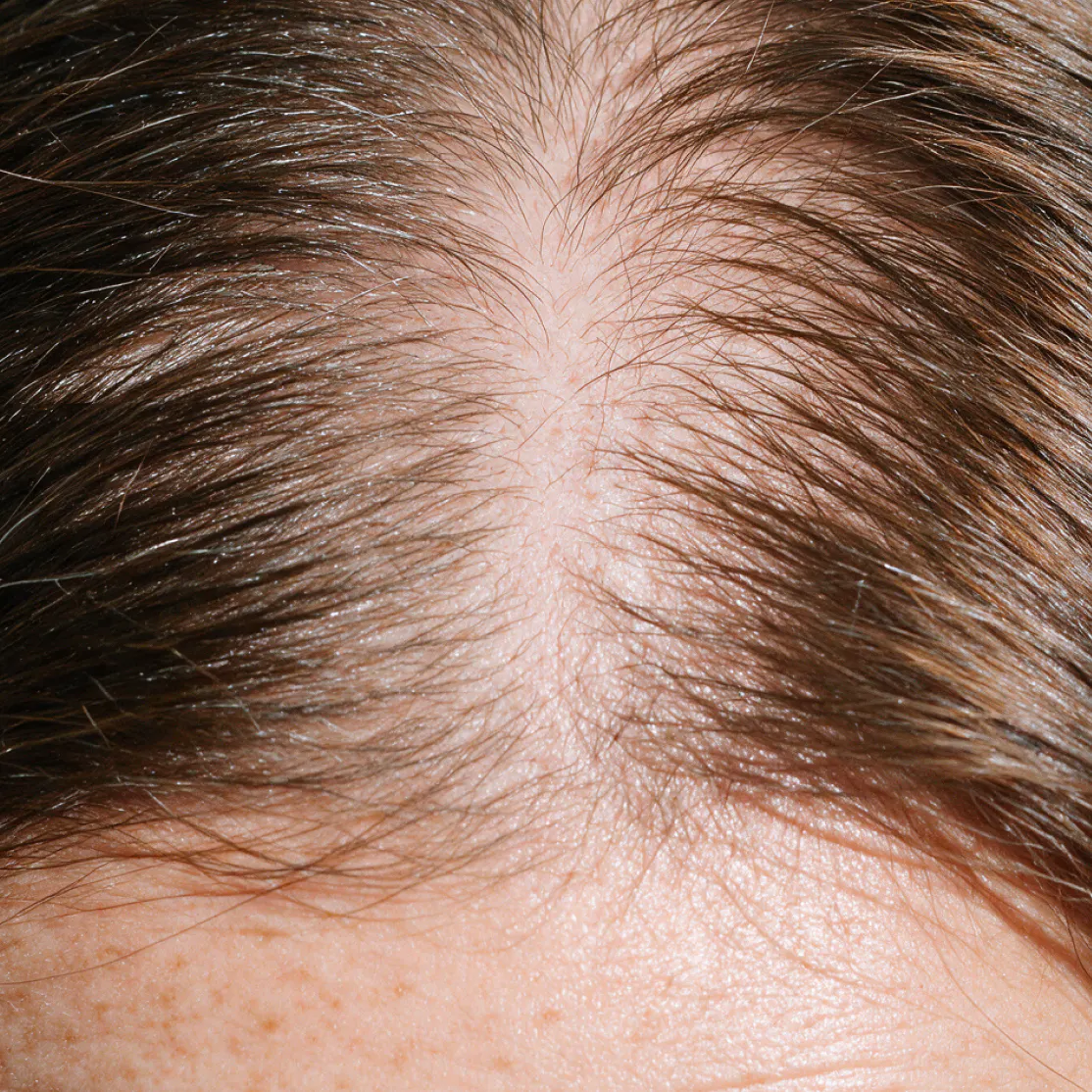

If spironolactone side effects have you spiraling—or considering skipping the medication altogether—it’s helpful to know that the most common ones are typically mild. Whether you're taking it for high blood pressure or for acne or thinning hair during perimenopause, more serious side effects like high potassium levels are less common, especially in women who are generally healthy.
The key is to work with a clinician, like one at Midi Health, who understands your health needs during perimenopause and beyond. They can help you manage side effects and monitor potential risks.
You’ve just gotten a new prescription—maybe for acne, hair thinning, facial hair, or blood pressure—and the spironolactone side effects sound like a nightmare. Diarrhea, dizziness, and heart palpitations? Um, can I pass?
First, take a deep breath. Most spironolactone side effects in females and males alike are pretty mild and often ease up after the first few weeks. That said, a handful of serious issues are worth knowing about, and the medication should be avoided in pregnancy.
If you’re looking for a breakdown of what’s normal and what’s worth reaching out to your clinician about, you’ve come to the right place. Here, we'll cover some common and some rare but serious side effects, including those specific to women taking spironolactone for acne or hair loss. We'll also review what to expect over time, potential medication interactions, and how to manage side effects.
How Spironolactone Works, and Why That Explains Its Side Effects
Spironolactone side effects aren’t as random as they might seem. To understand why they happen, it helps to know that this medication has two primary jobs:
- By blocking the hormone aldosterone in the kidneys, spironolactone makes your body shed water and sodium, while holding onto potassium.
- Spironolactone blocks the activity of androgens (hormones like testosterone) in the skin and hair follicles.
These two functions explain many of spironolactone’s side effects.
Because it’s a diuretic, you end up urinating more, which can cause dehydration and leave you feeling a little dizzy or thirsty. And since it spares potassium, you could end up with too much of it in your blood (a condition called hyperkalemia).
Meanwhile, blocking androgen activity can contribute to hormone-related side effects like menstrual changes, breast tenderness, and shifts in libido, while also helping with acne, hair thinning, and unwanted facial or body hair.
What Are the Most Common Spironolactone Side Effects?
Most people do just fine taking spironolactone. But some common, mild side effects can pop up as your body adjusts to changes in fluid levels and hormone activity:
- irregular periods or spotting
- increased thirst and urination
- breast tenderness or swelling
- lightheadedness and dizziness
- mild stomach upset, nausea, or diarrhea
Other possible but less common side effects include:
- headaches
- decreased libido
- fatigue
- muscle cramps
- dry mouth or drowsiness
For some context, a review of studies involving women taking spironolactone for acne found that irregular periods were the most common side effect, affecting about 13% of women in clinical trials and 33% in other studies. Breast tenderness, dizziness, and increased urination were each reported by less than 5% of women. The researchers also noted that taking hormonal birth control could help manage menstrual cycle changes.
One more thing you might be wondering: “Does spironolactone cause weight gain?” It's not a typical side effect. In fact, the medication might even slightly reduce bloating, thanks to its diuretic effect.
Serious Side Effects: Hyperkalemia and Who Is Actually at Risk
The biggest concern with spironolactone is the risk of developing hyperkalemia, or higher-than-normal potassium levels in your blood. This happens because the medication keeps your kidneys from getting rid of as much potassium as they normally would, and that potassium can build up in your bloodstream.
Symptoms of high potassium are usually pretty subtle (if they even show up at all). But clinicians suggest watching out for:
- muscle weakness
- nausea and vomiting
- a slow or irregular heartbeat
- heart palpitations
- tingling or numbness
That said, a 2020 analysis in the International Journal of Women’s Dermatology found that high potassium was rarely reported in women ages 45 and younger taking spironolactone. In fact, researchers suggested that otherwise healthy women in this age group taking it for acne might not need routine potassium checks. Most reported cases involved women ages 65 and older.
A 2026 study of women ages 45 and older taking spironolactone for skin and hair concerns found that about 10% developed high potassium, with risk increasing with age and certain health conditions. But nearly all cases were mild, most caused no symptoms, and many didn't require changes to treatment.
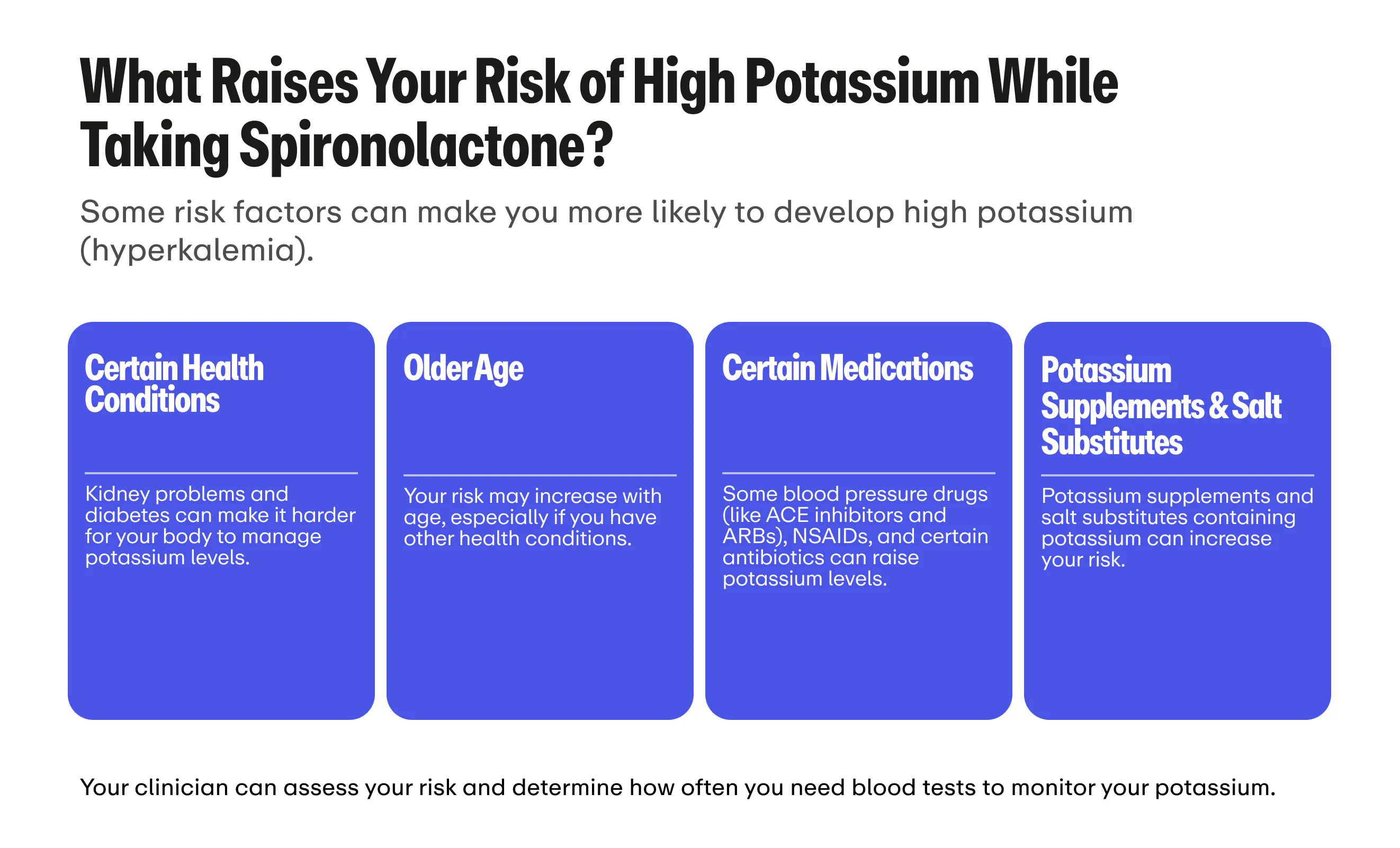
The caveat is that your risk can be higher if you have kidney problems, diabetes, or dehydration; take higher doses of spironolactone; or take certain medications or supplements that raise potassium. That's why it's important to tell your clinician about any health conditions and medications before starting spironolactone.
There are also a few other serious though uncommon side effects, like severe allergic reactions, kidney or liver problems, and significant drops in blood pressure. Clinicians typically check your potassium levels and kidney function before treatment and periodically afterward to help catch potential problems early.
Why Can Spironolactone Cause Dizziness and Low Blood Pressure?
Spironolactone is a diuretic, which means it triggers the kidneys to get rid of extra water and sodium by making you pee…a lot. Losing that extra fluid can lower your blood pressure. The result? You might feel dizzy and lightheaded (particularly when you stand up too fast) because your brain may briefly get less blood flow.
This may happen when you first start spironolactone or after your clinician bumps up the dose. You may also be more likely to feel dizzy when you're dehydrated—either because you’ve been exercising hard, drinking alcohol, or just generally neglecting your water bottle. Having lower blood pressure to begin with or taking other medications that lower it can also increase your risk.
So be sure to stay hydrated and take your time whenever you’re getting up from sitting or lying down. And if you're still feeling dizzy, ask your clinician whether adjusting the timing or dose of the medication might help. Taking spironolactone earlier in the day may also help cut down on nighttime bathroom trips.
Breast Tenderness, Period Changes, and Other Hormone-Related Effects in Women
Because spironolactone affects how your body responds to androgens (like testosterone), you might have some hormone-driven changes:
- Breast pain and swelling: Since spironolactone blocks androgen activity, breast tissue may be more responsive to estrogen, making your breasts feel tender or swollen.
- Menstrual irregularities: You might notice spotting, missed periods, heavier or lighter bleeding, or changes in the length of your cycle. Some clinicians will prescribe combined hormonal birth control along with spironolactone to help reduce these irregularities.
- Decreased libido: Androgens like testosterone play a role in sexual desire, so some women might find that spironolactone lowers their sex drive or makes it harder to orgasm.
These spironolactone side effects can overlap with perimenopause symptoms. A clinician, like the women’s health experts at Midi, can help untangle what might be part of a bigger midlife hormonal shift and what might be caused by spironolactone—and find the most effective fix.

It’s also important to note that spironolactone isn't recommended during pregnancy or while trying to conceive, since its anti-androgen effects could harm developing babies, particularly males. (This is another reason why clinicians often prescribe contraceptives along with spironolactone.) If you become pregnant while taking spironolactone, stop taking it and contact your clinician right away.
Spironolactone Side Effects When It Is Used for Acne, Hair Loss, or Hirsutism
Spironolactone is FDA approved to treat high blood pressure, heart failure, and swelling from fluid buildup (edema). But clinicians often prescribe it off-label for concerns like female pattern hair loss, hormonal acne, and excess facial or body hair (hirsutism)—particularly when these symptoms are linked to polyendocrine metabolic ovarian syndrome (PMOS, formerly known as polycystic ovary syndrome, or PCOS) or hormonal changes during perimenopause.
For acne, studies show it’s effective in doses between 50 and 100 milligrams (mg), and higher doses might offer an even bigger benefit. However, spironolactone for acne side effects—like fatigue, spotting, and breast soreness—sometimes make it harder to take higher doses. And it can take up to 3 months to see noticeable improvement, so patients need to be, well, patient.
When taking spironolactone for female pattern hair loss, the medication is largely thought to be effective at doses between 100 and 200 mg (though there is some evidence that smaller doses could work, too). Some women also have annoying side effects like an itchy scalp, dandruff, or increased hair shedding while taking it. Plus, it can take around 6 to 12 months to see results.
In the meantime, this extra shedding may leave you wondering: Does spironolactone cause hair loss? Generally, no. Spironolactone’s anti-androgen effect is actually known for reducing unwanted hair growth on the face and body, while slowing hair thinning on the scalp.
Spironolactone Side Effects Timeline: First Weeks vs. Long Term
Spironolactone side effects can vary and change over time, but here's what you might expect in the first few weeks, months, and beyond.
The first 2 to 4 weeks
As your body adjusts to shifts in fluid levels, you might find yourself peeing more often, feeling thirstier, or getting lightheaded. You might also feel extra tired, have headaches, or experience mild stomach upset. These effects often ease over time. Breast tenderness and period changes may also show up during the first 1 or 2 months.
1 to 3 months
This is when you might start to see acne clearing up. Noticeable improvements in unwanted facial or body hair and hair thinning can take longer, often 6 months or more. During this time, your clinician may recheck your potassium levels and kidney function and adjust the dose if needed.
Long-term use
Older research shows that years-long use of spironolactone for acne has generally been well tolerated. Yet the risks of hyperkalemia and hormone-related symptoms (like menstrual irregularities) don’t necessarily go away, so ongoing monitoring may still be needed. But spironolactone long-term side effects are often manageable, sometimes with a dose adjustment.
You may notice that spironolactone comes with a cancer-related warning. That's because tumors were found in animal studies using doses up to 150 times higher than those prescribed to humans. However, a 2022 review and meta-analysis published in JAMA Dermatology found no meaningful association between spironolactone use and cancer risk in humans.
If you're thinking about stopping spironolactone for reasons other than pregnancy, talk with your clinician first. The medication doesn't typically cause withdrawal symptoms, but acne, hair thinning, and other concerns may return when you stop taking it. Your clinician can help you decide whether to lower your dose gradually or stop taking it, depending on why it was prescribed.
Which Medications, Supplements, and Foods Interact With Spironolactone?
Before starting spironolactone, give your clinician a full rundown of all the medications and supplements you take, since some can be risky to combine with this drug.
In particular, you want to watch out for anything that could raise your potassium levels. That can include:
- potassium supplements and salt substitutes containing potassium chloride
- very high-potassium diets (looking at you, banana lovers)—you don't necessarily need to avoid all potassium-rich foods, but check with your clinician if you have kidney issues or other risk factors of high potassium
- blood pressure medications like ACE inhibitors and angiotensin II receptor blockers (ARBs); a clinician may still prescribe these alongside spironolactone, but closer monitoring may be needed
- drospirenone, a progestin used in some birth control pills and menopausal hormone therapy; it can be used alongside spironolactone, but your clinician may recommend monitoring if you have other risk factors
- certain antibiotics, including trimethoprim, that can raise potassium levels when combined with spironolactone
- regular use of non-steroidal anti-inflammatory drugs (NSAIDs) like ibuprofen or naproxen, which affect kidney function, raise potassium levels, and reduce spironolactone's effectiveness; occasional use may carry less risk, but check with your clinician first
If you’re receiving prescription testosterone therapy, know that spironolactone blocks some of testosterone's effects. This means you might not get the same benefits, including improvements in sexual desire.
Alcohol can make dizziness and lightheadedness worse while taking spironolactone, so be mindful of how much you drink, especially as your body adjusts to the medication.
What Should Be Monitored While Taking Spironolactone?
There’s one more important step before you start spironolactone: Your clinician will typically order blood tests to check your potassium levels and kidney function, plus get a blood pressure reading.
At Midi, clinicians typically order follow-up blood tests every 3 months for the first year of treatment, then annually after that. Additional testing may be needed after a dose increase.
But how often you need testing depends on your health and other medications. People with kidney disease or taking certain blood pressure medications, for instance, may need more frequent blood tests. On the flip side, research on taking spironolactone for acne suggests that the risk of hyperkalemia in otherwise healthy women ages 45 and younger is low enough that routine potassium monitoring might not be necessary.
If you’re concerned about spironolactone side effects, try keeping a symptom log during your first couple of months. Note increased urination, breast tenderness, menstrual cycle changes, dizziness, or headaches, and bring it to your clinician at your follow-up visit.
When to Talk With a Clinician About Spironolactone Side Effects
Although the most common spironolactone side effects are generally mild, some symptoms need immediate medical attention. Seek emergency care if you experience:
- severe muscle weakness
- difficulty breathing
- a very slow or irregular heartbeat
- confusion
- fainting
- face or throat swelling
- widespread rash with blistering or fever
- yellowing of the skin or eyes
Other side effects may not be an emergency but are still worth a chat with your clinician. These include dizziness that doesn’t improve, breast pain that interferes with daily life, severe or ongoing nausea, vomiting, diarrhea, signs of dehydration (like dark urine), or persistent changes to your menstrual cycle.
Plus, always check in with your clinician if you’re starting a new prescription from another provider, planning to take a potassium supplement or use NSAIDs regularly, planning to get pregnant, or simply feeling like the benefits aren’t worth the spironolactone side effects any longer.
Before stopping spironolactone or changing your dose, talk with your clinician, especially if you're taking it for heart or blood pressure problems. Your clinician might recommend adjusting the amount or timing first. But if you do need to stop, they’ll walk you through the best approach.
Spironolactone in Perimenopause and Menopause: What Changes?
Taking spironolactone at age 50 can be a bit of a different experience than at 30. That's because the risk of high potassium can increase with age. And since women in midlife may also be taking other medications, like certain blood pressure drugs, clinicians might recommend more frequent monitoring.
That said, spironolactone can help address some of the changes that come with perimenopause and menopause, like acne and hair thinning, which can be more noticeable as estrogen levels decline. But it doesn’t treat vasomotor symptoms like hot flashes and night sweats, so it’s not a replacement for hormone therapy. Spironolactone can be used alongside hormone therapy when appropriate, with your clinician helping coordinate treatment and monitoring.
Also helpful to know: Some of the hormonal shifts during perimenopause can cause symptoms that look a lot like spironolactone side effects. Irregular periods, breast tenderness, dizziness, and fatigue can all overlap. It often takes a clinician who understands both to tease out what’s causing what or whether both are playing a role. Midi’s menopause-trained clinicians can help you sort through your symptoms and find the right treatment approach.

Key Takeaways
- Spironolactone helps your body get rid of extra water and sodium, while holding onto potassium. It also blocks the effects of androgens like testosterone, which helps explain both its benefits and side effects.
- Most spironolactone side effects are mild, and many ease up after the first few weeks. Common ones include increased urination, dizziness, breast tenderness, and changes to your menstrual cycle.
- The biggest serious risk of spironolactone is high potassium (hyperkalemia), though it's less likely in generally healthy women ages 45 and younger. Your risk may increase with age, certain health conditions, or medications that raise potassium levels.
- Clinicians usually check your potassium levels, kidney function, and blood pressure before prescribing spironolactone. How often you need follow-up testing depends on your health, medications, and other risk factors. Avoid spironolactone during pregnancy.
- Research shows that spironolactone is generally well tolerated with long-term use, although side effects can still occur. If you're having trouble with side effects, your clinician may be able to help by adjusting your dose or the timing of your medication.
Frequently Asked Questions (FAQs)
What should you avoid while on spironolactone?
It’s best to avoid potassium supplements and salt substitutes containing potassium unless your clinician says otherwise. Some medications, like ACE inhibitors, drospirenone-based birth control or hormone therapy, and regular NSAID use, can also raise potassium levels, so check with your clinician before combining them with spironolactone. And go easy on alcohol, especially if you're feeling dizzy or dehydrated.
Why is spironolactone a high-risk drug?
Although spironolactone can raise potassium levels and affect kidney function and blood pressure, it’s generally safe for most people when properly monitored. The most common side effects are typically mild, and research shows that spironolactone is generally well-tolerated with long-term use. Your clinician may recommend regular blood tests to catch potential problems early.
Is spironolactone hard on your body?
Spironolactone is generally well-tolerated, though you might experience mild side effects like more frequent trips to the bathroom, breast tenderness, menstrual irregularities, and dizziness. The biggest concern is high potassium levels (hyperkalemia), which is why your clinician may recommend regular blood tests.
Does spironolactone cause weight gain?
Weight gain isn't a typical side effect of spironolactone. In fact, its diuretic effect may lead to a little weight loss, but that's from losing excess water, not body fat. (Sorry!)
Can I stop taking spironolactone suddenly?
Spironolactone doesn't typically cause withdrawal symptoms, so you may not need to taper off gradually. But always check with your clinician before stopping, especially if you're taking it for high blood pressure or heart problems. They can help you decide whether to stop or gradually lower your dose.
If you’re in perimenopause or menopause and want guidance from clinicians who specialize in women’s midlife health, book a virtual visit with Midi today.
Hormonal change is at the root of dozens of symptoms women experience in the years before and after their period stops.
Our trained menopause specialists can help you connect the dots to guide you towards safe, effective solutions.
Whether you need personalized guidance or a prescription routine to tackle symptoms—including brain fog, hot flashes, sleep trouble, mood swings, and weight gain—we’ve got you covered. Learn more here.
Midi’s mission is to revolutionize healthcare for women at midlife, wherever they live and whatever their health story. We believe that starts with education, to help all of us understand our always-changing bodies and health needs. Our core values guide everything we do, including standards that ensure the quality and trustworthiness of our content and editorial processes. We’re committed to providing information that is up-to-date, accurate, and relies on evidence-based research and peer-reviewed journals. For more details on our editorial process, see here.