 Claudia Levine, MD
Postmenopause, the stage that officially starts 12 months after your last period, isn't quite the finish line you might expect. While some symptoms, like hot flashes, may ease up, this phase brings its own changes—from shifts in bone density and heart health to sleep patterns and mood. The good news: With the right knowledge and some proactive habits (think: moving your body, eating well, and remaining in close contact with your healthcare team), you can stay healthy in postmenopausal life and feel strong and ready to enjoy everything this next chapter has to offer.
Here’s something confusing: the term “postmenopause” actually means the exact same thing as "menopause." Both refer to the stage when you’ve gone 12 consecutive months without having your period.
So rather than “postmenopausal” meaning you’re fully done with the rollercoaster you may have experienced during perimenopause, this life stage can continue to trigger both physical and emotional changes (some familiar from perimenopause and some brand new).
But here’s the thing: These years are a golden opportunity to focus on long-term health and well-being, so that you can stay active and feel good physically, mentally, and emotionally.
What Signals the End of Menopause?
Menopause is officially marked after 12 months without a menstrual period. The average age for this in the United States is around 52.
But crossing the finish line doesn’t mean you’re done with hormonal shifts. Postmenopause is divided into two categories: early postmenopause and late postmenopause, according to the Stages of Reproductive Aging Workshop (STRAW).
Early postmenopause lasts approximately 5 to 8 years after you’ve gone a year since your last menstrual period. After that span, you shift into late postmenopause, the phase you’ll be in for the rest of your life. As more research emerges, it’s helping us rethink menopause—not as a final destination, but as one stop on this ongoing (and occasionally weird) journey of being a person with a body.
Common Postmenopause Symptoms to Know About
Menopause symptoms have a real YMMV component—your mileage may vary, that is. Some women have intense symptoms that disrupt their lives daily and last for years, while others barely notice the transition.
During the first 1 to 2 years of early postmenopause, you’re most likely to experience vasomotor symptoms, like hot flashes and night sweats. The upside: After that time, symptoms tend to calm down as hormones like follicle-stimulating hormone (FSH) and estrogen stabilize.
In late postmenopause, symptoms like vaginal dryness become increasingly prevalent, as well as urogenital atrophy—a clinical way of saying thinning, drying, and inflammation of the vaginal and urinary tract tissues. Discomfort can be felt both outside and inside the vagina.
Symptoms that you may have experienced in perimenopause can also persist.
Common postmenopausal symptoms include:
- hot flashes and night sweats
- vaginal dryness, pain during sex, and low libido
- depression and anxiety
- insomnia
- dry skin
- weight gain
- loss of muscle mass
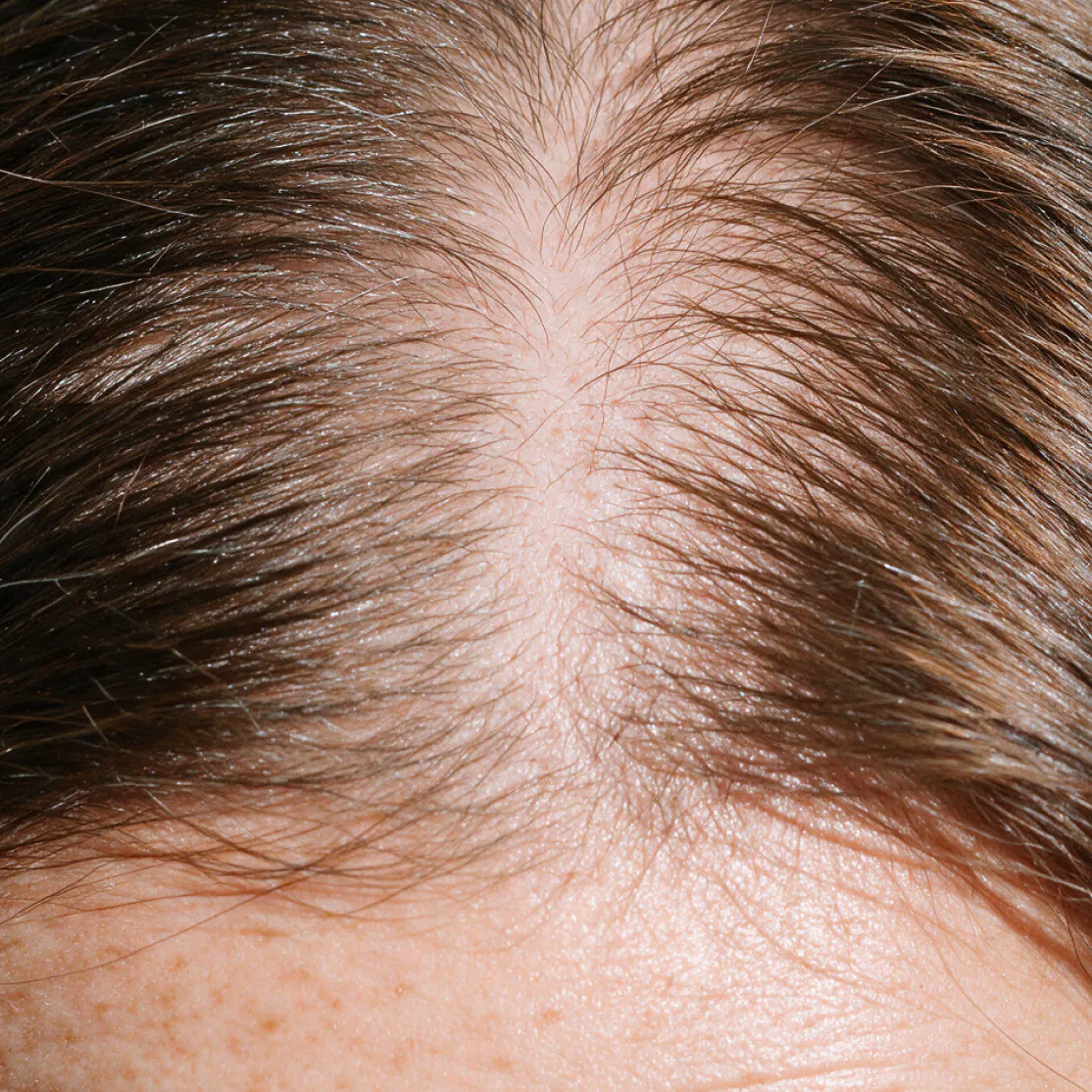
- hair loss
- urinary incontinence
Research also shows that postmenopausal women are at increased risk of serious health risks, such as osteoporosis and heart disease. For vasomotor symptoms, like hot flashes, as well as osteoporosis prevention, there are many options, including hormone therapy, that can help. For the vaginal dryness and atrophy that is more common in late menopause, typical treatment is a topical cream, tablet, or ring that delivers estrogen directly to the vaginal tissue.
Physical Health in Postmenopause
Keeping your body healthy through the changes of postmenopause is important and manageable—especially because postmenopausal women are at increased risk of osteoporosis. This is because your body produces less estrogen, which helps you maintain strong bones. Also due to having less estrogen, postmenopausal women are at higher risk of heart disease, which can show up as heart attack or stroke.
Here are things you can do to stay your healthiest:
- For bone health and maintaining muscle mass: Regularly engage in weight-bearing exercise for 30 minutes per day most days of the week and add in muscle-strengthening exercises 2 to 3 days per week. Also see your healthcare professional for a bone-density (DEXA) screening and make sure to eat a diet high in calcium and vitamin D (and talk with your doctor about possibly supplementing as well).
- For heart health: Exercise is your friend here, too! It also helps to eat a diet filled with nutritious foods (fruits, vegetables, lean meats, and whole grains) and to stop using tobacco products. Talk with your clinician about monitoring the data points that can affect your heart, such as your blood pressure, cholesterol, and glucose levels.
- For overall health: Make sure you’re keeping up with regular medical screenings through routine annual preventive care. If you’re trying to manage your weight, your doctor can help you come up with a plan for diet, exercise, and possibly medication.
True Stories Of Transformation
Mental and Emotional Well-Being
If you’ve ever cried watching an ad or an especially cute puppy video, we don’t have to tell you that estrogen can really get a stranglehold on your mood—and is part of why women are at a higher risk than men of developing mood disorders and depression. Because we have less estrogen during postmenopause, that can also lead to a recurrence of depression if you've experienced it earlier in life and new depression even if not.
Researchers also found that a decrease in estrogen can make menopausal women more sensitive to psychosocial stress, especially the feeling of social rejection—that “Are all my friends mad at me?” thought pattern. Menopause is also a time where you might feel your mood change quickly (going from rage to tears in 5 minutes flat) or find yourself dealing with anxiety.
In addition to lower estrogen, the sleep disruptions that many women experience during menopause—such as trouble falling asleep, staying asleep, or waking up too early—can exacerbate mood issues. Some research shows that medications for anxiety and depression called SSRIs and SNRIs can help with those symptoms, as well as helping reduce hot flashes and improve sleep.
While you can take medications and lifestyle steps to help with sleep now, there’s even more hope for the future: Sleep often improves the further you get into postmenopause, where women report sleeping for longer and spending less time awake during the night than they did during perimenopause.
Healthy ways to deal with anxiety and depression include:
- talking with your doctor, who may recommend prescription medication for anxiety or depression
- seeing a therapist
- exercising regularly
- practicing mindfulness meditation and/or yoga
- maintaining your social connections with friends, family, and your community
Ways to get better sleep include:
- Keep on a schedule: It may sound boring, but going to sleep and getting up at the same time each day can help—and try to avoid late afternoon or evening naps, if you can.
- Develop a bedtime routine: This can cue your body that sleep is on the way. Some good ideas include spritzing your pillow with a lavender spray, journaling, reading a book, listening to soothing music, or taking a bath.
- Avoid bedtime saboteurs: These include devices that emit blue light, like your phone and computer, in the hour before bedtime, as well as exercise, large meals, caffeine, and alcohol before bed.
Sexual Health and the Benefits of Sex After Menopause
More than a third of women in perimenopause or menopause report having sexual difficulties, according to Johns Hopkins Medicine. Once again, your body’s lower estrogen levels are one culprit, since it can mean you have less desire to have sex (aka lower libido).
Reduced estrogen also means less vaginal lubrication and a decreased elasticity of the vaginal tissues, which can lead to discomfort during penetrative sex—creating a frustrating cycle where pain naturally makes you even less interested.
Plus, your sensitivity may decrease as you age, since it takes longer for blood to fill the genitals from arousal. While there’s long been medications that improve this for men, such as Viagra, there isn’t an FDA-approved one for women. That said, research suggests that taking estrogen can improve sexual desire and symptoms like vaginal dryness.
The good news is there are ways to increase your libido and make sex feel better, including:
- Talk with your clinician about hormonal treatments: Hormone therapy (taking estrogen, progesterone, testosterone, or some combo of all three) may help with libido and vaginal symptoms. Another option is a vaginal DHEA/estradiol cream to improve moisture and elasticity of vaginal tissue.
- Examine other medication options: Talk with your doctor about what other health conditions and medications could be affecting your sex life. They may recommend changing your medication if you’re on an antidepressant, which can affect your libido.
- Try lubricants and toys: Even if you didn’t need it before, the reduced lubrication in postmenopause due to lower estrogen means dryness—and dryness can mean pain during penetrative sex. (Pro tip for those using condoms to prevent sexually transmitted infections: water-based or silicone lubes are condom-safe, but lotion, Vaseline, and oil-based lubes aren’t.) You may also want to experiment with toys, like different types of vibrators, to increase sensation and pleasure.
Postmenopause Supplements and Nutritional Support
While it’s ideal to get as much of your nutrition as possible from food sources (such as eating a diet high in protein from seafood and beans and in fiber from fruits, vegetables, and whole grains), sometimes a healthcare professional will recommend supplementing.
Before starting any new supplements, review your needs with a doctor to make sure you’re not taking anything you don’t actually need and to avoid possible interactions. For women in postmenopause, some commonly recommended supplements may benefit these areas of health:
- Bone health: Get ready for this little factoid: After menopause, approximately half of us will break a bone due to osteoporosis! That’s because estrogen, which we have less of during postmenopause, plays an important role in the growth and maturation of bone. Supplementing with calcium, vitamin D, and magnesium can all benefit bone health.
- Heart and brain: Omega-3s (found in salmon, sardines, flaxseeds, chia seeds, and walnuts) supply your body with heart-healthy fat and energy and may improve memory and mood.
- Energy and metabolism: B vitamins (a group of 8 vitamins) and iron (if needed) may boost your energy and metabolism.
Lifestyle Tips for Staying Healthy in Postmenopausal Life
Menopause is a perfect moment to check in with your habits and see what you want to adjust in order to keep living your best life. Of course, the same advice from premenopause still holds—and is extra important as you age:
- Nutrition: Try to eat a balanced, anti-inflammatory diet rich in fiber, lean protein, and healthy fats. Also try to limit alcohol.
- Consistent movement: Walk, strength train, and do stretches and single-sided exercises to keep your balance and flexibility intact.
- Rest and relaxation: Do what you can to get more sleep and use healthy ways to cope with stress, such as yoga, mindfulness, and cognitive tools such as talk therapy.
- Quit smoking: If you smoke, now is the time to stop; your body will thank you.
When to Seek Medical Guidance
If you experience vaginal bleeding after menopause, talk with a doctor, as it could be a sign of endometrial hyperplasia, uterine fibroids, endometritis, or even cancer.
You should also reach out to a healthcare professional, like a Midi clinician, if you experience persistent or severe symptoms that interfere with your ability to enjoy your life; if you have questions about what’s happening in your body; or if you want more information about hormone therapy, supplements, or sexual health.

Even if nothing is currently bothering you, your clinician can be a great resource to help you chart a course for preventive care and lifestyle changes you can make to keep you healthy in your 50s, 60s, and beyond.
Frequently Asked Questions (FAQs)
How to keep yourself healthy after menopause?
The same health advice from premenopause still holds—and is extra important as you age:
- Nutrition: Try to eat a balanced, anti-inflammatory diet rich in fiber, lean protein, and healthy fats; try to limit alcohol.
- Consistent movement: Walk, strength train, and do stretches and single-sided exercises to keep your balance and flexibility intact.
- Rest and relaxation: Do what you can to get more sleep and use healthy ways to cope with stress, such as yoga, mindfulness, and cognitive tools such as talk therapy.
- Quit smoking: If you smoke, now is the time to stop; your body will thank you.
Do things improve after menopause?
Many women find relief in postmenopause because you’re past the spikes and valleys of hormonal fluctuation in perimenopause, which cause so many of the uncomfortable symptoms. That said, as vasomotor symptoms like hot flashes tend to calm down as your hormones stabilize, postmenopause can also bring new symptoms, such as urogenital atrophy (thinning, drying, and inflammation of the vaginal and urinary tract tissues). If symptoms are bothering you, you can talk with a Midi Health clinician about options.
What are the signs and symptoms of low estrogen levels after menopause?
Symptoms of low estrogen are varied and can include:
- Bone issues: being more likely to have osteoporosis
- Weight gain loss of muscle mass: gaining weight, especially in the midsection
- Libido: having a lower sex drive and discomfort with intercourse
- Vasomotor symptoms: experiencing hot flashes and night sweats
- Mood and focus: having trouble concentrating and experiencing fatigue, mood shifts, and irritability
- Vaginal symptoms: experiencing dryness or atrophy
What to do for postmenopause?
Menopause is a perfect moment to check in with your habits and see what you want to adjust in order to keep living your best life. Make sure you’re eating a balanced, anti-inflammatory diet rich in fiber, lean protein, and healthy fats. And try to limit alcohol, if possible. Take care of your body by walking and strength training, and prioritize sleep, rest, and relaxation. And if you smoke, take steps to get help quitting.
What supplements are important for postmenopause?
Rather than using supplements as the first line treatment, it’s ideal to get as much of your nutrition as possible from food sources. (And before starting any new supplements, review your needs with a healthcare professional to make sure you’re not taking anything you don’t actually need and to avoid possible interactions.) For women in postmenopause, some commonly recommended supplements include calcium, vitamin D, and magnesium for bone health; for increasing your energy, you may benefit from omega-3s and B vitamins.
What are the nutritional needs of a postmenopausal woman?
The nutritional needs of a postmenopausal woman are similar to the needs of premenopausal women, but may benefit from additional calcium and vitamin D for bone health, which can come from a supplement or ideally from food sources like milk, yogurt, cheese, canned sardines and salmon with bones, kale, broccoli, and Chinese cabbage (bok choy). Eat a diet filled with nutritious foods (fruits, vegetables, lean meats, and whole grains) and stop using tobacco products if you can.
If you’re in perimenopause or menopause and want guidance from clinicians who specialize in women’s midlife health, book a virtual visit with Midi today.
Hormonal change is at the root of dozens of symptoms women experience in the years before and after their period stops.
Our trained menopause specialists can help you connect the dots to guide you towards safe, effective solutions.
Whether you need personalized guidance or a prescription routine to tackle symptoms—including brain fog, hot flashes, sleep trouble, mood swings, and weight gain—we’ve got you covered. Learn more here.
Midi’s mission is to revolutionize healthcare for women at midlife, wherever they live and whatever their health story. We believe that starts with education, to help all of us understand our always-changing bodies and health needs. Our core values guide everything we do, including standards that ensure the quality and trustworthiness of our content and editorial processes. We’re committed to providing information that is up-to-date, accurate, and relies on evidence-based research and peer-reviewed journals. For more details on our editorial process, see here.