1.5x higher
Women are about 1.5 times more likely than men to experience insomnia. 2
Women are about 1.5 times more likely than men to experience insomnia. 2
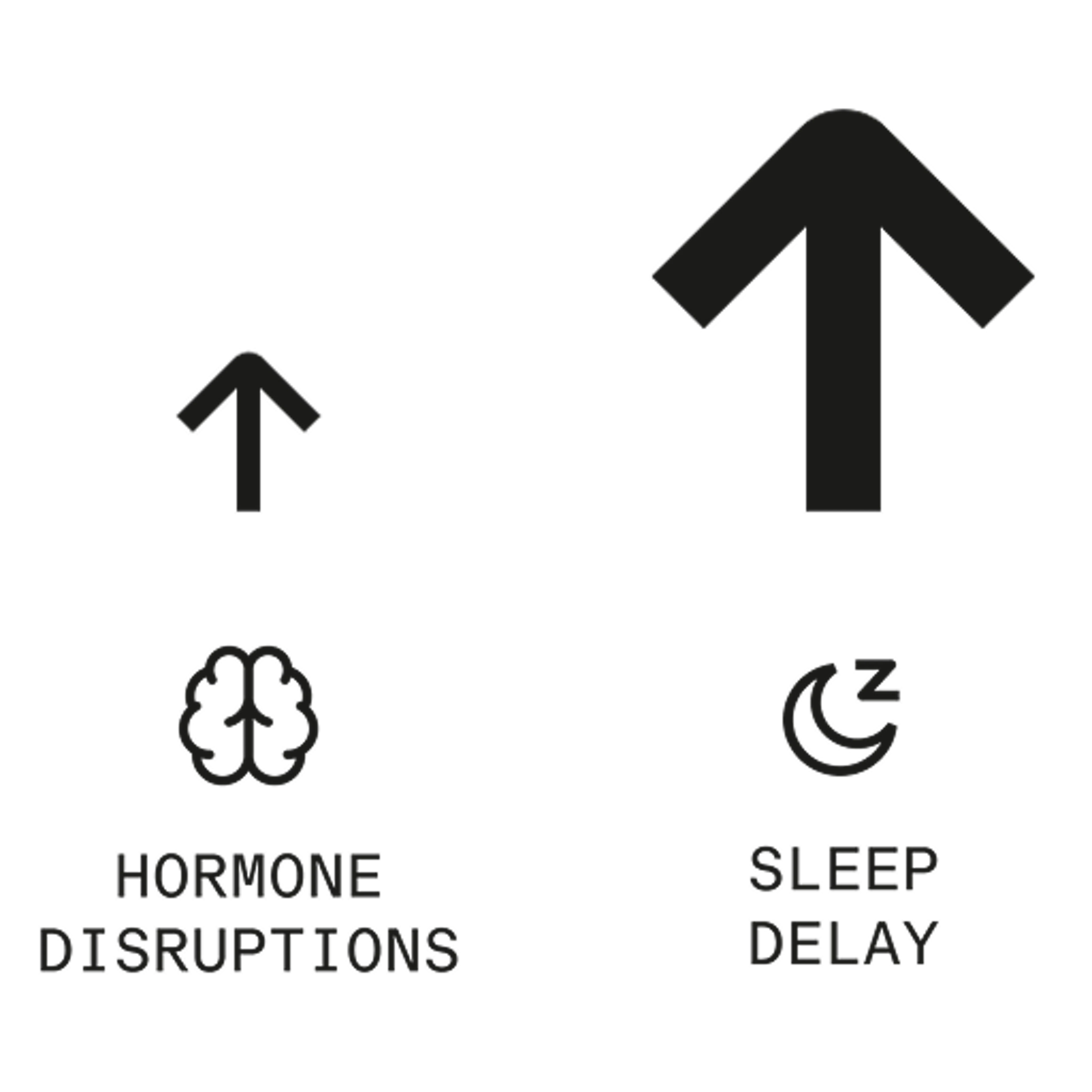
As these hormones shift, falling and staying asleep can get harder.³

Anxiety, low mood, and racing thoughts can keep you wired long after you're ready for bed.
Women are about 1.5 times more likely than men to experience insomnia. 2
As these hormones shift, falling and staying asleep can get harder.³
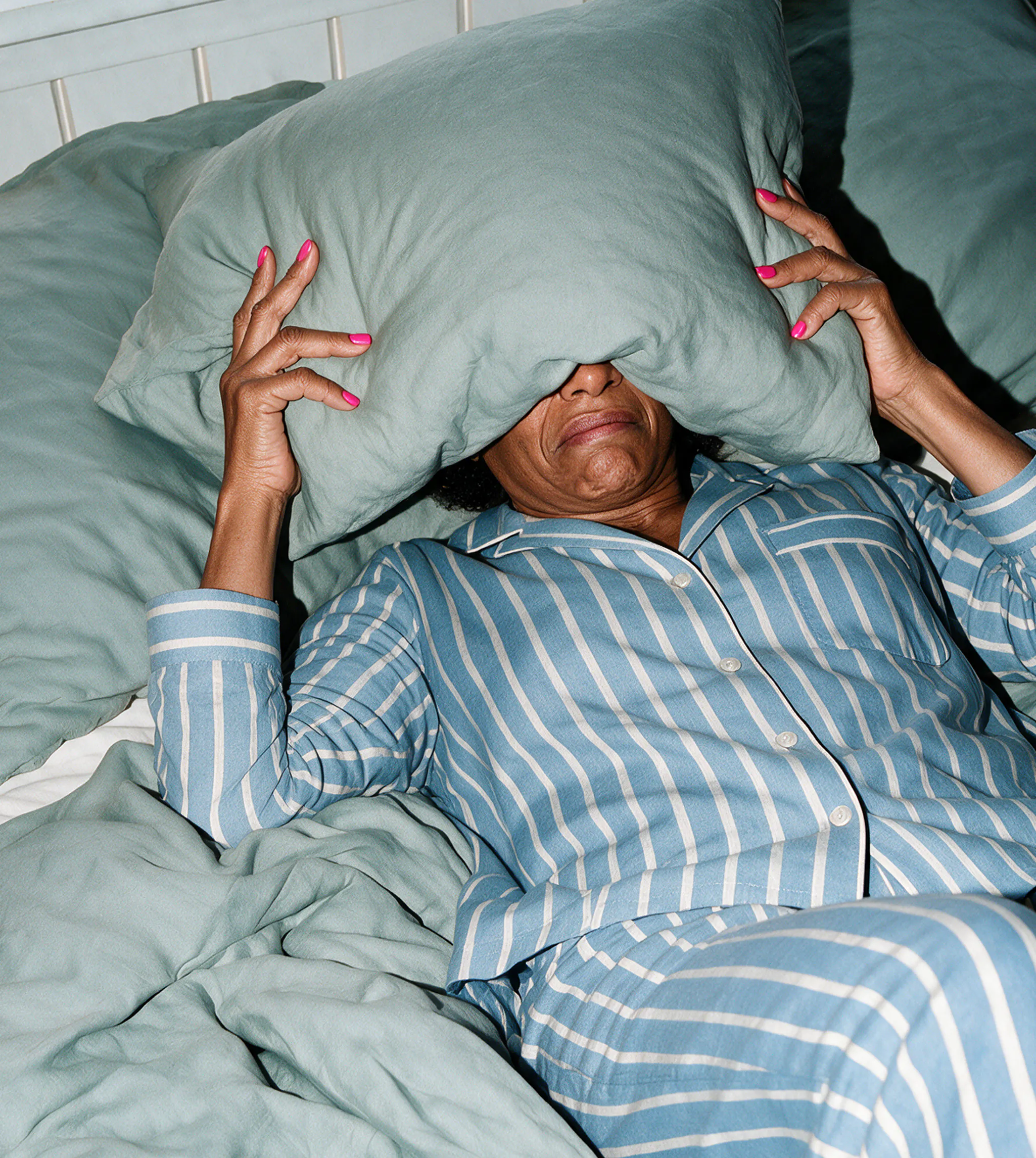
Anxiety, low mood, and racing thoughts can keep you wired long after you're ready for bed.
Midi clinicians support you from every angle. They start by listening — then draw on the options below to build the right plan for you.

1Labs & testing
1Labs & testing
Your clinician may recommend lab testing or further evaluation for conditions such as sleep apnea, thyroid dysfunction, anemia, or restless legs.

2Lifestyle coaching & support
2Lifestyle coaching & support
Practical guidance on sleep hygiene, exercise, stress, caffeine and alcohol, and your sleep environment. Your Care Plan may also include mindfulness or a referral for cognitive behavioral therapy for insomnia.
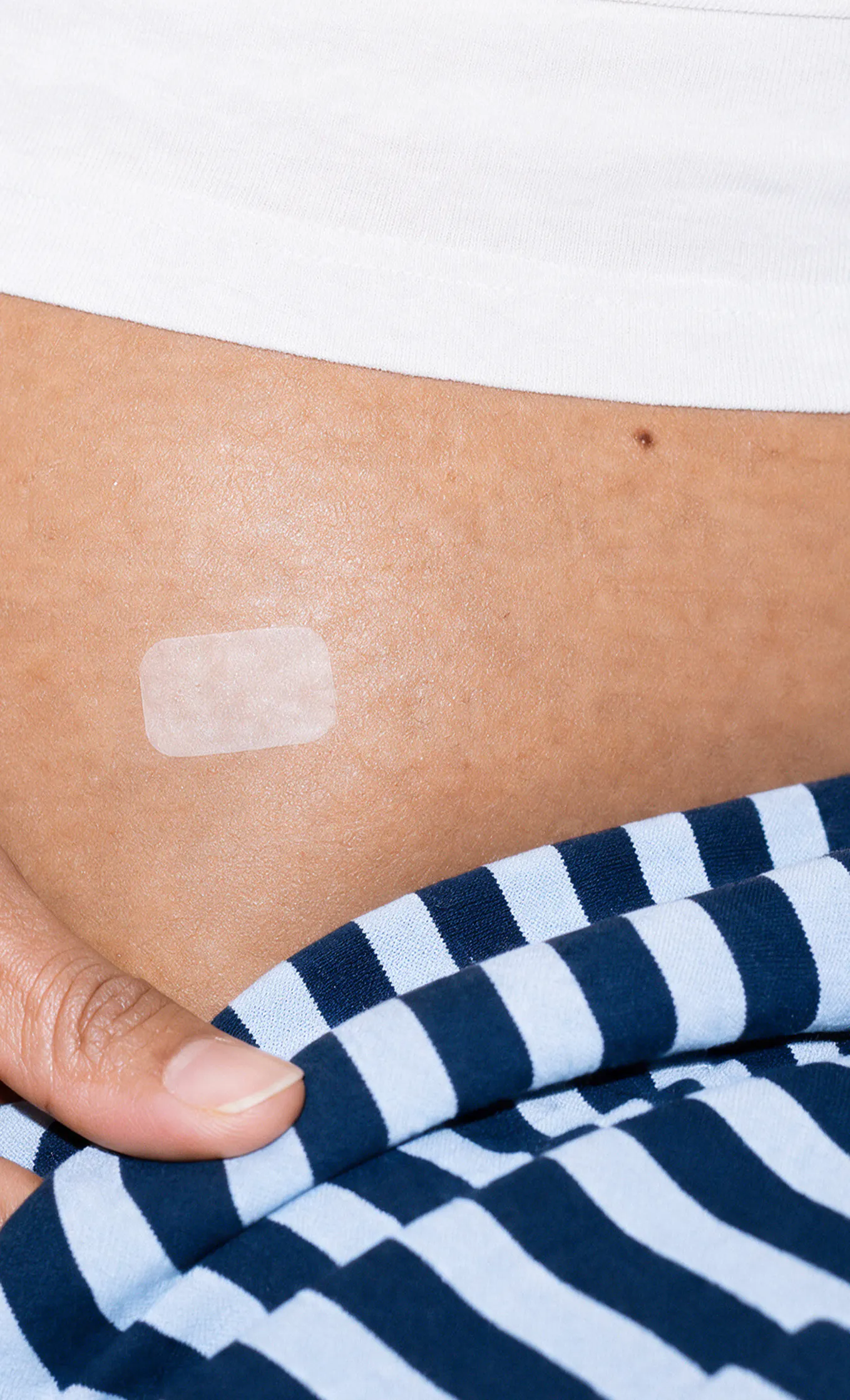
3Hormone prescriptions
3Hormone prescriptions
Hormone replacement therapy may improve sleep when hormone changes, hot flashes, or night sweats are contributing.⁴ Available as patches, pills, creams, sprays, and gels.
More to explore:
What is HRT?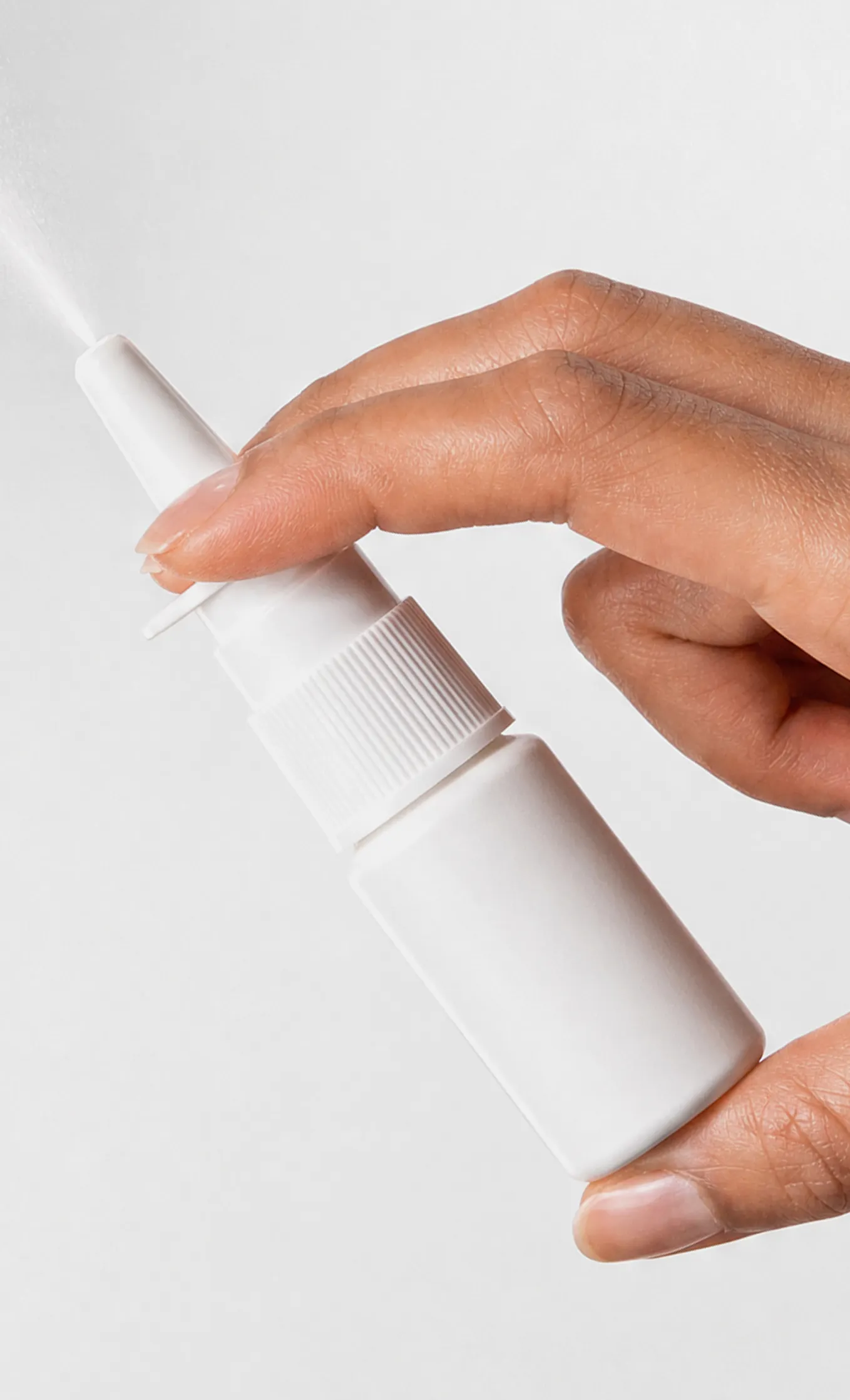
4Non-hormone prescriptions
4Non-hormone prescriptions
Options may include Doxepin (Silenor or generic) or Ramelteon (Rozerem) for certain sleep concerns. Traditional sleeping pills are generally considered a last resort.
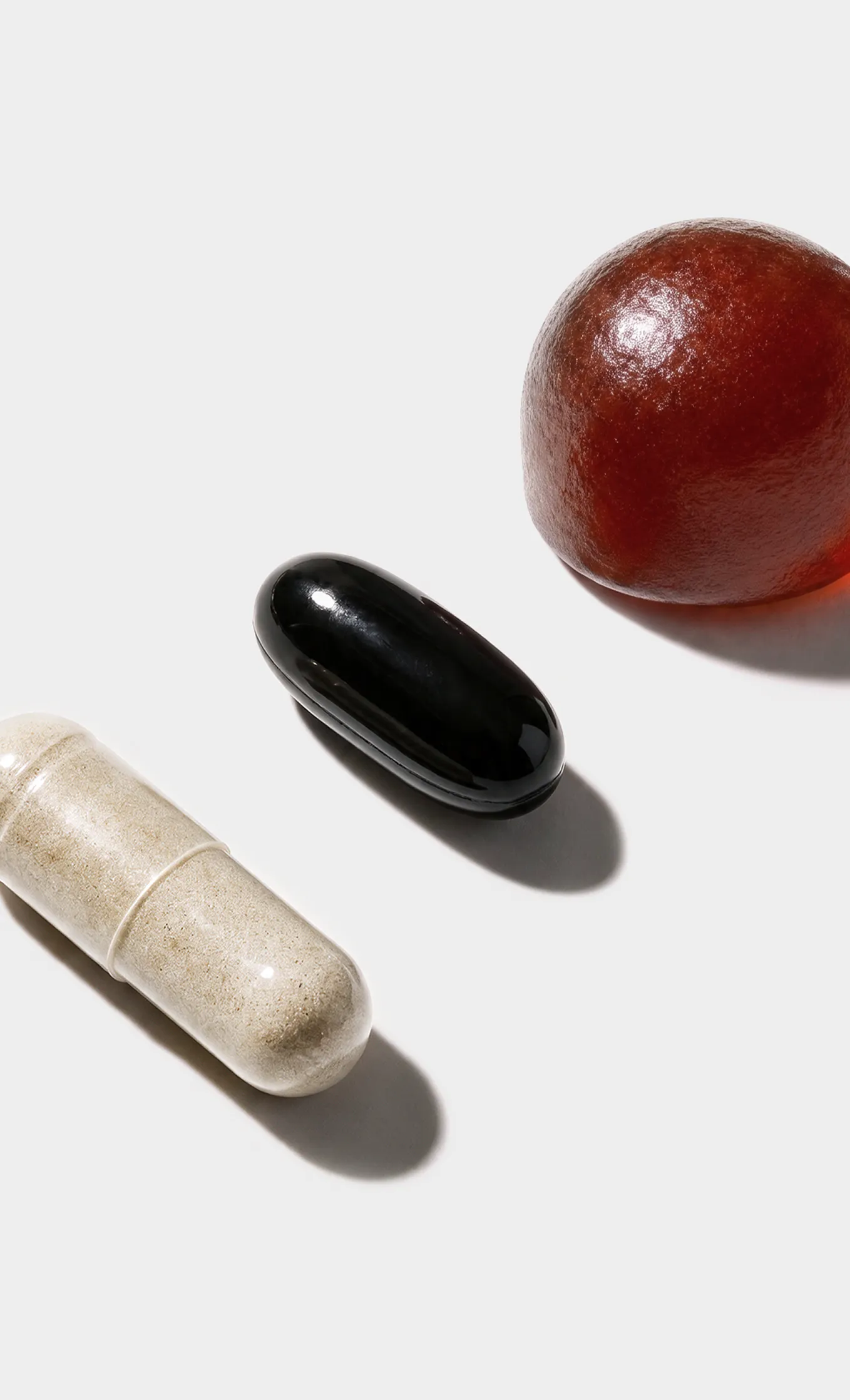
5Supplement integration
5Supplement integration
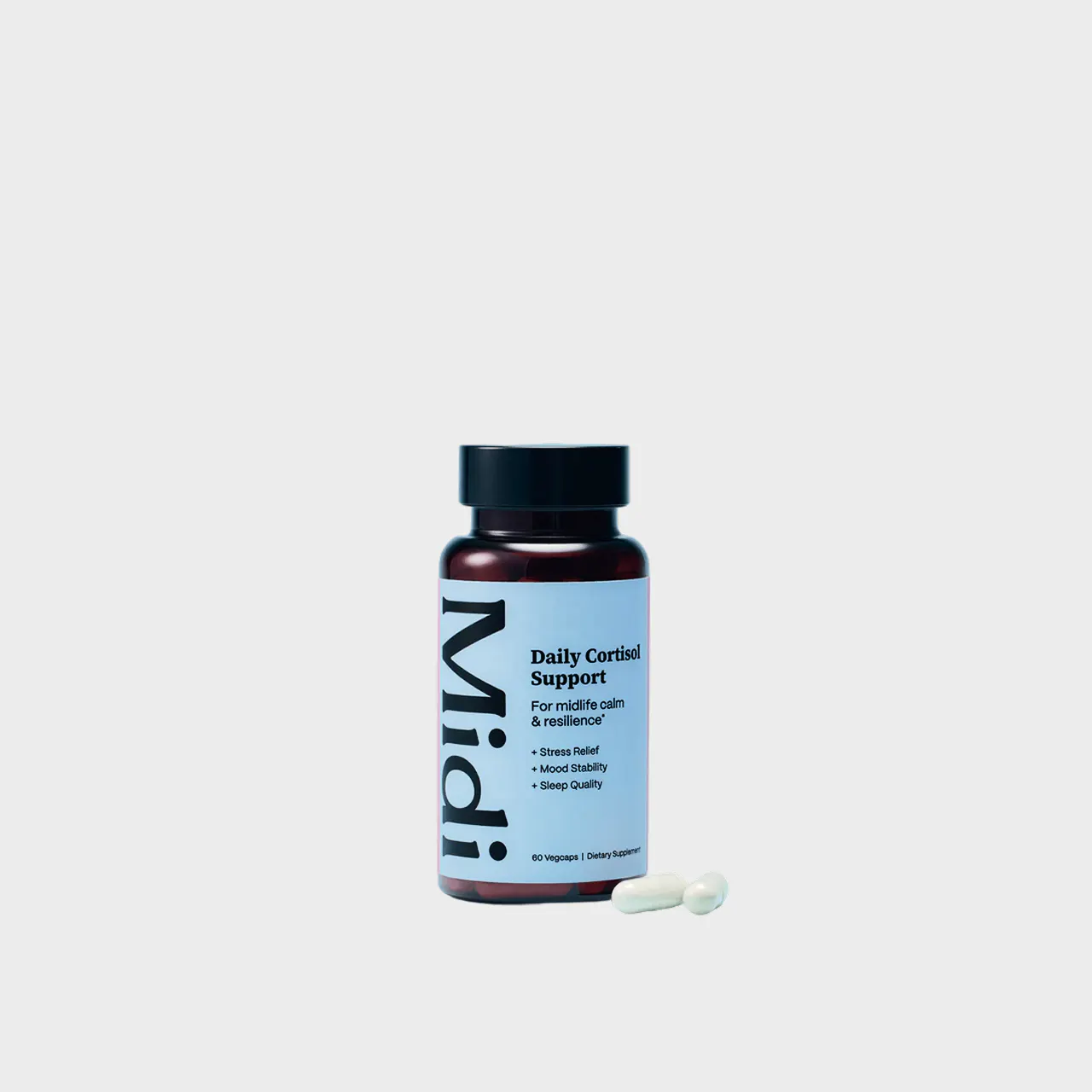
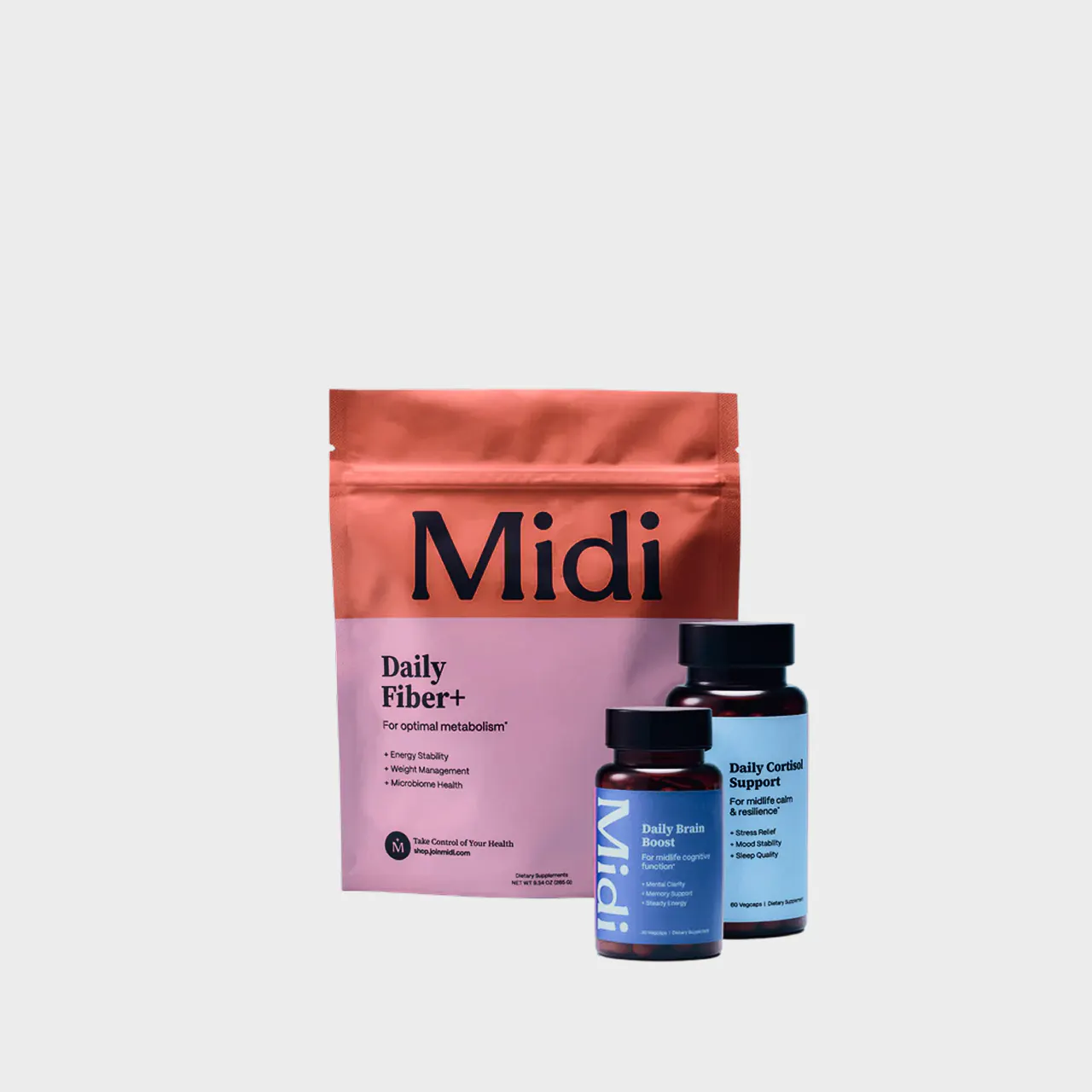
Depending on your symptoms, health history, and current medications, your Midi clinician may discuss options such as Daily Cortisol Support, glycine, or other botanicals.
More to explore:
Shop Midi products
My sleep has gotten better, my hot flashes have decreased, and my overall energy has improved.

Within just a few days, my sleep improved dramatically.

I don’t think I fully understood how much broken sleep was affecting everything until it started to improve.

Better sleep led to less brain fog, more energy, and a happier version of myself.





Clinically informed. Research-backed.
Shop all Midi products
Menopause insomnia: causes, symptoms, and treatments
Sept 2, 2025
Why hormone shifts, night sweats, anxiety, and other factors can interrupt sleep — and what may help.
Is it bad to take melatonin every night?
Feb 13, 2026
What to know when melatonin stops helping, causes morning grogginess, or becomes a nightly habit.

Menopause sleep problems: natural remedies that work
Feb 20, 2026
A closer look at sleep habits, mind-body strategies, supplements, and other non-prescription approaches.
1. National Center for Health Statistics. Short Sleep Duration and Sleep Difficulties Among Adults: United States, 2024. https://www.cdc.gov/nchs/products/databriefs/db559.htm
2. Zeng LN, et al. Gender Difference in the Prevalence of Insomnia: A Meta-Analysis of Observational Studies. Frontiers in Psychiatry. 2020. https://pmc.ncbi.nlm.nih.gov/articles/PMC7714764/
3. Brown AMC, Gervais NJ. Role of Ovarian Hormones in the Modulation of Sleep in Females Across the Adult Lifespan. Endocrinology. 2020.
4. Cintron D, Lahr BD, Bailey KR, et al. "Effects of oral versus transdermal menopausal hormone treatments on self-reported sleep domains and their association with vasomotor symptoms in recently menopausal women enrolled in the Kronos Early Estrogen Prevention Study (KEEPS)." Menopause. 2018 Feb;25(2):145-153. doi: 10.1097/GME.0000000000000971 https://pubmed.ncbi.nlm.nih.gov/28832429/
*These real patients became Midi Ambassadors and may receive free products and/or swag. Individual results may vary.
Midi accepts most major health plans. Book a virtual visit so you can finally get some rest.