

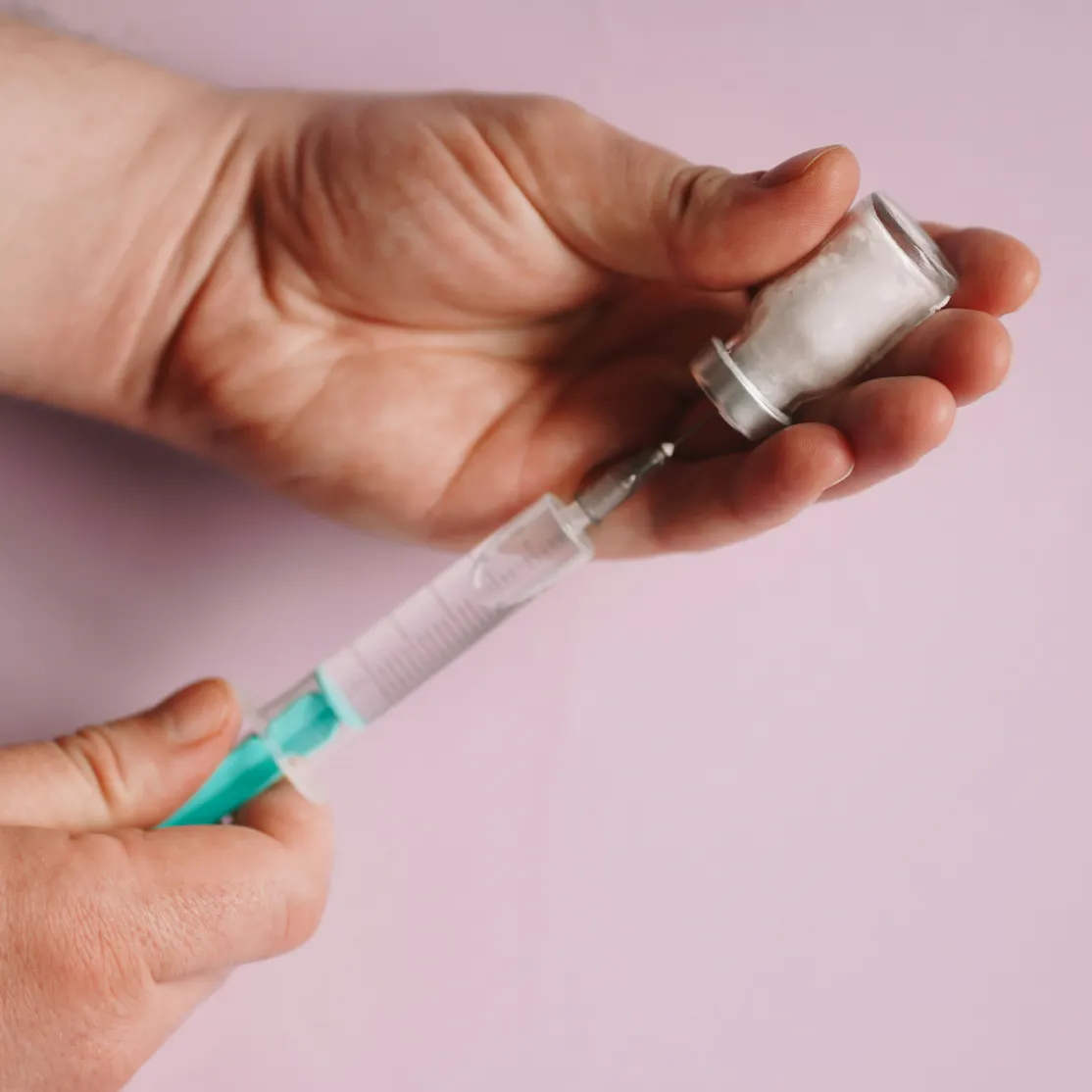
As the available assortment of weight loss injections continues to expand, you may wonder: What is the best injection for weight loss? The truth is there’s no one right answer. When considering which of these medications might be right for you, some factors to consider include your own individual health history and personal goals. Learning about the different weight loss injections, in addition to having an open discussion with your clinician, can help you understand whether you qualify for these medications and, if so, which one may be the best for you.
These days, there’s so much conversation swirling around surrounding weight loss injections. Depending on your own interest and health history, you may be wondering if these medications are right for you, and if so, which weight loss injection is best.
Weight loss injections are powerful, FDA-approved medications designed to work alongside diet and exercise. They’re designed to reduce weight in order to decrease the health risks associated with weight-related medical issues.
If you’re considering weight loss injections, there’s a lot to consider. We’re here to lay out a no-BS guide to these medications, including setting realistic expectations, knowing how to ease side effects as much as possible, and learning how weight loss injections can support a comprehensive menopause plan.
- Weight Loss Injections 101: What They Are and Who They’re For
- Best Weight Loss Medication Options: The Main Injection Types
- Expected Results: How Much Weight Loss Can You Expect and How Fast?
- Who Should Avoid or Use Extra Caution With a Weight Loss Shot
- Working with a Healthcare Provider: How to Choose the Best Weight Loss Shot for You
What Is the Best Injection for Weight Loss? The Quick, Clinician-Led Answer
The “best” weight loss injection is the one that you can tolerate, take safely, and stay consistent with long enough to benefit from.
A clinician (like one at Midi Health) can help you find the weight loss medication that’s right for you. They’ll consider several factors, such as your BMI, health conditions, side effects, and contraindications, as well as access, insurance coverage, and cost.
These medications are designed to be paired with healthy nutrition and exercise. Incorporating those healthful habits, along with others that can affect weight (such as sleep and stress management), is your best ticket to success. This includes not only weight loss but also better energy and function, as well as improvements on labs, such as cholesterol and blood pressure numbers—all of which contribute to overall head-to-toe health.

Weight Loss Injections 101: What They Are and Who They’re For
Prescription weight loss injections are FDA-approved medications that treat obesity. There are several good options right now:
- semaglutide (Wegovy), a GLP-1 receptor agonist medication
- tirzepatide (Zepbound), a GLP-1/GIP medication
- liraglutide (Saxenda), a GLP-1 medication
Several oral medications are also approved by the FDA for weight loss, including:
- semaglutide (oral Wegovy)
- orforglipron (Foundayo)
- phentermine (Suprenza)
- naltrexone-bupropion (Contrave)
- orlistat (Xenical/Alli)
These are FDA-approved for adults who have a BMI of 30 or higher or a BMI of 27 along with a weight-related condition such as type 2 diabetes, hypertension, high cholesterol, obstructive sleep apnea, cardiovascular disease, or MASH (metabolic dysfunction-associated steatohepatitis, previously dubbed “fatty liver”).
Although these medications have skyrocketed in popularity, they're not for everyone—these are medical treatments, not cosmetic quick fixes. A person’s medical history, pregnancy plans, intolerance to these medications, or lack of health need can disqualify them. If that happens to you, an empathetic clinician will hear your weight concerns and work with you to find alternative treatments.

Best Weight Loss Medication Options: The Main Injection Types
The two main weight loss injection types are GLP-1 medications and dual-acting GLP-1/GIP medications.
GLP-1 medications (semaglutide or liraglutide) mimic the GLP-1 hormone that your body naturally produces. When you eat, your body releases GLP-1, and this hormone helps tell your hunger to turn off. Specifically, it works in a few ways:
- helps lower blood sugar
- inhibits glucagon release (also to manage blood sugar)
- slows “gastric emptying,” or the rate at which food moves out of your stomach and into your intestines
- acts on brain centers to suppress appetite and increase satiety
Semaglutide is a once-per-week injection, while liraglutide is a daily injection.
On the other hand, GLP-1/GIP tirzepatide differs because it is a dual medication. The addition of GIP (a hormone involved in blood sugar control and appetite regulation) enhances weight loss results. It:
- helps regulate glucose levels
- improves fat metabolism
- supports metabolic flexibility (the body’s ability to switch between burning sugar and fat for energy)
Tirzepatide is a once-per-week injection.
When considering which medication to prescribe, clinicians consider your goals, medication effectiveness and side effect profile, your personal and family medical history, your ability to adhere to the medication schedule, and cost and insurance coverage.
True Stories Of Transformation
How Weight Loss Drugs Work: Appetite, Fullness, and Metabolic Effects
Weight loss medications help you eat less so that you consume fewer calories. If you’ve tried to do that before on your own, you know that your body may have convinced your brain to do otherwise. Suddenly, you can’t stop thinking about your cravings, and this preoccupation with food—aka food noise—can be a real barrier to healthy eating. GLP-1s may help you take back control by acting on the appetite centers of your brain, so you can approach food with a more clear-headed mind.
In addition, food will move more slowly through your digestive system, so you also tend to feel fuller sooner and stay fuller longer. If you’re at risk of diabetes, the glucose control properties of weight loss injections also enhance your body’s metabolic health.
Any clinician will tell you that results aren’t guaranteed. Your body’s biology, the dose you’re taking, and the behavior and lifestyle changes you make will affect how much weight you lose in the short- and long-term.
Expected Results: How Much Weight Loss Can You Expect and How Fast?
Weight loss builds over time. A study in JAMA Internal Medicine looked at the body weight loss (measured in percent of body weight) between semaglutide and tirzepatide at 3, 6, and 12 months. Semaglutide resulted in:
- 3.6% weight loss at 3 months
- 5.8% weight loss at 6 months
- 8.3% weight loss at 12 months
Meanwhile, tirzepatide showed:
- 5.9% weight loss at 3 months
- 10.1% weight loss at 6 months
- 15.3% weight loss at 12 months
Soon after starting a weight loss injection, you should notice changes to your hunger, cravings, and food preoccupations. As with any weight loss, it won’t be a smooth trend downward. There may be frustrating plateaus. That’s where having a relationship with a clinician (like a Midi clinician) is key—they can consider increasing the dose, review your diet and exercise history, and help you manage side effects that may be affecting your success.
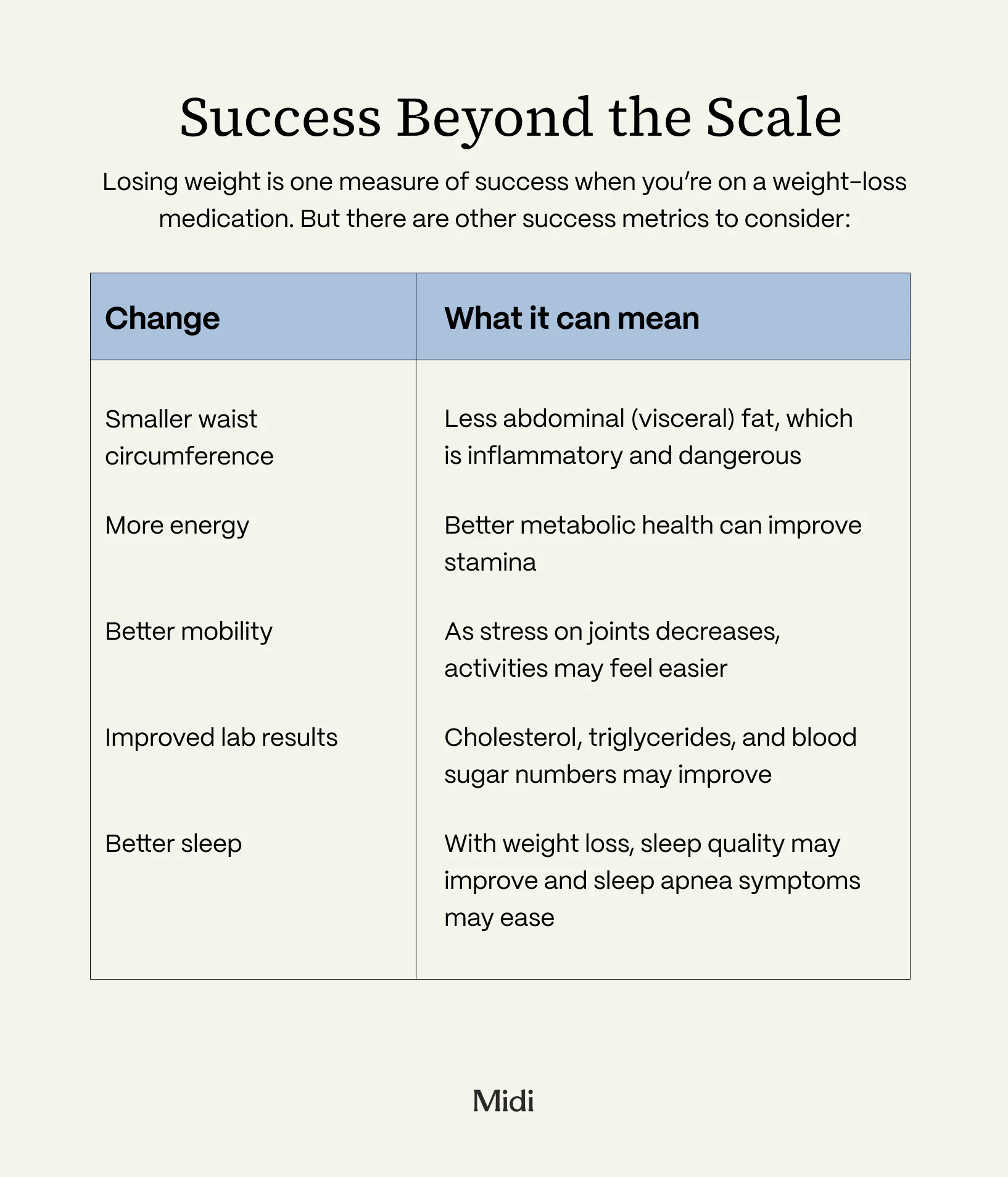
Success is counted in many ways. Pay attention to:
- weight loss
- decrease in waist circumference (which indicates a loss of abdominal fat)
- more energy
- better body mobility, such as an easier time playing with your kids or less pain with exercise
- improved lab results, like better cholesterol numbers
One thing to keep in mind when starting a weight loss medication: If you stop, weight gain is common. On average, people regain about 1 pound per week, and cardiometabolic markers (A1c, blood pressure, cholesterol, triglycerides) return to their original levels within 1.4 years. The lesson, say researchers: Having a comprehensive weight loss approach—one that addresses lifestyle habits, mindset, and more—is needed for long-term loss.
Midlife Weight Loss Considerations: Perimenopause, Menopause, and Muscle
If you’re in midlife, you’re no doubt clocking that your body is a-changing. Hormonal shifts at this time affect your sleep (hey, insomnia and night sweats), mood (I see ya, irritability that only a handful of sour candies can fix—or is that just me?), appetite signals, and muscle loss that starts in your 30s. That’s why weight gain and a changing body shape with more midsection fat are such common symptoms in menopause and perimenopause.
Weight loss injections address some of these, but they really shine for some women in midlife by reducing the noise that keeps them stuck in unhelpful food patterns. By clearing the way for you to take care of yourself with balanced, healthy, nutritious eating and regular movement and exercise, results become more than just losing weight.
Side Effects and Safety: What’s Common vs. What’s Concerning
Side effects from weight loss injections can be a concern. That includes:
- nausea and vomiting
- diarrhea or constipation
- indigestion
- problems with mood regulation
- pancreatitis
- gallbladder disorder
Gastrointestinal (GI) issues are the most common side effects. To feel your best on these medications, you can take some practical steps:
- Eat smaller meals.
- Make sure you’re getting enough protein to maintain muscle mass during weight loss.
- Eat adequate fiber to improve digestion and regularity.
- Hydrate throughout the day.
- Prioritize nutrient-dense foods, since your appetite will be lower.
Being monitored by a clinician throughout treatment should be a priority. This way, dosage and eating adjustments can be made as needed.
Although side effects are well-known, if you experience severe or persistent symptoms, talk with your clinician; don’t try to power through discomfort.
Who Should Avoid or Use Extra Caution With a Weight Loss Shot
Recognize yourself in one of the scenarios below? You may not qualify for a weight loss injection. Talk with your clinician if:
- You’re pregnant or breastfeeding—we don’t have the data to show that the medications are safe in this situation.
- You have a history of suicidal attempts or current suicidal ideation.
- You’re taking another weight loss medication (don’t double up).
- You have a personal or family history of medullary thyroid cancer or MEN 2 syndrome, a history of pancreas or kidney disease, or difficulty digesting food.
Diagnosis and Testing: What to Check Before Starting Injections
Your clinician should talk to you about your “why”—meaning, the reasons you’re interested in weight loss meds, your weight history, and your current sleep schedule and the amount of stress in your life.
At your visit, you should have baseline measures taken, including your weight, your waistline, your blood pressure, possible lab work, and symptom inventory. Labs may include A1c, lipids, liver enzymes, and kidney function.
Your clinician may want to do other testing to rule out other drivers of weight gain, such as thyroid issues. And it’s best to have a current list of your medications and supplements on hand—since injectable weight loss medications impact digestion, they may affect how your body absorbs the other things you’re taking.
Treatment Options: A Complete Plan Around Weight Loss Injections
For the best results that help you hit your weight loss and health goals, create a comprehensive plan that covers:
- Nutrition goals: This includes protein and fiber targets, maximizing nutrition from the foods you eat, and limiting foods (like fast food) that don’t offer much nutrition.
- Exercise goals: Have a plan that features strength training to help preserve muscle mass as you lose weight. Also stay active with non-exercise movement that increases NEAT (non-exercise activity thermogenesis, otherwise known as calories burned outside of exercise), such as walking more, cleaning, or gardening.
- Sleep plan: Prioritize deep and restful sleep, which is considered the basis for healthy weight loss.
- Overall strategy: Talk about the long term, such as planning for plateaus, reducing or going off of the medication, and preventing regain.
Access, Cost, and Prescriptions: Getting the Best Weight Loss Medication Safely
Sometimes, your insurance plan dictates your medication choice. Understanding your benefits and what’s covered can help guide you. During treatment, you may need to switch medications, perhaps because of changing coverage or side effects. Changing medication or dosage should always be done under the guidance of your clinician.
Cost can also be a barrier for many people, so discuss this with your clinician and see if there are any options available to you.

Working with a Healthcare Provider: How to Choose the Best Weight Loss Shot for You
Luckily, you’re not expected to have all the answers, guide yourself through treatment, or make decisions on dosage. That’s where your partnership with a clinician comes in. Here’s a good outline for how to prepare for the initial conversation:
- Get clear about your goal: Are you targeting specific health markers? Is food noise significant? What is a healthy weight loss goal for you?
- Discuss your health: Talk about medications and supplements you’re taking, side effects that you’re worried about, mental health concerns, and family history, especially medullary thyroid cancer.
- Ask about “onboarding”: How can you prepare for side effects? How will dosage be adjusted?
- Consider the many forms of success: Talk about goals besides weight loss and how to use those goals to measure your progress.
- Plan for follow-up: When is your next visit to discuss how you’re feeling on these medications? When should you call if you feel not-so-great (or terrible)?
When to Seek Care (Red Flags)
When starting on a new treatment, it's important to ask your healthcare professional about any warning signs that dictate an urgent clinician call or even a trip to the emergency room. Your clinician can provide the best answers here, but in general, seek medical care right away if you have:
- severe abdominal pain, repeated vomiting, signs of dehydration, or fainting
- symptoms of an allergic reaction, especially anaphylaxis, such as trouble breathing
- persistent inability to eat enough, extreme fatigue, or severe constipation that’s not resolved with diet and over-the-counter or prescription remedies
- worsening mood symptoms
- disordered eating behaviors or eating disorder symptoms
- any sudden, severe, and concerning symptom that is unfamiliar to you
Key Takeaways
- There are three weight loss injections available: semaglutide, liraglutide, and tirzepatide.
- These work by improving blood sugar control, slowing digestion to promote satiety, and dampening appetite centers in the brain.
- The “best” one differs for each individual, depending on weight loss goals, health concerns, side effects, access, cost, and coverage.
- You’ll need a thorough clinician evaluation, covering your current goals, health conditions, and lifestyle habits before determining if one of these medications are right for you.
- Ongoing monitoring for responsible dose adjustment, side effect management, and long-term planning is important for success.
Frequently Asked Questions (FAQs)
What is the most effective weight loss injection?
Tirzepatide has been found to be the most effective for weight loss, resulting in about a 15% reduction in body weight after 1 year.
Which is safer, Wegovy or Mounjaro?
Wegovy is the brand name of the weight loss medication semaglutide, while Mounjaro is the brand name of the antidiabetes medication tirzepatide. Zepbound is the form of tirzepatide that’s FDA-approved for weight loss. Both of these medications have similar safety profiles, but they work in slightly different ways.
Is the Wegovy pill cheaper than the injection?
The price for you will depend on various factors, including insurance benefits. The Wegovy website currently says that the self-pay option is $149 for the 1.5-milligram dose of oral Wegovy, and $199 for a self-pay option for the pen (injection), though the price of the injection jumps to $349 per month after the first 2 months.
What is the strongest shot to lose weight?
Tirzepatide is a medication that shows the greatest amount of weight loss compared with liraglutide and semaglutide, but the best option for you should be discussed with your clinician.
Are weight loss injections safe?
FDA-approved weight loss injectable medications have been shown to be safe—but this applies only to medications that come from accredited pharmacies. In addition, your health status and history factor into your personal risk with these medications.
If you’re in perimenopause or menopause and want guidance from clinicians who specialize in women’s midlife health, book a virtual visit with Midi today.
Hormonal change is at the root of dozens of symptoms women experience in the years before and after their period stops.
Our trained menopause specialists can help you connect the dots to guide you towards safe, effective solutions.
Whether you need personalized guidance or a prescription routine to tackle symptoms—including brain fog, hot flashes, sleep trouble, mood swings, and weight gain—we’ve got you covered. Learn more here.
Midi’s mission is to revolutionize healthcare for women at midlife, wherever they live and whatever their health story. We believe that starts with education, to help all of us understand our always-changing bodies and health needs. Our core values guide everything we do, including standards that ensure the quality and trustworthiness of our content and editorial processes. We’re committed to providing information that is up-to-date, accurate, and relies on evidence-based research and peer-reviewed journals. For more details on our editorial process, see here.