
 Rebecca Yee, MD
GLP-1s like Zepbound can be game changers when it comes to losing weight during midlife, but sometimes, their price point can make you think twice. That may lead you to searching for a generic version of the medication, as generics are often less expensive and use the same active ingredient as brand-name drugs. While a Zepbound generic isn’t available yet, that definitely doesn’t mean that weight loss medications altogether are out of reach. Keep reading to learn more about your options, and talk with a healthcare professional, such as a Midi Health clinician, to figure out the best weight Care Plan for you.
It’s no secret that GLP-1 drugs, while incredibly effective, can also be expensive, depending on your prescription drug insurance plan. So having access to a Zepbound generic may be ideal for anyone with a weight loss goal. But an FDA-approved generic version of Zepbound likely won’t be available until the late 2030s or early 2040s, due to patents and exclusivity rights.
The generic version would have the same active ingredients as the brand-name Zepbound, but would typically be offered at a much cheaper price. But of course, waiting another 10 to 15 years (or more) for a generic isn’t an option if you want to address midlife weight changes now. (There’s a chance it could happen sooner, but this is how it’s looking at the moment.)
Still, there are currently available paths to weight loss that minimize costs, like looking at health savings plans, leaning into insurance coverage care solutions, and considering other approved, alternative weight loss medications. We’re covering it all below, as well as advice on how to bring this up to a clinician—like one at Midi.
Is There a Generic for Zepbound Right Now?
As of now, there is no “generic” version of Zepbound available. Zepbound is protected by patents and regulatory exclusivity held by its manufacturer, Eli Lilly. A generic can’t be made until those patents expire (which, again, likely won’t happen for more than a decade).
You might have seen online sellers that are advertising generic Zepbound, for prices that seem surprisingly low. These are typically products that don't meet the true definition of a generic. In the U.S., a generic medication is an FDA-approved drug that’s created to be the same as an existing brand-name drug. A generic will have the same active ingredient (in this case, that’s tirzepatide). And it will be the same in dosage, strength, safety, intended use, and effects. One of the biggest differences is that a generic will typically cost less than the brand-name version, but it can vary.
What Is the Generic Name for Zepbound?
Zepbound is a brand name for a drug that contains tirzepatide as the active ingredient. There is no official Zepbound generic yet, as the brand is still under patent.
Sometimes people will use “Zepbound” and “tirzepatide” interchangeably, but this isn’t exactly correct. To break it down:
- Zepbound is the brand name of the drug, and tirzepatide is the active-ingredient name.
- A brand-name drug (like Zepbound) is the branded and patented version of a medication that is sold.
- Tirzepatide isn’t only found in Zepbound. It’s also the active ingredient in Mounjaro, another Eli Lilly drug, which is approved to improve blood sugar and reduce cardiovascular risk in adults with type 2 diabetes.
- A generic version of these drugs is not yet available. When it is available, it will need to contain the same active ingredient (tirzepatide) in the same dose, stability, and form as Zepbound or Mounjaro.
Yes, it’s confusing, but understanding the difference between brand name, generic, and active ingredients can be helpful info when speaking with a healthcare professional and understanding your prescriptions.
True Stories Of Transformation
When Will Zepbound Go Generic?
While we don’t know exactly when an FDA-approved generic for Zepbound will be available, it probably won’t be until sometime after 2036 when the patent expires. True generics typically can’t launch until key patents and exclusivity rights expire, and the patent protecting tirzepatide is set to expire in January 2036. No other company can make or sell a generic version in the U.S. until the patent expires.
Here’s the catch: Eli Lilly also holds patents for various formulations and administration methods (such as the injection pen) that can extend until around 2041, so even after the tirzepatide patent expires, things aren’t necessarily in the clear. Any company making a generic will still need to make and test another version of the medication. They’ll also need to get it approved by the FDA, which requires many steps and regulatory factors, and clinical trials and testing may also be necessary. Then there’s the possibility of patent challenges and settlements that can also delay the process.
In reality, we likely won’t see a Zepbound generic for another 10 years or more. But that doesn’t mean there aren’t other treatment plans available to help you address your weight goals.
How Much Does Zepbound Cost Without a Generic?
The official list price of Zepbound is currently $499 to $1,086.37 per fill, according to Eli Lilly.
Insurance is available for Zepbound in some cases and can bring the out-of-pocket costs down significantly. But insurance coverage varies widely, is dependent upon your plan and health history, and may require prior authorization.
However, manufacturer savings programs and direct-purchase options could help lower the price. Some examples of what pricing could look like include:
- Zepbound Savings Card: You may be eligible to pay as little as $25 for a 1- or 3-month supply of single-dose injection pens if you have commercial drug insurance with coverage for Zepbound.
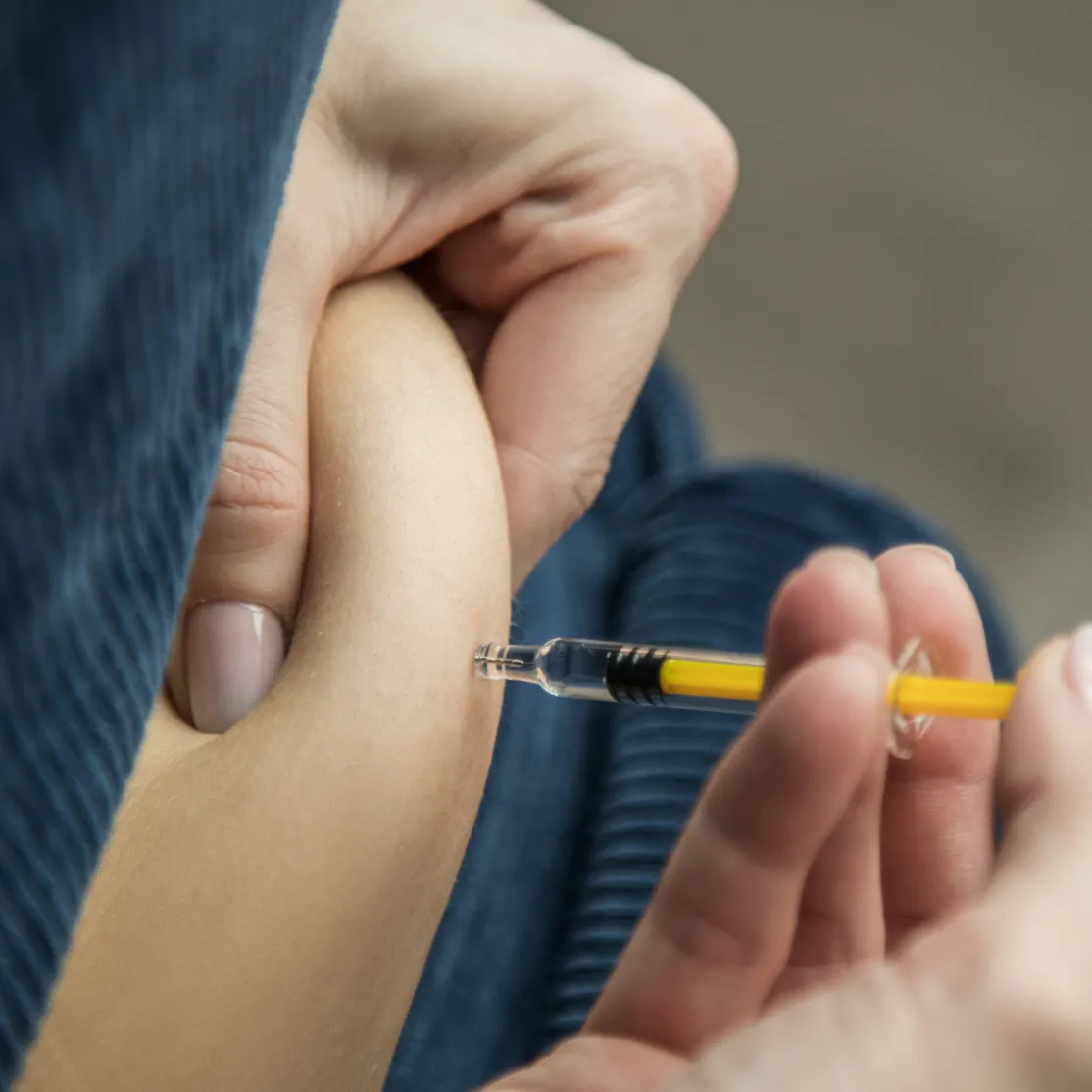
- Zepbound KwikPen: If you don’t have insurance coverage, the Zepbound KwikPen (a pre-filled, multi-dose injection pen that contains four fixed doses) is another option. It’s available starting at $299, with price going up as your dose increases.
- Medicare: Pricing depends on your clinical eligibility and coverage options, but for example, Medicare Part D patients might be eligible to get Zepbound for as low as $50 per month.
It’s always a good idea to speak with a clinician or pharmacist about various options and which may be the best for you and your coverage.

Lower-Cost and Alternative Options to Consider
Generally, the most affordable way for individuals to pay for Zepbound is via insurance coverage, but sometimes it isn’t covered by an insurance company. You’ll typically have to meet specific criteria, like having a certain BMI or weight-related health condition. Here are a few ways to try to lower the cost of Zepbound:
Consider an insurance appeal
If you believe your weight is negatively affecting other aspects of your health, talk to your clinician about an insurance prior authorization process that might get you coverage. For example, Zepbound is FDA approved in certain cases for sleep apnea, high blood pressure, high cholesterol, and others, so if there is a condition you suffer from, then you may be able to get coverage.
Look for manufacturer savings
The Zepbound Savings Card is available for adults ages 18 and older who have commercial insurance and have been prescribed Zepbound. It can be used to get Zepbound for as low as a $25 copay per month depending on your dose and your insurance coverage. Other programs start as low as $149 per month without insurance and with a manufacturer coupon. These programs have their own criteria and are often subject to change, so staying in touch with your pharmacy and clinician on ongoing options is recommended.
Ask your clinician about Zepbound alternatives
While there aren’t other weight loss medications with tirzepatide, some alternatives may be available to you at a lower cost. You can discuss these options with your clinician (each of them has side effects and contraindications to consider) and check your insurance coverage to see if any might work better for your budget. These include:
- Wegovy: This is a brand-name medication for semaglutide that’s approved for weight loss and available as either a weekly injection or as a daily pill that can start as low as $149 per month without insurance.
- Liraglutide: Liraglutide is an FDA-approved GLP-1 drug and is the generic of brand-name Saxenda, which is now off-patent with generic liraglutide available. While the brand named Saxenda can cost just as much as Zepbound (if not more), liraglutide may be available at a lower price point. But the generic is not covered by most insurances for weight; it’s typically used for type 2 diabetes.
- Foundayo: Another Eli Lilly drug, Foundayo is an FDA-approved GLP-1 pill that’s taken daily and may be more affordable. Without insurance coverage, it can start as low as $149 per month with manufacturing coupon programs and depending on your dose.
- Contrave: Contrave is a non-GLP-1 weight loss medication option that’s FDA-approved. It combines naltrexone and bupropion. Contrave seems to help reduce hunger and control cravings. With the CurAccess Patient Support Program, it can cost $99 or less a month, regardless of insurance coverage. While Contrave can help with weight loss, results are usually less than what’s seen with other GLP-1-containing medications like Zepbound, Wegovy, or Foundayo.
- Phenylephrine: This is a stimulant and was one of the most commonly used medications used to help with weight loss prior to GLP-1s becoming available. This medication is still covered and encouraged by some insurance companies. Weight loss results tend to be less dramatic than those seen with GLP-1 medications, but it can be an option for those needing smaller amounts of weight loss. It is classified as a controlled substance and is therefore subject to more regulations—meaning there are more hoops to go through and limitations on the prescriber and refills based on the individual state regulations for controlled substances.
- Nutrition and lifestyle weight management: Alone or even with medications, adjustments to diet and exercise will support health long-term weight management. Discussing programs, apps, or diet approaches with a clinician can help you get started.
Important to know: The best Zepbound alternative for you isn’t only dependent on price, but also your personal health history and weight loss goals. That’s why it’s essential to speak with a healthcare professional, such as a Midi clinician, when considering your options.

Why Women in Midlife May Be Looking for a Zepbound Generic
Affordable weight loss medication would be a boon for anyone, but it’s of particular interest to many midlife women, considering how hormones shift during this time. Not only does the decline in estrogen make weight gain extremely common, it can also slow metabolism and make it harder to shake off extra pounds. All of the changes mean that losing weight through diet and exercise alone becomes significantly harder, and can take longer.
A drug like Zepbound could be an asset for women who are going through perimenopause or menopause and who are struggling to shed pounds. And interestingly, one 2026 study found that postmenopausal women on hormone therapy and tirzepatide lost more weight than those taking tirzepatide alone.
That said, paying for tirzepatide, especially if it isn’t covered by insurance, can be tough or even impossible. Considering that midlife women may be managing multiple health issues at once, Zepbound may be even farther out of reach due to cost.
Having to juggle all of these factors is exactly why guidance from a menopause-informed clinician, like our specialists at Midi, can be so valuable. They can work with you on an individual basis to help you make a personalized decision based on your health goals and history.
Are Generic GLP-1s the Same as Compounded GLP-1s?
Compounded GLP-1 treatments are not the same as a generic GLP-1 treatment, as they come in different forms and dosages than the branded versions of the medications. Compounded GLP-1 treatments are available and can be legally prescribed if FDA-approved versions of the drug are not clinically an option.
How to Talk to a Clinician About Zepbound and Cost
Your clinician should be able to answer a lot of your questions about the cost of Zepbound and give you more individualized advice. Here are some topics you can bring up:
- insurance coverage—your clinician may be able to help you determine whether your insurance covers Zepbound or another weight loss medication
- potential savings programs they might recommend
- how to access Zepbound safely
- possible alternatives that could fit your needs
When it comes to taking a GLP-1 or other weight loss medications, having a clinician by your side is incredibly important. They can help with dosage changes to find the level that’s right for you, and keep an eye on how you’re feeling and how much weight you’re losing.
Midi’s trained clinicians are here to help women find the best solutions for their personal weight loss goals. If you're interested in learning more about how to meet your weight goals, consider booking a virtual visit with Midi.
Key Takeaways
- Zepbound is a medication that’s been FDA-approved to treat obesity and overweight in those with a weight-related medical issue, and some people with obstructive sleep apnea.
- There is currently no FDA-approved generic for Zepbound, due to patents and exclusivity rights.
- An FDA-approved generic for Zepbound likely won’t be available until the 2030s or 2040s. Tirzepatide is the active ingredient in Zepbound, but shouldn’t be confused as an official generic option.
- There are other ways to meet your weight loss goals if your insurance doesn’t cover Zepbound. For example, there are other GLP-1 drugs that you can consider with your clinician, as well as things like Zepbound savings cards that may help bring the price down.
Frequently Asked Questions (FAQs)
What is the cheapest way to get Zepbound?
The cheapest way to buy Zepbound right now is to purchase it through insurance coverage. However, insurance does not always offer Zepbound coverage, so lower-cost options include a Zepbound savings card or asking your clinician about other weight loss medications.
Is Zepbound the exact same as Mounjaro?
Zepbound and Mounjaro both use the same main active ingredient (tirzepatide) and are both manufactured under parent company Eli Lilly. But they’re not exactly the same; Zepbound is FDA-approved for weight loss, while Mounjaro is approved to improve blood sugar and reduce cardiovascular risk in adults with type 2 diabetes.
What are alternatives to Zepbound?
Some alternatives to Zepbound include other GLP-1s such as Wegovy (semaglutide), liraglutide, and Foundayo. A healthcare professional, such as a Midi clinician, can help you sort through all the available alternatives.
When will Zepbound go generic?
The main patent on tirzepatide is not set to expire until 2036, so at this point it seems that the generic can’t come out until at least after 2036. However, Eli Lilly owns other patents and exclusivity rights that could mean the generic won’t come out until after or around the early 2040s.
If you’re in perimenopause or menopause and want guidance from clinicians who specialize in women’s midlife health, book a virtual visit with Midi today.
Hormonal change is at the root of dozens of symptoms women experience in the years before and after their period stops.
Our trained menopause specialists can help you connect the dots to guide you towards safe, effective solutions.
Whether you need personalized guidance or a prescription routine to tackle symptoms—including brain fog, hot flashes, sleep trouble, mood swings, and weight gain—we’ve got you covered. Learn more here.
Midi’s mission is to revolutionize healthcare for women at midlife, wherever they live and whatever their health story. We believe that starts with education, to help all of us understand our always-changing bodies and health needs. Our core values guide everything we do, including standards that ensure the quality and trustworthiness of our content and editorial processes. We’re committed to providing information that is up-to-date, accurate, and relies on evidence-based research and peer-reviewed journals. For more details on our editorial process, see here.