 Amanda Alvelo-Malina, MD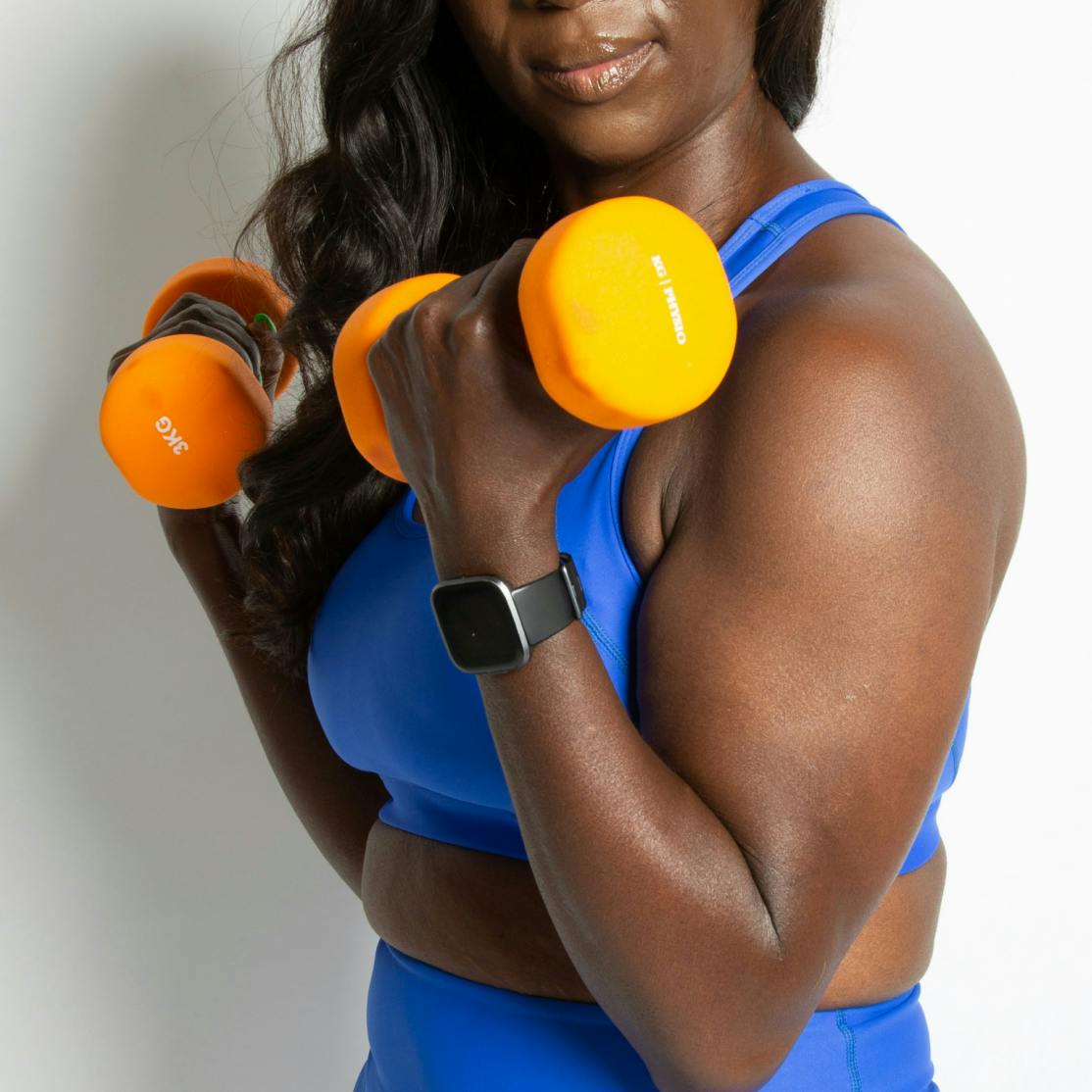
Our bones are critical to our health, but most of us don’t think about them unless we break one. But hormonal changes, nutritional gaps, and more conspire to weaken our bones as we age, putting us at increased risk of osteopenia (lower-than-normal bone density)—which is startlingly common in perimenopause and postmenopause.
Fortunately, it’s possible to slow the progression of osteopenia. Keep reading to learn what osteopenia is and how to distinguish osteopenia versus osteoporosis. Then check out Midi Health’s expert-vetted plan for women looking to build bone density and work toward reversing osteopenia. Our Bone Strong plan can help you strengthen your skeleton to keep living the life you want, without worrying about being sidelined by a fracture.
One of Kathryn Janicek’s core memories of her beloved grandmother—along with playing card games together and trying on her grandma’s silky nightgowns— is her posture.
“She was already hunched over in her 40s, to the point where she had difficulty moving her neck,” recalls Janicek, now age 49, founder of a Chicago-based communications firm. Her father also had bone-health issues: He broke his back in his 60s while swinging a golf club.
Still, when Janicek told her doctor about her “family history of brittle bones,” she was surprised when she was handed a prescription for a bone density scan, a screening to assess skeletal strength that’s typically done starting at age 65. At the time, Janicek was just 40 years old.
Janicek’s results shocked her: Even though she works out regularly, she had osteopenia, a condition characterized by lower-than-normal bone density.
Without treatment, osteopenia can progress to osteoporosis. But osteopenia can also be reversed.
“It’s not a foregone conclusion that osteopenia will progress to full osteoporosis or a lifetime of fractures,” says Kathleen Jordan, MD, Chief Medical Officer at Midi. “There are things you can do to improve your bone health.”
That knowledge was reassuring, says Janicek: “I realized I had control over my future.” Her physician devised a bone-strengthening plan that included plenty of weight-bearing exercise, nutritional tweaks, and a weighted vest. In 2 years, she had reversed her osteopenia.
Thanks to the well-researched link between estrogen levels and bone health, we know that women, especially in perimenopause and post-menopause, are disproportionately likely to experience osteopenia. Fortunately, osteopenia can be reversed via lifestyle strategies like bone-building exercise and dietary changes. In fact, osteopenia interventions like these can even prevent it from happening in the first place.
What Is Osteopenia?
Here’s some need-to-know info about this common condition:
- Osteopenia is lower-than-normal bone density: This is a measure of the amount of minerals, such as calcium and phosphorus, that reside in your bones. The higher your bone density, the less likely your bones are to fracture.
- Your bones are constantly undergoing renovations: Throughout your life, old or damaged bone is broken down by cells called osteoclasts and replaced with healthy new bone cells, called osteoblasts. In fact, most of an adult’s skeleton is slowly replaced about every decade.
- Estrogen is key to this growth process: It helps ensure that your osteoblasts remain more active than your osteoclasts. No surprise, then, that when it starts its roller-coaster ups and downs in perimenopause, that has an effect on bone health.
- Your bones contain estrogen receptors: During perimenopause, fluctuating hormone levels deprive those receptors of a reliable stream of estrogen. This, combined with the normal wear and tear of aging, can lead to osteopenia. Women can lose up to 20% of bone density during the 5 to 7 years following menopause.
- About 44 million U.S. adults over age 50 have osteopenia: It can start before age 50, though. In fact, one small 2019 study found that 26% of women ages 35 to 50 had the condition. “We’ve had to tell even college-age women that they have low bone mass density,” says study co-author Allison Ford-Wade, PhD, Interim Chair and Professor of Public Health at The University of Mississippi.

Diagnosing Osteopenia
Unlike hot flashes, vaginal dryness, brain fog, and so many of the other in-your-face menopause symptoms, osteopenia usually stays sneakily silent. For many women, a fracture may be the first sign of weakened bones. And unlike the time you broke your wrist as a kid after plummeting from the monkey bars, these fractures are usually from something you wouldn’t expect to cause a break—falling from a standing height or less, for instance, or from bending, lifting, or coughing.
Unfortunately, by the time these breaks occur (they’re called low-energy fractures or fragility fractures), a person’s bone density is low enough to actually qualify as osteoporosis. Osteoporosis involves a more severe loss of bone density—and it isn’t reversible. It occurs when osteoblasts (the bone builders) can no longer outpace osteoclasts (the bone wreckers).
Osteoporosis is unexpectedly common in women. Fifty percent of women over age 50 have a lifetime risk of breaking a bone due to osteoporosis. Osteoporotic fractures can be disabling, even life-threatening, especially as we age.
“The difference between osteopenia and osteoporosis is the extent of bone loss and risk of fractures,” Dr. Jordan explains. “Osteopenia is sort of the ‘warning zone’ that your bones are a bit weaker, and that it’s time to pay attention.”
A bone density scan (DEXA scan) is the best way to diagnose osteopenia. DEXAs are noninvasive X-rays that assess the strength of the hips and spine. The results of a bone density test are called a T score. The lower the T score, the greater your fracture risk. Here’s what your score might mean:
- Normal bone density: T score of -1.0 or above
- Osteopenia (low bone density): T score between -1.0 and -2.5
- Osteoporosis: T score of -2.5 or below, or any adult fragility fracture
Your healthcare professional or Midi clinician can help you decide whether it’s time for a DEXA scan.
“A woman’s first DEXA is often not offered until she is age 65,” Dr. Jordan says, “but if you have risk factors such as a strong family history, thyroid disease, early menopause, or take certain medications, getting screened earlier is appropriate—often at age 50, and occasionally sooner if you have major risk factors.”
What Are the Risk Factors for Osteopenia?
There are several key osteopenia risk factors that you have control over—and you can reduce your chances of developing the condition by taking these steps:
Build your muscle mass: Strong muscles are your BBF (bones’ best friend). As muscles contract (as during weight-bearing exercise like walking, strength training, or dancing), they tug on the bones that they’re attached to. The resulting force kickstarts osteoblasts, spurring new bone formation. In other words: When you strengthen your muscles, you simultaneously strengthen the attached bones. Women who perform regular resistance training can reduce bone loss and even increase bone density by 1% to 3% each year.
Get enough calcium and vitamin D3: Calcium keeps bones strong, and vitamin D3 helps the body absorb it. Nearly half of Americans consume too little calcium, and 1 in 4 Americans is vitamin D–deficient.
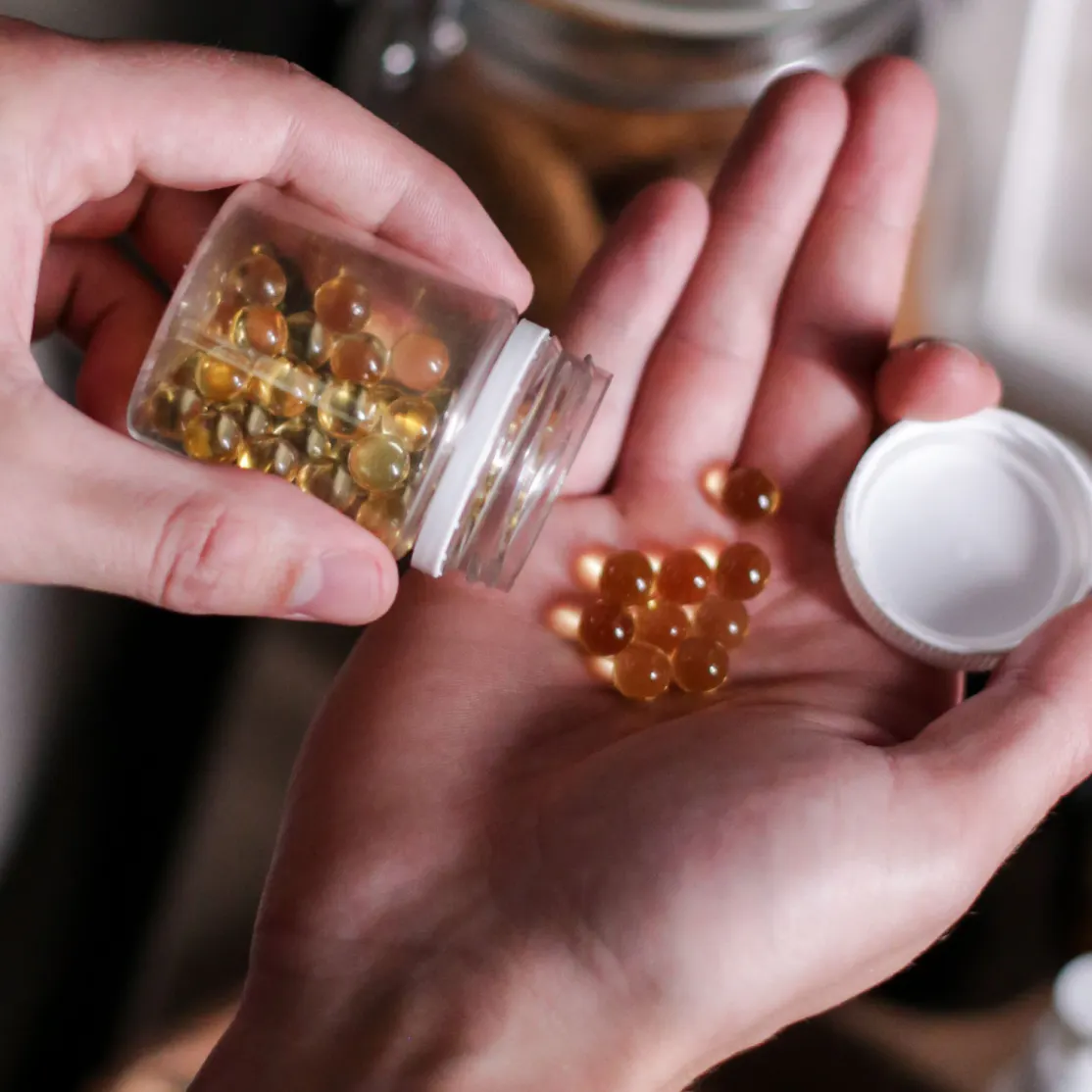
Vitamin K2 is a key player, too, supporting skeletal mineralization by helping direct calcium out of the blood and into the bones.
Boost your protein: Protein helps feed your muscles and can promote bone formation by increasing an important growth hormone; it also helps maintain blood calcium levels. Women’s protein needs increase with age, as our bodies grow less efficient at processing it. This is one reason why every perimenopausal woman’s social media feed currently features high-protein recipe concoctions and snacks.
Osteopenia risk factors that also can be influenced to some degree include:
- having low estrogen levels (brought on by perimenopause/menopause)
- smoking
- drinking more than 2 servings of alcohol per day
Some osteopenia risk factors can’t be changed, including:
- female sex
- age (over 50)
- non-Hispanic white or Asian ethnicity
- family history of osteoporosis
- a personal history of excessive dieting or of an eating disorder (such as anorexia; thyroid disease; or steroid use (e.g., prednisone)
Though these risk factors remain fixed, it’s still important to share this info with your healthcare professional. If you have one or more of these risk factors, your clinician may suggest you begin DEXA screening at a younger age, for instance.
Can Osteopenia Be Reversed?
Getting a diagnosis of osteopenia can be confusing and scary, but with the right intel and some serious elbow grease, the condition can be reversed. The goals are to slow or stabilize bone loss, improve your T score, shore up bone strength, and prevent osteopenia from progressing to osteoporosis.
Midi has a plan that can help. During a Midi virtual visit, “we’ll start by asking you about risk factors, such as your use of alcohol and certain medications,” Dr. Jordan says. “Then we look at ways to optimize your bone health, including encouraging exercise and muscle building, assessing your nutrition, and sometimes supporting you with supplements. We take a holistic view of whether you might benefit from hormone help, with estrogen and maybe testosterone in the mix.” Midi clinicians may also discuss at-home devices that can support bone health, such as a weighted vest.
Osteopenia Treatments That Can Help
Here’s a sneak peek of the kinds of recommendations Midi clinicians often make for women looking to reverse osteopenia:
Exercise
When it comes to strengthening bones via exercise, it’s all about “waking up” osteoblasts, says Pamela M. Peeke, MD, MPH, Chief Medical Officer for Osteoboost Health and a board member of the American College of Sports Medicine Foundation. Strength training, Dr. Peeke says, “is especially excellent for building bone, because it involves contracting and extending muscles, which pull on bones through ligaments and tendons,” stimulating the bone-synthesizing cells.
Some guidance:
- Experiment with bodyweight-only moves: This includes glute bridges and push-ups. Also try to do moves that add weight or resistance (kettlebell deadlifts, dumbbell lateral lunges, biceps curls with resistance bands).
- Start with three sets of 15 repetitions: Do this 3 times per week. Leave a day in between workouts to let your muscles recover.
- If you’re new to strength-training: Dr. Peeke recommends working with a trainer or physical therapist who specializes in bone health to ensure safety and proper form. You can also get some inspo from the pro-bone strength-training routines at Wellen, an online exercise program designed for osteopenia and osteoporosis.
- Prioritize cardiovascular exercise with some impact: “Walking is great,” Dr. Peek says. “Is it enough? No. You want to stress and jostle your bones. Jogging or running, for instance, are great for stimulating bones all the way up through the spine. The rebounder is great for people with knee issues.”
- Include balance and stability exercises: Better balance translates to a reduced fall risk, and falls are a major fracture concern. Tai chi is excellent for balance; so are at-home moves like single-leg stands.
Nutrition
Some nutrient advice that can guide eating for bone health:
- Calcium total: Shoot for about 1,200 milligrams per day. Try to get your vitamins and minerals from food first, using supplements to fill any gaps. Good calcium sources include dairy foods (milk, cheese, kefir), leafy greens (kale, broccoli), almonds, edamame, and fortified plant milks.
- Vitamin D3: Needs are individual (often 800 to 2,000 IU per day; check levels). Only a few foods contain vitamin D: oily fish, fortified milk and OJ, and some mushrooms, for instance. Your body can also make vitamin D from sunlight.
- Vitamin K: The standard adequate intake (AI) for vitamin K in adult women is 90 mcg/day, but research on bone health suggests higher amounts may be beneficial. When it comes to the form of vitamin K, research suggests that K2 supplementation, in particular, may have a positive effect on bone mineral density and may reduce the incidence of fractures in postmenopausal women.
- Protein: General advice is to get at least 1.0 to 1.2 grams (g) of protein per day for every kilogram of your weight, spread across meals. For a 150-pound woman, that’s 68 to 82 g of protein per day.
Hormone replacement therapy (HRT)
Hormone supplementation (estrogen, or if you still have your uterus, estrogen plus progesterone) gets lots of attention for tempering hot flashes. night sweats, and other symptoms, but HRT is also good for your bones. Several major medical associations (including The Menopause Society and The International Osteoporosis Foundation) say that HRT can help prevent osteoporosis-related fractures in at-risk women before age 60 or within 10 years of menopause.
If you’ve received a diagnosis of osteopenia, starting HRT within the time frame above can help keep your bones stronger for longer periods. A 2023 study in the journal Menopause suggested that not only do various types of hormone therapies increase bone density in postmenopausal women, but the hormones keep protecting against bone loss even after a woman stops taking them.
HRT is right for lots of women, but it's not for everyone. Ask your clinician to walk you through the possible contraindications, including a personal history of certain forms of breast cancer, uterine cancer, blood clots, or cardiovascular disease.
Testosterone supplementation in women has been gaining science-backed traction for its positive impact on muscle and bone health, adds Dr. Jordan.
“We have long known that testosterone helps men build muscle mass. Now several studies show a positive impact on muscle and bone health in women. I have patients who have successfully treated their osteopenia with a combination of testosterone, a weight-bearing exercise regimen, and often traditional estrogen and progesterone supplementation.”
Working with a Healthcare Professional
A healthcare professional, like a Midi clinician, can advise you on follow-up DEXA screenings to help you monitor your progress. After you start a routine to slow or stabilize bone loss, DEXAs may be repeated every couple of years. These screenings require no prep, other than avoiding certain meds and supplements for 24 hours beforehand (including calcium and vitamin D supplements, multivitamins, Tums, Rolaids, and Pepcid).
Remember, osteopenia is a silent condition. Without a DEXA, you likely would not know if you have it. Some subtle osteopenia symptoms include a loss of height, a hunched posture, and lower back pain, but these can be difficult to distinguish from the effects of gradual aging. Any new back pain, especially if accompanied by height loss or new hunching, is worth getting checked out. Any fracture resulting from a low-energy trauma is a red flag for osteopenia or osteoporosis.
Janicek’s early osteopenia diagnosis has a happy ending. She lifted progressively heavier weights (she can now do squats holding almost 100 pounds), and after giving birth in her mid-40s, she wore her baby in a wrap as much as possible (“She became my weighted vest!”). That, plus a commitment to eating more protein and taking vitamin K2 and magnesium supplements, improved her T score from -2.1 (osteopenic) in 2016 to -1.2 in 2019.
“You reversed it!” her doctor told her, sliding the paper with her new-and-improved T score across the table. “You really listened.”
Key Takeaways
- Osteopenia is common in perimenopause and menopause due to estrogen decline, which can accelerate bone loss by up to 20% in the 5–7 years after menopause—often without noticeable symptoms.
- A DEXA scan is the only way to diagnose low bone density early, and women with risk factors may need screening before age 65 to prevent progression to osteoporosis.
- Osteopenia can be reversed with the right plan, especially weight-bearing and resistance training, adequate protein, calcium, vitamin D, and targeted lifestyle changes that stimulate new bone growth.
- Hormone therapy started before age 60 or within 10 years of menopause can help protect bone density and reduce fracture risk in appropriate candidates.
- The most effective bone-health strategy is multifactorial: build muscle, fuel with bone-supporting nutrients, limit alcohol and smoking, and work with a clinician to monitor T-scores and personalize treatment.
Frequently Asked Questions (FAQs)
How can I reverse osteopenia naturally
Lifestyle changes can help a great deal. Exercise is particularly important, especially weight-bearing exercise, like strength training as well as jogging and dancing. Nutrition is also key—making sure you get sufficient amounts of protein, as well as calcium and vitamin D.
Can you go from osteopenia to normal bone density?
With effort and the right mindset, it’s possible to improve your bone density numbers enough so that they’re in the normal range. If you focus on weight-bearing exercise and nutrition, that can help get you there. There’s also evidence that HRT can help with bone density even after you stop taking it.
What should you not do with osteopenia?
You shouldn’t drink alcohol to excess, because it’s been linked to an increased risk of osteoporosis and thus has a negative influence on your bones. Limit alcohol to fewer than 2 drinks per day, at the most. And if you smoke, it’s critically important for the health of your bones to try your hardest to quit, because nicotine and other toxins in cigarettes inhibit bone formation.
What is the fastest way to increase bone density?
Rather than focusing on the fastest way, take a multifaceted approach to bone health. Do weight-bearing exercise at least 3 times per week, and include cardio exercise in your routine as well. Prioritize protein, calcium, and vitamin D in your diet, and cut out behaviors that are known to harm bone health, such as drinking alcohol to excess and smoking. And talk with your clinician about whether HRT is right for you.
If you’re in perimenopause or menopause and want guidance from clinicians who specialize in women’s midlife health, book a virtual visit with Midi today.
Hormonal change is at the root of dozens of symptoms women experience in the years before and after their period stops.
Our trained menopause specialists can help you connect the dots to guide you towards safe, effective solutions.
Whether you need personalized guidance or a prescription routine to tackle symptoms—including brain fog, hot flashes, sleep trouble, mood swings, and weight gain—we’ve got you covered. Learn more here.
Midi’s mission is to revolutionize healthcare for women at midlife, wherever they live and whatever their health story. We believe that starts with education, to help all of us understand our always-changing bodies and health needs. Our core values guide everything we do, including standards that ensure the quality and trustworthiness of our content and editorial processes. We’re committed to providing information that is up-to-date, accurate, and relies on evidence-based research and peer-reviewed journals. For more details on our editorial process, see here.