

If you’re thinking about trying libido supplements for women, you probably already know there’s no shortage of options marketed as natural libido boosters. It’s not surprising, since low libido is common for women in midlife, when issues like hormone shifts, stress, and sleep disruptions often overlap and collide. But a lot of products offer more marketing promises than science-backed results.
That’s partly because sexual desire is shaped by so many factors, including hormones, lifestyle habits, and relationship dynamics. Some supplements may help in some cases, but they’re not a quick fix, and they usually work best as part of a broader plan to restore libido.
Ahead, we break down what the research says about libido supplements for women—and share practical ways to give your sex drive a boost. (And for more personalized care, a healthcare professional, such as a Midi Health clinician, is here to help.)
Real talk: When you’re juggling work, family, and other demands, it’s easy for sex to get pushed to the sidelines. Add in the hormone shifts that come with midlife (and include sticky, soggy hot flashes and night sweats), and sexual desire might slow down and vanish without a trace. Libido naturally ebbs and flows over time, but when your sex drive goes MIA for a while, it's normal to wonder where it went and what you can do about it.
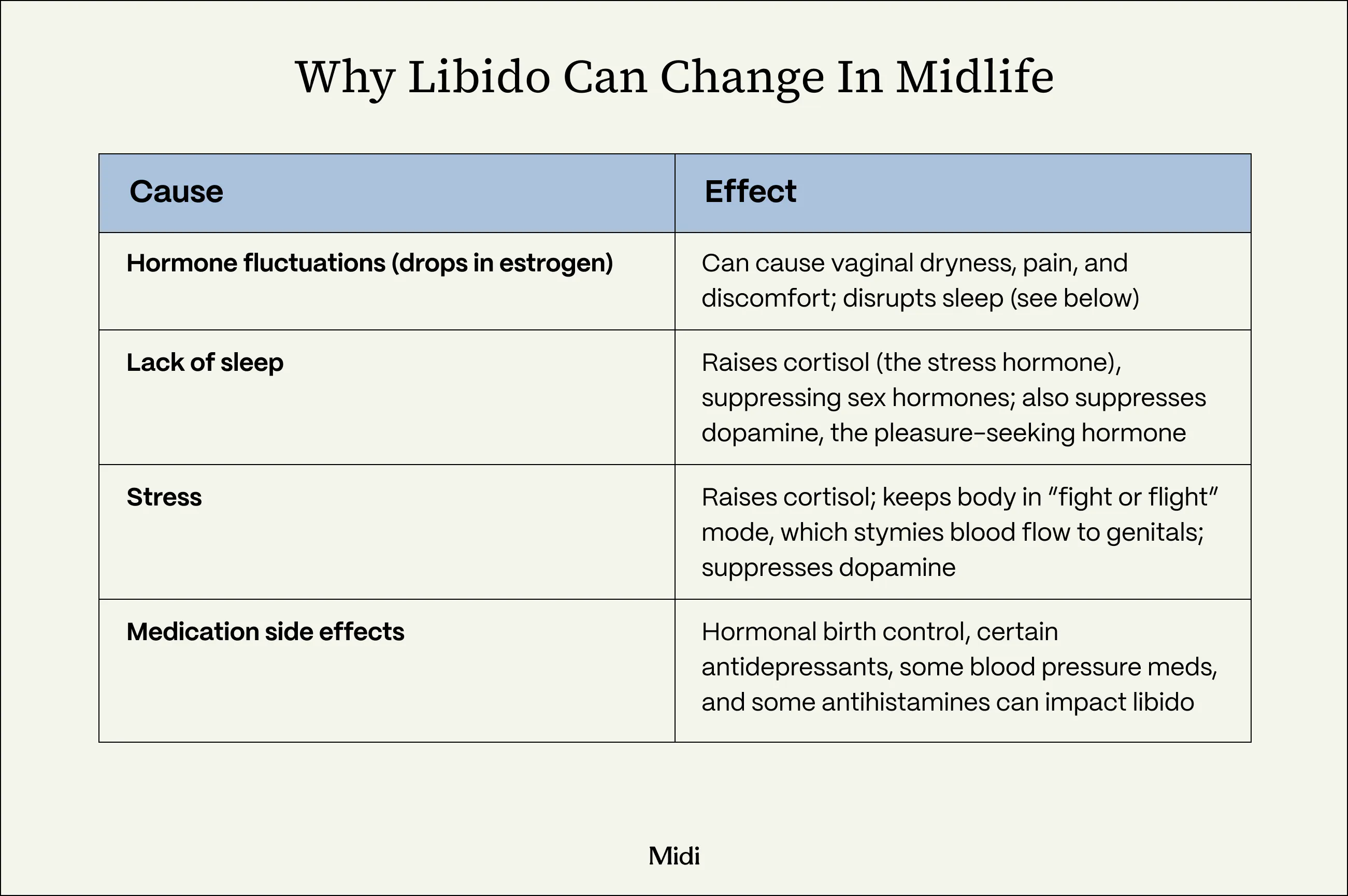
First, know that you’re in good company. A national study found that nearly 1 in 3 women experience low sexual desire, and the number rises to about half among postmenopausal women. Hormone shifts in midlife can certainly play a role, but they’re usually just one part of the story. Sleep, stress, relationship dynamics, and even certain medications can affect sexual desire.
So it’s understandable if you’re curious about libido supplements for women. A quick search brings up countless products—from pills to powders to gummies—that claim to work as natural libido boosters. But many make big promises with little evidence to back them up. The tricky part is figuring out what’s actually worth trying and what doesn’t hold up.
That’s where we come in. We’ll break down what the research actually says about libido supplements for women, when they might help, and when it makes more sense to focus on other solutions to get your libido back on track.’
Libido Supplements for Women: What Actually Helps
When your sex drive dips, you might wonder if there are natural ways to increase libido—and whether supplements can make a difference. The short answer is: maybe, sometimes, a bit. But it depends on what’s getting in the way.
Supplements may help when low desire is related to libido killers like chronic stress, poor sleep, or fatigue. Some ingredients—like adaptogens or nutrients that support mood, energy, or circulation—may give your sex drive a small boost in those cases.
But if sex is uncomfortable or painful, no supplement will fix the root problem. Directly treating symptoms like vaginal dryness, irritation, or pain is usually the first step.
For many women, the best results come from a layered approach. That might mean working with a clinician to address underlying issues, especially if changes to your sex drive feel sudden or distressing. Lifestyle changes, like getting more restful sleep or exercising regularly, can also support sexual health.
Supplements might be part of that approach, but they work best as a supportive layer, not the foundation of your plan. If you do try a libido supplement, choose smartly, and give it time. Changes tend to be gradual, and results are usually modest.
Why Libido Drops in Midlife
It’s easy to assume something is wrong when your libido drops. These changes can feel more noticeable in midlife, when hormones, responsibilities, and relationship dynamics often shift at the same time.
Fluctuating hormones
- The hormonal shifts that happen during perimenopause and menopause can affect desire, arousal, and physical comfort.
- As estrogen declines, vaginal tissues may become thinner, drier, and less elastic.
- That can lead to vaginal dryness and pain or discomfort during sex. These symptoms fall under the umbrella term of genitourinary syndrome of menopause (GSM), a common condition that affects vaginal and urinary tissues.
Stress
- Many women in midlife are trying to juggle work and caregiving, often on too little sleep.
- When you’re tired and overloaded, your top priority is probably getting through the day (without screaming at someone or dissolving into a puddle of tears), not necessarily getting in the mood.
- And physically, stress hormones can blunt the body’s physical response to sexual cues.
Personal factors
- Desire is also deeply personal, influenced by your past experiences and upbringing. Midlife stress can bring issues to the surface.
- Relationship dynamics—including communication, emotional connection, and comfort with a partner—play a big part in shaping desire. (And honestly, that midlife stress can pop up between partners, too.)
- Body image and self-confidence matter. When you don’t feel good about yourself, sex might be the last thing on your mind.
Another thing to consider: Certain antidepressants, hormonal contraceptives, blood pressure medications, and other drugs may interfere with sexual desire, arousal, or orgasm.
Before Supplements: High-Impact Foundations for Increasing Libido
Because so many factors influence your sex drive, it’s worth looking at key factors that can tank your sex drive before researching libido supplements for women:
- Address pain first: If vaginal dryness, itching, or pain during sex has put your libido on pause, try using a lubricant during sex and a vaginal moisturizer a few times a week. If symptoms persist, a clinician, like one of the menopause-trained clinicians at Midi, can guide you through prescription treatments.
- Prioritize sleep: Not getting enough sleep can disrupt hormones and increase stress, not to mention leave you too tired to even think about sex. One study found that women who slept longer reported greater sexual desire.
- Manage stress: No big surprise: High stress is linked to less sex and lower relationship satisfaction. Finding ways to lighten your mental load, even a little, can help. Set boundaries where you can. And simple strategies may help, including journaling, spending time in nature, and mindfulness practices such as yoga, meditation, and breathwork.
- Move your body: Your mood, energy levels, and body confidence can get a boost via movement. In fact, one study found that women who exercised regularly—about 1 to 6 hours per week—reported higher levels of sexual desire, arousal, and lubrication.
- Make time for intimacy: Know that desire might not just show up out of the blue. Many women find that desire is more responsive than spontaneous, and it more often builds after physical touch or emotional closeness. Some research also suggests that sexual content (reading a spicy romance novel, for example) could help with low desire. While it’s not a standalone treatment, it’s a widely accessible way to boost your libido.
Libido Supplements for Women: What the Evidence Supports
Research on libido-boosting supplements for females is still evolving, and most of the current studies are small or short term, with mixed findings. Researchers have also pointed out that there’s a strong placebo effect in sexual health research, meaning some people report that a supplement has worked when they’ve actually taken a placebo. This all doesn’t mean supplements won’t be helpful, but it does mean results vary.
Generally, libido supplements for women work best when the ingredients help target specific issues that contribute to low desire. They usually fall into one of these three categories:
- Botanicals for sexual function: Some research suggests that certain botanicals (plant-derived substances) support sexual function in women by improving circulation, influencing hormones, or boosting mood, though more studies are needed.
- Adaptogens for stress-related low desire: Adaptogens are natural substances—found in certain herbs and mushrooms—that may help regulate the body’s stress response. When stress feels easier to manage, that may support libido.
- Amino acids and nutrients for energy and sexual function: Amino acids (compounds your body uses to make proteins) may support physical arousal. However, the studies on this were small, and the supplements contained other ingredients that could have influenced the outcome. Other supplements provide nutrients your body needs to function properly: For example, treating iron deficiency has been shown to improve sexual function in some women.
If you decide to try a supplement, first talk with a clinician, especially if you take medications or have underlying health conditions. Try one supplement at a time; otherwise you increase the risk of side effects and won’t know what’s actually helping or hurting.
Set a clear goal, like boosting energy or reducing stress. Be sure to use the supplement as directed (more isn’t better!) and give it time—about 6 to 8 weeks—to see if you notice any changes.
True Stories Of Transformation
Libido-Boosting Supplements for Females: Options to Consider
The supplements below made the list because there’s some research behind them—though again, research may be small or limited:
Ashwagandha
Ashwagandha is a popular supplement that’s reported to help with stress relief. In a small study, women taking ashwagandha had increased desire, arousal (lubrication), and satisfaction after 8 weeks, compared with a placebo group.
Safety notes: Ashwagandha can cause digestive upset or drowsiness. Talk to your clinician first (before starting) if you have a thyroid or autoimmune condition. Be cautious if you have a thyroid or autoimmune condition.
Panax Ginseng
This is a plant that may help increase blood flow, improve mood, and reduce fatigue. In a small trial of limited duration, postmenopausal women with sexual dysfunction saw improvements in sexual function and menopause symptoms after taking Panax ginseng for 4 weeks.
Safety notes: Ginseng can cause headaches or trouble sleeping for some people. It may also interact with certain medications, like blood thinners.
Maca
A root vegetable, maca has been used for centuries as an herbal remedy to support energy, fertility, and sexual health. It may influence mood, energy, or brain signals linked to sexual desire.
One review found that maca may help with sexual function as well as ease certain menopausal symptoms. But the results were inconsistent and mixed, and the findings weren’t definitive.
Safety notes: Maca may cause mild stomach upset. Check with a clinician before trying it, especially if you take medications or have conditions––like breast cancer or uterine fibroids––that affect hormones.
L-arginine
L-arginine is an amino acid your body naturally produces. It helps relax blood vessels and improve circulation. Much of the research on L-arginine and women’s sexual health looked at combination supplements, not the amino acid on its own.
One review found that supplements containing L-arginine—usually combined with herbs like ginseng or ginkgo biloba and certain vitamins––improved sexual desire, lubrication, and orgasm for some women. But again, the researchers pointed to a lack of strong evidence.
Safety notes: L-arginine may cause bloating, stomach discomfort, or diarrhea. It can affect blood pressure and circulation, so it’s especially important to check with a clinician if you take blood pressure or heart medication.
Libido Boosters vs. Libido Enhancers for Women: How to Read Labels Without Getting Tricked
There’s an endless number of “libido boosters" and "libido enhancers" for women out there, but these terms don't have a clear medical definition and quality can vary. And be skeptical of big promises—such as claims to balance hormones, boost testosterone, or work like “female Viagra.”
Instead, look for a research-backed supplement with transparent dosing and third-party testing (which helps confirm that a supplement contains the ingredients on the label).
Diagnosis and Testing: When Low Libido Needs a Medical Lens
Your libido can fluctuate over time—and that’s completely normal. But if changes feel sudden, cause pain during sex, or take a toll on your relationship or well-being, it's worth mentioning them to a clinician (like one of Midi’s experts), who can:
- review any medications you’re taking
- rule out underlying conditions—such as thyroid disorders, depression, or anemia—that can affect sex drive
- discuss symptoms like vaginal dryness or hot flashes that may be related to hormone changes during perimenopause or menopause
- order labs if needed
Low libido is treatable. So if something feels off, you don’t have to figure it out on your own.

Treatment Options: What Clinicians Recommend Beyond Supplements
Several science-backed treatments can help support a healthy libido, and a clinician can walk you through the options. These targeted treatments are sometimes part of a layered plan that includes lifestyle changes and possibly supplements.
Vaginal estrogen and DHEA
To treat vaginal dryness, irritation, or pain during sex, local vaginal estrogen—available as a cream, tablet, or ring—delivers a small amount of estrogen directly to vaginal tissue.
Another option is vaginal DHEA (prasterone), a vaginal insert that delivers a hormone that the body can convert into estrogen. Both prescription treatments are designed to help restore moisture, elasticity, and blood flow to vaginal tissue.
Systemic hormone replacement therapy (HRT)
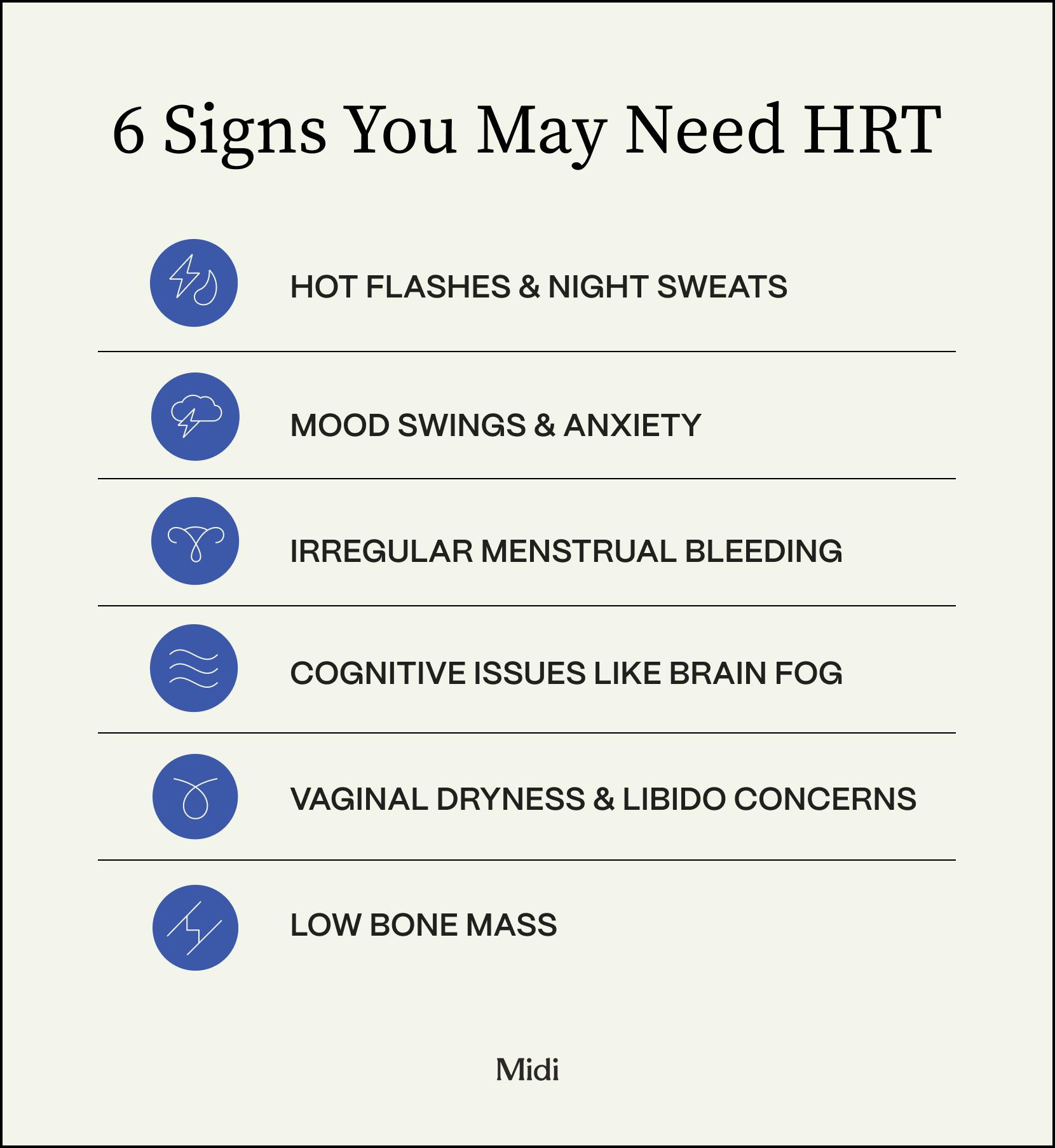
When low libido shows up alongside menopause symptoms like hot flashes, night sweats, and fatigue, clinicians may suggest systemic HRT. Often delivered as a pill, patch, gel, or spray, HRT is considered the most effective treatment for vasomotor symptoms.
Testosterone therapy
Testosterone plays an important role in sexual desire, and levels tend to decline with age. For some women, low-dose testosterone therapy may help restore desire. It’s not currently approved by the FDA for women in the United States, but doctors sometimes prescribe it off-label, usually as a cream or gel applied to the skin.
Non-hormonal medications for low desire
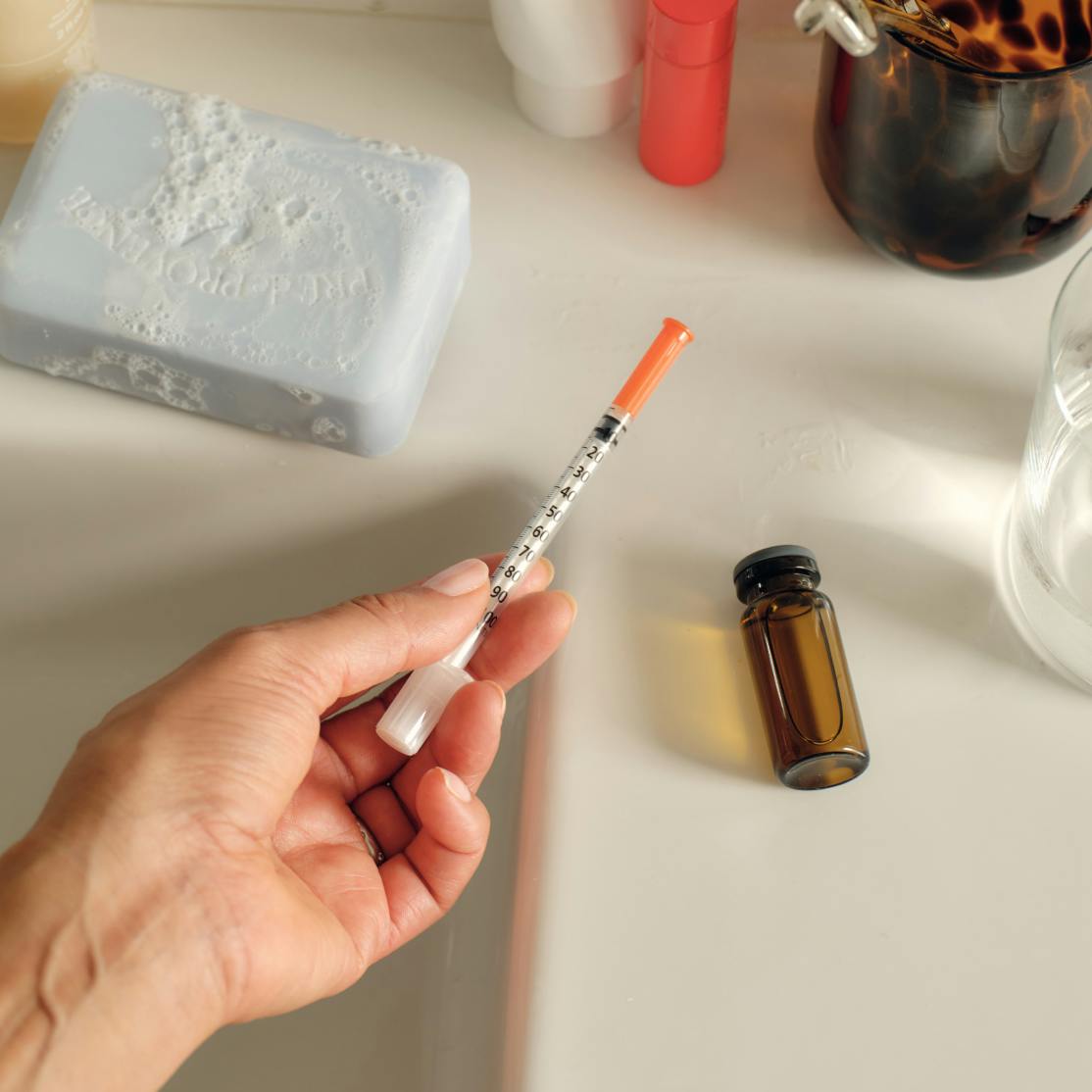
When hormone therapy isn’t the right fit, non-hormonal prescriptions may be an option. Flibanserin (Addyi) is a daily pill that works on brain chemicals involved in sexual desire and arousal. Bremelanotide (Vyleesi), which targets similar brain pathways, is a shot you inject about 45 minutes before sex.
Both are FDA approved for premenopausal women with persistent low libido (though some clinicians may also prescribe flibanserin off-label for postmenopausal women).
These treatments may cause side effects such as nausea and dizziness, and they aren’t suitable for everyone. Your clinician can help you decide whether they’re appropriate for you.
Working With a Healthcare Professional
Let's be honest, talking about sex can feel uncomfortable sometimes. In one survey of postmenopausal women with vaginal symptoms, nearly 3 in 4 said they had never mentioned them to a doctor. But that can mean that a common, treatable issue—like vaginal dryness, pain during sex, or low desire—goes unaddressed. Working with a healthcare professional who understands these concerns, like a Midi clinician trained in women’s sexual health, can make the conversation easier.
Not sure where to start? Try writing down your symptoms and a few questions before your appointment. Having a short list can make the conversation feel less awkward. From there, you and your clinician can talk through possible causes and explore treatment options together—no judgment, just next steps.

Key Takeaways
- Low libido is common, especially in midlife. Hormone shifts during perimenopause and menopause, along with factors like stress, sleep, and relationship dynamics, can all influence sexual desire.
- Libido supplements for women might help in some cases, but they’re not a standalone fix. Botanicals may support libido by easing stress or improving mood, but research is limited and results vary.
- Start with the foundations. Regular exercise, better sleep, and working toward a strong emotional connection with your partner often have a big impact on libido.
- If low libido is persistent, distressing, or linked to pain, talk with a clinician. Prescription treatments such as vaginal estrogen or HRT may address the underlying cause.
Frequently Asked Questions (FAQs)
What can I take to boost my libido as a female?
There isn't a single way to boost libido, because it depends on what's driving the dip. Options may include lifestyle shifts, prescription medications, supplements, or hormone replacement therapy (HRT). A clinician can help you explore options.
Do any female libido pills work?
Prescription medications like flibanserin (Addyi) and bremelanotide (Vyleesi) are FDA approved to help treat low libido in premenopausal women. Hormone therapy may also help menopause symptoms like hot flashes, poor sleep, or vaginal dryness.
What supplements are good for women's libido?
Some supplements may help support women's libido, particularly when they target issues like stress, low mood, or fatigue that can get in the way of desire. The research is promising but still limited, and results can vary. Supplements tend to work best when paired with exercise, sleep, and stress management.
What are the signs of low libido?
Common signs include a noticeable drop in sexual desire that feels bothersome, less motivation to initiate sex, or trouble getting or staying aroused. That said, libido naturally fluctuates and can look different for every woman.
Is there a natural female Viagra?
No, “natural female Viagra” is mostly a marketing term for supplements that claim to boost libido. Some supplements may support libido by lowering stress, improving mood, or increasing blood flow, but research is limited, and none work as a fast-acting treatment for sexual desire.
Flibanserin (Addyi) and bremelanotide (Vyleesi) are two FDA-approved prescription treatments for low sexual desire in premenopausal women. You might hear them described as “female Viagra,” though they work differently.
If you’re in perimenopause or menopause and want guidance from clinicians who specialize in women’s midlife health, book a virtual visit with Midi today.
Hormonal change is at the root of dozens of symptoms women experience in the years before and after their period stops.
Our trained menopause specialists can help you connect the dots to guide you towards safe, effective solutions.
Whether you need personalized guidance or a prescription routine to tackle symptoms—including brain fog, hot flashes, sleep trouble, mood swings, and weight gain—we’ve got you covered. Learn more here.
Midi’s mission is to revolutionize healthcare for women at midlife, wherever they live and whatever their health story. We believe that starts with education, to help all of us understand our always-changing bodies and health needs. Our core values guide everything we do, including standards that ensure the quality and trustworthiness of our content and editorial processes. We’re committed to providing information that is up-to-date, accurate, and relies on evidence-based research and peer-reviewed journals. For more details on our editorial process, see here.