

The sexual benefits of zinc are starting to get more and more attention, and there’s a reason for that: There’s some evidence that the mineral may have certain libido-boosting effects. But that evidence isn’t super-strong yet, and there are conditions and caveats that midlife women should know about. For example, the benefits of zinc sexually have been studied more in men. And for women in perimenopause or menopause, it’s important to find out whether your zinc levels are low. Here, we dig into why zinc may have an impact on libido, which foods are good sources of it, and what else you need to know before you consider taking a zinc supplement. Talk with a healthcare professional, such as a Midi Health clinician, to determine what's best for you and your sexual well-being.
When you think about zinc (if you even think about zinc), you may remember hearing that it could be good for preventing sniffles and sneezing. But zinc, an essential trace mineral, has also gotten attention recently as a possible boost for lagging libido.
Your body needs only small amounts of zinc, yet it plays many important roles, from supporting immune function (that’s why it gets attention for possibly helping colds) to promoting wound healing to helping regulate hormones. It’s that last thing—its potential effects on hormones—that has led people to connect zinc to sexual health.
While in some cases zinc may support libido or overall sexual function, it isn’t a cure-all and won’t reverse the broader changes that come with perimenopause or menopause. Instead, it’s best viewed as one possible piece of a bigger picture, ideally used with guidance from a healthcare professional, such as a Midi clinician, who understands your health history and goals.
Benefits of Zinc Sexually: What It May Help
So, is zinc good for sex? It's important to understand that the benefits are most noticeable in people who have a deficiency in the mineral. In other words, zinc isn’t a quick-fix libido booster—but if your levels are low, correcting that deficiency may support sexual health.
Research on the topic is still very limited. The main research ties back to a study involving 116 postmenopausal women, all of whom were low in zinc and had low sexual desire. The study found that taking zinc supplements helped in a number of ways: The women reported more desire, arousal, and orgasm; better vaginal moisture; and less pain. The researchers concluded that more studies are needed, though these early results were promising.
A few ways zinc might have an impact on libido:
- Zinc plays a role in testosterone production: Testosterone is an important hormone for sexual function in both men and women. Zinc helps the body make testosterone by supporting the enzymes involved in its production.
- Zinc may also support libido and arousal: This may occur less directly as zinc helps support the body’s balance of hormones and overall health.
- Zinc may help ease depressive symptoms: Zinc may play a role as an adjunct treatment alongside other depression treatments. If depression has been affecting your sexual health (as it frequently does) and you’re deficient in zinc, then supplementing the mineral may support other treatment.
The key takeaway: Zinc isn’t a magic bullet that can boost sexual function beyond your baseline—but it might play a part in restoring normal function if you’re not getting enough of the mineral to begin with.

How Zinc May Affect Sexual Function in the Body
Besides supporting the balance of hormones, zinc also supports overall tissue health and helps regulate the body’s inflammatory response. When you’re deficient in the mineral, that may increase the everyday “wear and tear” on cells—from factors like aging, stress, and poor sleep—which can affect circulation, comfort, and energy. Because zinc helps support the body’s response to inflammation and cellular repair, it may indirectly support sexual health.
What's more, zinc has an influence on hormones, including thyroid hormone, melatonin, and testosterone: All of these hormones have an impact on energy level and the quality of sleep, both of which are closely tied to libido. So supporting those systems could make a meaningful difference in how you feel about sex from day to day.
Remember: Zinc is one piece of the puzzle, not a stand-alone solution. It can support the systems that influence sexual function, but it works best as part of a broader approach to overall health.
Is Zinc Good for Sex? Who’s Most Likely to Benefit
It’s true that in some cases, zinc can be good for sex—but whether it might benefit a person really depends on the individual. It may help:
- People with low dietary intake of zinc: such as those who eat little or no animal products, have restrictive diets, or low appetite
- Those with absorption issues: such as certain gastrointestinal conditions
- People with higher zinc needs: including during pregnancy or lactation
If a clinician has confirmed a zinc deficiency through testing, it’s worth discussing whether supplementation could help support libido or overall sexual function. But if your zinc levels are already adequate, increasing your intake isn’t likely to have a libido-boosting effect.
How Midi Helps
Zinc for Libido: How It May Impact Desire and Arousal
If you’re taking zinc for libido, it’s natural to wonder what kind of changes you might see in desire and arousal. The reality is that libido is influenced by many factors, including:
- hormones
- stress
- relationship dynamics
- medications
- mental health
Because of this, zinc may help if low levels of the mineral are contributing to issues like low energy or hormonal imbalance—but it’s not a guaranteed fix.
If you’re deficient in the mineral and decide to supplement zinc for libido, the benefits are likely to be gradual. You may see measurable changes, such as better baseline energy, fewer signs of deficiency (such as fatigue), and a greater sense of readiness for intimacy.
Pairing zinc with foundational habits like good sleep, balanced nutrition, and stress management can improve your overall well-being and create better conditions for a healthy sex drive.
What Does Zinc Do for Women (Including in Midlife and Postmenopause)?
Zinc supports reproductive hormones that are essential for sexual health in all sexes, including women. But as we noted above, the research on zinc and sexual function in women is limited.
For women in midlife—including both those in perimenopause and post-menopause—many factors can drive changes in libido, including:
- vaginal dryness (leading to “sandpapery” sex and pain during intercourse)
- sleep disruptions, from night sweats, stress, and frequent bathroom runs
- mood changes (feeling weepy-cranky recently?)
- overall physical discomfort from issues like hot flashes, joint pain, and more
Zinc won’t address these concerns, but if a clinician identifies a deficiency, supplements may play a supportive role in boosting libido.

What Can Zinc Do for Male Partners?
Zinc may offer some benefits when taken by male partners. It plays a role in sperm production and quality, and in certain cases, supplementation may support fertility markers, particularly if zinc levels are low. Zinc also plays a role in the processes that support healthy blood flow, which is important for arousal and erections.
That said, zinc isn’t a replacement for evidence-based treatment for erectile dysfunction (ED). Any benefits are most likely to relate to correcting a deficiency, not enhancing function beyond normal levels. ED can be linked to underlying causes, including vascular, metabolic, medication-related, or psychological factors, and a man experiencing ED issues should be evaluated by a clinician.
How Long Does It Take for Zinc to Work Sexually?
Wondering how long it takes for zinc to have an impact on libido? Keep in mind that if you’re correcting a zinc deficiency, it’ll take more than a single dose to restore levels and see any meaningful impact.
Early changes are often subtle and may include improvements such as less fatigue and a better appetite. There’s no specific timeline when you might see a boost in desire, comfort, arousal, or sexual satisfaction, since libido is complex and individual. Plus, the effects zinc has may depend on how deficient you were in the mineral to begin with.
One thing to definitely avoid: increasing your dose of zinc in hopes of faster results. More isn’t better, and higher doses won’t speed up the process. A steady, consistent, and multilayered approach to libido—combined with attention to overall health—is more likely to lead to meaningful, lasting improvements.
How to Take Zinc Safely—Diet, Supplements, and Dosing Basics
When you're considering zinc for libido, think about focusing on food sources first. This is the simplest way to make sure you’re consistently getting enough.
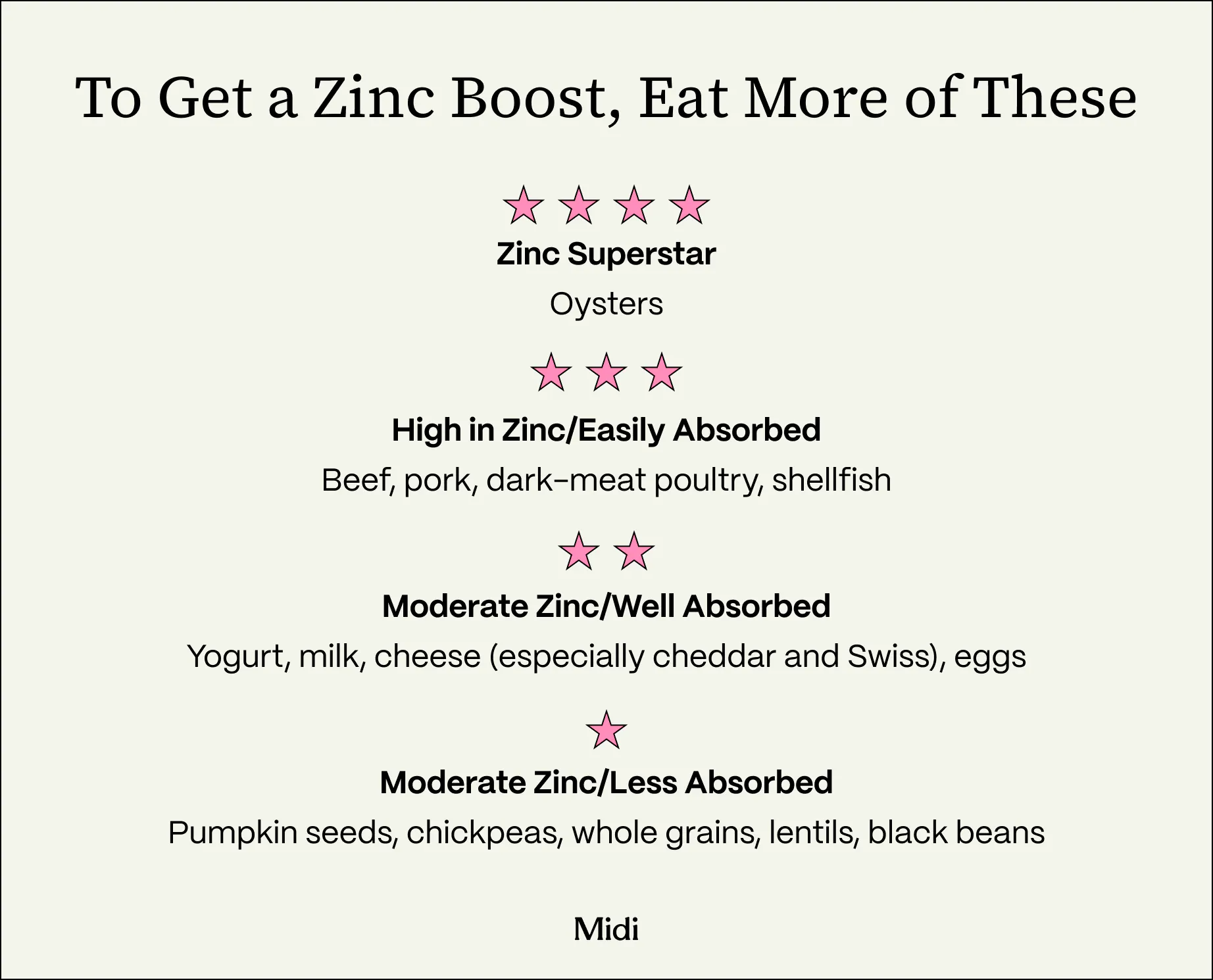
- Zinc from animal sources: Oysters (the highest food source), beef, pork, poultry (dark meat), and shellfish are all high in zinc, and this form of the mineral is the most easily absorbed by the body. Eggs also contain zinc, though not as much as other animal sources.
- Zinc from dairy sources: Milk, cheese, and yogurt are moderately good sources, and the zinc is relatively well-absorbed.
- Zinc from plant-based food: Seeds (especially pumpkin seeds), beans, lentils, nuts, and whole grains contain zinc, though these are less efficiently absorbed.
Some food products are fortified with an absorbable form of zinc, such as fortified breakfast cereals, whole wheat bread, and oatmeal—so they’re good sources of the mineral as well.
If your clinician recommends taking a supplement, read the label carefully. The amount of “elemental zinc” refers to the actual zinc your body can use, which is different from the total compound listed on the label. Generally, stay within recommended daily limits (8 grams for women) and avoid long-term, high-dose use.
Heads-up: Zinc supplements can cause GI side effects like nausea or stomach upset, especially when taken on an empty stomach, so taking them with food may help. Zinc can also interact with certain medications, including some antibiotics, penicillamine, and diuretics. To sidestep this issue, talk with your clinician about the best way to space out doses.
Working With a Healthcare Professional
Talking with a clinician can help you get the full picture of whether it makes sense for you to try taking a zinc supplement. Ask whether testing for a zinc deficiency is appropriate, and discuss whether you should be evaluated in a broader way, including your hormone levels—especially if you’re in midlife.
For instance, if you’re in perimenopause or menopause, your clinician can help evaluate symptoms and recommend treatment options that go beyond supplements, addressing factors like hormonal changes, vaginal health, sleep, and mood. Together, you can set realistic goals and create a targeted plan with a clear timeline.
It’s also important to review any medications you’re taking, since some meds can affect libido or zinc levels. If needed, your clinician can help you explore safer or more effective alternatives.
Be sure to bring up any red flags, including painful sex, bleeding, a sudden drop in libido (especially alongside mood changes), or fertility concerns.
Key Takeaways
- Zinc may have possible sexual benefits in people who have a deficiency of the mineral, though more research on the issue is needed. Zine won’t have an impact on libido if you’re already getting enough of the mineral.
- Zinc may support sexual health in some people by helping regulate hormones, energy, and overall body function, but it’s not a quick-fix libido booster.
- Libido is influenced by many factors including hormones, stress, sleep, medications, and relationship dynamics.
- For women in midlife, changes in sexual desire are often driven by perimenopause and menopause, which may require more targeted treatment beyond supplements.
- A food-first approach to supplementing zinc is best, and supplements should be used thoughtfully, staying within safe limits and under clinician guidance.
Frequently Asked Questions (FAQs)
Can I take zinc and magnesium together?
Yes, zinc and magnesium can generally be taken together, and they’re often paired in supplements. However, some people may tolerate them better when they take them at different times of day. If you’re taking higher doses or have specific health concerns, it’s a good idea to check with a clinician.
Why do I feel so good after taking zinc?
Some people notice improvements in energy, mood, or overall well-being after starting zinc, especially if they were previously deficient. Zinc plays a role in immune function, hormone regulation, and brain health, which can all influence how you feel day to day. If your levels were already adequate, however, you may not notice a significant change.
What are the 5 benefits of zinc?
Zinc supports several important functions in the body, including:
- immune system health
- wound healing and tissue repair
- hormone production and regulation
- normal growth and development
- taste, smell, and appetite
Can a man take zinc every day?
Yes, men can generally take zinc daily, as long as they stay within recommended limits. Zinc is an essential nutrient, and many people get enough through food alone.
What will happen if I take zinc every day?
Taking zinc daily can help you meet your nutritional needs, especially if your intake from food is low. But more isn’t always better—taking too much over time can lead to side effects like nausea and may interfere with copper levels in the body. The goal is to take the right amount for your needs, not the highest possible dose.
If you’re in perimenopause or menopause and want guidance from clinicians who specialize in women’s midlife health, book a virtual visit with Midi today.
Hormonal change is at the root of dozens of symptoms women experience in the years before and after their period stops.
Our trained menopause specialists can help you connect the dots to guide you towards safe, effective solutions.
Whether you need personalized guidance or a prescription routine to tackle symptoms—including brain fog, hot flashes, sleep trouble, mood swings, and weight gain—we’ve got you covered. Learn more here.
Midi’s mission is to revolutionize healthcare for women at midlife, wherever they live and whatever their health story. We believe that starts with education, to help all of us understand our always-changing bodies and health needs. Our core values guide everything we do, including standards that ensure the quality and trustworthiness of our content and editorial processes. We’re committed to providing information that is up-to-date, accurate, and relies on evidence-based research and peer-reviewed journals. For more details on our editorial process, see here.