

Figuring out how to solve sleep issues during perimenopause and menopause can be exhausting—in more ways than one. Some studies are exploring whether glycine benefits your sleep. The amino acid has shown promise in limited studies to reduce core temperature and induce REM sleep, plus a slew of non-sleep glycine health benefits. However, with any menopause-related sleep issue, it’s always best to consult a trained healthcare professional, like a Midi clinician, who can help you understand whether glycine supplements make sense for you.
If you find yourself staring at the ceiling at 1 a.m., trying to decide if you’re still awake because of anxiety, menopause, temperature, or something else entirely, you aren’t alone.
In fact, the American Academy of Sleep Medicine did a survey of women ages 45 to 64, and 50% reported sleep disruption due to menopause sometimes, often, or always. Sleep is very important, and when it’s lacking, it’s easy to get desperate to find a solution.
One of the solutions gaining popularity is using glycine, an amino acid, as a supplement to help with slumber. Although initial studies look promising, there isn’t a ton of robust, evidence-based data on glycine benefits to back up the claims. That’s not to say it doesn’t have potential, though.
Below, learn all you need to know about the amino acid, including the benefits of glycine, dosing, safety, and how it may work to induce sleep.
Benefits of Glycine for Sleep: What the Evidence Suggests (and What It Doesn’t)
Studies have shown that glycine has some benefits for improved sleep quality in some healthy people, but the study sizes have been small and some have had a high risk of bias, using self-reported data. In addition, there haven’t been any completed studies that focus on just women, much less women in perimenopause or menopause. So it’s important to understand the limitations of the available research.
That said, some human studies do indicate that 3 grams (g) of glycine before bed may improve sleep quality, fatigue, and daytime sleepiness in people that have difficulty sleeping. Effects may be more noticeable for those struggling with sleep.
Again, although the studies show potential progress, there’s no definitive answer about whether glycine universally helps with sleep. Ultimately, more research is needed.
How Glycine May Help Sleep: Proposed Mechanisms
The way that glycine works, it’s no surprise that it’s being considered in the toolbox of sleep remedies, especially for perimenopausal and menopausal women. In studies done on rats, glycine decreased core temperature to help induce sleep. This could be very beneficial for women who sleep hot as their estrogen drops or experience night sweats. (But again, these are animal studies, so there’s no evidence that the benefits would translate to humans.)
Glycine also has an impact on the nervous system, which may help with calming down the body and leading to deeper REM sleep. Those benefits may have a downstream effect the following day: One study using 3 g of glycine at bedtime subjectively improved sleep quality and reduced sleepiness and fatigue during the day in individuals with insomniac tendencies or restricted sleep time.
Good news? Yes, but again, these studies are only starting to uncover the possibilities of glycine for sleep, and more research is needed.
What Does Glycine Do for the Body? Glycine Health Benefits Beyond Sleep
Even if we don’t know the full extent of glycine benefits for sleep, we do know that this micronutrient has many advantages beyond your Zzzzs, including:
- a protective effect in the intestines, lungs, brain, and stomach
- tissue regeneration and restoration
- anti-inflammatory effects
- improved muscle tone
- a key role in protein synthesis
- slower muscle degradation
- antioxidant support via glutathione building blocks
- muscle and brain energy pathways via creatine synthesis (indirect role)
Separate from sleep, there’s interest in studying glycine as it relates to cardiometabolic function. Some research has looked at it as a potential biomarker for diabetes onset and progression. It may also have a negative correlation in acute myocardial infarction risk and a potential role in lipid metabolism.
Much is still unknown, though, or many claims are still in their early stages. So even if glycine does have potential, it’s important to be realistic about its impact.
True Stories Of Transformation
Glycine Food Sources vs. Supplements
Glycine is a natural component of many protein-rich foods, especially those with collagen or gelatin. You can find glycine in:
- pork, beef, poultry, and fish
- dairy products
- eggs
- plant-based foods, such as pumpkin, peas, carrots, beets, eggplant, sweet potatoes, and mushrooms
- nuts, seeds, and legumes
- whole grains
- some fruits like avocado, guava, and oranges
The body also makes glycine, but as we get older, our body often needs more than it can produce. That’s where supplements can be helpful.
Glycine supplements typically come in capsules or in powder form. You’ll sometimes see it bundled into collagen products (often a collagen+, multi collagen, or super collagen blend).
There's no harm in trying a food-first approach before adding a supplement, if it fits into your diet.
How Much Glycine per Day for Sleep: Dosing and Timing Basics
If you do choose to supplement with glycine, the common guidance is 2 to 5 g per day. Like with most supplements, you’ll want to start with a smaller dose and build up based on tolerance. In many of the sleep studies, participants were offered a dose before bedtime (versus taking it anytime during the day)—and it was usually around 3 g.
Consistency is key with supplements, so if you are going to try glycine, take it at the same time every night for 1 to 2 weeks and track how it’s impacting your sleep.
A popular choice for sleep is magnesium glycinate, a combination supplement of magnesium plus glycine. There have been positive studies on this as well, but it’s hard to decipher whether it’s the magnesium, the glycinate, or the combination of the two that primarily helps with sleep.
Remember: It's always smart to get your healthcare professional's approval before trying a new medication or supplement.
Glycine Powder: How to Take It and What to Look For
When taking glycine, some people prefer to take it in powder form. As with any powder supplements, you’ll want to make sure that it has a simple ingredient list, free from additives. Also check that it has gone through reputable third-party quality testing and has a clear grams-per-serving label.
With powder, it can be easier to get a precise dose. You can mix it into water, herbal tea, or any other non-caffeinated beverage 30 to 60 minutes before bed.
You’ll often see collagen powders containing glycine, but for the purpose of dosing for sleep, it’s more difficult to know how much glycine you are actually getting in a powder blend.
Safety, Side Effects, and Interactions
Glycine is generally a well-tolerated supplement if taken in recommended doses. However, as with any supplementation, there are possible side effects, including:
- mild GI symptoms (especially if it’s taken with magnesium, which can also have GI effects in some people)
- nausea
- daytime grogginess
Always consult a healthcare professional if you are pregnant or breastfeeding, managing complex medical conditions, or taking multiple medications. Never “stack” multiple sleep-inducing or sedating supplements without clinical guidance.

When Sleep Issues Need Medical Evaluation (Especially in Midlife)
Sleep issues aren’t just annoying; sometimes, they can be a sign of something more serious. If you are experiencing any of these red flags, you should seek medical evaluation:
- loud snoring accompanied by gasping for air
- regular morning headaches
- severe daytime sleepiness
- insomnia plus depression/anxiety
As we know, in midlife, other symptoms can creep up that also disrupt our sleep, often associated with hormonal shifts. Consult a healthcare professional, such as a Midi clinician, for any menopause-related disruptors, like hot flashes or night sweats, shift in mood, weight changes, or any new-onset sleep apnea symptoms. The treatment for these night nuisances may go beyond supplements.
Certain medications may also contribute to sleep issues, so it’s important to give your clinician the whole picture. This includes if you’re taking certain antidepressants or steroids, as well as any recreational drugs, alcohol, or even caffeine later in the day.
Speaking with a clinician can help you properly identify the root cause of your sleep troubles and viable treatments.

What to Try Alongside Glycine for Better Sleep Outcomes
Sleep is so important, and sometimes it takes a few solutions to help achieve better outcomes. Supplements are great, but they should be thought of as support, not the entire plan.
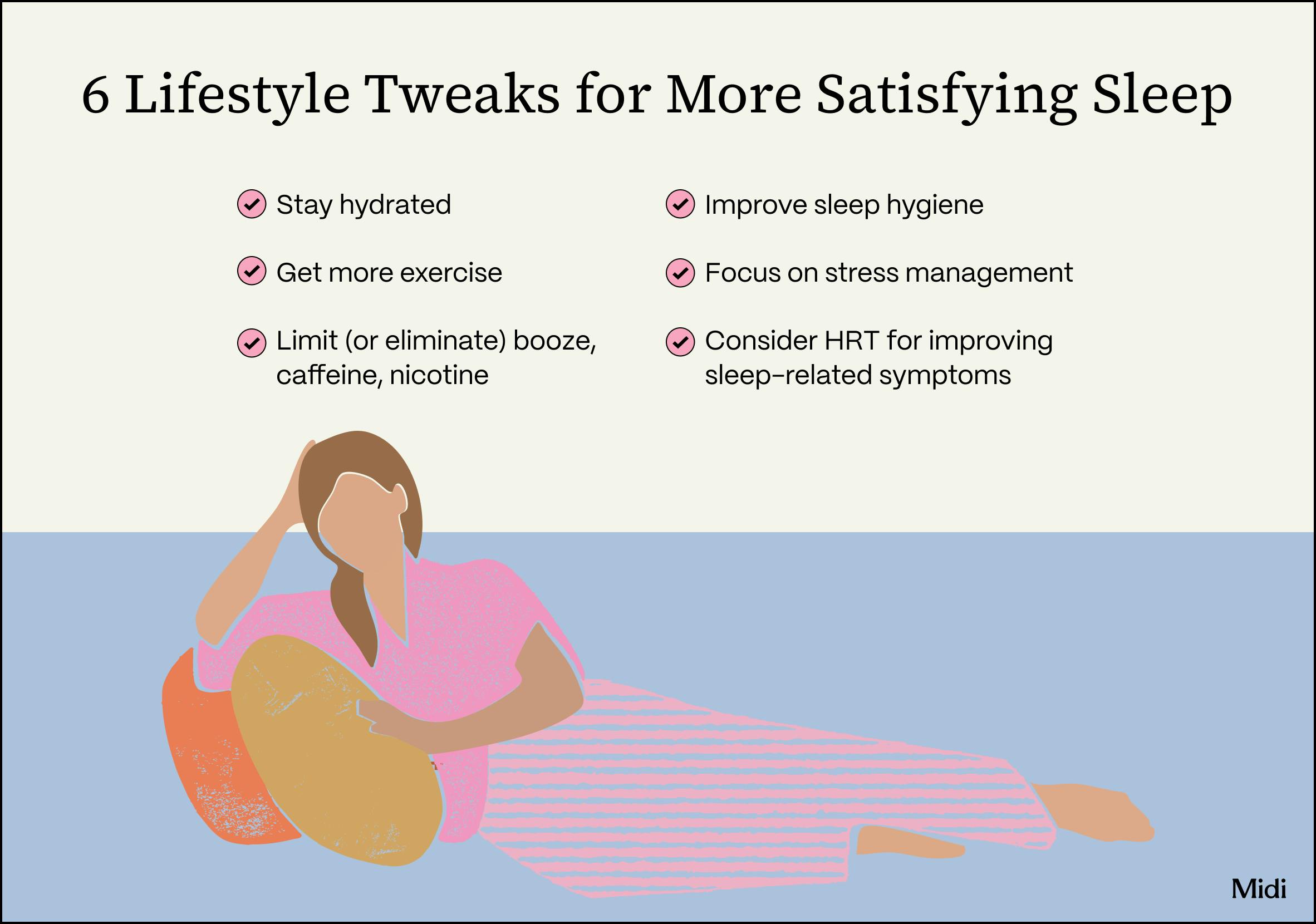
The easiest solution is to make sure your sleep basics (also known as sleep hygiene) are in check. That means having a consistent wake time, keeping a cooler bedroom, powering down screens before bedtime, and being woken by morning light instead of blue light from screens.
If you are having specific symptoms, work with a healthcare professional to address things like hot flashes, pain at night, anxiety, or nocturia if any of them are keeping you up at night.
Cognitive behavior therapy for insomnia is often a good foundation to start with to try to alter some of the thoughts and behaviors around sleep, especially if they’ve been happening for quite a while.
Key Takeaways
- Glycine is an amino acid that plays a role in many different systems in the body, from muscle tone to cardiometabolic function.
- Studies are limited but show that glycine may also be good for sleep because it lowers core body temperature and helps with REM sleep.
- If taking glycine for sleep, it’s recommended to take 3 g before bedtime at the same time every night.
- With any sleep issue, especially those during menopause, it’s important to consult a clinician, who can help you understand whether glycine is the right solution for your sleep problems.
Frequently Asked Questions (FAQs)
What happens if you take glycine every day?
Generally, glycine is safe enough to take daily. The recommended dose is between 2 to 5 g when used for sleep.
What are the negative side effects of glycine?
The negative side effects of glycine may include nausea, mild gastrointestinal (GI) symptoms, and daytime grogginess.
Why take glycine at night?
Some studies show taking 3 g of glycine in the evening can help lower core body temperature and induce REM sleep.
What are the symptoms of low glycine?
Low glycine or glycine deficiency is rare but can occur. Symptoms generally show up as muscle weakness, brain fog, difficulty sleeping, or changes in skin and digestion.
Which food is highest in glycine?
Collagen-rich animal proteins tend to be the highest in glycine. Items like bone broth, gelatin, and chicken skin have the highest amounts.
If you’re in perimenopause or menopause and want guidance from clinicians who specialize in women’s midlife health, book a virtual visit with Midi today.
Hormonal change is at the root of dozens of symptoms women experience in the years before and after their period stops.
Our trained menopause specialists can help you connect the dots to guide you towards safe, effective solutions.
Whether you need personalized guidance or a prescription routine to tackle symptoms—including brain fog, hot flashes, sleep trouble, mood swings, and weight gain—we’ve got you covered. Learn more here.
Midi’s mission is to revolutionize healthcare for women at midlife, wherever they live and whatever their health story. We believe that starts with education, to help all of us understand our always-changing bodies and health needs. Our core values guide everything we do, including standards that ensure the quality and trustworthiness of our content and editorial processes. We’re committed to providing information that is up-to-date, accurate, and relies on evidence-based research and peer-reviewed journals. For more details on our editorial process, see here.