 Heather Hofflich, DO
When hot flashes are running the show, it's easy to fall down an internet rabbit hole of estrogen options—and one of those options you may be curious about is Divigel. A prescription estradiol gel that's applied once daily, Divigel is highly effective at relieving symptoms like hot flashes and night sweats. For some women, it's a great fit; for others, a patch, pill, or nonhormonal option may make more sense (with menopause, the best option is a highly individualized thing). We'll walk through how Divigel works, what to know about the pros and cons of Divigel (including Divigel side effects), and how to work with a clinician—like one at Midi Health— to figure out whether it's right for you.
If you've been looking into menopause treatments, you may have gotten the overwhelming sense that estrogen comes in a gajillion different forms—or, at least, that's what it feels like after hours of googling. One type is Divigel, a prescription gel. Maybe you wondered, how the heck does that one work? And how does a gel differ from the patches, creams, sprays, and pills out there?
One of the most common sources of confusion about these products is that many contain the same hormone—estradiol—but deliver it to the body in different ways. With Divigel, estradiol is delivered in gel form, and it’s used to treat vasomotor symptoms of menopause—otherwise known as those "Why am I sweating through my pajamas at 2 a.m.?" moments.
For many women, it can provide significant relief from hot flashes and night sweats in a once-daily, patch-free format. For other women, a patch, pill, or non-hormonal treatment may make more sense. Hormone therapy isn’t a one-size-fits-all approach: Your health history, symptom pattern, lifestyle, and personal preferences all matter when deciding whether a treatment is a good fit.
The first step to see if Divigel is right for you? Start keeping track of your symptoms. When hot flashes, sleep disruptions, or other side effects start blending together, having a record makes it much easier to spot patterns. This can give your clinician (like a Midi clinician) a clear understanding of what you’re experiencing.
Let’s get into what Divigel is, how it's used, its safety profile, and how to determine whether it’s a good fit for you.
What Is Divigel, and How Does It Work for Menopause?
Feel like your body’s thermostat has been rewired by a raccoon with a caffeine addiction? You’re not alone: Up to 80% of women experience hot flashes and night sweats during menopause, according to The Menopause Society. Even more frustrating, these sensations don’t follow a predictable timeline, and they can linger for 7 to 10 years.
These symptoms show up because declining estrogen levels affect your body’s temperature regulation—but you may be able to sidestep years of surprise sauna sessions. Effective treatment options exist, and Divigel is one of them.
Divigel is a prescription gel that delivers estradiol, a form of estrogen that's biologically identical to the estrogen your body produces naturally. Applied once per day to the skin, it’s absorbed into your bloodstream and helps replenish some of the estrogen lost during menopause. For many women, Divigel is highly effective at reducing hot flashes and night sweats.
Divigel is a form of systemic hormone therapy, meaning the estradiol circulates throughout your body and helps address the whole-body effects of estrogen loss. That makes it different from vaginal estrogen, even though it contains the same hormone. Vaginal estrogen works locally to treat symptoms like dryness, irritation, and discomfort during sex, but it doesn’t spread through your body. Systemic options like Divigel are designed for broader symptoms.
And while we'd all love a definitive "best menopause treatment" award winner, menopause care doesn't work that way. The right treatment is the one that fits your symptoms, health history, preferences, and goals. For some women, Divigel checks all the boxes. For others, a different form of hormone therapy—or a non-hormonal option—may make more sense. A healthcare professional, such as a Midi clinician, can help determine the right option for you.
True Stories Of Transformation
What Divigel May Help With During Menopause
Divigel is primarily used to help calm the chaos that can show up when estrogen levels start their nosedive. That includes:
- hot flashes
- night sweats
- sleep disruption related to night sweats
- joint stiffness, body aches, and headaches
- bone health support to prevent osteoporosis
Of course, not every symptom responds to estrogen therapy. But for many women, Divigel can make a meaningful difference in the symptoms that are most disruptive to daily life.
Divigel Doses and How Clinicians Choose a Starting Point
Divigel comes in multiple packet strengths, and the right starting dose depends on factors like:
- your menopause symptoms and how much they're affecting daily life
- your medical history and overall health
- whether you've used hormone replacement therapy (HRT) before
- your individual risk factors and treatment goals
Typically, clinicians aim to start low and go slow, using the lowest effective dose that actually helps improve symptoms without overdoing it. While it varies from person to person, clinicians will prescribe an initial dose of a 0.25 or 0.5 milligram (mg) packet per day and gradually adjust as needed. The maximum dose is typically 1.25 mg per day.
The first prescription is usually a starting point, so don't be surprised if your dosage changes over time. Hormone therapy often involves some fine-tuning, and many people have follow-up appointments with their clinician every few months.
It’s important not to increase, decrease, or stop Divigel without guidance from your clinician.

How to Apply Divigel Safely
Applying Divigel is pretty straightforward, but proper application matters. When you use it correctly, this helps the medication absorb as intended. Here’s how to use it safely:
- Spread the gel in a thin, even layer to clean, dry, unbroken skin: Ideally, apply it at the same time each day.
- Use the upper thigh area as directed: This is the most common application site. Keep it consistent, so absorption stays predictable.
- Alternate sides each day: Apply to your left thigh one day and your right thigh the next.
- Wash your hands with soap and water: Do this immediately after applying Divigel.
- Let the gel dry completely before getting dressed: This can take 1 to 5 minutes. If it’s still wet, you’re not ready to pull on your pants yet.
- Avoid skin-to-skin transfer: Once applied, make sure the gel doesn’t come into contact with partners, children, or pets before it’s fully dry. Do not shower, swim, or apply lotion or sunscreen to the area for at least 1 hour after you apply the gel.
Pros and Cons of Divigel
Like most menopause treatments, Divigel has its ups and downs to be aware of. As a form of hormone therapy, it’s considered one of the first-line, FDA-approved therapies for hot flashes.
No menopause treatment, however, is all upside, so it's equally important to know the potential drawbacks and day-to-day considerations before deciding whether Divigel is right for you.
Pros
- Once-daily application: No patch-changing schedule to remember.
- No adhesive drama: A gel is a great option if patches leave you itchy or irritated, or if you don’t want to deal with any peeling or mystery lint.
- Flexible dosing: Your clinician can adjust the dosage based on how your symptoms respond (which isn’t always possible with other products).
- Bypasses the digestive system: Because it enters the bloodstream via the skin, Divigel doesn’t go through the liver and digestive system, like oral medications do.
- Lower risk of blood clots compared with oral estrogens: This reduced risk is one result of it bypassing the liver; for this reason, Divigel may be a preferred option for women with controlled hypertension or higher BMI.
Cons
- It's a daily commitment: Divigel works best when applied consistently, so this isn't a "set it and forget it" situation.
- There's a drying period: Until the gel fully absorbs, you'll need to avoid skin-to-skin contact with others at the application site.
- Some people notice mild skin irritation or stickiness: This is rare and usually not a deal-breaker, but it’s worth knowing about.
- Cost can vary: Depending on your insurance coverage and pharmacy, Divigel may be more expensive than some estrogen patches.
- It still has estrogen-related risks: Like all forms of systemic hormone therapy, Divigel has potential risks that should be reviewed with a healthcare professional, such as a Midi clinician, who knows your health history.

Divigel Side Effects to Know
Like all estrogen therapies, Divigel can come with side effects, especially when your body is first adjusting. Some are mild and temporary, while others are worth discussing with your clinician if they persist or feel disruptive.
Side effects may include:
- breast tenderness
- headache
- nausea or bloating
- light, intermittent vaginal bleeding or spotting
- skin irritation at the application site
- mood or sleep changes
- possible weight changes (this may be influenced by multiple factors beyond the medication)
Mild side effects often improve as your body adapts. If they persist, worsen, or feel out of step with what you expected, check in with your clinician rather than pushing through on your own.
Potential Risks and Who May Not Be a Good Fit
Divigel can be an effective option for managing menopause symptoms, but systemic estrogen therapy isn’t appropriate for everyone. It’s important to carefully review your medical history with your clinician when deciding whether it’s safe for you. Certain health conditions may mean Divigel isn't recommended or that you'll need additional evaluation before moving forward.
You may not be a good candidate for Divigel if you:
- experience unexplained vaginal bleeding
- have a history of blood clots, stroke, or heart attack
- have certain hormone-sensitive cancers, such as some breast or uterine cancers (known, suspected, or in the past)
- have active liver disease
- are currently pregnant or breastfeeding (Divigel is not intended for use during either)
- have an upcoming surgery or extended bed rest, which may require special planning due to clotting risk
Does Divigel Help With Weight Loss?
Short answer: No, Divigel is not prescribed as a weight loss medication.
That said, the relationship between menopause, hormones, and weight is complex, and symptoms can absolutely affect how your body feels and functions day to day. Here’s what may change indirectly for some people:
- Symptom relief may support routines: When you’re not constantly battling discomfort, it can be easier to stay consistent with healthy habits day by day.
- Better sleep may help overall regulation: Improving sleep can influence energy levels, appetite cues, and how you feel during the day. Not only is it hard to, say, motivate yourself to exercise if you’re exhausted, but sleep deprivation can disrupt the hormones that affect appetite and cravings.
- Weight changes can still happen: Menopause itself, aging, and lifestyle factors can all influence weight during this transition.
If you’re noticing weight changes in addition to other symptoms, it’s worth discussing that as part of the bigger picture of menopause care. A clinician can help you look at symptoms, hormones, and lifestyle factors together, so you’re not trying to untangle it all on your own.
Divigel Alternatives for Menopause Symptoms
If Divigel doesn’t turn out to be a good solution, you’ve got options. Here are some alternatives your clinician might talk through with you:
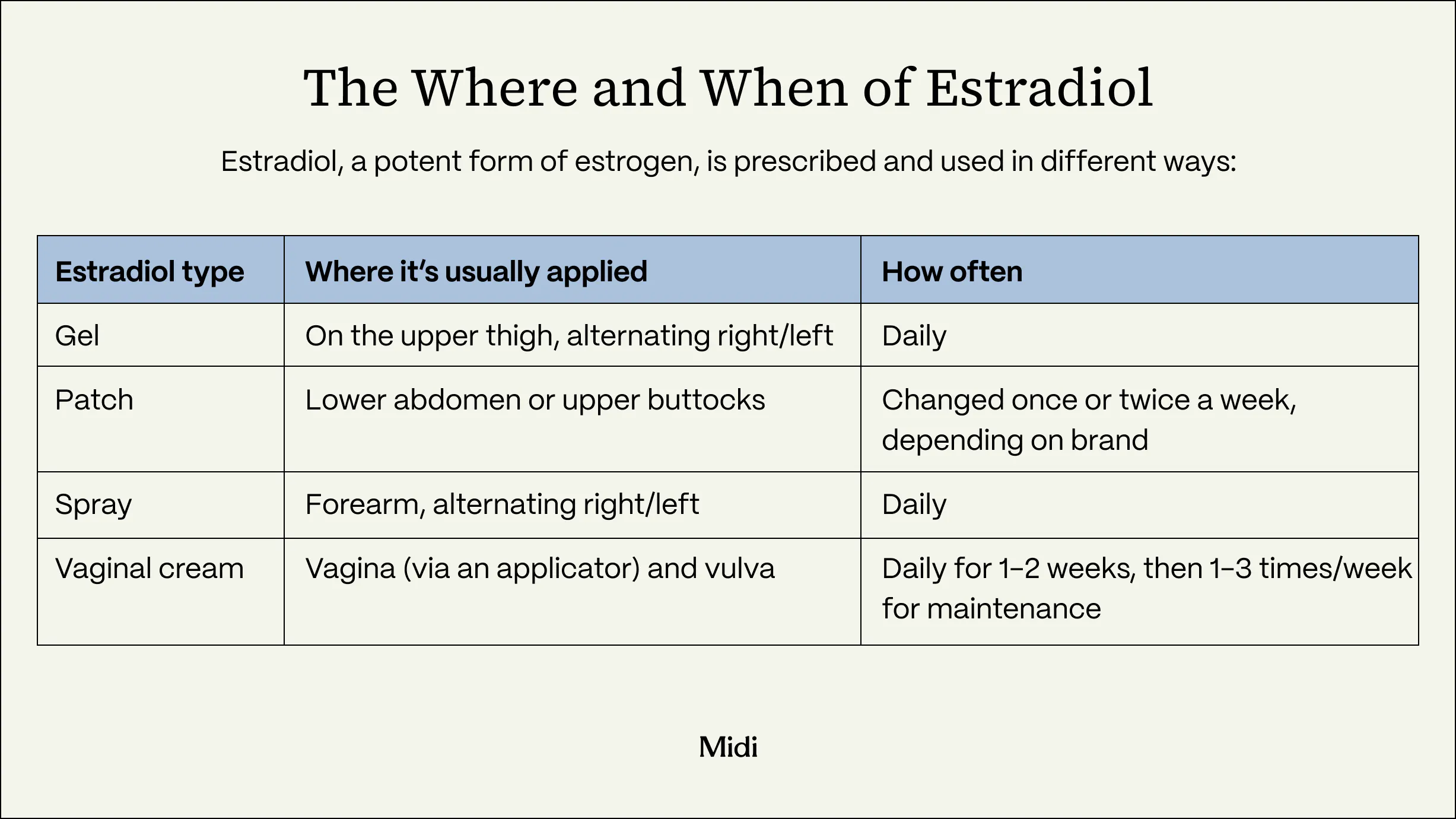
- Estradiol patches: systemic estrogen delivered through the skin; patches are changed on a schedule
- Estradiol sprays: a quick daily spray (usually applied to the skin of your forearm) that delivers systemic estrogen
- Oral estrogen: taken by mouth; a good option for some people depending on their health history and risk profile
- Vaginal estrogen: local treatment for vaginal or urinary symptoms like dryness, irritation, or discomfort
- Progesterone: needed to protect the uterine lining when using systemic estrogen if you have a uterus
- Non-hormonal prescription options: can be helpful if hormones aren’t the right fit or you just prefer a non-hormonal route for managing hot flashes
- Lifestyle supports: evidence-based strategies that include tracking hot flash triggers, adjusting sleep routines, and figuring out what actually affects your symptoms.
When to Seek Care Right Away
Most side effects from Divigel are mild, but certain symptoms should never be brushed off or waited out. These can signal more serious conditions and need prompt medical attention.
Get care right away if you experience:
- chest pain, especially if it feels pressure-like, tight, or unexplained
- new, sudden, or worsening shortness of breath
- one-sided weakness or numbness in the face, arm, or leg
- sudden severe headache
- vision or speech changes, including sudden blurring, loss of vision, or trouble speaking
- leg swelling or pain
- heavy or unexpected vaginal bleeding
- breast lump or nipple changes
Key Takeaways
- Divigel is a prescription estradiol gel used to treat moderate to severe menopause symptoms, especially hot flashes and night sweats. Because Divigel is a systemic estrogen therapy, the hormone is absorbed through the skin into the bloodstream.
- Hormone therapy isn't a one-size-fits-all approach. Your symptoms, health history, lifestyle, and personal preferences will all help you and your clinician determine whether Divigel is a good fit.
- Using Divigel correctly matters. Applying it as directed helps make sure it’s consistently absorbed and reduces the risk of transferring estrogen to other people through skin contact.
- Divigel may help relieve hot flashes, night sweats, and sleep disruption related to menopause, but it isn't designed to treat every menopause symptom and is not a weight loss medication.
- Like all systemic estrogen therapies, Divigel has potential side effects and risks, making regular follow-up with a clinician an important part of treatment.
Frequently Asked Questions (FAQs)
Does Divigel work for hot flashes?
Yes. For many women, Divigel can be effective for reducing hot flashes because it delivers systemic estrogen that helps stabilize hormone-related temperature regulation.
What are the common Divigel side effects?
Common side effects may include breast tenderness, headache, bloating, nausea, mood changes, and mild skin irritation where you apply the gel.
Do I need progesterone with Divigel?
If you have a uterus, progesterone is prescribed alongside Divigel to help protect the uterine lining.
Does Divigel help with weight loss?
Divigel is not a weight loss treatment, though improving menopause symptoms like poor sleep or hot flashes may indirectly support healthier routines.
What is the difference between Divigel and estrogen patches?
Both deliver systemic estrogen through the skin. But Divigel is a gel you apply each day, while patches are applied to the skin and changed on a set schedule.
Can Divigel be transferred to someone else?
Yes—if it hasn’t fully dried, Divigel can transfer through skin contact, so it’s important to let it dry completely and avoid contact with others for an hour after application.
If you’re in perimenopause or menopause and want guidance from clinicians who specialize in women’s midlife health, book a virtual visit with Midi today.
Hormonal change is at the root of dozens of symptoms women experience in the years before and after their period stops.
Our trained menopause specialists can help you connect the dots to guide you towards safe, effective solutions.
Whether you need personalized guidance or a prescription routine to tackle symptoms—including brain fog, hot flashes, sleep trouble, mood swings, and weight gain—we’ve got you covered. Learn more here.
Midi’s mission is to revolutionize healthcare for women at midlife, wherever they live and whatever their health story. We believe that starts with education, to help all of us understand our always-changing bodies and health needs. Our core values guide everything we do, including standards that ensure the quality and trustworthiness of our content and editorial processes. We’re committed to providing information that is up-to-date, accurate, and relies on evidence-based research and peer-reviewed journals. For more details on our editorial process, see here.